
American roads were once packed with nameplates that have since vanished from dealerships, ads, and memory. Some died from bad timing, some from bad decisions, and a few from being simply too good for the era they lived in. These are the brands and models that shaped a century of driving — and then disappeared.
Plymouth: The Working Family's Favorite Car
For millions of American families in the postwar decades, Plymouth was simply the car you bought. Affordable, reliable, and sold through Chrysler dealerships alongside pricier siblings, Plymouth occupied the sweet spot between cheap and respectable. Models like the Fury and Belvedere gave working households genuine style without the premium price tag. When Chrysler finally killed the brand in 2001, it wasn't a dramatic collapse — it was a quiet farewell to the car that had been quietly holding families together for decades.
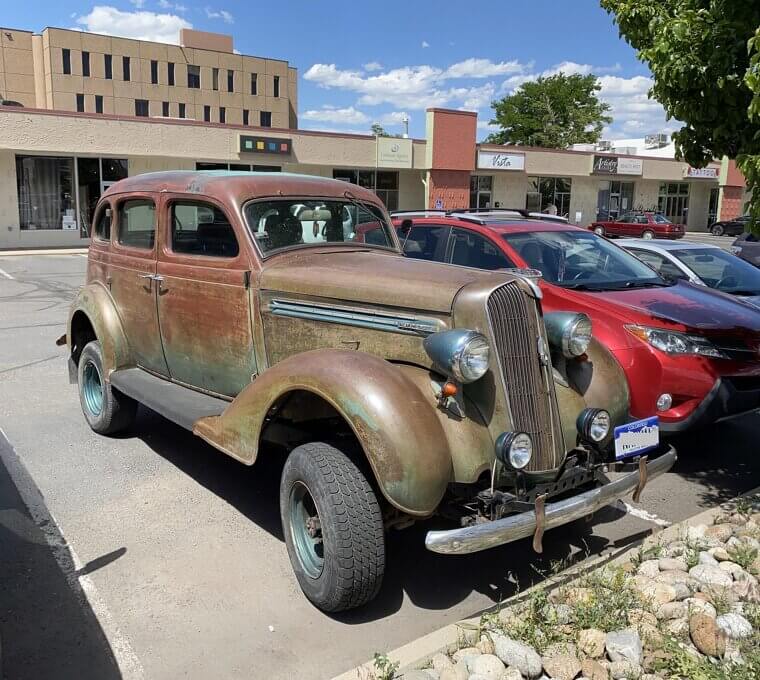
Plymouth's last model year was 2001, ending a 74-year run. At its peak in the 1970s, the brand was moving over 700,000 units annually — numbers most modern brands would envy.
DeSoto Adventurer: Chrome King of the Fifties
Chrome wasn't just decoration in 1956 — it was a statement of intent. DeSoto's Adventurer arrived that year as the brand's halo car, loaded with more brightwork than a Broadway marquee and powered by a high-compression 341 Hemi producing 320 horsepower. It was one of the first American production cars to achieve one horsepower per cubic inch of displacement — a benchmark engineers genuinely celebrated. DeSoto positioned it above Dodge and below Chrysler in the corporate hierarchy, but the Adventurer outshone both in pure visual drama.
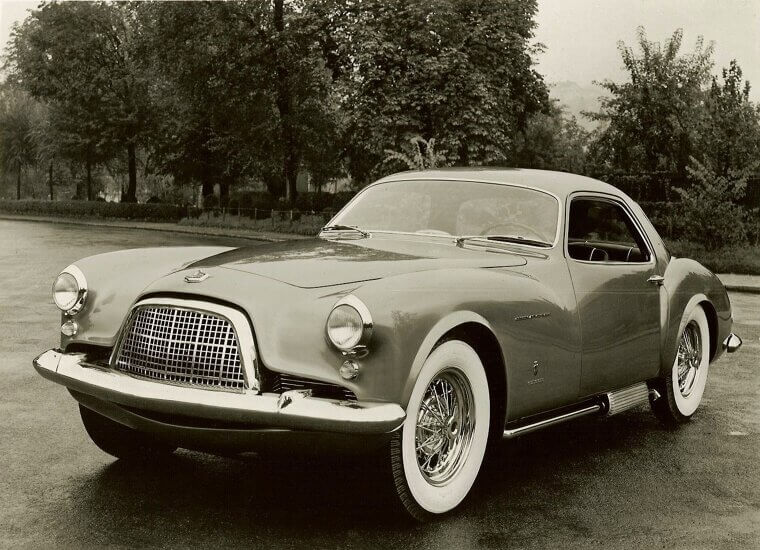
DeSoto was killed by Chrysler in November 1960, mid-model year, with only 3,034 units built for 1961. The abrupt end left dealers furious and collectors with an accidental rarity.
Oldsmobile Toronado's Front-Wheel Drive Gamble
Picture this: 1966, and every American car sends power to the rear wheels. Every single one. Then Oldsmobile drops the Toronado — a massive, gorgeous personal luxury coupe running front-wheel drive — and the industry goes quiet for a moment. Engineers called it technically brilliant. Drivers called it surprisingly smooth. The Toronado proved front-wheel drive could work in a full-size American car, laying groundwork that would eventually reshape the entire industry. Oldsmobile never got enough credit for the gamble.
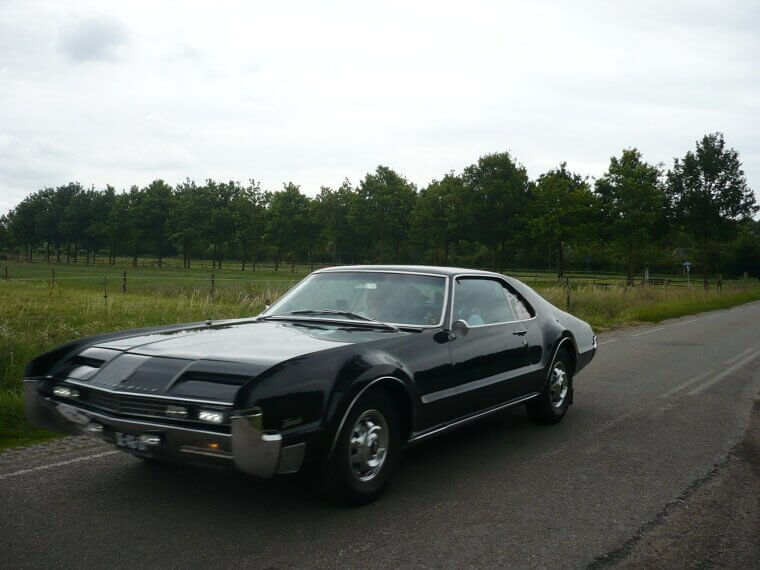
The 1966 Toronado packed a 385-horsepower, 425-cubic-inch V8 driving the front wheels — a combination nobody thought would work. It absolutely did.
Pontiac Bonneville: The Luxury Muscle Cruiser
The Bonneville started life as a flashy show car concept in 1954, and by the time it hit showrooms, it hadn't lost much of that swagger. Through the 1960s and into the 1970s, it sat at the top of Pontiac's lineup — big, comfortable, and just muscular enough to feel exciting. It was the car your successful uncle drove. Wide bench seats, smooth ride, optional big-block V8. When Pontiac folded in 2010, the Bonneville nameplate had already been retired for five years, but its absence was felt long before that.
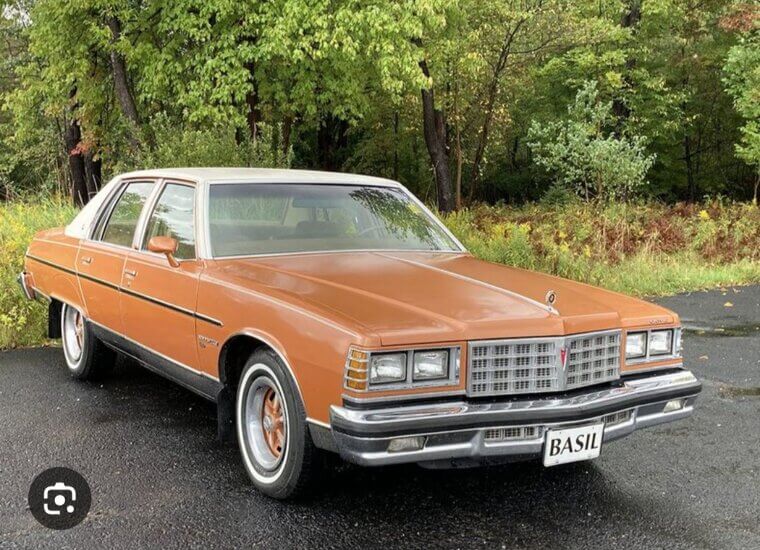
The Bonneville name ran from 1957 to 2005 — nearly five decades. Few American nameplates survived that long while maintaining genuine aspirational appeal throughout.
Saturn SL: The Car That Fought Back
Saturn launched in 1990 with a radical promise: no-haggle pricing, friendly salespeople, and a different kind of car company. The SL sedan backed it up with a lightweight polymer body that resisted dents and a peppy four-cylinder that delivered real fuel economy. Owners genuinely loved these cars — Saturn held loyalty numbers that rivaled import brands. GM never quite knew what to do with that loyalty. Instead of investing in the brand, they starved it. Saturn died in 2010, not because customers left, but because the parent company did.
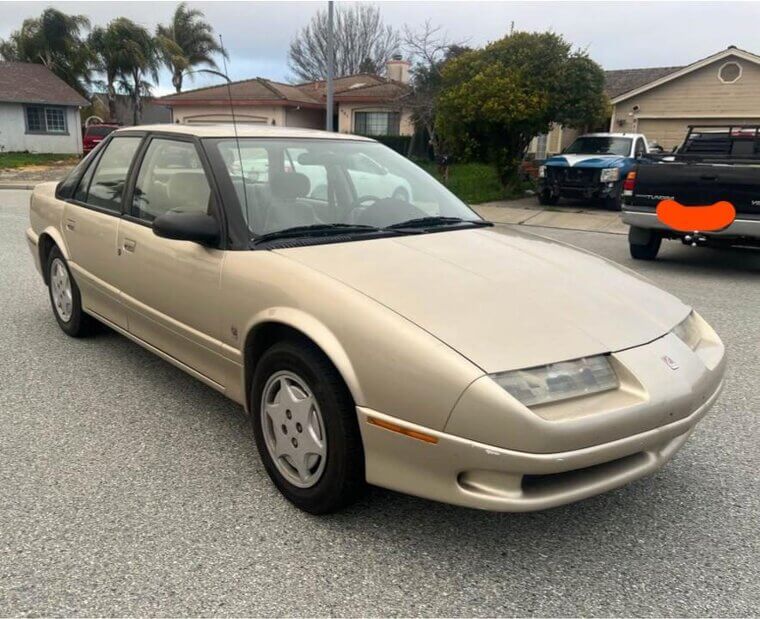
Saturn owners were famously devoted — the brand once hosted a "homecoming" event in Spring Hill, Tennessee, where thousands of owners drove in just to celebrate their cars. GM let that community dissolve.
Mercury Cyclone: Ford's Forgotten Speed Machine
Would you pay six figures for something Ford quietly buried in 1971? The Mercury Cyclone never got the marketing muscle of a Mustang or the street credibility of a Torino Cobra, but on the NASCAR superspeedways of 1969 and 1970, it was nearly unbeatable. Cale Yarborough drove one to victory at Daytona. The aerodynamic Cyclone Spoiler II was wind-tunnel tested and purpose-built for speed. On the street, the GT version with a 428 Cobra Jet was genuinely terrifying. Ford just never told anyone loudly enough.
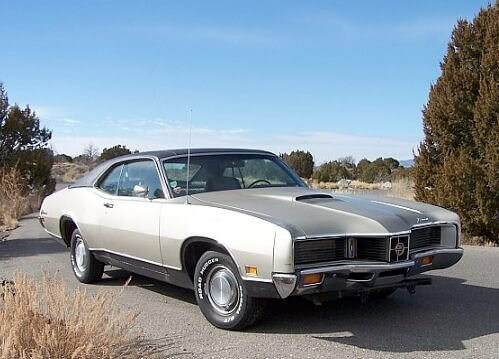
A numbers-matching 1970 Mercury Cyclone Spoiler in top condition can fetch $80,000 to $120,000 at auction today — remarkable for a car most people can't identify.
Studebaker Golden Hawk: Beauty With a V8
Studebaker built the Golden Hawk in 1956 as a genuine statement car — long hood, swept fins, and a supercharged 289 V8 that pushed 275 horsepower in an era when that number meant something. The styling came from Raymond Loewy's design team, the same group responsible for some of the most iconic industrial designs of the 20th century. It was fast, it was beautiful, and it was built by a company already in financial trouble. The Golden Hawk lasted only three model years. Studebaker itself would be gone by 1966.
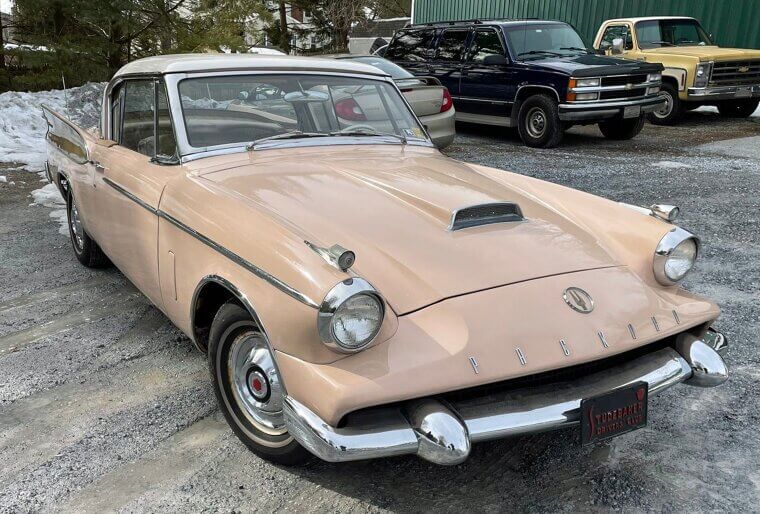
Clean Golden Hawks now regularly sell for $40,000 to $70,000 at collector auctions. The supercharged model is rarer and commands a significant premium over the standard V8 version.
Packard: The Pinnacle of American Luxury
$500,000. For a prewar American car. On four wheels. That's what a pristine Packard Twelve can command at a major auction today — and it's not surprising once you understand what Packard meant. Through the 1930s, Packard was America's answer to Rolls-Royce. Presidents rode in them. Movie stars ordered them custom. The phrase "Ask the man who owns one" was one of the most effective advertising slogans in automotive history. When Packard merged with Studebaker in 1954 and began sharing platforms with cheaper cars, the prestige evaporated almost immediately.
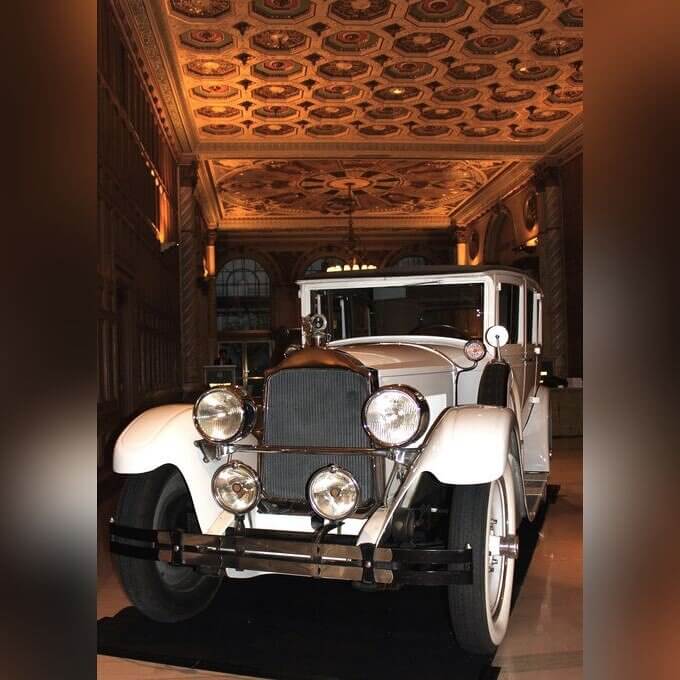
Packard's fatal mistake was badge-engineering Studebaker bodies and calling them Packards. Loyal customers noticed immediately. By 1958, the nameplate was gone — a cautionary tale about diluting luxury brands.
AMC Gremlin: The Hatchback America Mocked
The jokes wrote themselves. AMC introduced the Gremlin on April 1, 1970 — April Fools' Day — and critics never let the company forget it. The stubby hatchback looked like someone had sawed the back off a compact sedan and called it a day. Here's the thing nobody mentions: it worked. The Gremlin was cheap, light, and fuel-efficient at a time when American buyers were starting to care about those things. It outsold the Pinto in some years. The styling was genuinely odd, but the car underneath was more practical than it looked.
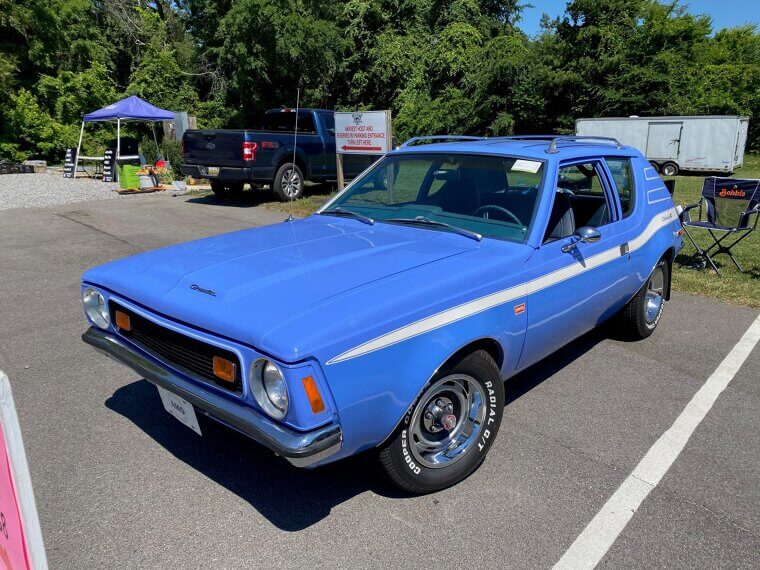
AMC's designers literally created the Gremlin by sketching it on an airsickness bag during a flight. That origin story is either charming or deeply alarming, depending on your perspective.
Pontiac GTO: The Original American Muscle Car
The argument starts here. Purists will debate forever which car truly invented the muscle car formula, but the 1964 Pontiac GTO has the strongest claim. Engineer John DeLorean — yes, that DeLorean — pushed the project through GM's bureaucracy by technically calling it an option package rather than a new model. The result: a mid-size Tempest body stuffed with a 389 cubic-inch V8 that had no business being there. Car and Driver tested one at 6.6 seconds to 60 mph. The muscle car era had officially begun.
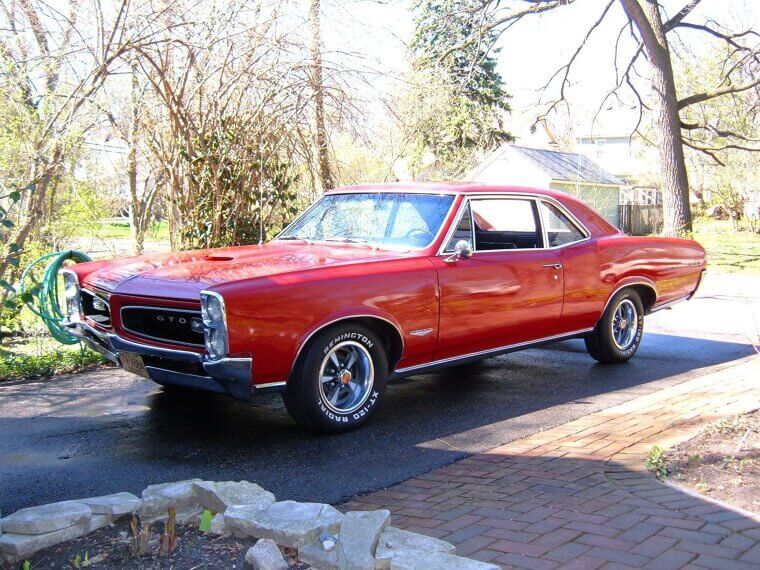
A fully documented 1969 GTO Judge in Ram Air IV configuration sold for $220,000 in 2021. The car that started a revolution now costs as much as a small apartment building.
Edsel: Ford's Most Famous Flop
Ford spent $400 million developing the Edsel — roughly $4 billion in today's money — and managed to sell fewer than 120,000 total across three model years. The vertical grille that critics called a toilet seat. The push-button transmission mounted in the steering wheel hub. The name nobody wanted (Ford had rejected suggestions including "Utopian Turtletop"). The Edsel wasn't actually a terrible car mechanically, but it arrived during a recession, was overpriced, and had been so aggressively hyped that disappointment was almost inevitable. It became shorthand for corporate failure.
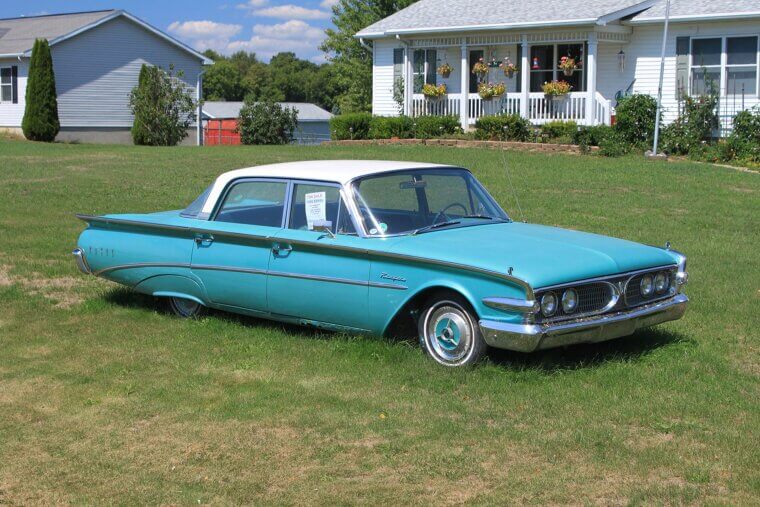
Ironically, Edsel's failure made survivors collectible. A pristine 1958 Edsel Citation convertible can now fetch $80,000 or more — Ford's biggest embarrassment became a collector's treasure.
Hummer's Short but Unforgettable Run
The Hummer H1 arrived in civilian showrooms in 1992 looking like it had just rolled off a battlefield — because it basically had. Based on the military HMMWV, it was absurdly wide, obscenely thirsty, and cost more than most houses in some zip codes. None of that stopped people from buying them. Arnold Schwarzenegger famously lobbied AM General to sell civilian versions. By the time GM launched the smaller H2 and H3, the brand had become a cultural symbol — of excess, of power, of a very particular American confidence. Gas prices and public opinion eventually finished it.
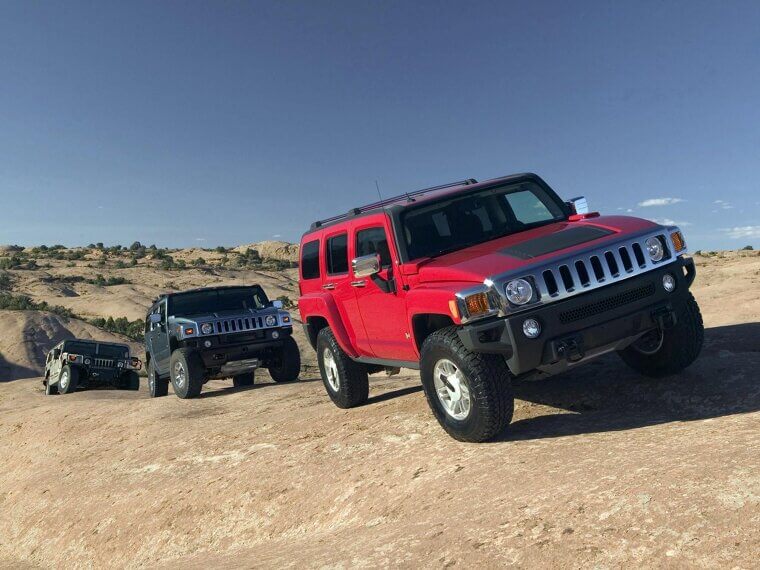
The original H1 retailed for around $100,000 and got roughly 10 miles per gallon. When fuel hit $4 a gallon in 2008, Hummer's fate was essentially sealed.
Geo: The Tiny Cars of the Thrifty Nineties
You've probably driven past a rusted Geo Metro without giving it a second thought. In the early 1990s, though, the Metro was a genuine phenomenon — rated at up to 58 mpg highway, priced under $7,000, and small enough to park anywhere. GM created the Geo brand as a budget import-fighter, sourcing cars from Toyota, Suzuki, and Isuzu and slapping a different badge on them. It was an odd strategy that actually worked for a while. By 1997, GM folded Geo into Chevrolet, quietly admitting the experiment was over.
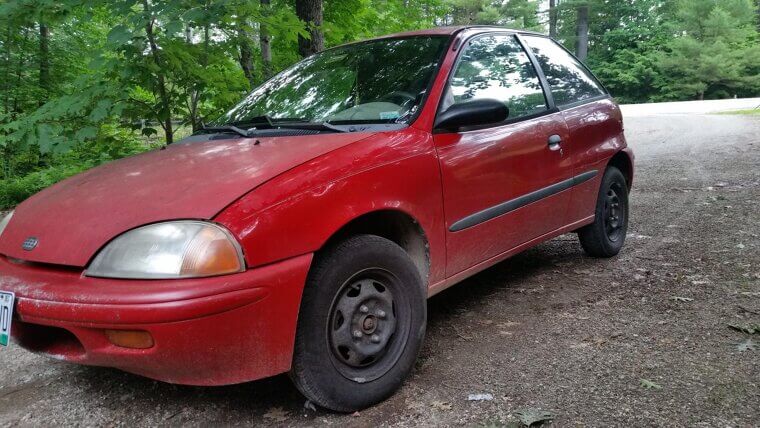
The Geo Metro's fuel economy numbers weren't beaten by a mainstream American-market car for nearly 20 years. A car that cost $6,995 new was quietly ahead of its time.
Hudson Hornet's Surprising Racing Legacy
Test drivers came back shaking their heads. The Hudson Hornet, introduced in 1951, had a secret weapon called "step-down" construction — the floor sat inside the frame rails rather than on top of them, lowering the center of gravity dramatically. On NASCAR ovals, that handling advantage was devastating. Hudson Hornets won 27 of 34 NASCAR races in 1952. Marshall Teague, Herb Thomas, and Tim Flock drove them to championships. A boxy-looking family sedan was humiliating purpose-built race cars. Hudson's racing dominance ended only when the company merged with Nash in 1954.
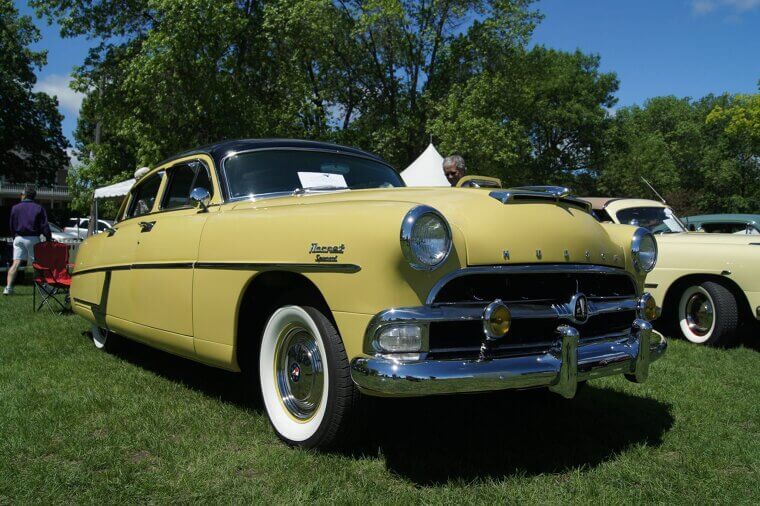
Pixar immortalized the Hudson Hornet in Cars as Doc Hudson, voiced by Paul Newman. The film introduced an entirely new generation to a racing legacy most Americans had completely forgotten.
Oldsmobile Cutlass: Every Neighbor Had One
In 1976, the Oldsmobile Cutlass Supreme was the single best-selling car in America. Not best-selling Oldsmobile. Best-selling car. Period. It outsold the Ford F-Series, the Chevrolet Impala, and every import combined. The Cutlass hit that perfect American sweet spot — big enough to feel substantial, small enough to park, stylish enough to impress neighbors, cheap enough to actually buy. By the early 1980s, GM had diluted the Cutlass name across so many different models that customers couldn't keep track. The brand confusion helped kill the momentum.
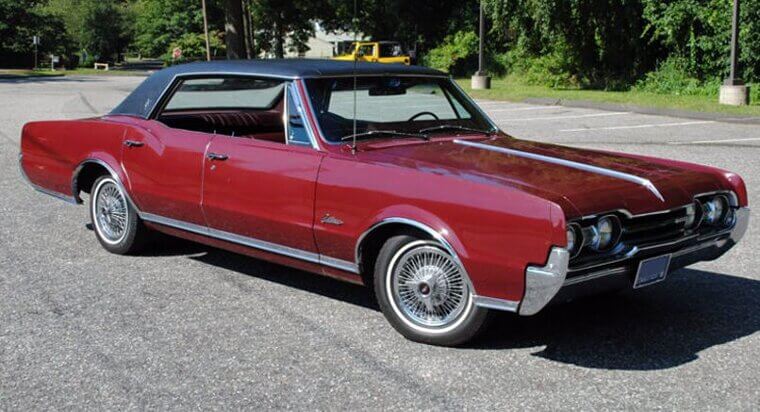
Oldsmobile sold over 500,000 Cutlass units in 1976 alone. GM's decision to badge-engineer the same body across five different divisions in the 1980s is widely cited as the beginning of the brand's long decline.
Plymouth Barracuda Before the Muscle Car Era
Before the Barracuda became a fire-breathing muscle car with a 426 Hemi, it started life as something much more modest — a fastback body bolted onto a Plymouth Valiant compact, launched two weeks before Ford's Mustang in April 1964. The early Barracuda was about style, not speed. A huge rear window defined the roofline, and the fold-down rear seat was genuinely innovative for 1964. It sold reasonably well but got overshadowed almost immediately by the Mustang's marketing blitz. The real Barracuda story wouldn't begin until the 1970 redesign gave it proper muscle car proportions.
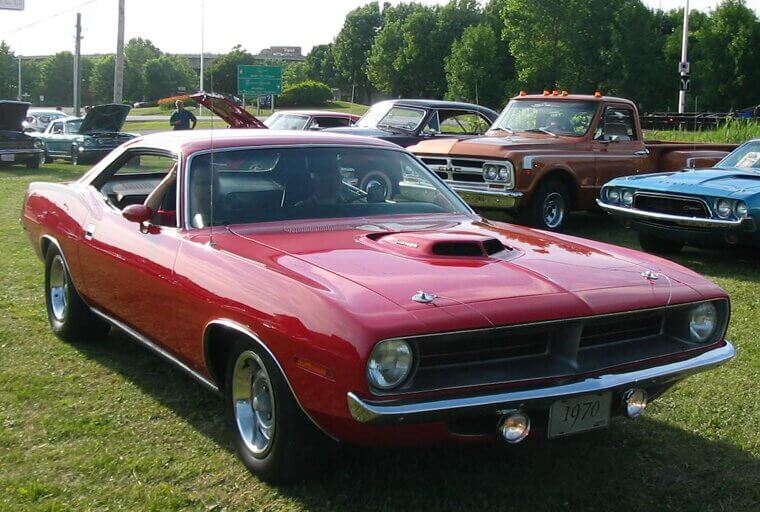
A 1970 Plymouth Barracuda convertible with the 426 Hemi is among the rarest and most valuable American muscle cars ever built — fewer than 14 were produced with that combination.
Checker: The Taxi That Everyone Recognized
Every city had them. Yellow, boxy, indestructible. The Checker Marathon served as New York City's iconic taxi for decades, but what most people didn't know was that Checker also sold the exact same car to regular civilians. You could walk into a Checker dealership in Kalamazoo, Michigan — where they were built — and drive one home. The company built cars for durability above all else: frames over-engineered, interiors designed to absorb punishment, mechanical components chosen for repairability. Checker stopped making cars in 1982, but examples were still working taxi duty well into the 1990s.
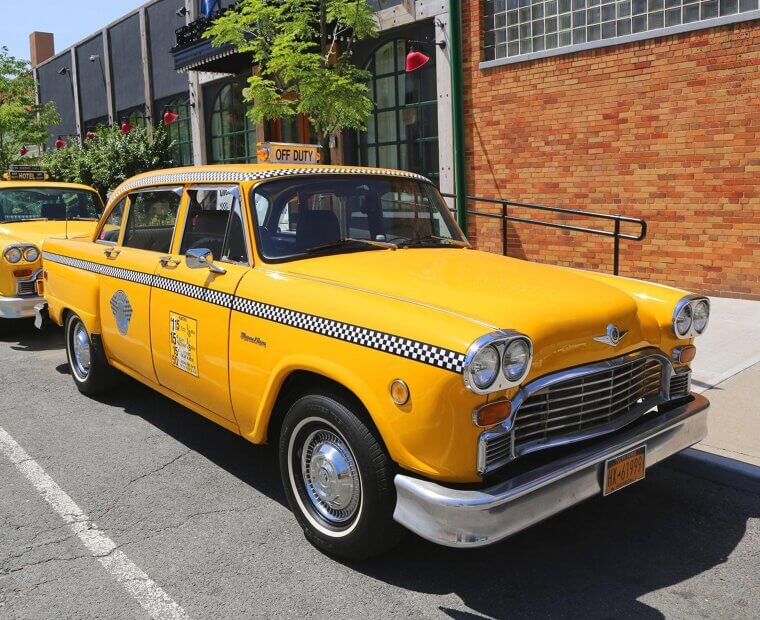
Checker Motors built roughly 8,000 cars per year at peak production — a tiny number by industry standards. The company survived not on volume but on a captive fleet market that eventually dried up.
Pontiac Firebird's Rivalry With the Mustang
This might be the most underrated rivalry in American automotive history. Ford had the Mustang. Pontiac had the Firebird. Both launched in 1967, both shared a platform, both chased the same buyer — and yet they felt completely different. The Firebird had a wider, more aggressive stance and a styling language that felt European in its sophistication. Through the 1970s, as the Mustang shrank and stumbled through the Mustang II era, the Firebird held its ground. The Trans Am version with the screaming chicken hood decal became a cultural icon in its own right.
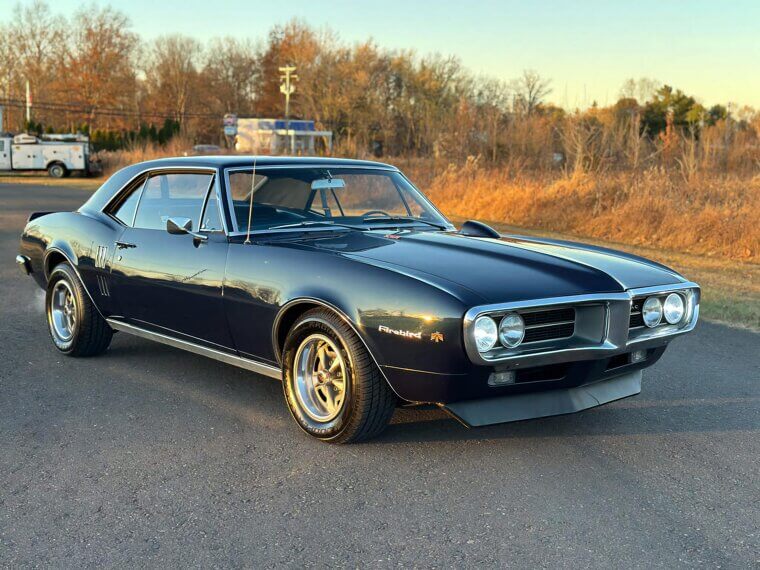
While Ford was selling the underpowered Mustang II in 1974-1978, Pontiac kept the Firebird genuinely muscular. That decision built loyalties that lasted for the rest of both cars' production runs.
Buick Riviera: The Coupe That Defined Cool
Buick introduced the Riviera in 1963 as a direct challenge to the Ford Thunderbird — a personal luxury coupe with genuine style and no pretense of being a sports car. Bill Mitchell's design team created something genuinely stunning: razor-edged body lines, a long hood, and a roofline that automotive historians still cite as one of the most beautiful ever drawn. The first-generation Riviera had no chrome excess, no tailfins, no gimmicks. Just proportion and confidence. It defined what American luxury could look like when designers were trusted to lead.
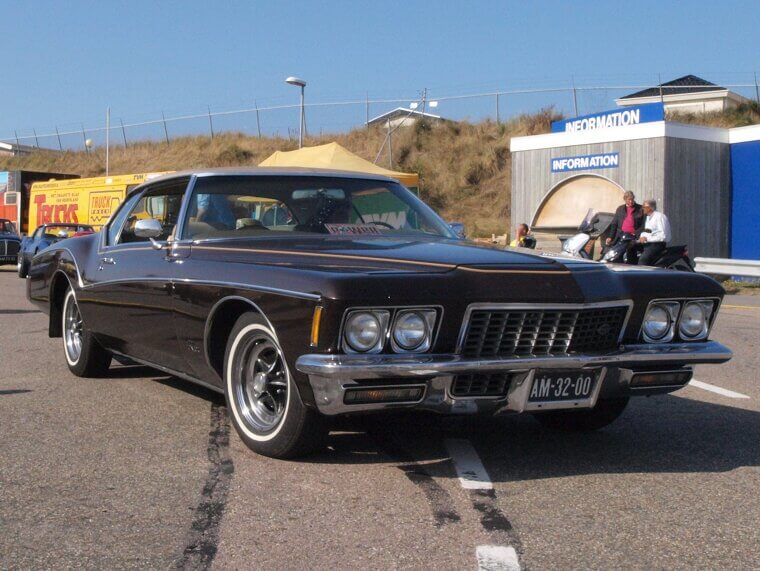
The 1963-1965 Riviera is consistently ranked among the top ten most beautiful American cars ever made. Concours-quality examples now sell for $60,000 to $90,000, with the 1965 Gran Sport commanding the highest premiums.
Kaiser-Frazer's Brief Postwar Ambition
Henry J. Kaiser had built Liberty Ships during World War II — 1,490 of them. He figured building cars couldn't be harder. In 1945, Kaiser and partner Joseph Frazer launched Kaiser-Frazer with genuine ambition: modern styling, affordable prices, and a new factory in Willow Run, Michigan. For two or three years, it actually worked. Kaiser-Frazer outsold established brands and introduced genuinely advanced styling. Then the Big Three retooled with new postwar designs, credit tightened, and Kaiser-Frazer couldn't keep pace. By 1955, Kaiser had retreated to making Jeeps in Argentina.
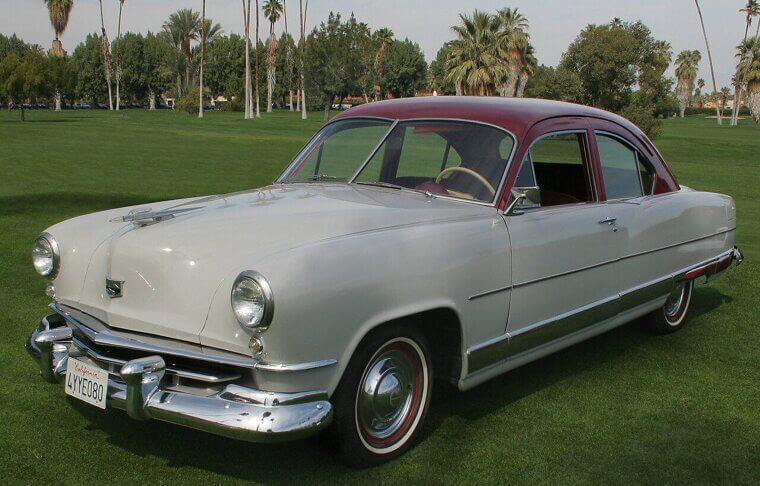
At its 1947 peak, Kaiser-Frazer sold over 144,000 cars — enough to rank among the top ten American automakers. Within five years, the company had essentially collapsed under competitive pressure from GM, Ford, and Chrysler.
AMC Pacer: Weird, Wonderful, and Wildly Loved
Ugly? Sure. Strange? Absolutely. But spend five minutes talking to someone who owned a Pacer and you'll understand why AMC sold 280,000 of them between 1975 and 1980. The wide, fishbowl-windowed hatchback was designed around a rotary engine that never materialized, forcing AMC to stuff a conventional inline-six into a body that wasn't quite built for it. The result was odd but oddly lovable — more glass area than almost any car of its era, a passenger door wider than the driver's door, and a personality that no other car on the road could match.
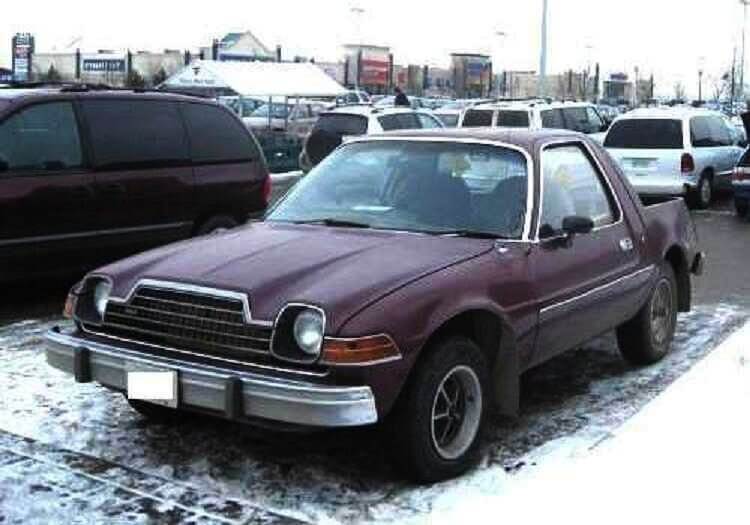
The Pacer's passenger-side door was four inches longer than the driver's door — designed to make rear-seat access easier. It's one of dozens of thoughtful details hidden inside a car the world dismissed as a joke.
Mercury Cougar: A Muscle Car With Style
Mercury launched the Cougar in 1967 riding the Mustang's momentum but deliberately positioned it as the more mature, more refined option. It was longer, heavier, better equipped, and styled with a sophistication the Mustang didn't attempt. In its first year, the Cougar outsold every other car in its segment except the Mustang itself. The GT-E version offered a 427 cubic-inch V8 — the same engine that won Le Mans — in a car that looked like it belonged at a country club. Mercury never quite figured out how to keep that identity sharp as the years went on.
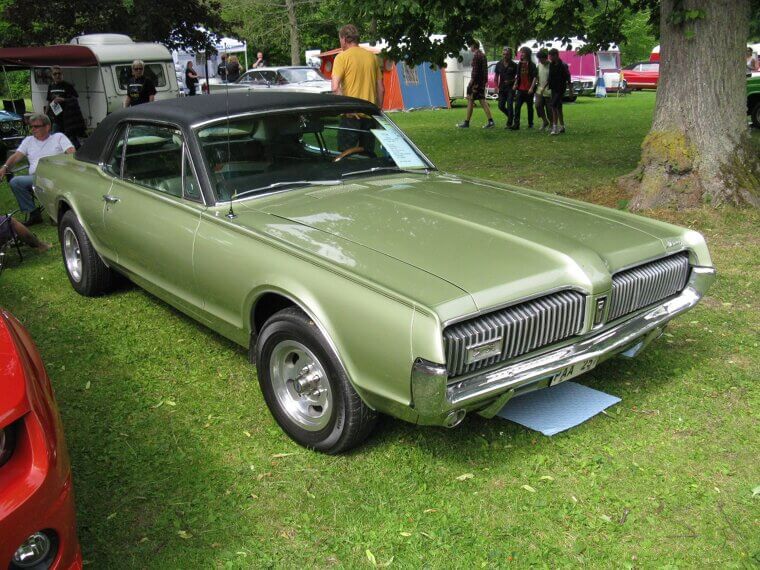
A 1968 Mercury Cougar GT-E with the 427 is extraordinarily rare — fewer than 400 were built. Finding one today means spending north of $100,000, assuming you can find one at all.
Oldsmobile 442: A Legend Among Muscle Cars
The numbers in the name told the story: 4-barrel carburetor, 4-speed manual, 2 exhaust. The 1964 Oldsmobile 442 started as a police pursuit package and accidentally became one of the most respected muscle cars in American history. Unlike some competitors that sacrificed everything for straight-line speed, the 442 was balanced — it handled, it stopped, and it went fast in a way that felt engineered rather than assembled. The W-30 forced-air induction package of 1966-1967 is particularly revered among collectors who understand what Oldsmobile's engineers were actually capable of.
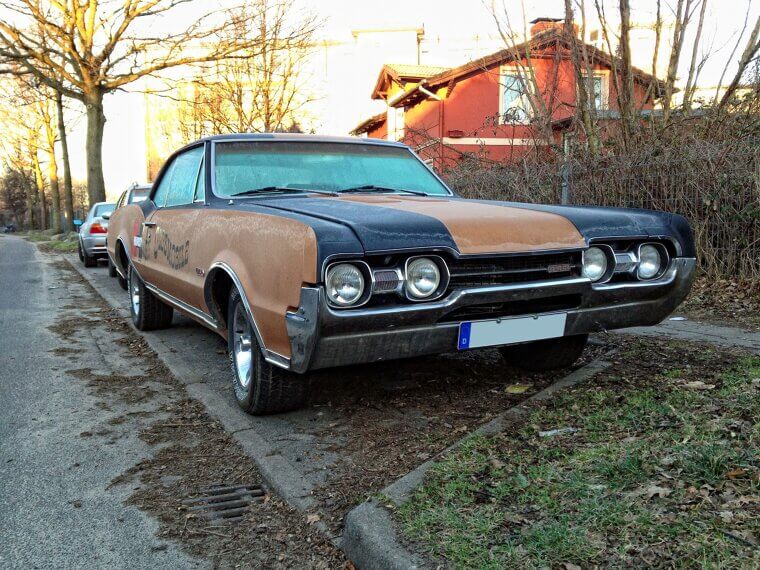
A documented 1970 Oldsmobile 442 W-30 convertible sold for $192,500 at Barrett-Jackson in 2019. The car Oldsmobile almost didn't build became one of its most valuable legacies.
Nash Rambler and the Rise of the Compact Car
Before the VW Beetle conquered America and before the Japanese imports arrived, there was the Nash Rambler — and it was making the same argument decades earlier. George Mason at Nash believed Americans would eventually want smaller, more economical cars. His competitors laughed. The 1950 Rambler was compact, efficient, and well-built, and it found buyers who appreciated the logic even if the styling wasn't glamorous. When fuel prices spiked and the Big Three scrambled to build compacts in the early 1960s, they were essentially following a path Nash had already mapped out.
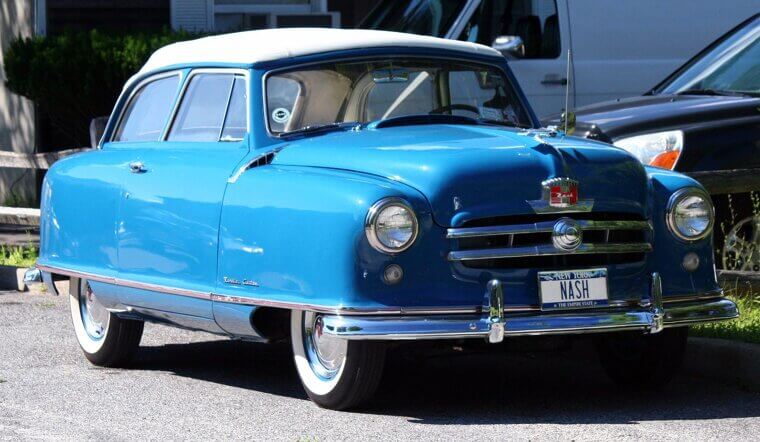
American Motors — formed from Nash and Hudson — sold the Rambler as its primary brand through the 1960s. It was consistently one of the top-selling American nameplates during the early compact car boom.
Plymouth Road Runner: Beep Beep and Gone
Beep beep. Plymouth licensed the Warner Bros. Road Runner character in 1968 for a flat fee of $50,000 and built a muscle car around the joke — cheap, fast, and stripped of luxury pretense. The horn literally went "beep beep." The formula was brilliant: take the mid-size Belvedere body, drop in a 383 V8, price it under $3,000, and watch buyers line up. Plymouth projected sales of 2,500 units. They sold 44,599 in the first year. The 426 Hemi option turned it into something genuinely dangerous. By 1975, emissions regulations and insurance costs had killed the concept entirely.
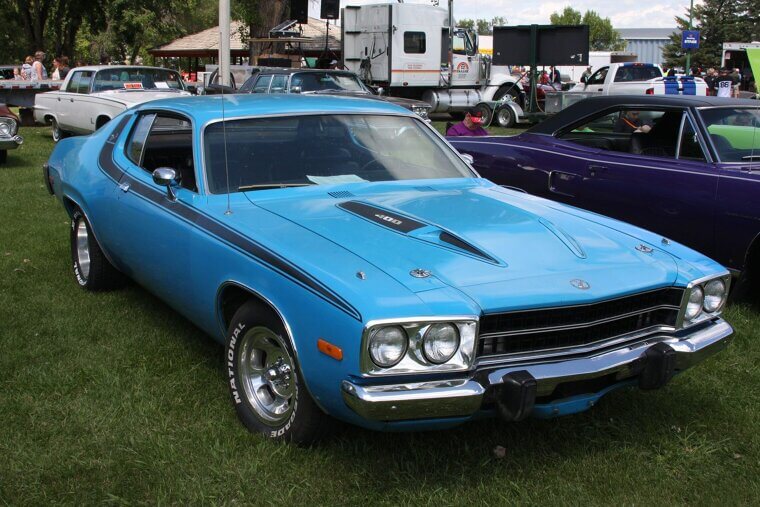
A 1969 Plymouth Road Runner with the 426 Hemi and four-speed manual is worth $150,000 to $250,000 today. The $50,000 licensing deal for a cartoon bird turned out to be one of the best investments in automotive history.
Studebaker Avanti: Too Ahead of Its Time
Studebaker's designers looked at everything being built in America in 1962 and decided to do the opposite. The Avanti had no chrome excess, no tailfins, no traditional American styling cues — just a clean, sculpted fiberglass body with a supercharged V8 that set 29 speed records at Bonneville. Designer Raymond Loewy created it in just 40 days at a rented house in Palm Springs. It was faster, better-looking, and more advanced than almost anything on the American market. Studebaker collapsed before the Avanti could save them. Independent producers kept building it under the Avanti name until 2006.
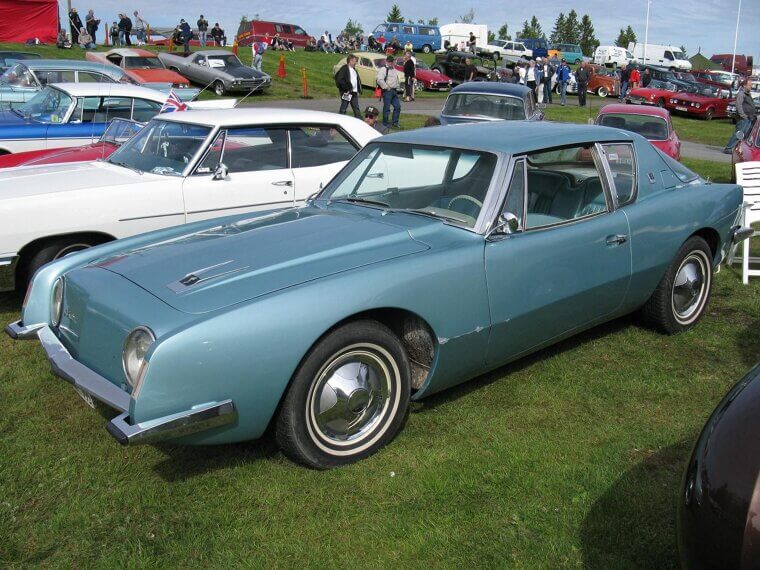
The Avanti outlasted Studebaker by more than 40 years under independent ownership. A first-year 1963 Studebaker Avanti R2 supercharged model in excellent condition now commands $40,000 to $65,000.
Willys and the Jeep That Started It All
Willys-Overland didn't invent the Jeep — the original military design came from Bantam — but Willys built most of them during World War II and had the foresight to trademark the name. When the war ended, returning soldiers wanted the same vehicle they'd trusted their lives to overseas, and Willys was ready. The CJ-2A launched in 1945 as the first civilian Jeep, essentially a military vehicle with a passenger seat and a tailgate. It established a template — rugged, simple, go-anywhere capability — that defines the Jeep brand to this day, even after Willys itself was absorbed by Kaiser and eventually Chrysler.
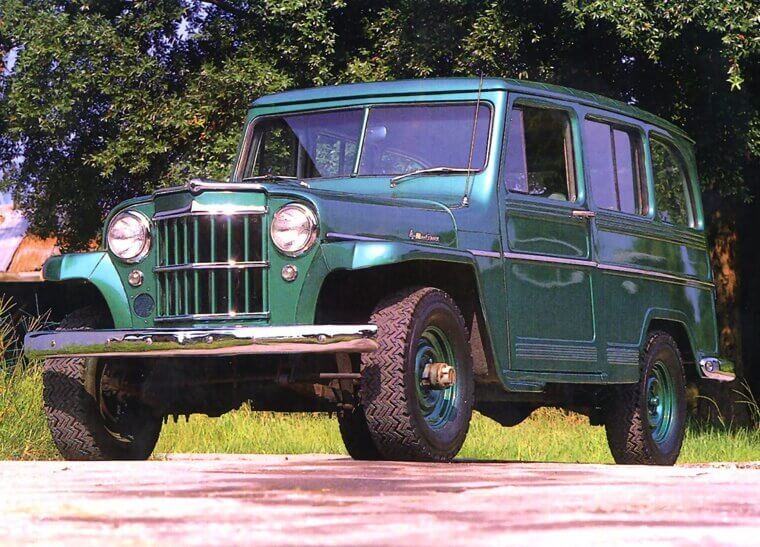
Willys built over 360,000 military Jeeps during World War II. The decision to immediately pivot that production to civilian sales was one of the shrewdest postwar business moves in American manufacturing history.
Saturn Vue and the SUV That Could Have Been
The Saturn Vue arrived in 2002 and did something unusual for an American compact SUV: it was genuinely good. Honda supplied a V6 engine for the top trim. The structure was solid, the interior was thoughtfully designed, and it sold well enough to justify optimism. GM kept promising investment in the Saturn lineup, kept delivering half-measures instead. By 2008, when a Penske-led group nearly purchased the entire Saturn brand, the Vue had real momentum. The deal collapsed at the last moment. GM killed Saturn in 2010, and the Vue went with it — a competent vehicle that deserved better corporate parents.
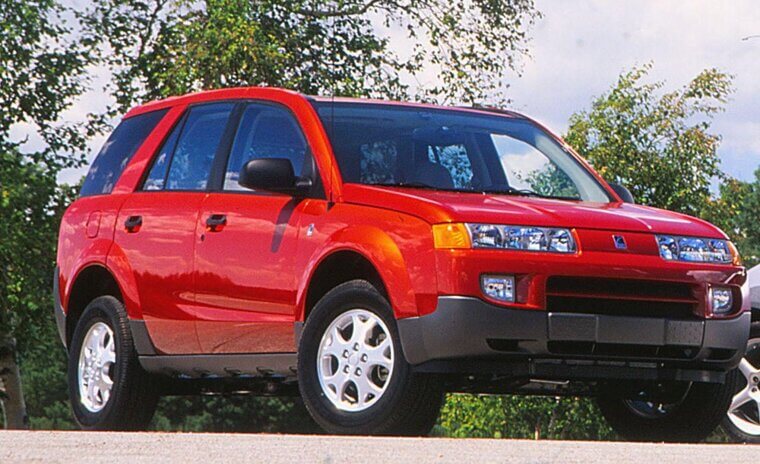
Saturn's potential Penske sale fell through in September 2009 when financing couldn't be secured. Thousands of Saturn employees and dealers who had held on through GM's bankruptcy lost everything within weeks.
Pontiac Trans Am's Hollywood Stardom
Burt Reynolds. A gold Trans Am. A case of Coors beer being smuggled across state lines. Smokey and the Bandit opened in 1977 and became the second-highest-grossing film of the year, behind only Star Wars. The 1977 Pontiac Trans Am with the Special Edition package — black paint, gold Firebird decal, T-tops — sold out almost immediately after the film's release. Pontiac had been struggling to justify the model's existence; Hollywood solved that problem overnight. The Trans Am became one of the most recognizable cars in American pop culture, and Pontiac rode that image for the next decade.
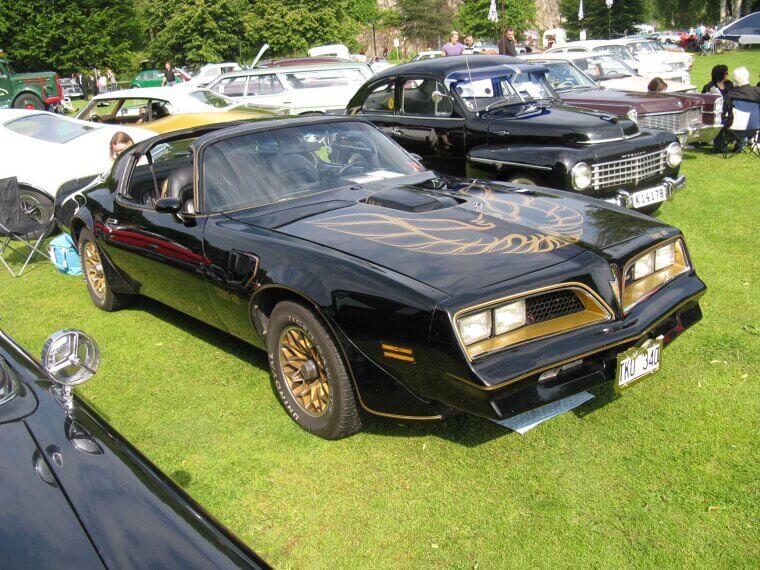
The original Bandit Trans Am used in filming sold at Barrett-Jackson for $550,000 in 2015. A standard 1977 Trans Am Special Edition in excellent condition brings $40,000 to $60,000 — not bad for a car that cost $5,456 new.
DeSoto Fins: When Bigger Was Always Better
By 1957, DeSoto's stylists had apparently decided that restraint was a form of failure. The fins grew. The chrome multiplied. The two-tone paint schemes became three-tone. The 1957 DeSoto Adventurer wore more decorative metalwork than a Victorian ballroom, and buyers absolutely loved it. This was the apex of American automotive excess — a cultural moment when bigger genuinely meant better and subtlety was considered a character flaw. DeSoto's fins that year were among the tallest on any production car, rivaling Chrysler's own 300 for sheer visual drama. Three years later, the brand was gone.
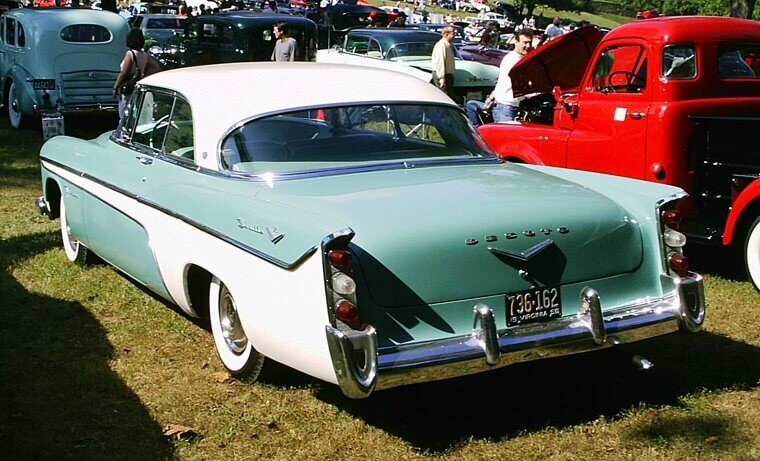
The late 1950s DeSoto styling was so extreme that it became a period reference point — when people picture 1950s American car excess, they're often picturing a DeSoto without knowing it.
Mercury Monterey: Cruising in Quiet Comfort
Mercury's Monterey occupied a particular slice of American life through the late 1950s and 1960s — the car for the man who wanted something better than a plain Ford but couldn't quite justify a Lincoln. It was comfortable in a specifically American way: soft suspension, wide seats, a V8 that burbled quietly at highway speeds. The Monterey convertible from 1963-1964 is particularly beautiful, with clean lines that avoided the chrome excess of earlier years. Mercury was always caught between Ford and Lincoln, never quite allowed to develop its own identity, and that institutional ambiguity eventually killed it in 2011.
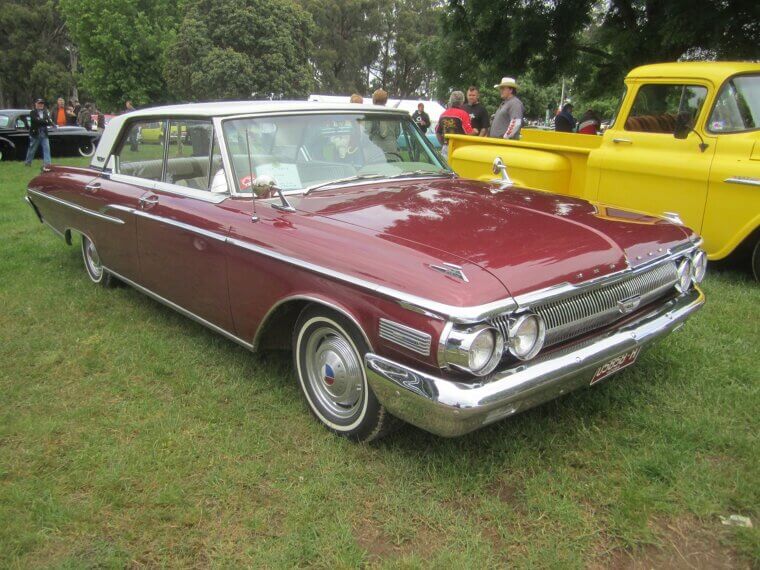
Mercury lasted 71 years, from 1938 to 2011, without ever clearly defining what it was for. The brand's perpetual identity crisis is a textbook case study in what happens when a nameplate exists to fill a price gap rather than serve a genuine need.
Crosley: The Tiniest American Car Ever Made
Powel Crosley made his fortune selling radios and refrigerators, then decided in 1939 to build the smallest, cheapest car America had ever seen. The Crosley weighed under 1,000 pounds, cost under $400, and got 50 miles per gallon when most Americans were paying 15 cents a gallon and didn't care. During wartime rationing, the Crosley briefly made sense. After the war, returning veterans wanted big cars and didn't look back. Crosley stopped making automobiles in 1952 after building about 80,000 total — fewer than Ford made in a single week. He went back to appliances.
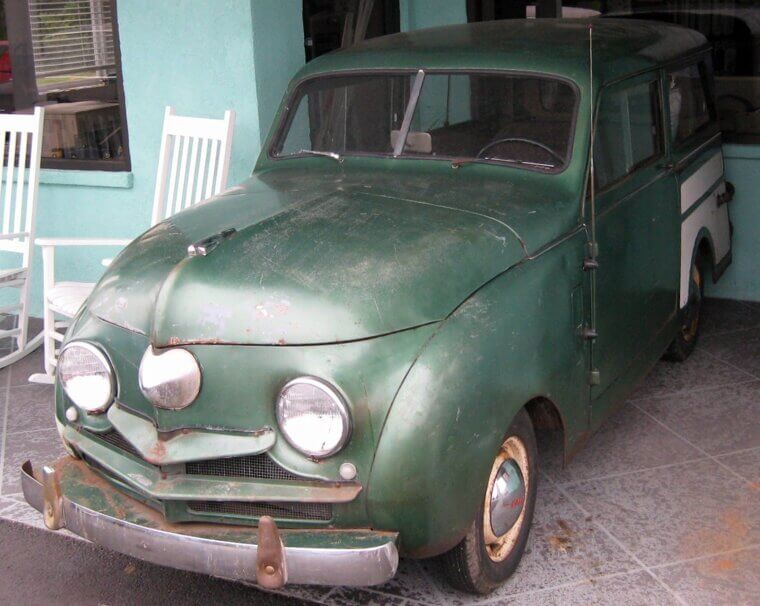
The Crosley Hot Shot roadster of 1950-1952 was arguably America's first postwar sports car — tiny, underpowered, but genuinely fun. A restored example today sells for $8,000 to $15,000, making it one of the most affordable pieces of American automotive history.
AMC Javelin's Underdog Story in Racing
AMC had no business competing in Trans-Am road racing. The company's entire annual budget was smaller than what Ford spent on racing in a single season. They showed up anyway. The AMC Javelin entered Trans-Am in 1970 with Mark Donohue driving for Penske Racing, and it won the manufacturer's championship in 1971 and 1972 — back-to-back titles against Mustangs, Camaros, and Challengers with far greater resources. The Javelin's Trans-Am success is one of the great underdog stories in American motorsport, accomplished by a company that was essentially fighting for its survival while winning races.
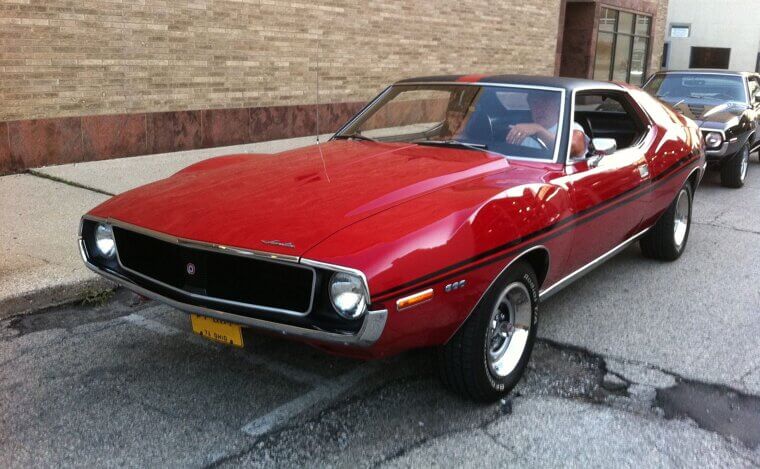
AMC spent roughly $1 million annually on Trans-Am racing. Ford and GM were spending 10 to 20 times that amount. The Javelin's consecutive championships against those odds remain one of the most remarkable achievements in American racing history.
Oldsmobile Delta 88: The Quintessential American Cruiser
From 1965 through the early 1980s, the Oldsmobile Delta 88 was the definitive American car — not the most exciting, not the most luxurious, but the most essentially American. It was big enough to feel substantial, smooth enough to feel refined, and priced correctly enough that a middle-class family could reasonably aspire to one. The 1970 Delta 88 with the 455 cubic-inch Rocket V8 made 365 horsepower in a car that weighed over 4,000 pounds and rode like a living room sofa. That combination of comfort and quiet power defined what millions of Americans wanted from an automobile.
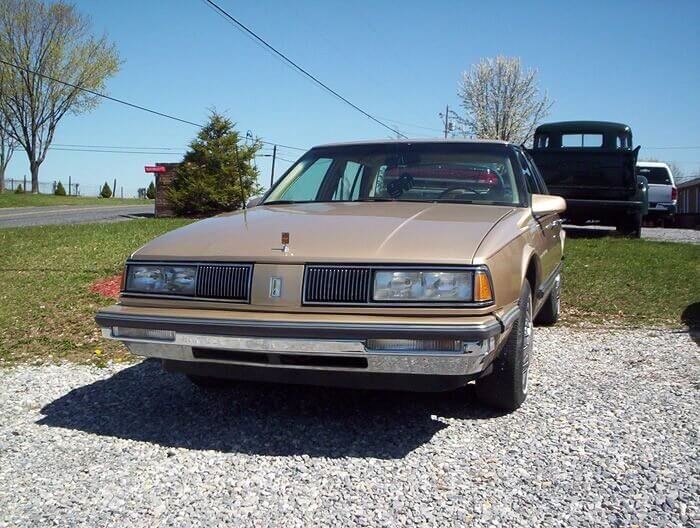
The Oldsmobile 455 Rocket engine is still celebrated by enthusiasts for its torque output — over 500 lb-ft in some configurations. In a full-size cruiser like the Delta 88, it delivered effortless acceleration that felt almost supernatural.
Pontiac Aztek: The SUV Everyone Loved to Hate
Here's the thing about the Pontiac Aztek: it was right about almost everything. Introduced in 2001, it offered a built-in air mattress for camping, a removable cooler, a tent that attached to the tailgate, and genuinely useful interior storage. The crossover SUV formula it pioneered is now the dominant vehicle type in America. The problem was purely visual — it looked like it had been designed by committee members who had never seen a car. Walter White drove one in Breaking Bad, which somehow both immortalized and confirmed its reputation. The Aztek was a correct idea in a deeply unfortunate body.
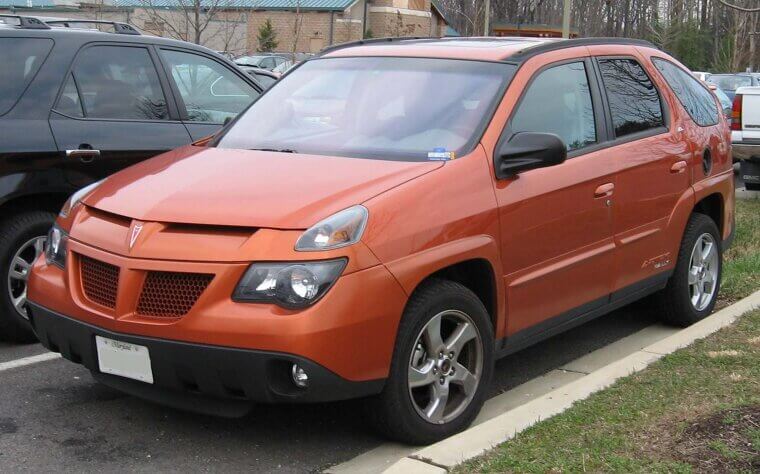
Breaking Bad's creators deliberately chose the Aztek to signal Walter White's pre-transformation mediocrity. The irony is that the show made the car iconic — Aztek prices actually rose after the series ended, because America learned to love the joke.