
Want to keep your car in tip-top shape, no matter how many messes, spills, or accidents you've had? Here's some tips and tricks on how to do that.
Check Tire Pressure Regularly for Better Fuel Economy
Maintaining the correct tire pressure is one of the most important aspects of everyday vehicle maintenance for any driver. When your tires are properly inflated, your car handles much better on the road, providing a noticeably smoother and safer ride for you and your passengers. Neglecting this simple task means your tires might wear out unevenly, forcing you to buy a brand new set long before you originally planned.
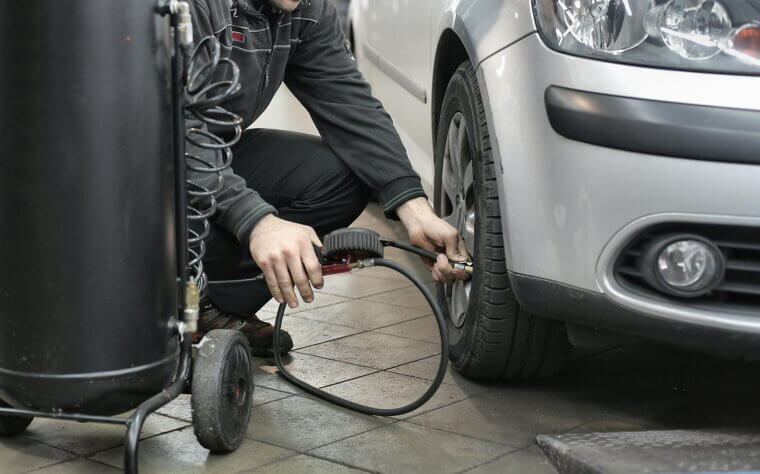
Underinflated tires reportedly decrease your overall fuel efficiency, meaning you will quietly waste extra money at the gas pump every week. Make it a simple monthly habit to check the pressure using a standard gauge, keeping your daily travels safe and economical.
Change Your Engine Oil Consistently on Schedule
Changing your engine oil on a consistent schedule is absolutely vital for the long-term health of your car's engine. The oil acts as a necessary lubricant for all the moving metal parts, preventing harmful friction and excessive heat from building up while you drive. If you skip too many oil changes, the old oil becomes thick and sludgy, which completely fails to protect the engine's delicate internal components.
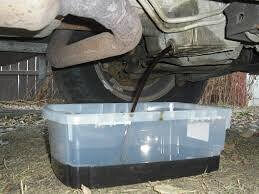
Delaying this routine service reportedly leads to severe mechanical breakdowns that can cost thousands of dollars to repair down the line. Always check your owner's manual for the correct mileage intervals and book an appointment with your trusted local mechanic today.
Replace Your Windshield Wiper Blades Every Single Year
Having clear visibility during unexpected rain showers is essential for feeling confident and secure behind the wheel. Over time, the rubber on your windshield wiper blades naturally dries out, cracks, and becomes stiff due to constant exposure to sunlight and changing weather conditions. When this happens, the blades will leave annoying streaks across the glass, making it incredibly difficult to see the road ahead. Worn-out wiper blades allegedly cause permanent scratches on your windshield if the metal frame scrapes against the glass.
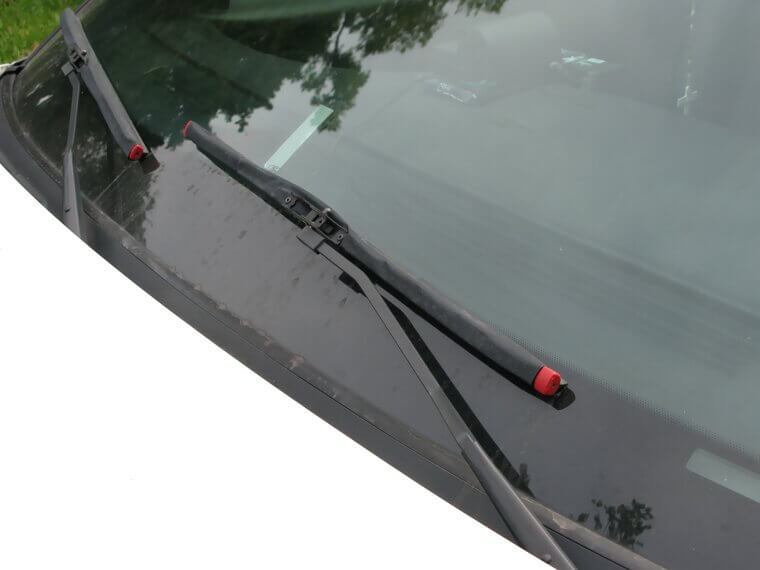
Replacing them once a year is an inexpensive and incredibly easy update you can usually do right in your own driveway without any special tools.
Wash the Exterior of Your Car Very Frequently
Washing your car regularly is about much more than just keeping it looking shiny and beautiful in your driveway. Dust, bird droppings, tree sap, and road grime can accumulate on the surface and slowly eat away at the protective clear coat over time. If left untreated, these common environmental contaminants reportedly cause permanent damage to the paint, leading to unsightly rust spots that diminish the value of your vehicle.
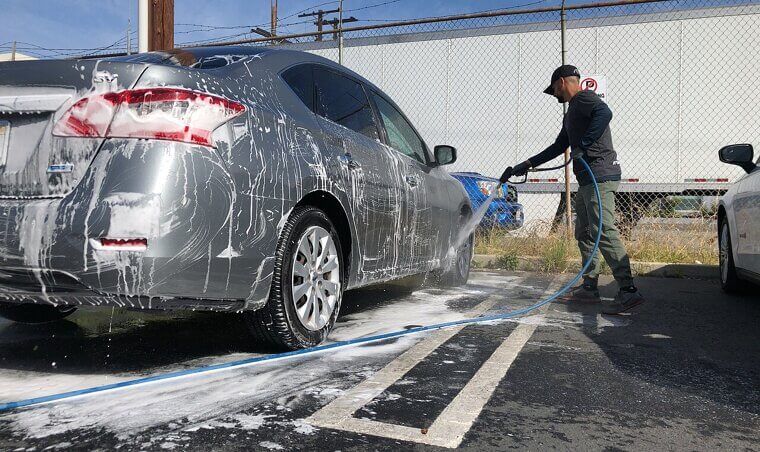
Taking a little time to run through a gentle car wash or hand washing it at home protects your investment wonderfully. Plus, driving a clean car just feels absolutely fantastic and brings a wonderful sense of personal pride.
Keep the Interior of Your Car Clean and Tidy
Maintaining a neat and organized interior makes every single trip to the grocery store or the park much more enjoyable. When clutter piles up on the floorboards or seats, it can easily become a frustrating distraction while you are trying to focus on driving. Dirt, crumbs, and spilled coffee can also sink into the upholstery and carpets, causing stubborn stains and unpleasant odors that are hard to remove.
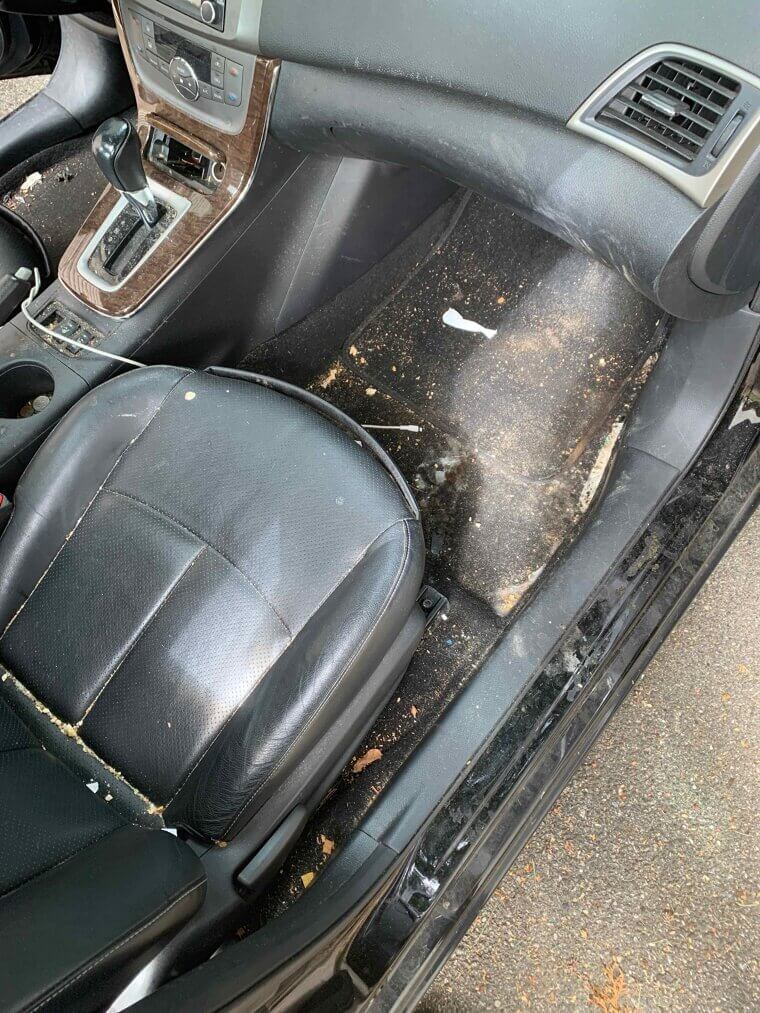
A messy cabin reportedly lowers the resale value of a vehicle significantly if the interior fabrics become permanently ruined. Take a few minutes each week to shake out the floor mats and wipe down the dashboard for a peaceful driving environment.
Always Check Your Engine Coolant Levels Before Trips
The engine coolant, also known as antifreeze, plays a critical role in regulating the temperature under your car's hood. Without the proper amount of coolant, your engine can easily overheat during a long drive, especially on warm summer afternoons. Overheating is incredibly stressful and can leave you stranded on the side of the road waiting for a tow truck. Driving with an overheated engine allegedly causes catastrophic internal damage that requires an entire engine replacement to fix.
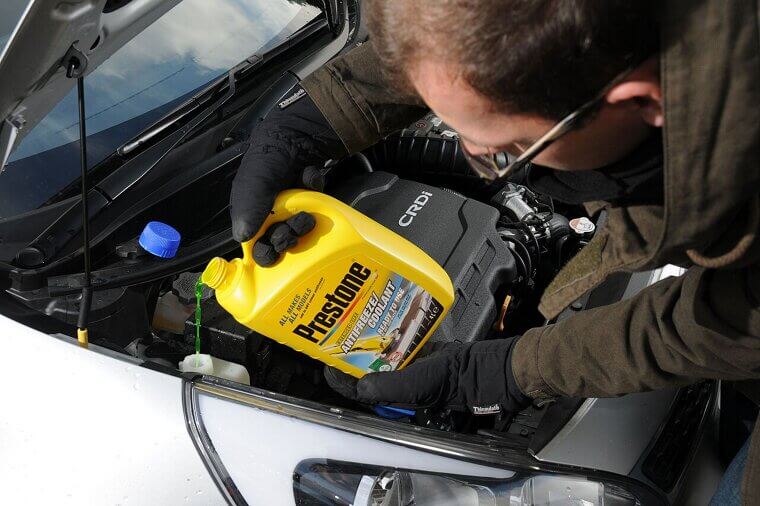
Simply glancing at the coolant reservoir tank while the engine is cool can give you wonderful peace of mind before you head out to visit family or friends.
Inspect and Replace Your Engine Air Filters Regularly
Just like us, your car's engine needs a steady flow of clean air to function properly and breathe easily. The engine air filter catches dirt, dust, and debris from the road before it can get inside and cause trouble. When this filter becomes clogged with gunk, your engine has to work much harder to pull in air, which reduces its overall performance. A dirty air filter reportedly decreases your gas mileage, forcing you to fill up your tank more often than you normally would.
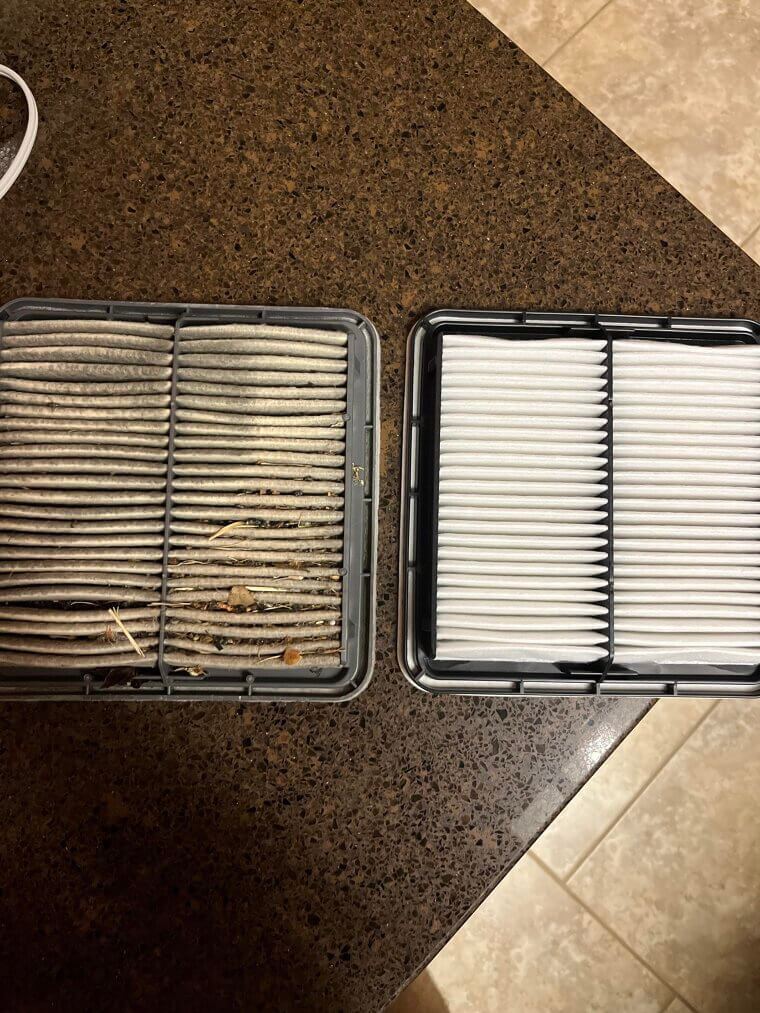
Having your mechanic check the filter during your regular oil change is a wonderfully simple way to keep your car running beautifully.
Test Your Car Battery at Least Twice a Year
There is nothing quite as frustrating as turning your key in the ignition and hearing absolutely nothing happen. Car batteries naturally lose their charging capacity over time, and extreme weather changes can heavily impact how well they perform. A weak battery might show early warning signs, like dim headlights or a sluggish engine crank, but sometimes it fails completely without any warning at all. Routine battery testing reportedly saves drivers from the unexpected stress and expense of emergency roadside assistance.
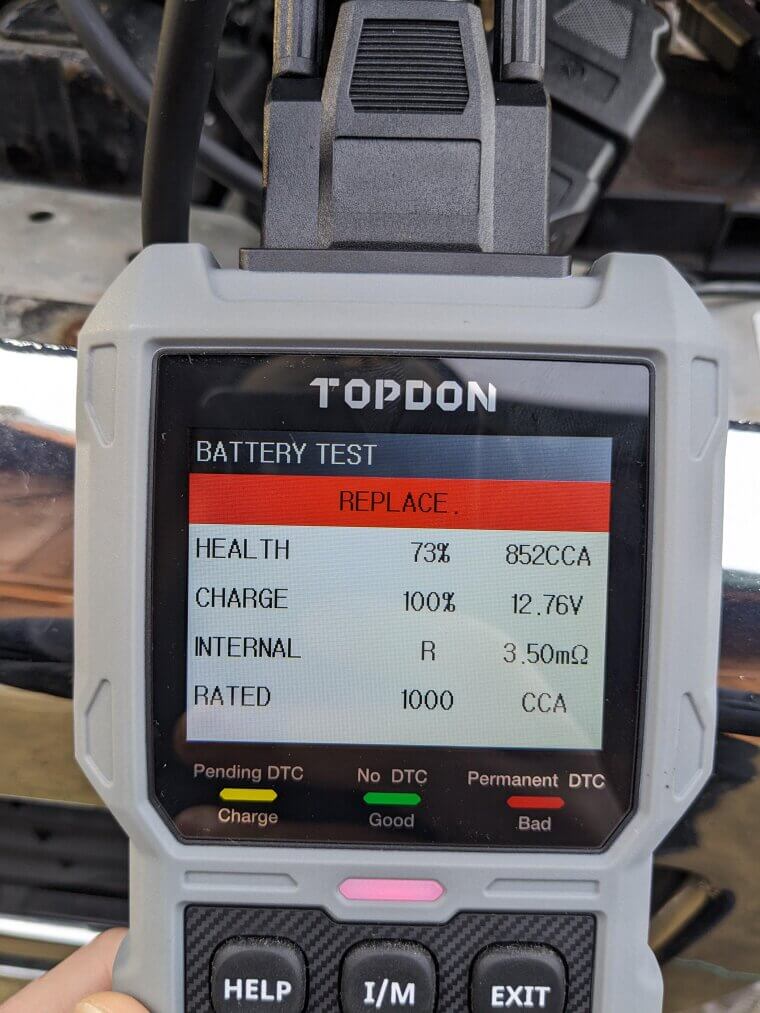
Next time you visit an auto parts store, ask them to quickly test your battery's voltage so you always know you can rely on your vehicle.
Never Ignore Your Dashboard Warning Lights When Driving
The brightly colored warning lights on your dashboard are your car's primary way of communicating that something needs immediate attention. While it might be tempting to ignore a glowing "check engine" light if the car feels fine, doing so can be a very costly mistake. These lights indicate a wide variety of issues, ranging from a loose gas cap to a serious malfunction in the transmission.
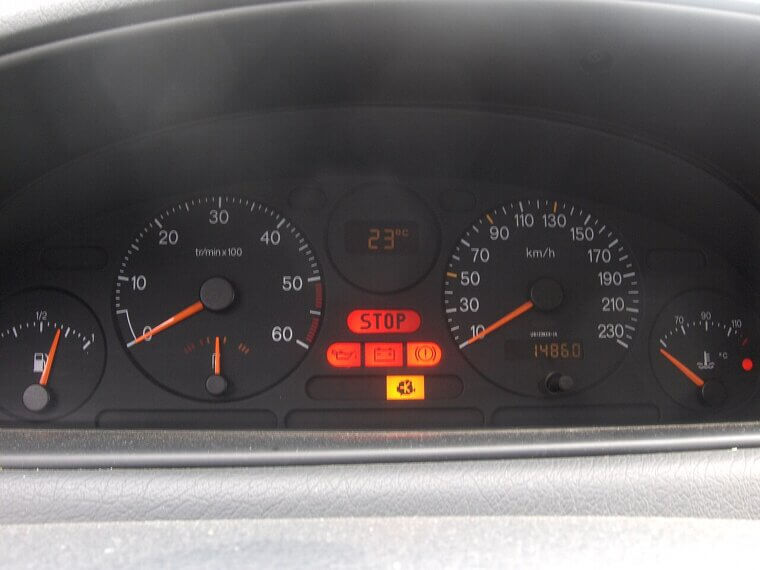
Ignoring these helpful warnings allegedly leads to much more extensive and expensive repairs than if the issue was addressed right away. Always consult your owner's manual to understand what each specific light means, and schedule a diagnostic check promptly.
Rotate Your Tires to Ensure Even Tread Wear
Tire rotation is a simple maintenance step that involves moving your tires from one position on the car to another. Because the front tires carry the heavy weight of the engine and handle the steering, they tend to wear out much faster than the rear ones. By rotating them regularly, you ensure that all four tires wear down at the exact same rate over time.
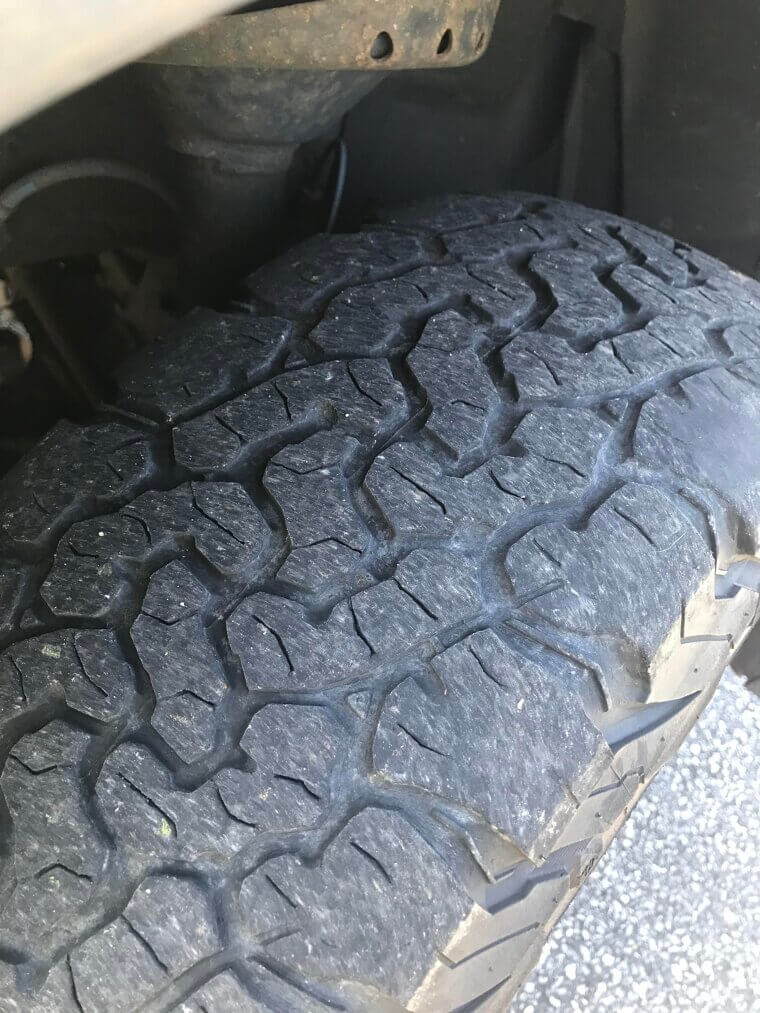
Skipping this service reportedly cuts the lifespan of your tires in half, meaning you will have to replace them much sooner. Having your tires rotated every time you get an oil change is an incredibly easy way to maximize your investment.
Check Brake Fluid Levels for Optimal Stopping Power
Your brake system relies entirely on brake fluid to transfer the pressure from your foot on the pedal to the wheels. If the fluid level drops too low, or if it becomes contaminated with moisture, your brakes will feel soft and spongy when you press down. This can significantly increase the distance it takes for your car to come to a complete and safe stop.
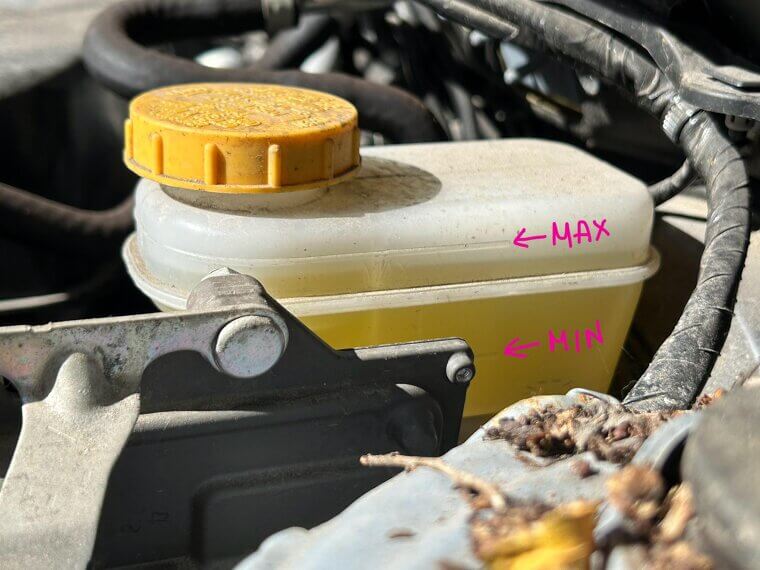
Driving with old or insufficient brake fluid reportedly causes brake failure, which is a terrifying situation no driver ever wants to experience. Have a professional check the fluid level and condition annually to ensure you always have maximum stopping power.
Pack a Well-Stocked Emergency Kit in Your Trunk
Being prepared for the unexpected gives you incredible peace of mind every time you pull out of your driveway. A basic emergency kit should include items like jumper cables, a brightly colored flashlight, extra batteries, a warm blanket, and some bottled water. If you ever experience a flat tire or a dead battery in an unfamiliar area, having these simple tools on hand makes a world of difference.
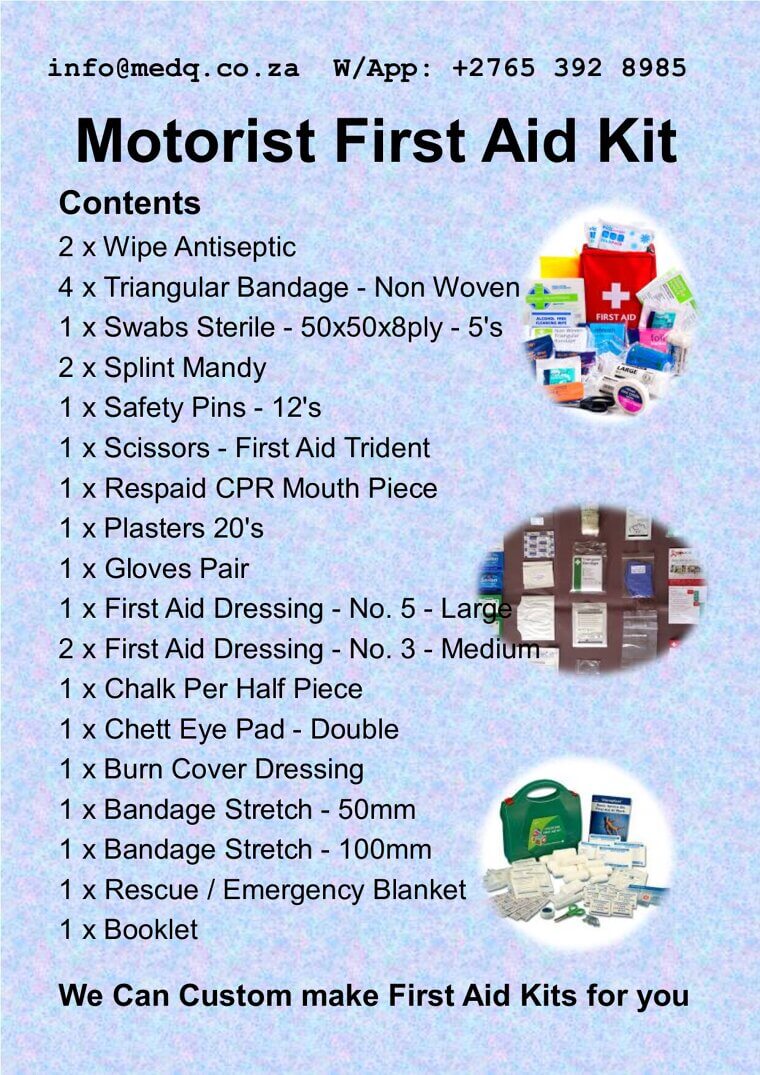
Being unprepared during a roadside breakdown reportedly causes severe unnecessary stress, especially if you are waiting a long time for help to arrive. Put together a small kit this weekend so you are always ready for anything the road brings.
Park in the Shade to Protect the Exterior
The sun's powerful ultraviolet rays can do a surprising amount of damage to both the inside and outside of your vehicle. Constant exposure to direct sunlight causes the exterior paint to fade and the protective clear coat to slowly peel away. Inside the cabin, the intense heat can cause your dashboard to crack and your lovely upholstery fabrics to become brittle and discolored. Sun damage reportedly lowers the overall aesthetic value of a car significantly, making it look much older than it actually is.
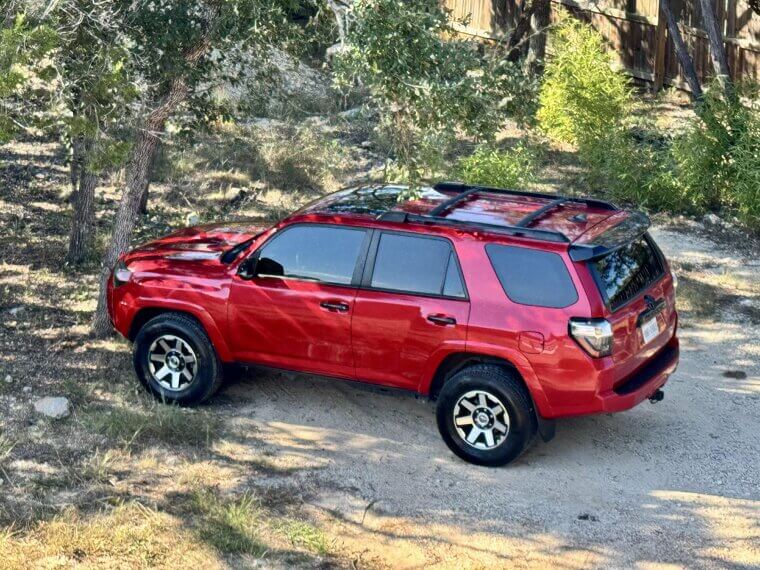
Whenever possible, try to park under a tree, in a garage, or use a sunshade to protect your lovely car.
Listen Carefully for Strange Noises While Driving
Your car often tells you when something is wrong long before a dashboard light ever comes on. If you hear squealing when you brake, a rhythmic clunking over bumps, or a high-pitched whining from the engine, pay close attention. These unusual sounds are early indicators that a specific part is wearing out or needs to be properly lubricated. Ignoring strange noises allegedly allows minor mechanical issues to turn into major systemic failures that are incredibly complicated to fix.
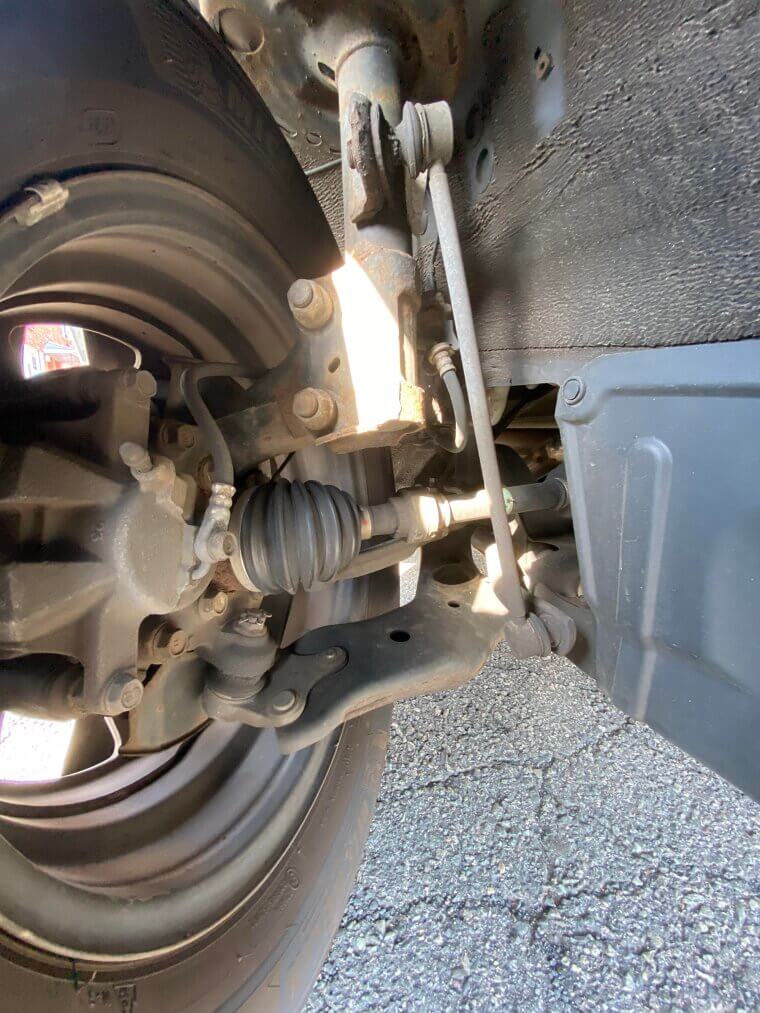
Turn down the radio occasionally and just listen to how your car sounds; catching a problem early is the best way to save time and money.
Check the Transmission Fluid for Smooth Gear Shifts
The transmission is one of the most complex and expensive components in your entire vehicle, and it relies heavily on clean fluid. Transmission fluid cools and lubricates the internal gears, allowing your car to shift smoothly as you accelerate down the highway. If the fluid gets too low or terribly dirty, you might notice your car hesitating, slipping out of gear, or shifting very roughly.
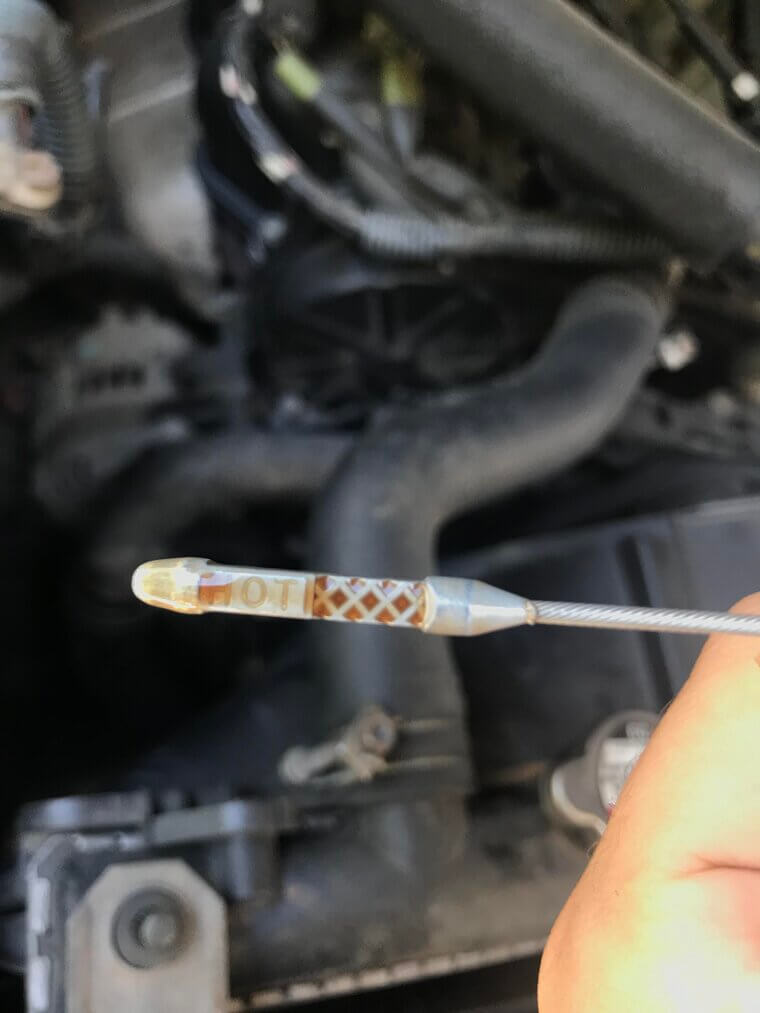
Driving with degraded transmission fluid reportedly ruins the entire system, leading to a massive repair bill that nobody wants to deal with. Have your mechanic check the color and level of the fluid periodically to keep your car driving effortlessly.
Clean Your Headlights to Maintain Nighttime Visibility
Over the years, the clear plastic lenses covering your headlights can become cloudy, yellowed, and hazy from oxidation and road debris. This foggy layer significantly blocks the light coming from the bulbs, making it very difficult to see the road clearly at night. Reduced visibility makes driving in the dark much more stressful and decreases your ability to spot obstacles or pedestrians. Driving with foggy headlights reportedly reduces your night vision by up to fifty percent, which is a completely avoidable hazard.
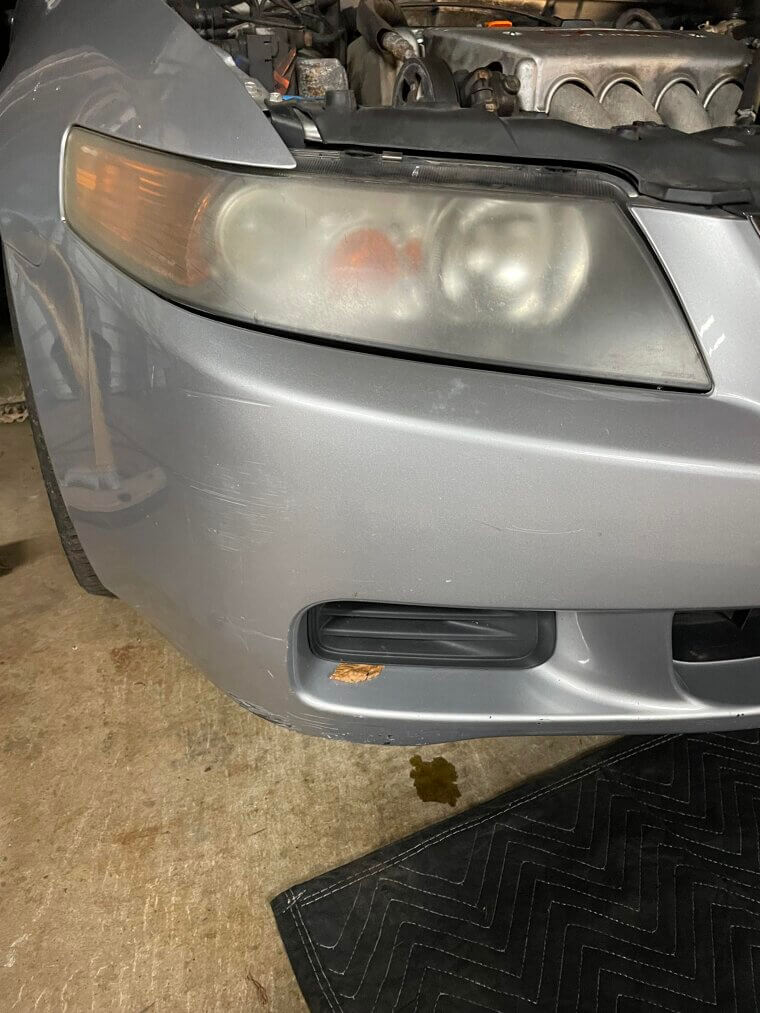
You can easily restore them using an inexpensive cleaning kit from the auto store, instantly brightening your path and making nighttime driving comfortable again.
Apply Car Wax Regularly to Protect the Paint
Waxing your car is like applying a generous layer of sunscreen to your own skin before a long day outside. A good quality wax creates a wonderful protective barrier over the paint, defending it against harsh UV rays, acidic bird droppings, and winter road salt. Not only does it protect the exterior, but it also gives your car a beautiful, showroom-quality shine that makes it look absolutely fantastic.
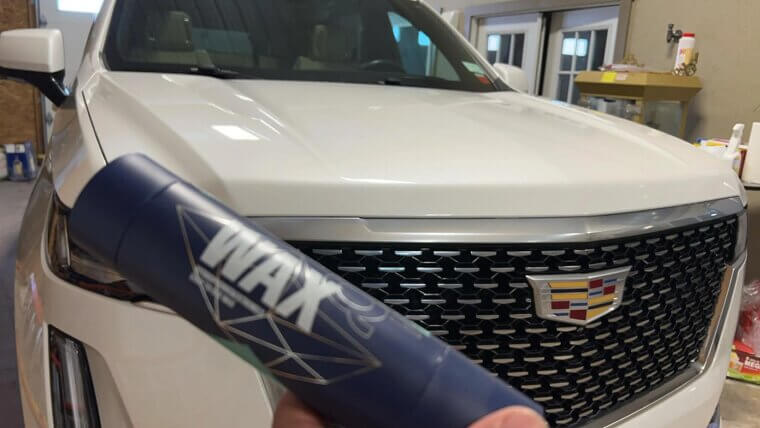
Neglecting to wax your car reportedly leaves the clear coat entirely vulnerable to peeling, which can make the vehicle look incredibly worn out. Treat your car to a gentle wax every few months to keep it looking brand new.
Replace Old Spark Plugs for Better Engine Performance
Spark plugs are tiny but mighty components that ignite the mixture of fuel and air inside your car's engine cylinders. When spark plugs get old and covered in carbon buildup, they struggle to create a strong spark, which throws off the engine's rhythm. You might notice your car idling very roughly, struggling to accelerate quickly, or simply using a lot more gas than usual. Driving with faulty spark plugs reportedly damages the catalytic converter, which is an extremely expensive part of the exhaust system.
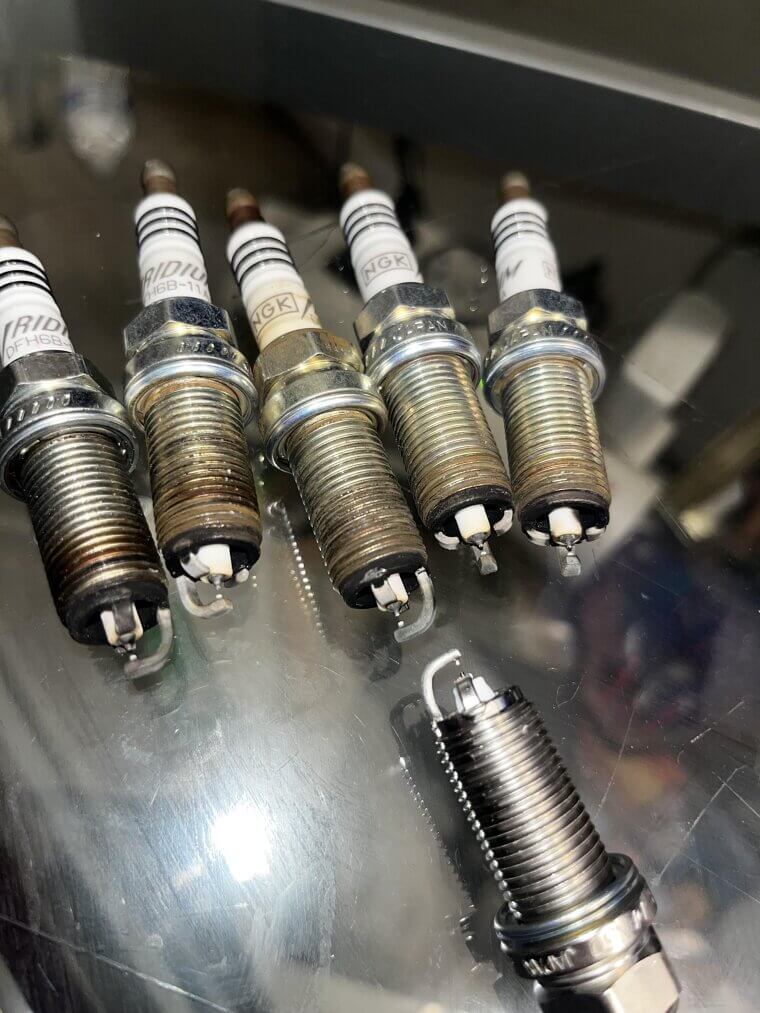
Check your maintenance schedule to see when they are due for a change, and enjoy a much smoother, peppier ride.
Keep Your Gas Tank at Least a Quarter Full
It can be quite tempting to drive your car until the low fuel light comes on before finally stopping at the gas station. However, the electric fuel pump inside your tank relies on the gasoline itself to stay cool and properly lubricated. When you constantly drive on empty, the pump can easily overheat and wear out much faster than it was designed to. Replacing a broken fuel pump reportedly costs hundreds of dollars and requires a significant amount of labor at the repair shop.
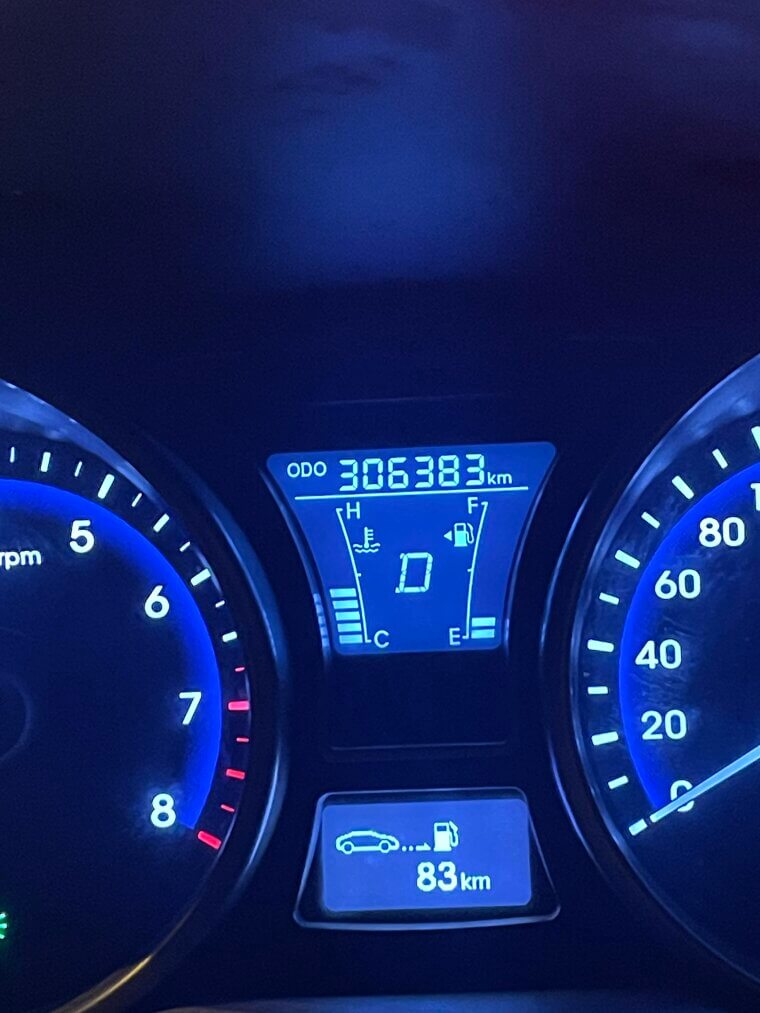
Make it a simple personal rule to fill up when you hit a quarter tank to keep everything running cool and happily.
Drive Smoothly and Gently to Save Your Brakes
The way you drive on a daily basis has a massive impact on how long your car's parts will actually last. Aggressive driving habits, like slamming on the gas pedal and then braking forcefully at every red light, put enormous stress on the vehicle. This kind of driving quickly wears down your brake pads and heavily strains the transmission and suspension systems. Smooth driving allegedly extends the life of your brake pads by several years, saving you countless trips to the mechanic.
Anticipate stops early, coast when possible, and treat your pedals gently for a relaxing drive that treats your beloved car wonderfully well.
Lubricate Door Hinges to Prevent Annoying Squeaks
There are few things more mildly irritating than a car door that squeaks loudly every single time you open or close it. Over time, the factory lubrication on the door hinges, hood latch, and trunk mechanism dries up and washes away in the rain. This leads to annoying metal-on-metal friction that not only sounds terrible but can also make the doors harder to operate comfortably.
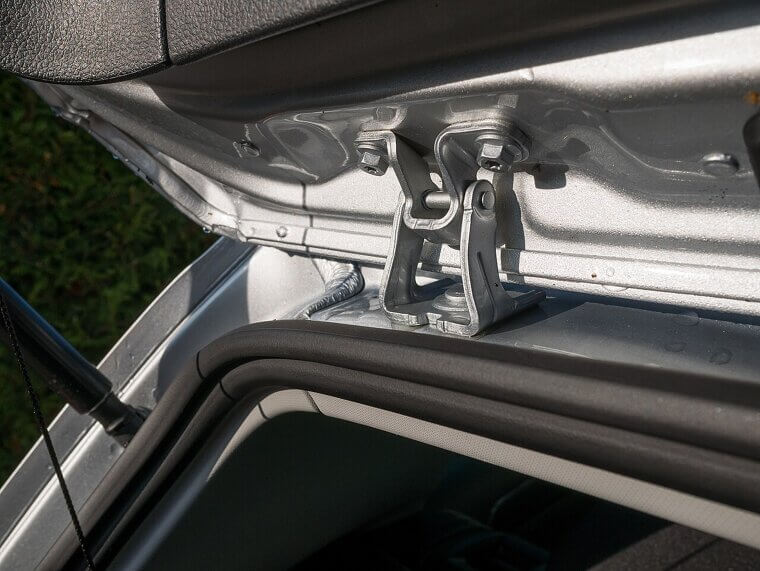
Unlubricated hinges reportedly rust completely solid over time, causing the door handle mechanisms to break from the extra pulling force. A quick spray of white lithium grease on the hinges every few months keeps everything moving quietly and effortlessly.
Inspect Serpentine Belts for Cracks and Fraying
The serpentine belt is a long, continuous rubber belt that powers multiple important accessories in your engine, including the alternator and water pump. Because it is made of rubber and exposed to constant high engine heat, the belt will eventually crack, fray, and stretch out over time. If this vital belt snaps while you are driving, your car will immediately lose power steering and the engine will rapidly overheat.
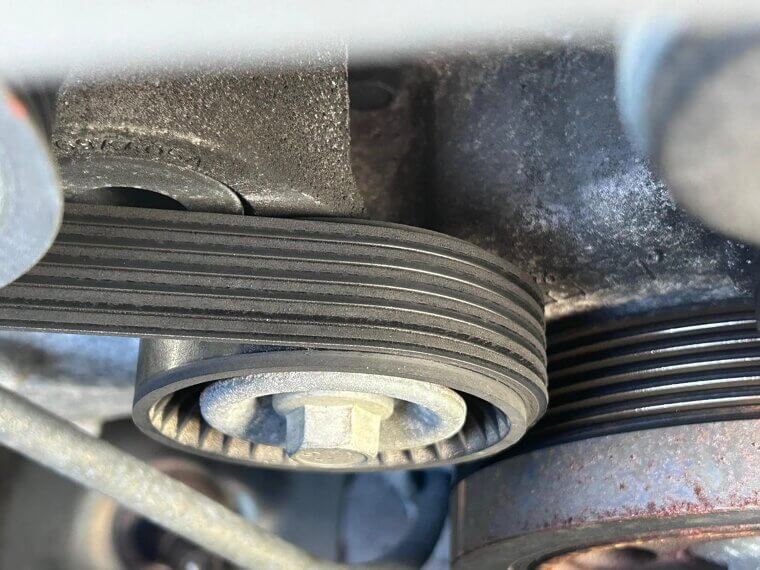
A snapped belt allegedly leaves drivers completely stranded in incredibly dangerous traffic situations without any warning whatsoever. Ask your mechanic to visually inspect the belt for wear and tear so you can replace it before it breaks.
Check Power Steering Fluid for Effortless Turning
Power steering is a wonderful modern luxury that makes turning your steering wheel feel incredibly light and perfectly effortless. This system relies on a special hydraulic fluid to do the heavy lifting when you maneuver into tight parking spaces or turn sharp corners. If the fluid level drops due to a small leak, you will suddenly find the steering wheel incredibly heavy and difficult to turn.
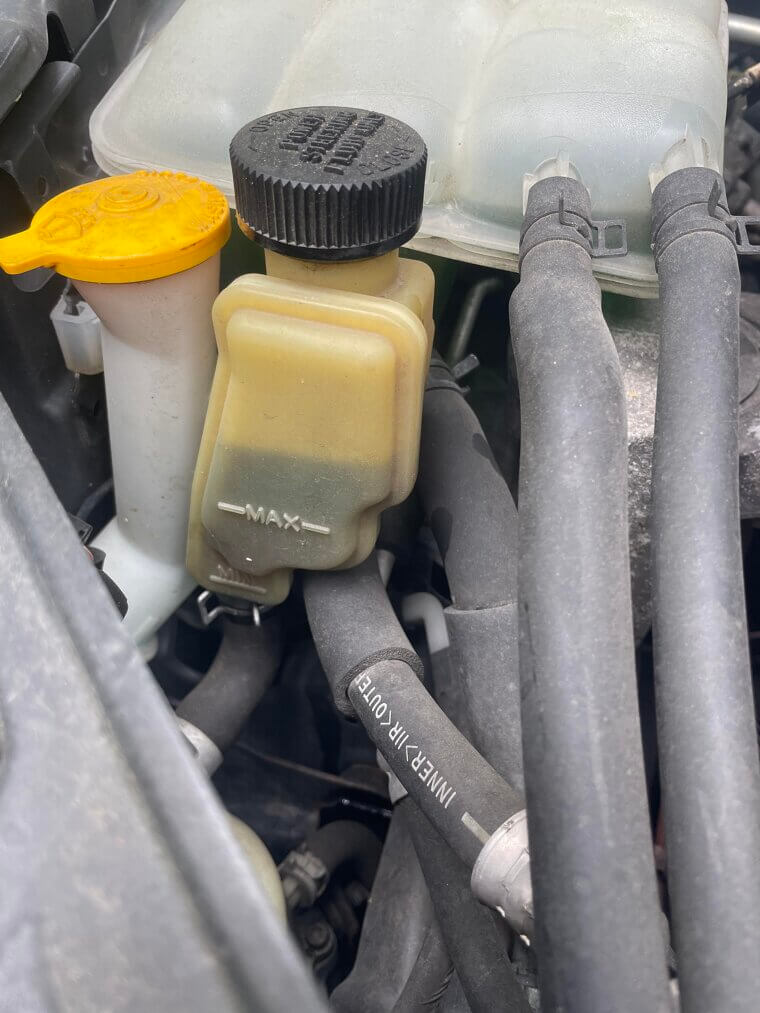
Ignoring low fluid levels reportedly burns out the power steering pump entirely, which is a very frustrating and costly mechanical failure. Peeking at the clearly marked fluid reservoir periodically ensures you can always steer with ease and comfort.
Clean Your Windshield from the Inside Frequently
Most people remember to wash the outside of their windshield, but the inside surface is just as important for maintaining perfect visibility. Over time, a hazy film builds up on the interior glass, caused by dust, condensation, and the natural off-gassing of the plastic dashboard materials. This film creates terrible glare when driving towards the sun or when facing oncoming headlights at night, which is incredibly distracting.

A dirty interior windshield allegedly causes significant eye strain for older drivers who are simply trying to focus on the road. Wiping the glass with a microfiber cloth and standard glass cleaner completely eliminates this annoying glare instantly.
Rust-Proof the Undercarriage if You Live in Cold Climates
If you live in an area that sees snow and ice during the winter months, road salt is your car's absolute worst enemy. While salt melts the ice to keep the roads safe, it severely attacks the exposed metal on the underside of your vehicle. Over a few seasons, this can lead to massive rust problems that eat away at the frame, exhaust system, and vital suspension components.
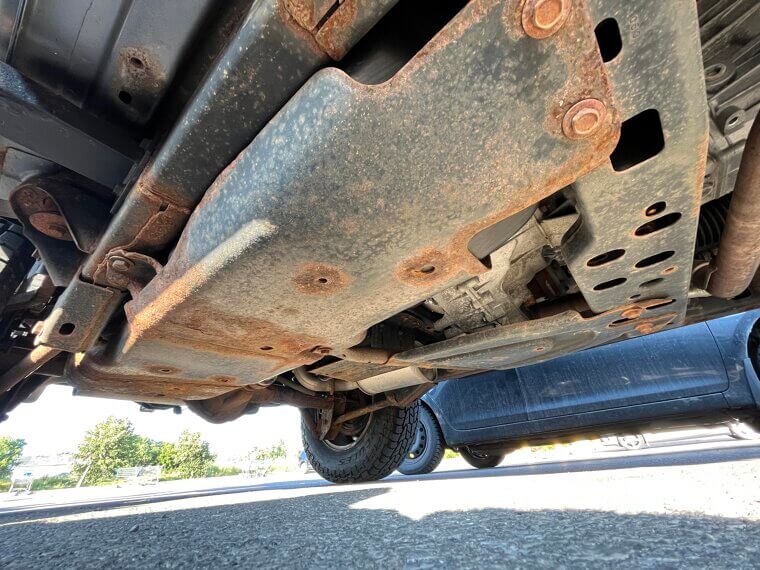
Severe rust damage reportedly renders older vehicles entirely undrivable and unpassable during state safety inspections. Having a professional apply a rust-proofing undercoating treatment before winter arrives adds years of wonderful life to your cherished automobile.
Use Your Parking Brake Regularly to Keep It Working
Many drivers who drive automatic vehicles never bother to use their parking brake, relying entirely on the transmission to hold the car in place. However, the parking brake is operated by a series of metal cables that run underneath the car, and they need to move to stay healthy. If you never use it, these cables can quickly rust and freeze completely solid from lack of normal everyday movement.
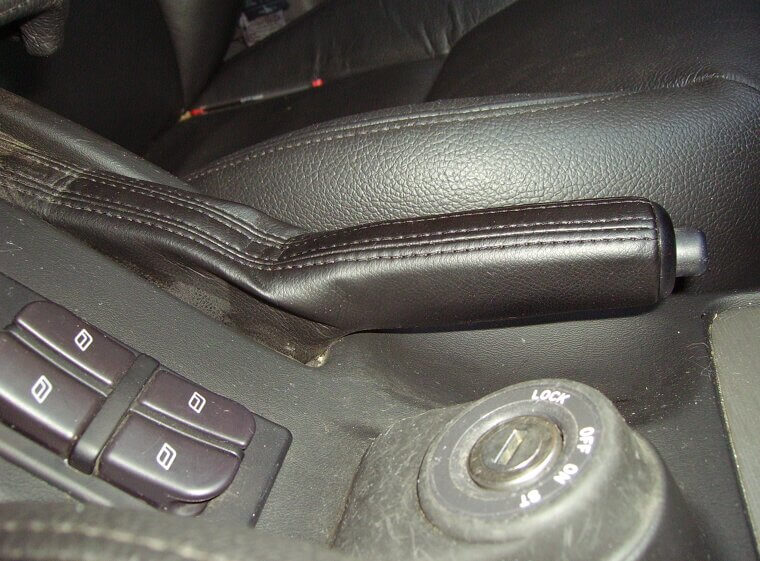
A frozen parking brake reportedly fails entirely during the one steep-hill emergency situation where you actually really need it. Engaging the brake even on flat surfaces keeps the cables properly tensioned and working beautifully for years.
Let the Engine Warm Up Slightly in Cold Weather
When the temperature drops significantly during the winter months, your car's engine oil becomes thicker and moves a little bit slower. If you start the car and immediately drive away at high speeds, the oil hasn't had a chance to fully coat all the moving parts. This lack of initial lubrication causes unnecessary wear and tear on the engine's internal components during those first few miles.
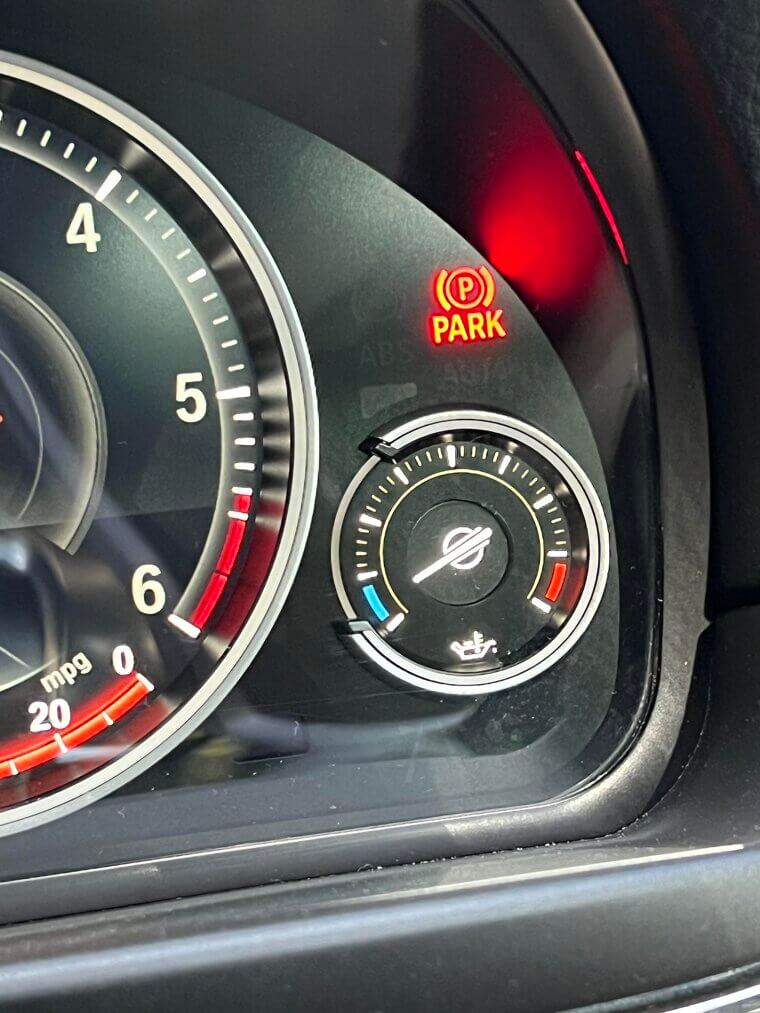
Driving a freezing cold engine aggressively reportedly shaves miles off the overall lifespan of the vehicle's intricate internal machinery. Giving the car just thirty to sixty seconds to idle before driving away gently ensures everything is perfectly lubricated and ready.
Check Wheel Alignment to Keep Your Car Driving Straight
If you find yourself constantly adjusting the steering wheel just to keep your car driving in a straight line, your alignment is likely off. Hitting a large pothole or accidentally bumping a curb can easily knock the wheels out of their proper, factory-set position. Driving a car with bad alignment causes the tires to drag slightly, which makes the vehicle feel unstable and a bit wobbly at higher speeds.
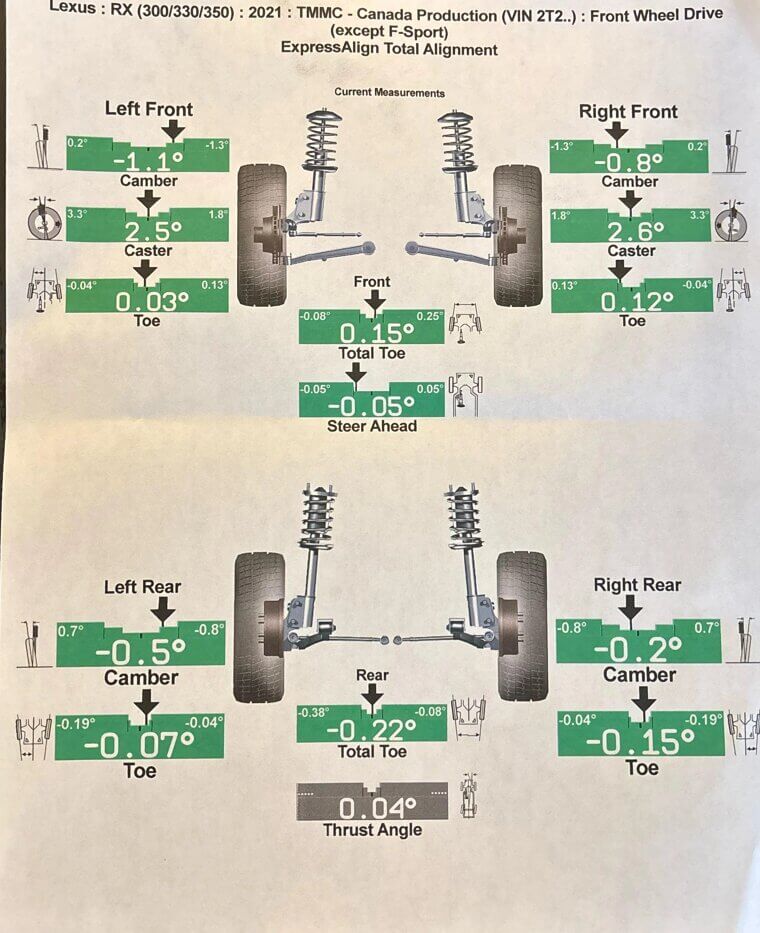
Poor alignment reportedly ruins a brand new set of tires in just a few short months due to the aggressive, uneven scraping on the pavement. A quick professional alignment check will make your car feel incredibly smooth and perfectly balanced again.
Carry a Portable Tire Inflator in the Trunk
Discovering a slightly flat tire when you are out running errands is a massive annoyance that can easily ruin your entire afternoon. Finding a gas station with a working air compressor that actually accepts your loose change can feel like an impossible scavenger hunt. Having a small, portable air compressor that plugs right into your car's cigarette lighter completely solves this incredibly frustrating problem instantly.
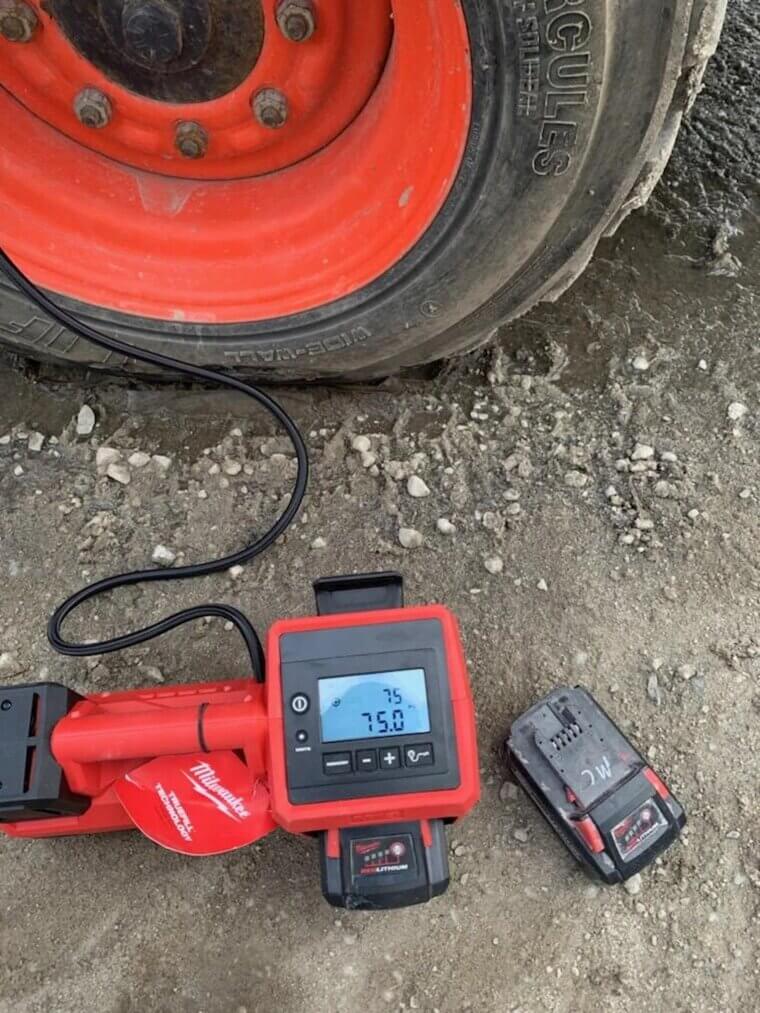
Driving on a soft tire to find a gas station allegedly damages the interior sidewall of the tire, making it completely unrepairable later. Keeping this inexpensive gadget in your trunk gives you total independence and wonderful peace of mind.
Replace the Cabin Air Filter for Fresh Breathing Air
While the engine air filter protects the car's mechanics, the cabin air filter strictly protects you and your lovely passengers. This filter traps dust, pollen, mold spores, and exhaust fumes before they can blow through the air conditioning vents and into your face. When it becomes completely clogged, you might notice a stale, musty smell inside the car, or find that the air conditioner doesn't blow as hard.
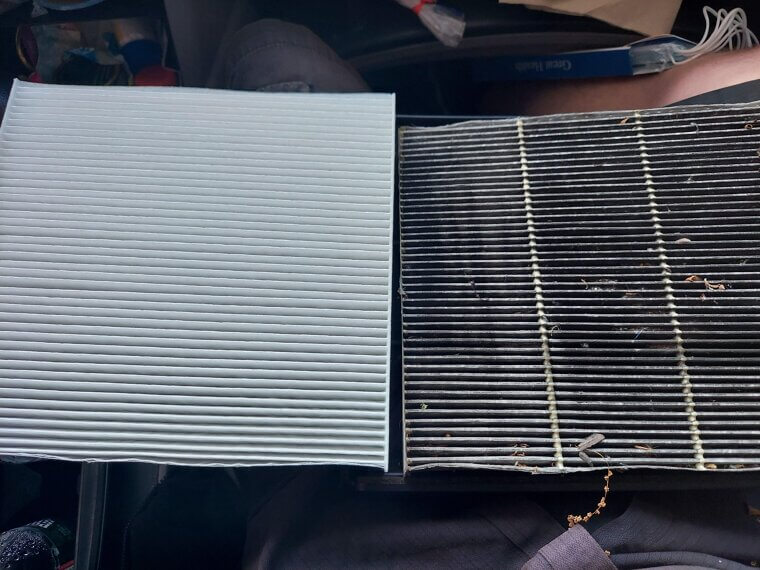
A severely dirty cabin filter allegedly triggers terrible seasonal allergies and respiratory discomfort during long, scenic summer road trips. Swapping out this hidden filter is usually very easy and instantly makes the interior smell wonderfully clean and fresh.
Inspect the Exhaust System for Dangerous Leaks
Your car's exhaust system does the very important job of routing dangerous engine gases safely out the back tailpipe and away from the cabin. However, the metal pipes and muffler are constantly exposed to moisture and road salt, making them highly susceptible to rusting and cracking. If a hole develops, you will likely hear a loud, rumbling noise coming from underneath the car when you accelerate down the street.
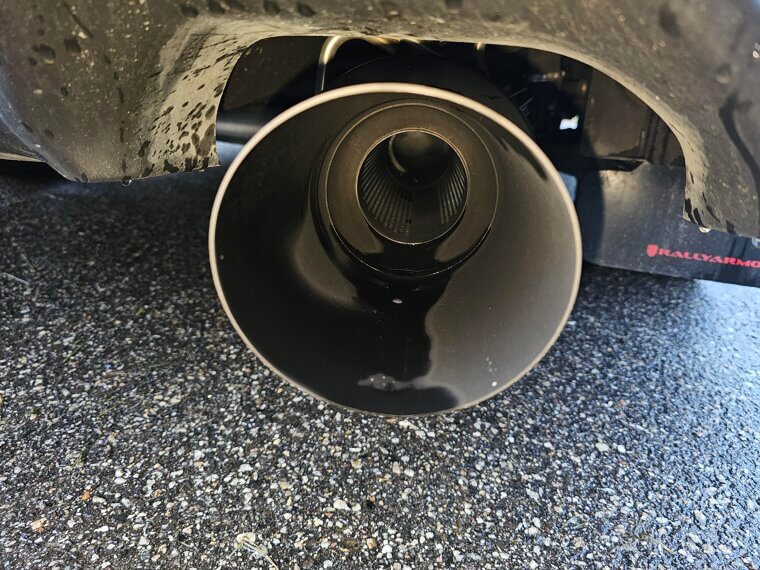
Exhaust leaks reportedly allow odorless carbon monoxide gas to silently seep into the passenger cabin, which is incredibly dangerous. Have your mechanic take a quick look underneath the car periodically to ensure the entire system is solid and perfectly secure.
Protect Your Dashboard from Cracking in the Sun
The dashboard of your car sits directly under the large magnifying glass that is your front windshield, absorbing massive amounts of heat every single day. Over several years, this intense, baked-in heat completely dries out the vinyl or plastic materials, causing unsightly cracks to form all across the surface. Once a dashboard cracks, there is really no easy way to fix it without replacing the entire expensive interior panel completely.
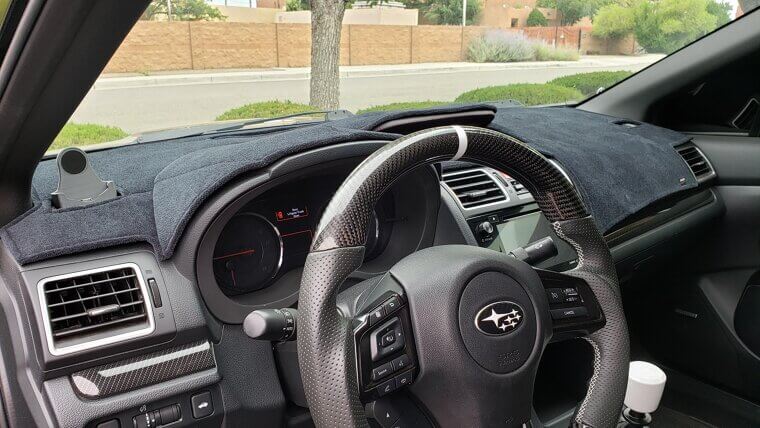
Severe dashboard cracking reportedly lowers the trade-in value of a perfectly good vehicle because it looks so heavily neglected. Purchasing a simple, fold-up sunshade to place in the window when parked keeps the interior looking wonderfully pristine.
Refill the Windshield Washer Fluid Regularly
Having a clean windshield is an absolute necessity for safe driving, and you never want to run out of washer fluid when you need it most. Whether it is sticky bug splatters in the summer or salty, dirty road spray in the winter, the washer fluid clears your view instantly. If the reservoir runs dry, smearing the dirt with dry wiper blades will only make your visibility significantly worse and much more dangerous.
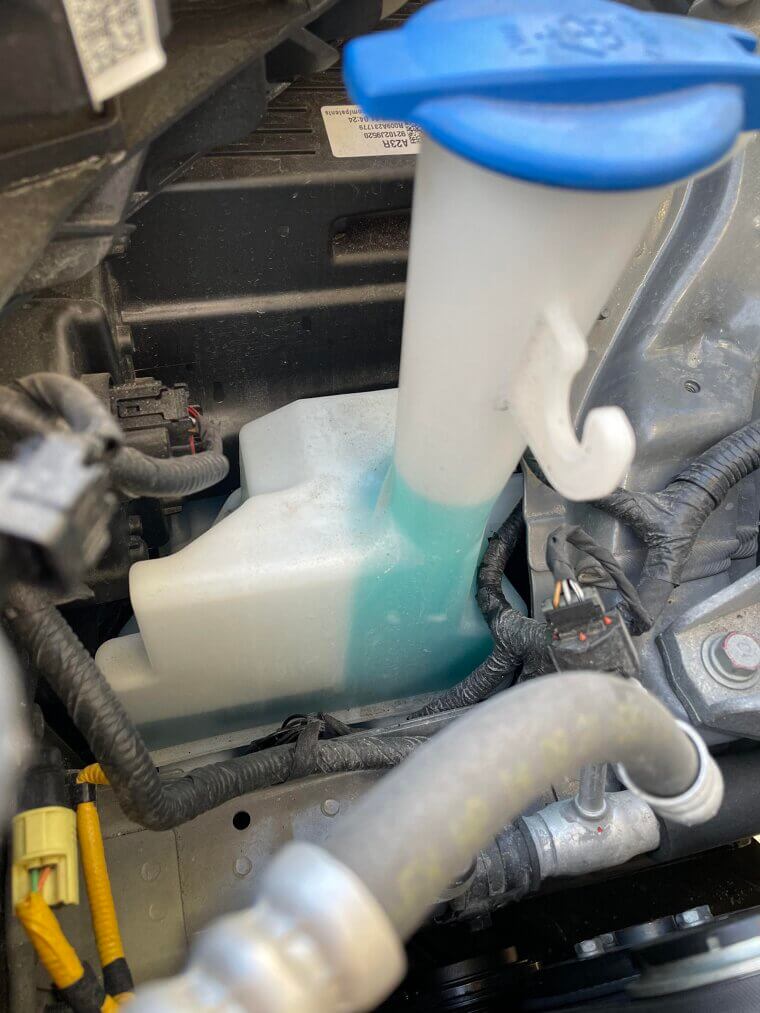
Driving completely blind due to a dirty windshield allegedly causes completely avoidable accidents during bad weather conditions. Keep a spare jug of washer fluid in the garage so you can easily top it off every few weeks.
Have the Brakes Inspected Professionally Every Year
Your brakes are undeniably the most critical safety feature on your entire vehicle, and they require proper professional attention to stay reliable. Over time, the brake pads slowly wear down, and the metal rotors can become warped from the intense heat of stopping a heavy car. You might not always notice the gradual decrease in stopping power until you are forced to make a sudden, emergency stop on the highway.
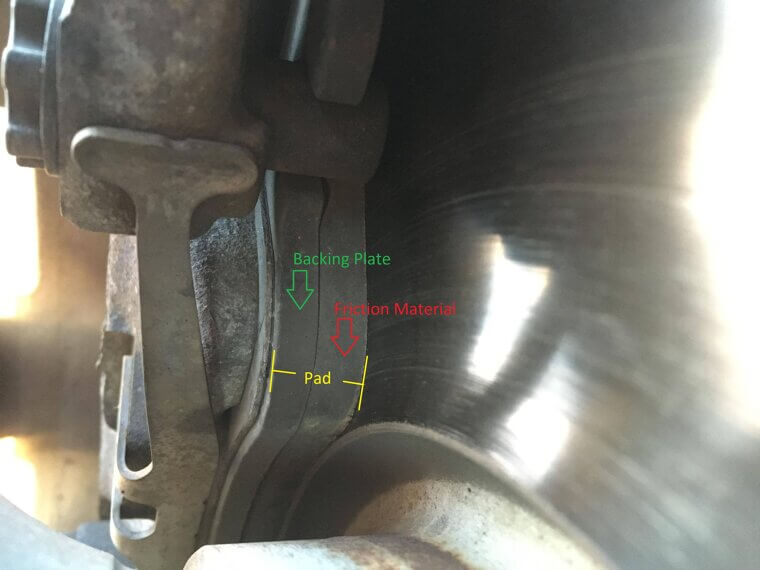
Neglected brake systems reportedly fail completely without any warning, putting you and your precious passengers in incredible danger. Schedule a routine brake inspection once a year to ensure every component is thick, healthy, and perfectly capable.
Keep Your Car Manuals Handy in the Glovebox
The owner's manual that comes with your car is the absolute best resource for keeping your specific vehicle running in perfect condition. It contains all the manufacturer's specific recommendations for exactly when to change the oil, what type of fluids to use, and what the dashboard lights mean. Unfortunately, many drivers simply toss it in a drawer at home or bury it deep under piles of old napkins in the glovebox.
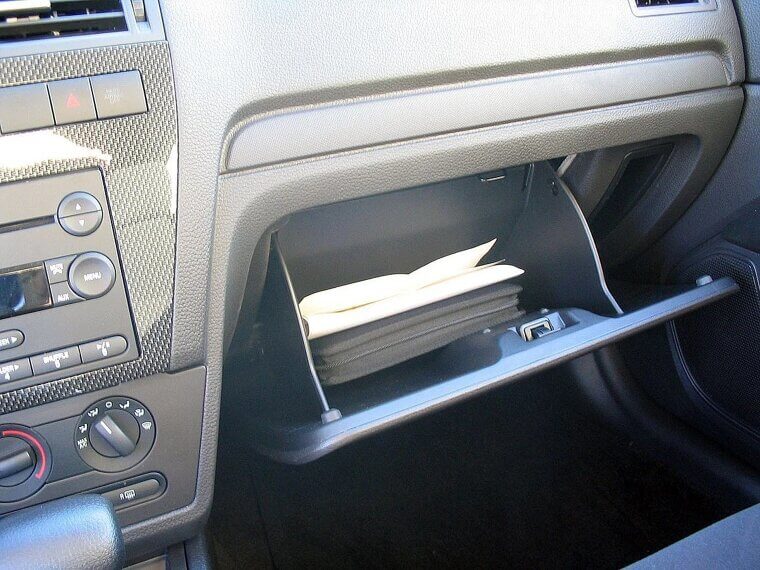
Not following the manual's specific guidance reportedly voids the manufacturer's warranty, leaving you entirely responsible for massive repair bills. Keep it easily accessible so you can quickly reference it whenever you have a simple question about your beloved car.