
They hauled lumber, pulled trailers, and got parked in muddy fields for decades. Now they're crossing auction blocks at prices that would make their original owners spit out their coffee. The pickups of the 1960s and 70s have quietly become some of the hottest collector vehicles on the planet.
The 1968 Ford F-100 Custom Cab
The Custom Cab trim level gave the 1968 F-100 a level of refinement that buyers in the late sixties genuinely weren't expecting from a work truck. Extra insulation, nicer upholstery, and a smoother dash layout made it feel closer to a car than a hauler. Today, clean examples with matching numbers routinely clear $30,000 to $45,000 at auction — and the ones with the 360 FE V8 under the hood tend to go even higher.
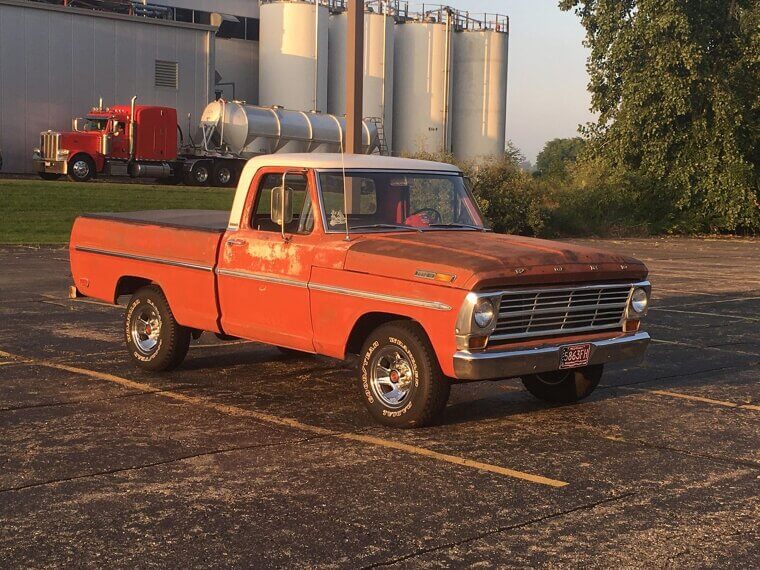
Here's the kicker: the Custom Cab was originally a modest upsell, maybe a few hundred dollars over base. Collectors are now paying a $10,000-plus premium for that same badge. Ford's marketing team from 1968 would be very confused — and very pleased.
The 1967 Ford F-100 That Started It All
Picture this: a bone-stock, single-owner 1967 F-100 rolling off a flatbed at a Barrett-Jackson lot, original paint barely faded, floor mats still intact. That's the truck that turned heads and opened wallets, convincing an entire generation of collectors that pre-emissions Ford trucks were worth serious money. The '67 introduced the Twin I-Beam front suspension, which gave it a ride quality that shocked people used to solid-axle pickups. That engineering story alone sells it.
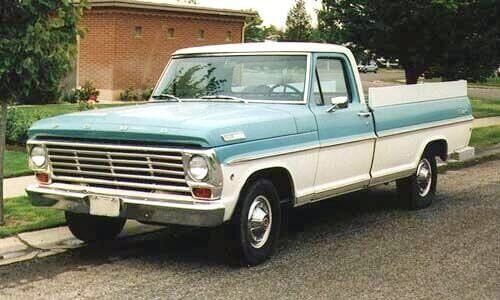
The 1967 model year sits at a sweet spot — new enough to have modern drivability, old enough to carry serious vintage credibility. That combination is exactly what auction buyers pay a premium for.
GMC Sierra Grande and Its Luxury Appeal
GMC's Sierra Grande trim was the brand's answer to buyers who wanted a pickup that didn't feel like a punishment to drive. Woodgrain accents, extra chrome, and a quieter cabin set it apart from the base models on the lot next door. Today, the Sierra Grande name carries genuine cachet at auction — collectors recognize the trim level immediately, and bidding tends to get competitive fast. Well-preserved examples have crossed $40,000 at major events.
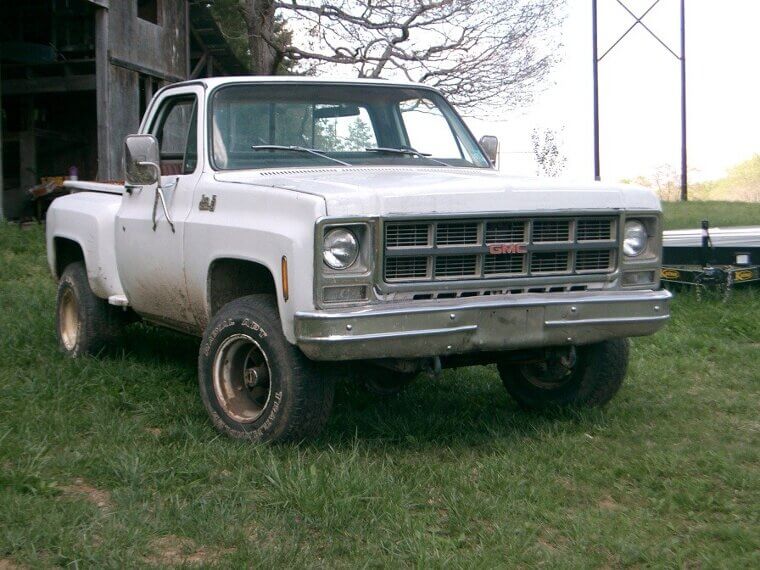
GMC trucks have always played second fiddle to Chevy in the collector world, but the Sierra Grande trim is one area where the GMC badge actually commands a premium. Rarity and luxury details are a powerful combination.
Ford Ranger From the 70s Worth Restoring
Would you pay five figures for a truck that was originally marketed as the affordable, stripped-down option? Because that's exactly what's happening with the 70s Ford Ranger package. The Ranger trim brought a specific look — chrome bumper, two-tone paint, wood-look dash inserts — that's aged into something collectors genuinely want. Trucks that sat in barns for thirty years are being dragged out, cleaned up, and flipped for $18,000 to $28,000 depending on condition and drivetrain.
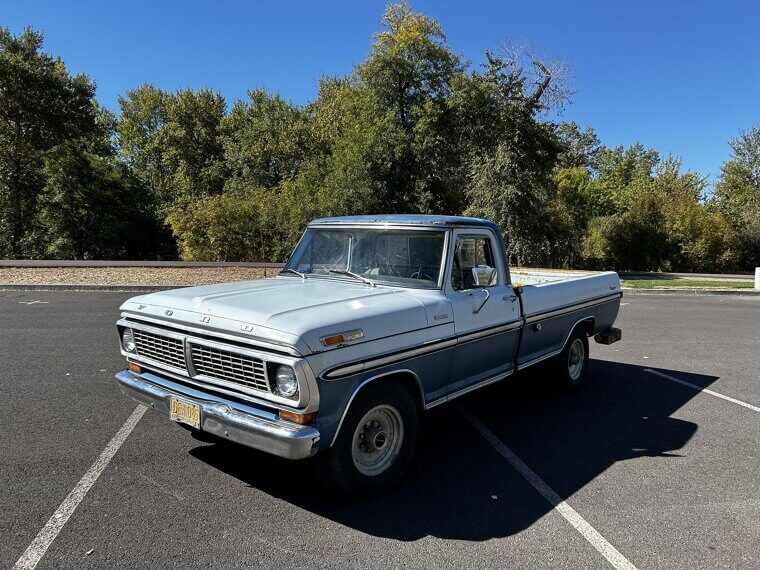
The Ranger name carried over to a completely different truck later, which creates some confusion — but for purists, the 70s Ranger package on a full-size F-100 is the real article. Don't mix them up at a show.
International Harvester Trucks Collectors Love
International Harvester built trucks that worked harder and complained less than almost anything else on the road in the sixties and seventies. The Scout gets most of the attention, but the full-size IH pickups — the 1000, 1100, and 1200 series — are a completely different story. They're undervalued, underappreciated, and increasingly hard to find in good shape. That combination is a collector's early warning signal. Prices are still accessible compared to Ford and Chevy equivalents, but that gap is shrinking.
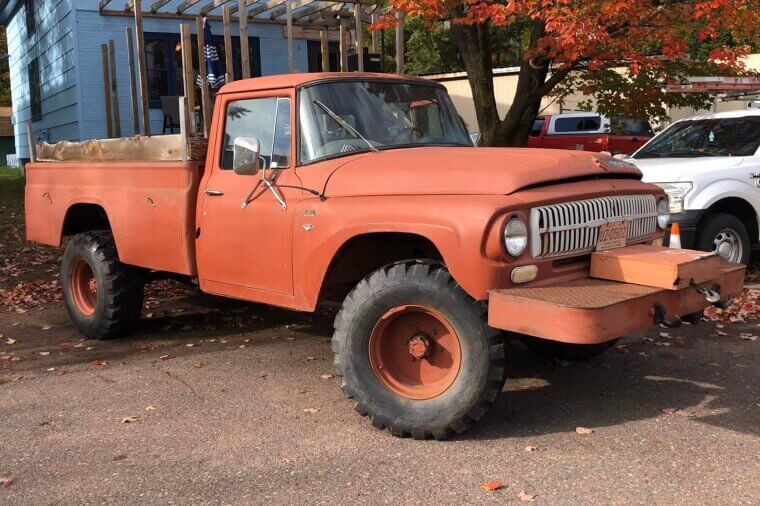
IH trucks built their reputation on farms and job sites, not car shows. That working-class history is exactly what makes them compelling to a certain kind of collector who's tired of seeing the same nameplates at every auction.
The 1969 Ford F-250 Built for Hard Work
The 1969 F-250 was engineered for people who needed a truck to actually do things — tow heavy loads, haul serious weight, survive daily abuse on job sites. It wasn't glamorous. That's the point. Today, the F-250 from this era occupies an interesting niche: too capable to ignore, too utilitarian to attract the same attention as the lighter F-100. Which means prices are still sane. Heavy-duty buyers with taste are starting to notice, and the window for reasonable deals is narrowing.
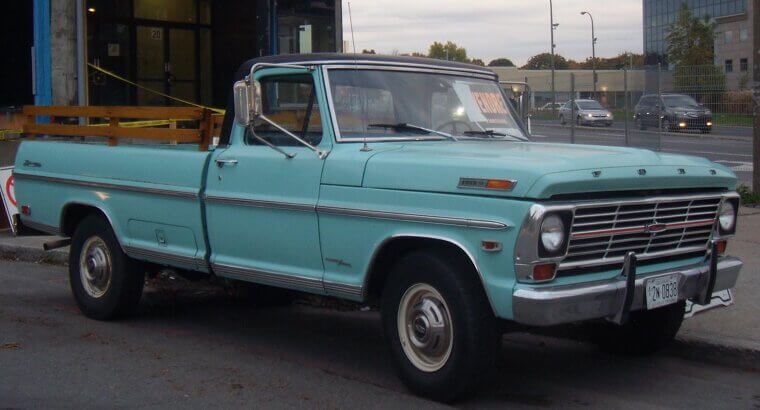
The F-250 was built to outlast everything around it, and many of them did exactly that. Finding one with a solid frame and original drivetrain is harder than it sounds — which is why condition premiums are steep.
The 1972 Chevy C10 Stepside Pickup
The Stepside bed is where things get personal. Chevy offered both Fleetside and Stepside configurations on the C10, and while the Fleetside outsold it, the Stepside is what collectors fight over. The exposed rear fenders and narrower bed give it a visual character that photographs beautifully and shows up constantly in restomod builds. A clean 1972 Stepside in original condition can fetch $35,000 to $50,000 — and a custom-built version with modern mechanicals has cleared $80,000 more than once.
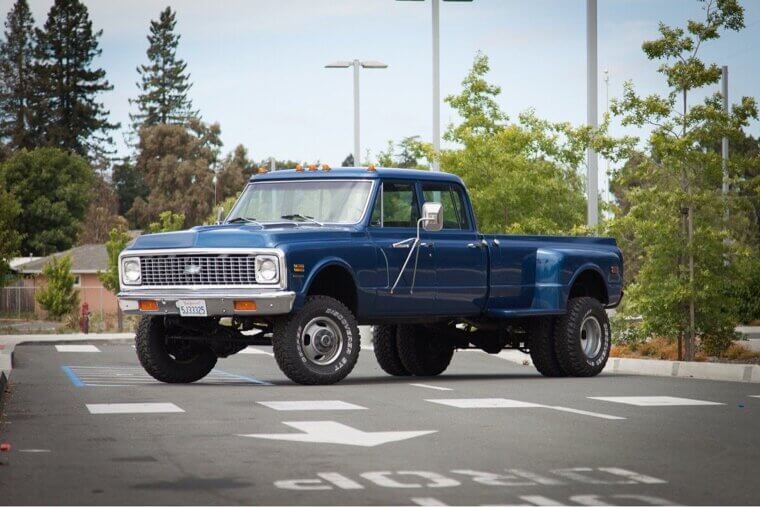
The Stepside's narrower bed was a practical disadvantage that turned into an aesthetic advantage. Sometimes the truck that sold less ends up being worth more — and this is a textbook case.
Chevy Fleetside Trucks in Original Condition
Original condition is a loaded phrase in the truck world. It can mean unrestored and beautiful, or it can mean unrestored and rough. For Chevy Fleetside trucks, the originals that land in the first category — matching numbers, solid floors, factory paint still visible under the patina — are where bidding wars happen. Buyers are willing to pay a premium specifically to avoid a restoration someone else did wrong. A genuine, documented original Fleetside can clear $42,000 without breaking a sweat.
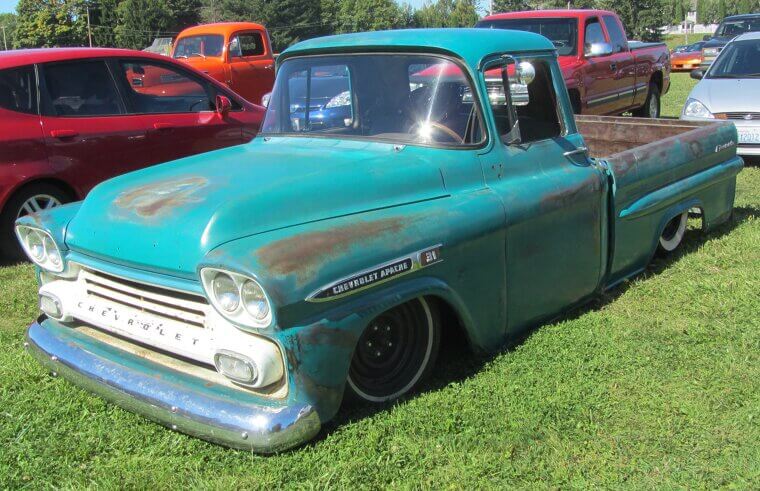
The market has spoken clearly: a honest original beats a questionable restoration every time. Fleetside trucks with verifiable history and untouched mechanicals are the ones that make auction rooms go quiet right before the paddles go up.
The 1965 Ford F-100 Two-Tone Pickup
Two-tone paint on a 1965 F-100 isn't just a styling choice — it's a time machine. The contrast between the cab color and the lower body panel takes you directly back to a specific moment in American truck design, when manufacturers were figuring out that buyers wanted their pickups to look good, not just work hard. Clean two-tone examples from '65 have become extremely photogenic auction stars, and the right color combinations — turquoise over white, red over cream — can add thousands to the final sale price.
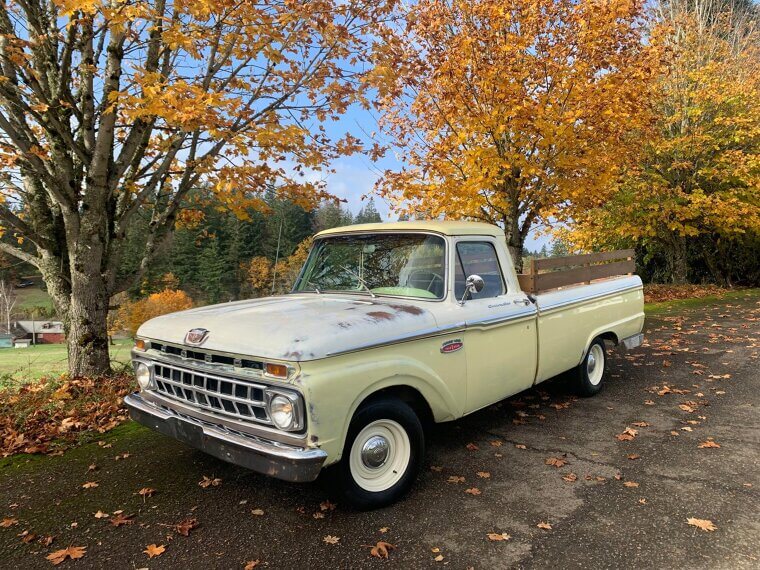
Color combination matters enormously on these trucks. Factory documentation showing the original two-tone spec is worth having — it's the difference between a good sale and a great one.
The 1970 Dodge D200 With Big Block
The D200 was Dodge's three-quarter-ton answer to buyers who needed more than a half-ton could deliver. Add a big block V8 to that equation and you have a truck that was genuinely intimidating to drive in 1970 — and genuinely exciting to own today. The 383 and 440 cubic inch options gave the D200 a performance profile that most trucks of the era couldn't touch. Collectors who know their Mopar history recognize these trucks immediately. The ones who don't are about to get an education in auction pricing.
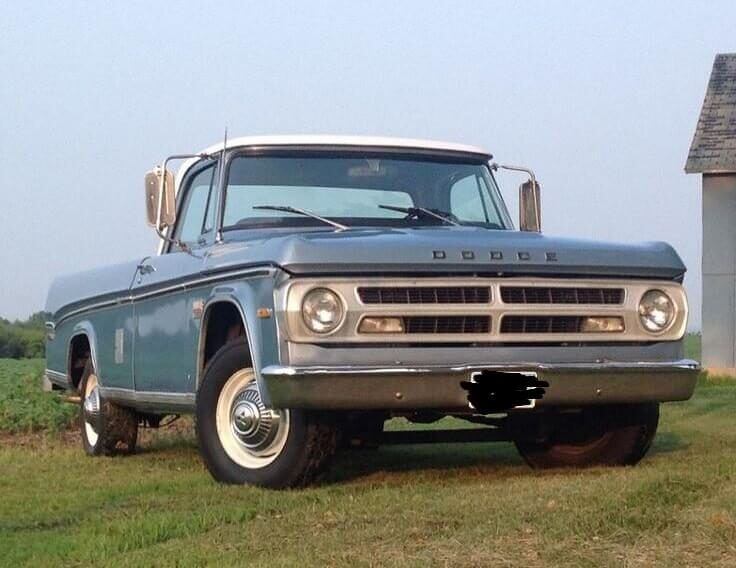
Big block Dodge trucks from this era are still underpriced relative to their Ford and Chevy counterparts. That's a market inefficiency that won't last much longer as Mopar collectors expand their search criteria.
The Dodge D100 With Timeless Styling
Dodge didn't get the same collector spotlight as Ford and Chevy for years, which is exactly why the D100 is worth paying attention to now. The styling on the mid-to-late sixties models has aged remarkably well — wide hood, clean flanks, and a cab that looks purposeful without trying too hard. Prices are still trailing the blue-oval and bowtie competition by 15 to 20 percent, which means buyers who move now are essentially getting a discount on a truck that's still climbing.
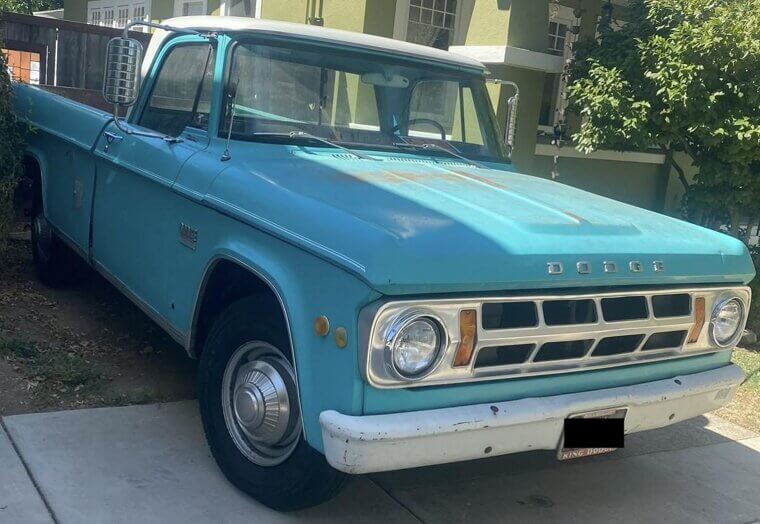
The D100 flew under the radar long enough that clean originals are still findable at reasonable prices. That window is closing faster than most people realize.
Chevy C10 as the Collector's Dream Truck
Ask any truck collector which nameplate dominates the hobby and they'll say C10 without blinking. The Chevy C10 spent the late sixties and early seventies quietly building a reputation for reliability, parts availability, and a body style so clean it looks designed by someone who actually cared. Unrestored survivors in solid shape now command $20,000 to $35,000. Professionally restored examples with period-correct upgrades? That number climbs fast.
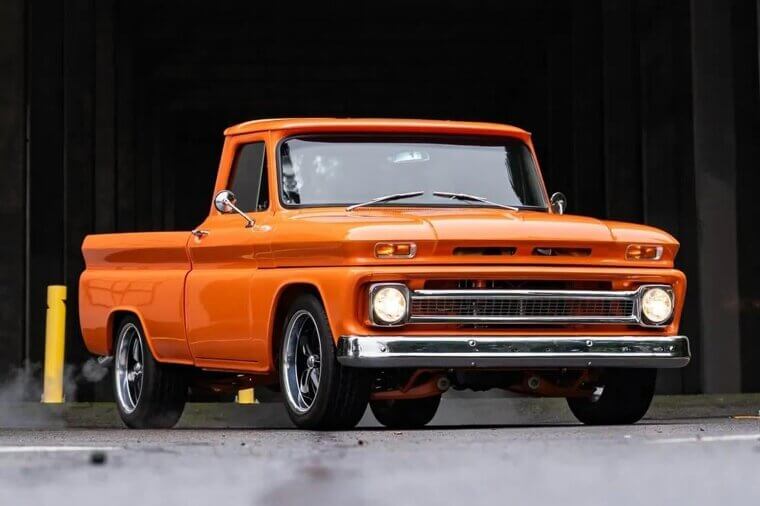
Parts support for the C10 is almost absurdly good compared to its competition. That accessibility made it the entry point for a generation of first-time restorers — and now it's the benchmark everyone else gets measured against.
Dodge Power Wagon as an Off-Road Legend
$85,000. For a pickup truck with a granny gear and a transfer case that sounds like a cement mixer. The Dodge Power Wagon earned every dollar of that price through decades of genuine off-road capability that most trucks only pretend to have. The post-war design ran well into the sixties, and the combination of military heritage, four-wheel drive, and Dodge's bulletproof inline-six made it a legend before the word restomod even existed. Serious collectors treat them like Ferraris. The bidding reflects that.
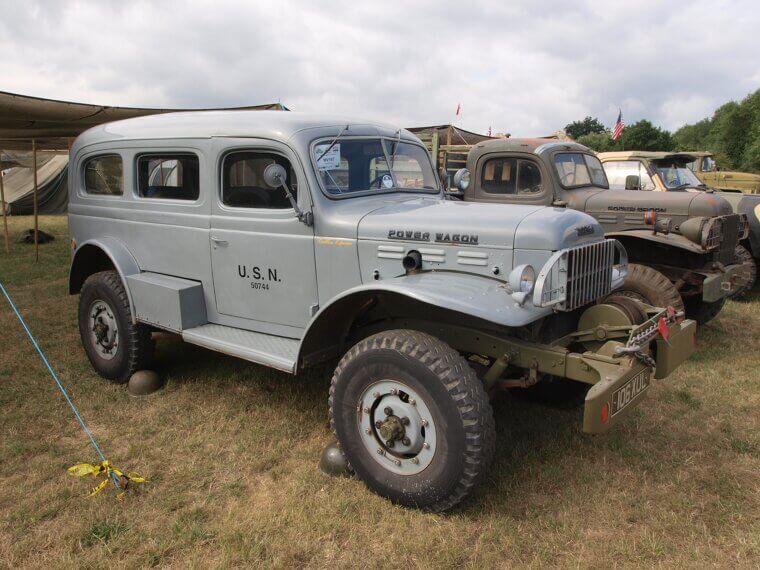
The Power Wagon's reputation was built in places where roads didn't exist. That authenticity — real capability, not just the appearance of it — is what separates it from every other vintage four-wheel-drive truck at auction.
The Chevy C10 Shortbed at Peak Popularity
The shortbed C10 is what happens when a truck becomes a cultural object. It started as a practical configuration — easier to park, lighter, better handling — and ended up as the default canvas for custom builders, lowrider culture, and hot rod enthusiasts across four decades. At peak popularity, a well-done shortbed C10 commands attention at every show it enters. Auction results back this up consistently, with clean examples regularly landing between $45,000 and $65,000 depending on build quality and provenance.
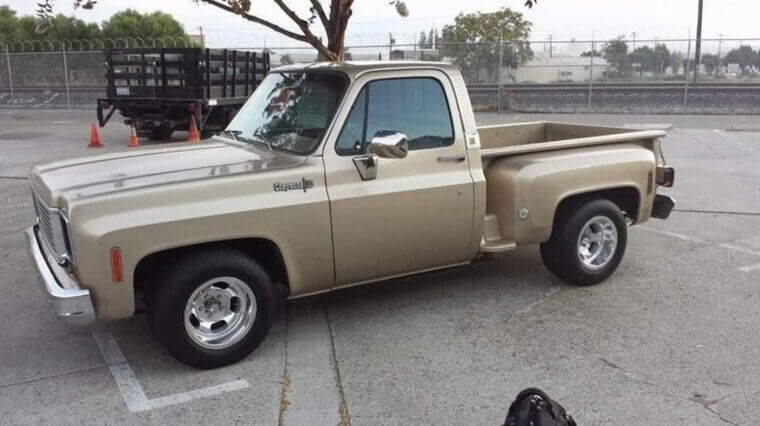
The shortbed C10 has been cool for so long that it's now cool in multiple ways simultaneously — original patina builds, full restorations, and restomods all have their own devoted audiences. That's a rare level of crossover appeal.
The 1971 GMC C15 With Chrome Trim
Chrome trim on a 1971 GMC C15 wasn't an accident — it was a statement. GMC was positioning its trucks as the slightly more refined alternative to Chevy, and the C15's bright work gave dealers something tangible to point at when justifying the price difference. Fifty years later, that chrome is the first thing collectors look at when they walk up to one at a show. Original, unpolished chrome with honest patina is actually preferred over re-plated work by the most serious buyers.
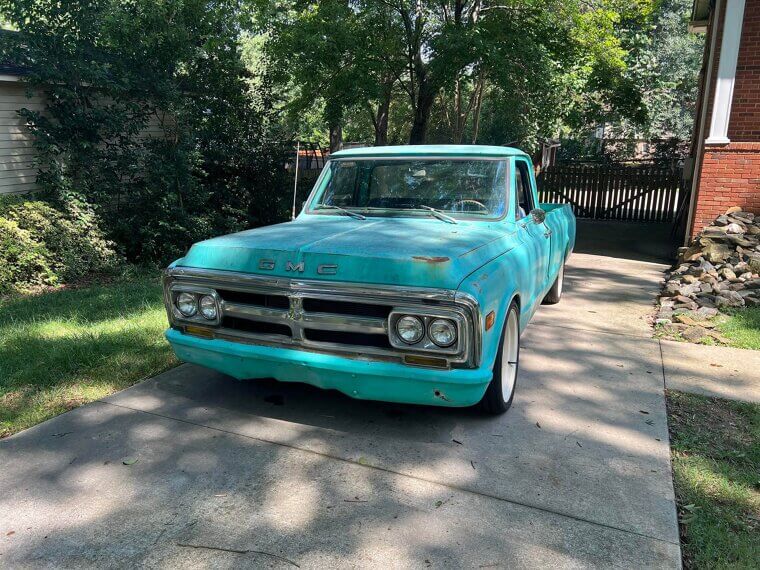
The C15 designation placed it between the half-ton C10 and the three-quarter-ton C20 — a sweet spot for buyers who needed a little more without going full heavy duty. That in-between capability still resonates with collectors today.
The 1969 Chevy C10 With Bench Seat
There's something about a bench seat that changes the whole character of a truck. The 1969 C10 with its factory bench — wide, flat, upholstered in whatever Chevy called 'Midnight Blue' that year — was designed for three people to sit shoulder to shoulder and drive somewhere useful together. That communal quality is part of what collectors are buying. It's not just the truck, it's the idea of the truck. And that idea, in good physical condition, has been selling for $38,000 to $52,000 at major events.
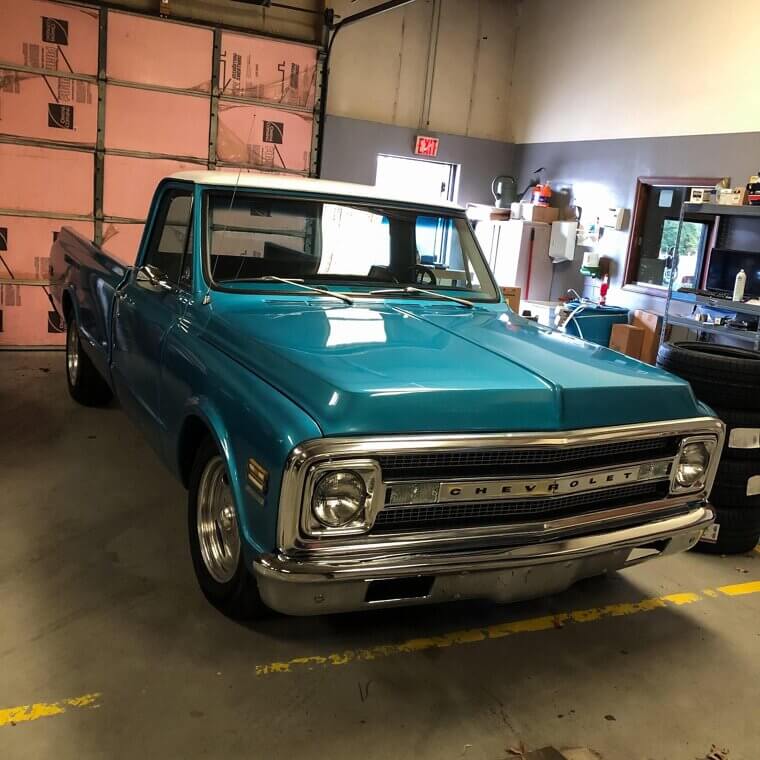
Factory bench seat trucks are increasingly rare because so many were swapped out over the years for buckets or aftermarket setups. An original bench in solid condition is a genuine selling point that appraisers notice immediately.
The Ford Bronco Pickup Before It Was Famous
Before the Bronco became a full-size SUV icon, Ford experimented with a pickup variant that most people have completely forgotten about. The early Bronco pickup combined the compact wheelbase of the original Bronco with an open bed, creating something that looked like it was designed specifically for the kind of person who couldn't decide between a truck and a 4x4. Production numbers were low. Survivor examples are genuinely rare. When one surfaces at auction, the room pays attention — and so does the final price.
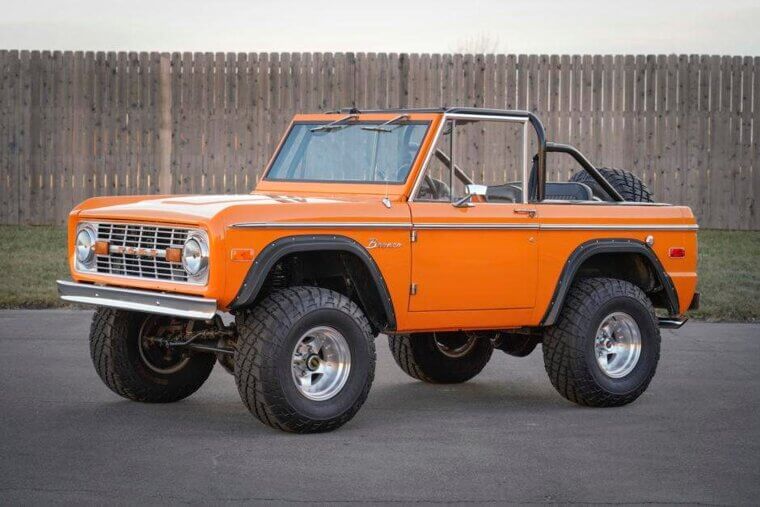
The Bronco pickup was discontinued early, which means documented examples are legitimately scarce. Scarcity plus the Bronco name plus four-wheel drive equals a combination that auction bidders find almost impossible to walk away from.
The 1963 Ford F-100 Unibody Pickup
Ford built the F-100 as a body-on-frame truck for most of its history, which makes the 1961-1963 unibody experiment one of the strangest footnotes in American truck history. The idea was sound — a unified structure for better rigidity and smoother ride — but the execution created rust problems that haunted owners for decades. Survivors are rare specifically because so many didn't survive. A clean 1963 unibody F-100 at auction is a genuine event, and prices reflect the scarcity: $50,000 and up for the right example.
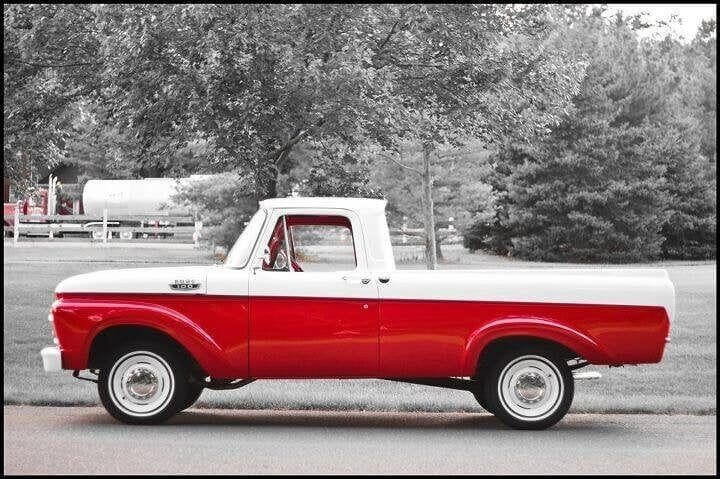
Ford quietly abandoned the unibody design after just three years, returning to conventional construction for 1964. That short production window makes the unibody F-100 a historical curiosity that serious collectors actively hunt.
The 1970 GMC Truck With Lasting Appeal
The 1970 GMC truck sits at an interesting crossroads — late enough to have the refinements buyers expected, early enough to carry the visual drama of the late sixties styling. GMC's relationship with Chevy meant shared platforms but distinct trim hierarchies, and the 1970 models wore their identity confidently. Top Sierra Grande examples from this year have crossed $42,000 at recent auctions — numbers that would have seemed impossible a decade ago.
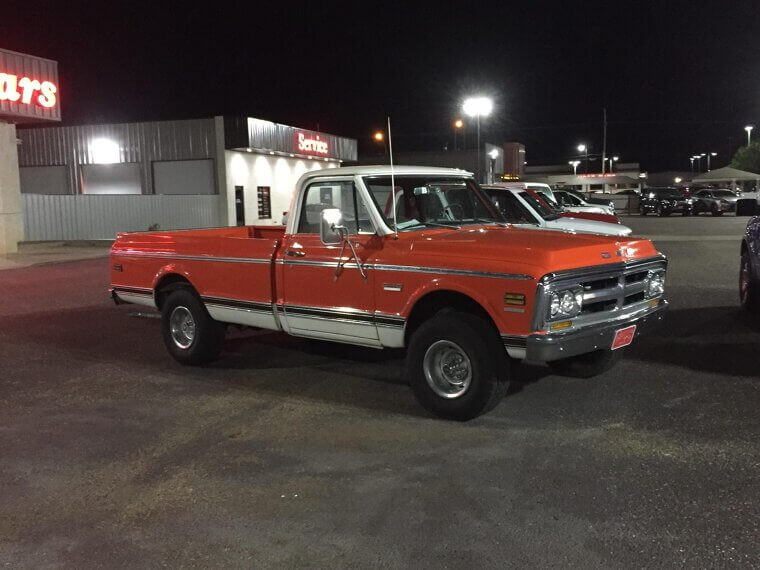
GMC loyalists have always known these trucks were the equal of their Chevy counterparts. The auction market took a while to agree — but it's caught up completely, and the buyers who got in early are looking very smart right now.
The 1974 Chevy C10 Silverado Edition
The Silverado name meant something very specific in 1974: you wanted a truck, but you also wanted people to know you had taste. Chevy's top trim level brought color-keyed interiors, extra sound deadening, and a level of interior finish that made competitors look underdressed. Today, a documented 1974 C10 Silverado — with the original window sticker still in the glovebox — is the kind of find that makes collectors cancel their weekend plans. Prices for these have pushed past $55,000 at recent auctions.
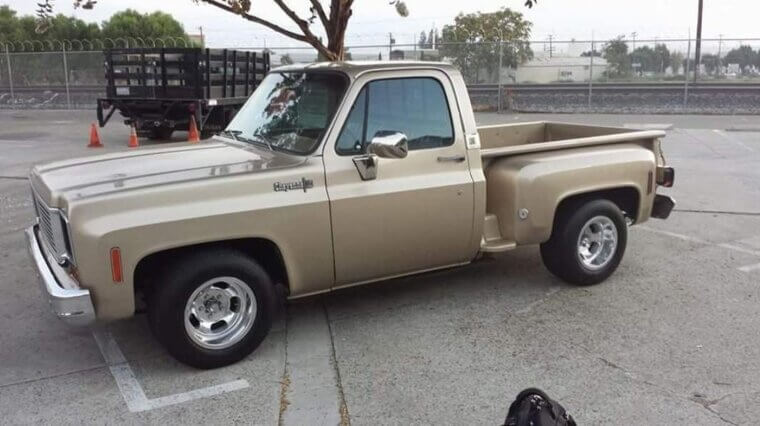
The Silverado trim level is now one of the most recognized badges in the collector truck world. Original paperwork proving the factory spec adds measurable value — buyers pay for certainty, and documentation delivers it.
The 1966 Dodge D100 Sweptline Pickup
The Sweptline bed gave the 1966 D100 a look that was genuinely ahead of its time — smooth, integrated, with none of the fender flare drama that made other trucks look busy. Dodge was making a design statement, and it worked. The problem is that fewer people noticed in 1966 than should have, which kept production numbers modest and survivor rates lower than the Ford and Chevy equivalents. That scarcity is now the Sweptline's greatest asset. Prices have responded accordingly, climbing steadily since 2018.
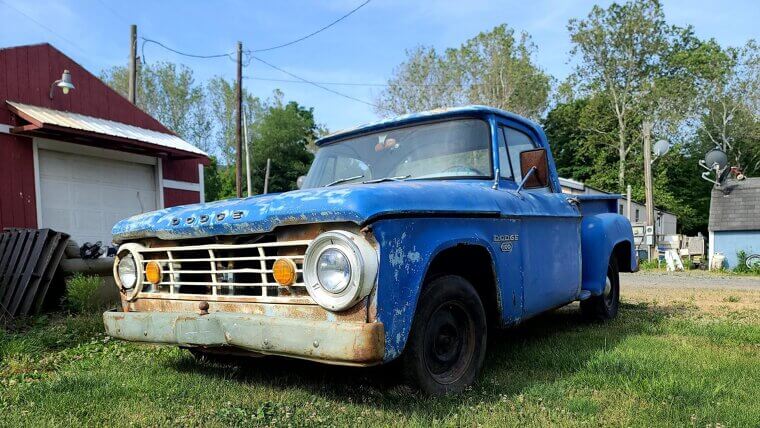
The Sweptline's clean lines photograph better than almost any other truck bed design from the era. That visual appeal translates directly into auction room energy — when one looks right, buyers feel it.
The Chevy C20 Heavy Duty Built to Last
Heavy duty trucks from this era were built to outlast the people who bought them, and the C20 took that assignment seriously. Three-quarter-ton capacity, beefed-up suspension, and axle ratings that made sense for actual work — the C20 wasn't trying to be stylish, it was trying to be useful. Ironically, that utilitarian honesty is exactly what a certain category of collector finds irresistible. Clean C20s with original drivetrains are selling for prices that would have seemed absurd to the farmers who originally bought them.
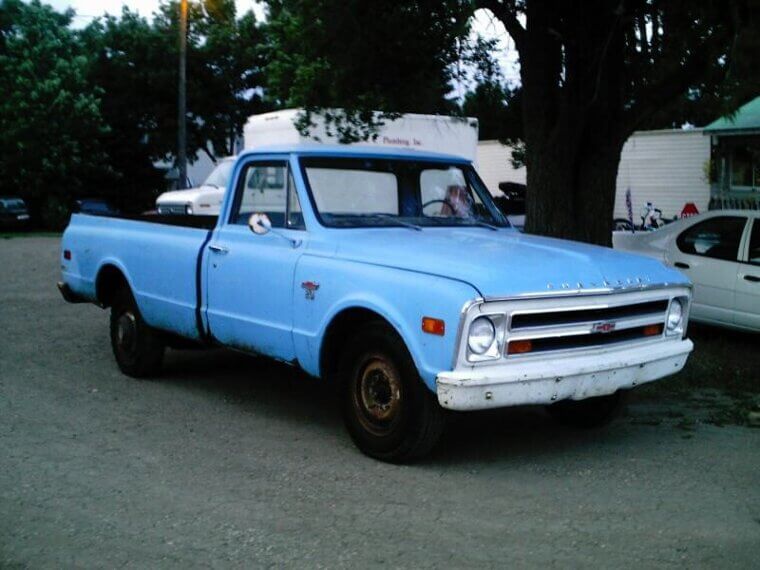
The C20's heavy-duty credentials make it a natural fit for buyers who want a vintage truck they can actually use. Towing capacity and payload ratings that hold up even by modern standards are a genuine selling point.
The 1973 Ford F-100 Explorer Special
Ford's Explorer Special package on the 1973 F-100 was essentially a factory adventure kit — skid plates, special badging, and a suspension tune that acknowledged the truck might occasionally leave the pavement. It was a marketing response to the growing off-road enthusiasm of the early seventies, and it worked well enough that survivors are now specifically sought out. The Explorer badge on a '73 F-100 adds a measurable premium at auction — buyers recognize it, and they're willing to pay for the distinction.
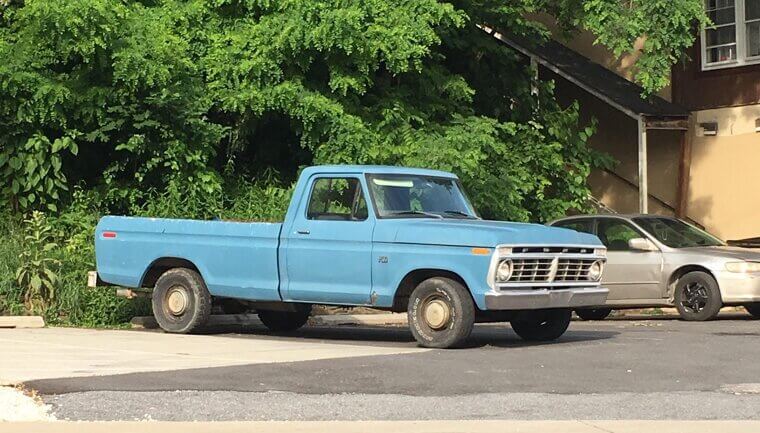
The Explorer Special name predates Ford's SUV of the same name by nearly two decades. That historical footnote is a conversation starter at every show, which doesn't hurt resale value either.
The 1970 Chevy K10 Four-Wheel Drive
$72,000. That's what a properly restored 1970 Chevy K10 four-wheel drive brought at a recent auction, and the room wasn't surprised. The K10 was the four-wheel-drive version of the C10, and in 1970 it represented genuine off-road capability wrapped in the same handsome body that was winning fans on two-wheel-drive versions. Decades of hard use destroyed most of them. The ones that survived in good condition are legitimately rare, and the market prices reflect that reality without apology.
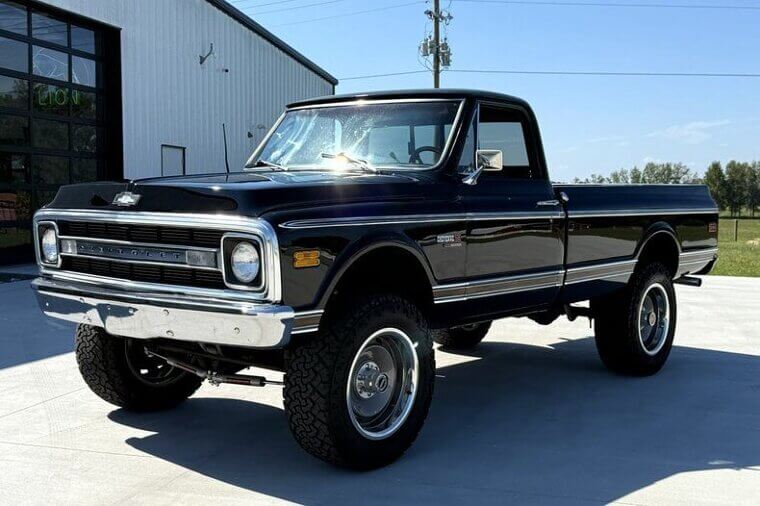
Four-wheel-drive trucks from this era command a premium over their two-wheel-drive counterparts in virtually every condition category. The K10 specifically benefits from the C10's enormous collector following — same beautiful truck, added capability.
The Dodge Adventurer Truck Few People Remember
Most people at a truck show can name every trim level Ford and Chevy offered in 1968. Ask them about the Dodge Adventurer and you'll get blank stares. That's a shame, because the Adventurer was Dodge's premium pickup offering — loaded with features, built with care, and now sitting at the bottom of the collector pricing curve simply because fewer people know what they're looking at. That ignorance is an opportunity. Adventurer trucks are available at prices that should be higher, and they won't stay that way.
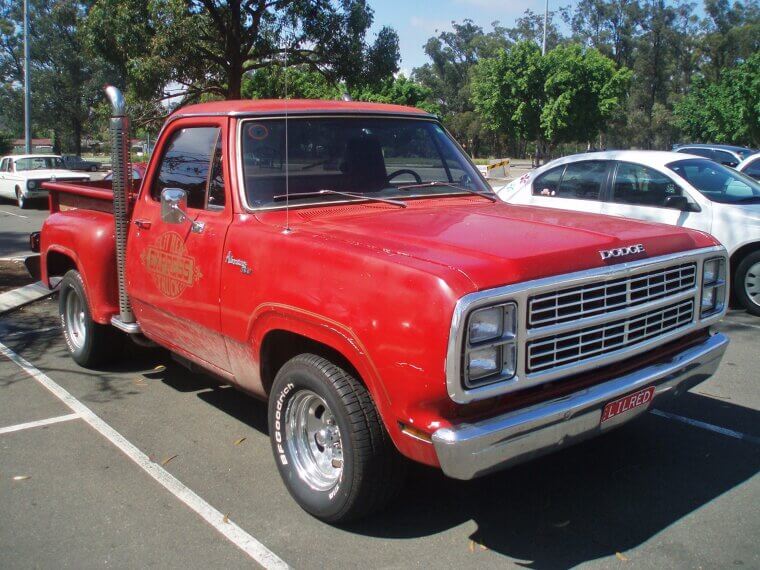
The Adventurer name ran through multiple Dodge truck generations, which creates some confusion among newer collectors. The late sixties and early seventies versions are the sweet spot — distinct enough to be interesting, common enough that parts aren't impossible.
The 1964 GMC 1000 Series Pickup Truck
GMC's 1000 Series in 1964 occupies a specific moment in truck design history — right before the major styling refresh that would define the brand through the late sixties. The earlier lines are cleaner, simpler, and in some ways more elegant than what came after. Collectors who prefer the pre-refresh look have been quietly building a market for these trucks for years, and the prices have followed. A well-preserved 1964 GMC 1000 with a solid drivetrain is no longer the bargain it was a decade ago.
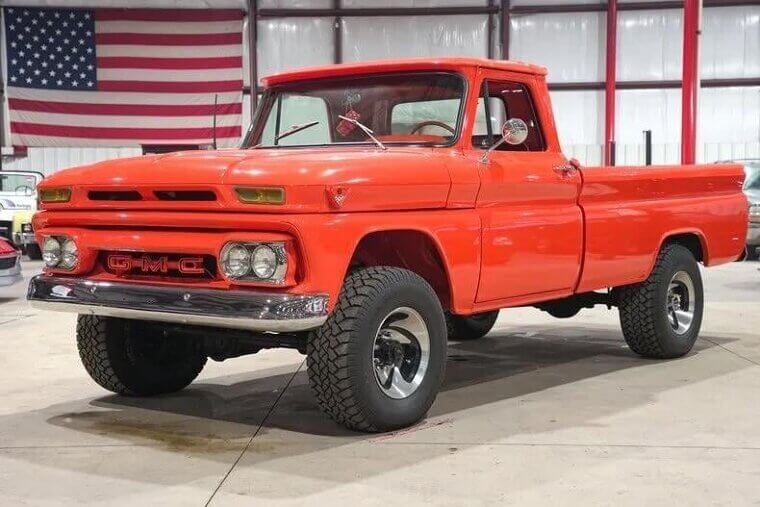
Put a '64 and a '67 GMC side by side and the difference is immediately obvious — the earlier truck has a restraint the later one traded away for flash. Some collectors think Ford and Chevy got all the attention while GMC quietly built the better-looking truck. They might be right.
Ford F-100 Flareside and Its Devoted Fanbase
The Flareside bed divided buyers in the sixties and seventies. Some loved the exposed rear fenders and the visual throwback to earlier truck design. Others thought it looked old-fashioned next to the smooth Fleetside. The people who loved it were right, it turns out. Flareside F-100s now carry a consistent premium at auction — sometimes 20 to 30 percent above comparable Fleetside examples — driven by a devoted fanbase that has never wavered in its appreciation for the design. Devotion has a dollar value.
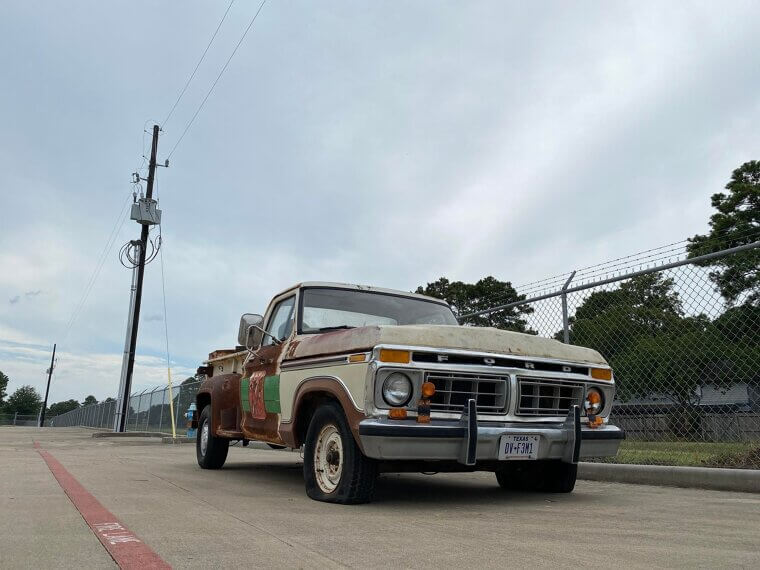
The Flareside's devoted following has kept demand steady even as other truck variants have gone in and out of fashion. Consistent collector enthusiasm is one of the most reliable predictors of long-term value retention.
The 1976 Ford F-150 First Year Model
First-year models carry a specific kind of weight in the collector world, and the 1976 F-150 is no exception. Ford introduced the F-150 designation as a new tier between the F-100 and F-250, and the first year of any nameplate carries documentation value, historical significance, and the kind of bragging rights that make auction bidding get emotional. Clean 1976 F-150 first-years have been selling in the $28,000 to $40,000 range — reasonable by current standards, but climbing steadily as awareness grows.
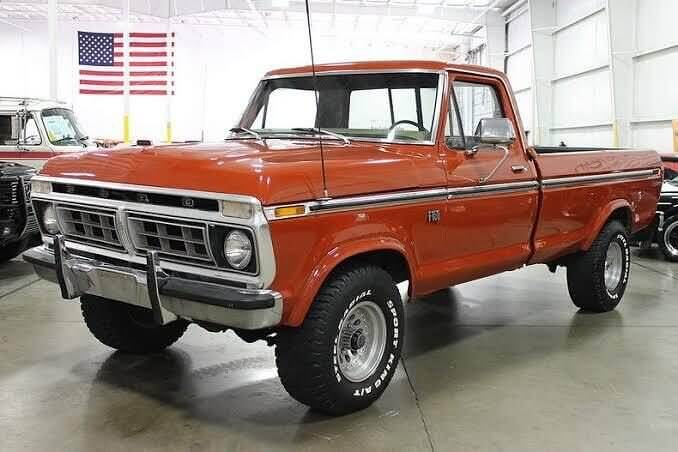
The F-150 would go on to become the best-selling vehicle in America for decades. The 1976 original is the ancestor of all of that — and collectors who understand lineage are willing to pay for the privilege of owning it.
The 1971 Dodge D100 Utiline Pickup
The Utiline bed on the 1971 D100 was Dodge's version of the narrow-bed, exposed-fender design — similar in concept to Ford's Flareside but with its own distinct character. It's the kind of detail that separates Dodge specialists from casual collectors, and knowing what you're looking at matters at auction. Utiline trucks have a smaller but intensely loyal following that tends to bid aggressively when a good example surfaces. Prices have been surprising people who expected Dodge to be the budget option.
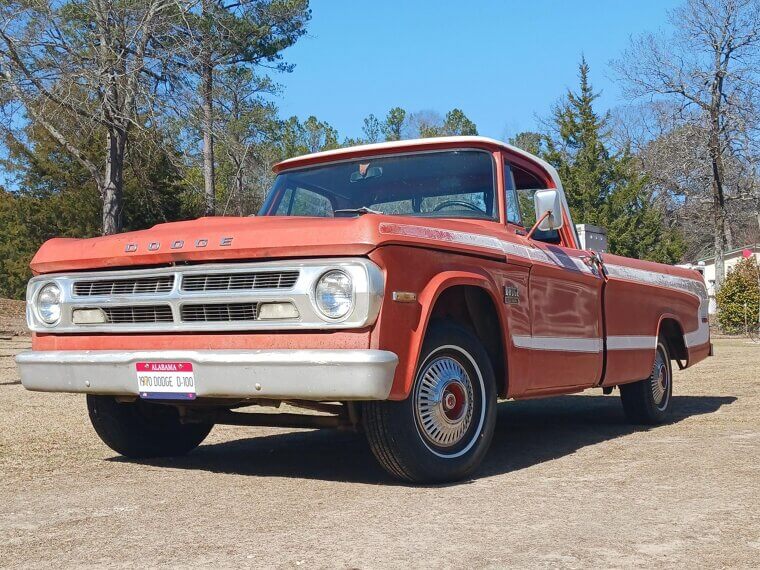
The Utiline designation is specific enough that misidentified trucks get corrected quickly at shows. That level of community knowledge drives accurate pricing — and rewards sellers who do their homework before consigning.
The 1967 Chevy C10 Longbed Fleetside
The longbed Fleetside configuration on the 1967 C10 was the practical choice — more cargo space, better balance when loaded, and a proportional look that many collectors actually prefer over the more popular shortbed. The longbed has been undervalued for years relative to its shorter sibling, which created a buying opportunity that smart collectors have been exploiting. That gap is narrowing. Recent auction results show longbed prices climbing faster than shortbed equivalents as buyers recognize the value differential.
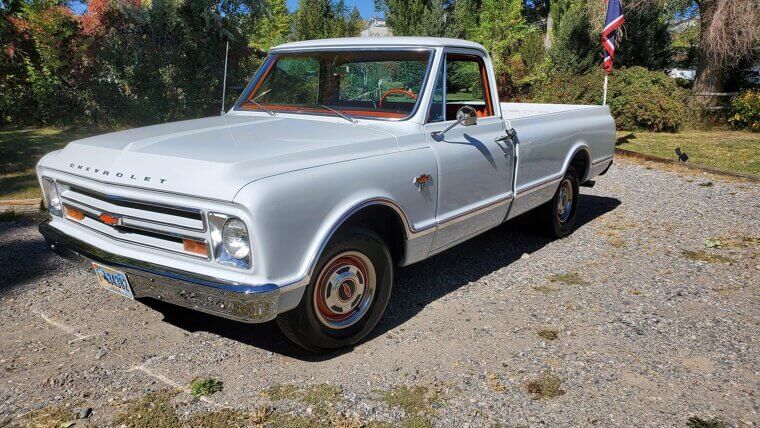
Longbed trucks were the working-class choice in 1967, bought by people who needed the space. Today they're the underdog choice at auction — still slightly cheaper than shortbeds, but the spread is tightening every year.
The 1975 GMC High Sierra Pickup Truck
GMC's High Sierra trim for 1975 arrived at a complicated moment — emissions regulations were tightening, fuel economy was suddenly a national conversation, and truck buyers were being asked to reconsider everything they thought they wanted. The High Sierra answered by being exactly what it had always been: well-appointed, capable, and comfortable enough to drive daily without complaint. That consistency aged well. High Sierra trucks from the mid-seventies are finding strong auction audiences among buyers who appreciate the pre-malaise era trim quality.
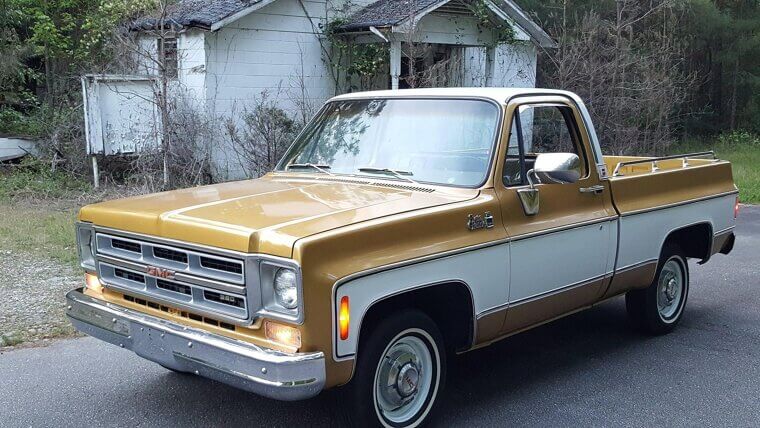
The 1975 model year sits right at the edge of the emissions era, which gives it a slightly different engine character than earlier trucks. Buyers who understand that distinction shop accordingly — and the prices reflect informed demand.
The 1966 Ford F-100 With Iconic Styling
Iconic is a word that gets overused, but the 1966 F-100 earns it. The styling that Ford landed on for the mid-sixties F-Series — the twin headlight arrangement, the wide hood, the clean door lines — created a visual template that influenced truck design for years. Clean 1966 examples have become consistent performers at auction, rarely disappointing sellers and frequently surprising buyers who expected to pay less. The combination of styling, availability of parts, and strong community support makes the '66 a reliable investment.
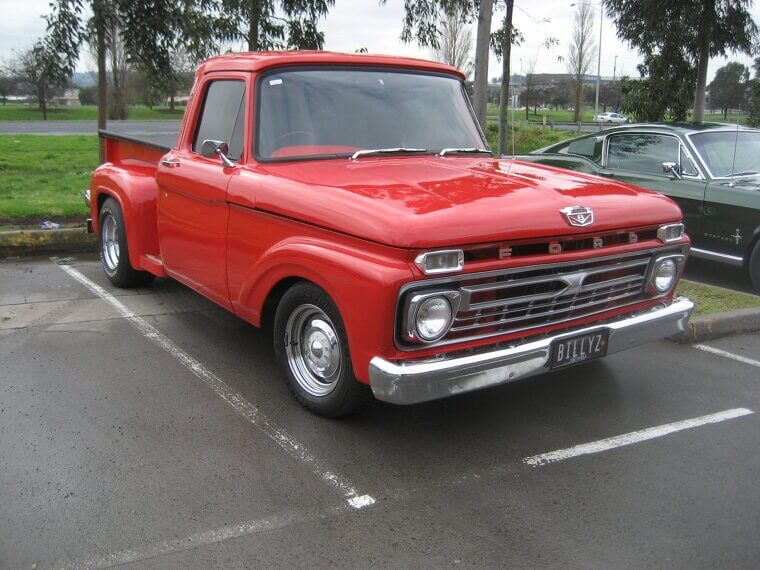
The 1966 F-100 exists in that collector sweet spot where supply is tight enough to keep prices strong but not so rare that finding a project truck is impossible. That balance makes it approachable for new collectors and rewarding for experienced ones.
The 1962 Studebaker Champ Pickup Truck
Here's one nobody sees coming. The 1962 Studebaker Champ was built on a Lark car platform, which gave it a cab-forward design that looked genuinely different from everything else on the road. Studebaker was already in financial trouble, which kept production numbers low and survivor rates lower. Today, a clean Champ at auction is a conversation piece, a history lesson, and a legitimate investment — all at once. Prices have been climbing as the truck collector world broadens its definition of what's worth owning.
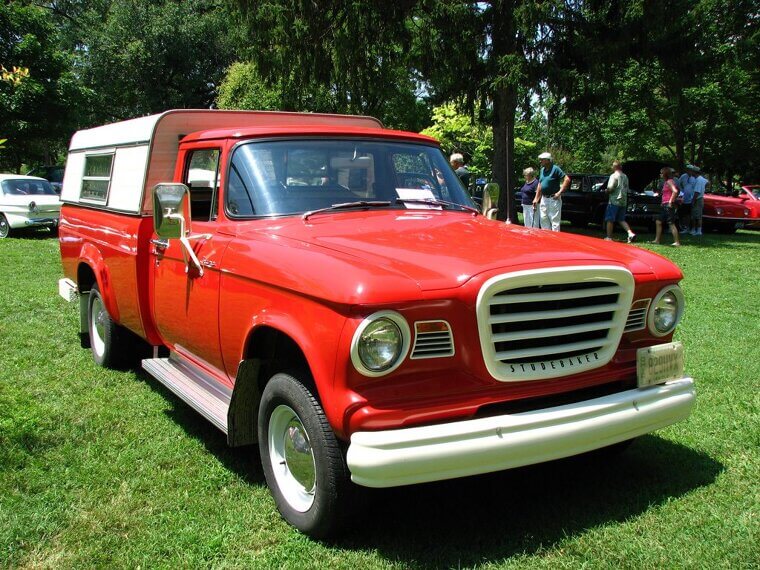
The Studebaker Champ is the kind of truck that stops people mid-conversation at a show. Nobody expects to see one, which means the owner gets to explain the whole story — and that story is genuinely fascinating.
The 1969 GMC C25 Wideside Pickup
The GMC C25 Wideside from 1969 occupies a specific niche that rewards patient collectors. Three-quarter-ton capacity, Wideside bed for maximum cargo utility, and the GMC badge that has historically kept prices slightly below Chevy equivalents — it's a combination that makes financial sense if you're buying with one eye on value. Recent auction results suggest the C25 is finally getting the recognition it deserves. Prices have moved meaningfully in the past three years, and the trajectory is pointing in one direction.
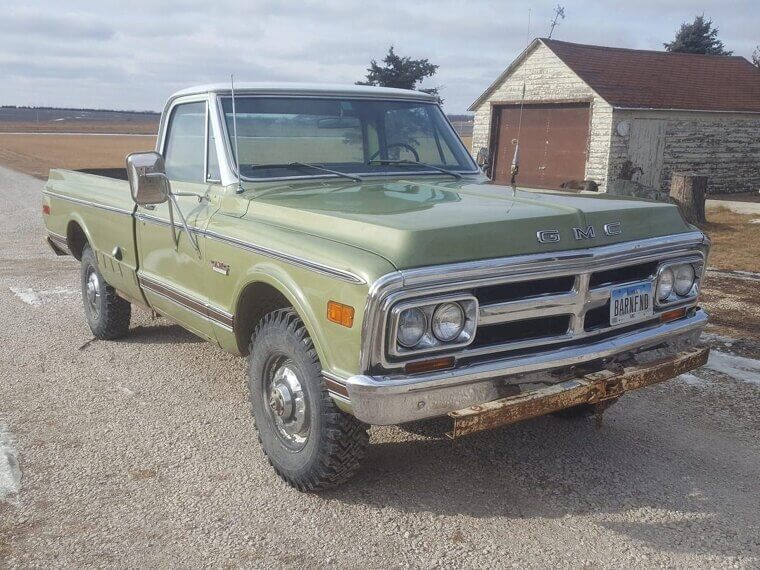
The Wideside designation on GMC trucks is the equivalent of Chevy's Fleetside — smooth, integrated bed sides with maximum width. It's the practical choice that's becoming the collector's choice as the market matures.
The 1972 Ford F-250 Camper Special
Save the best for last. The 1972 F-250 Camper Special was Ford's acknowledgment that Americans wanted to take their trucks on vacation, and it arrived fully equipped for the job — heavy-duty suspension, auxiliary fuel tank provisions, and a payload rating that could handle a truck camper without complaint. Today, a documented Camper Special with original equipment intact is a specific kind of trophy. Auction prices for top examples have crossed $60,000, driven by buyers who want the full story, not just the truck.
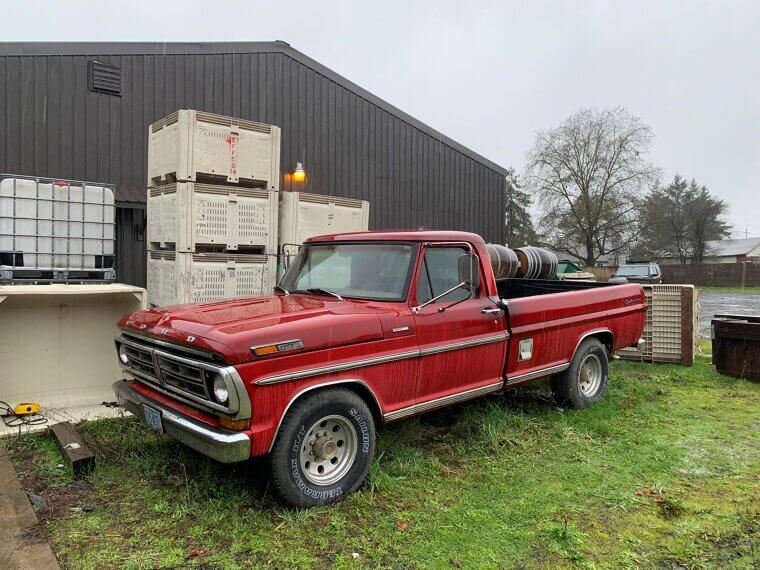
The Camper Special package documentation — window sticker, build sheet, original owner's manual — can add $8,000 to $12,000 to the final sale price on its own. Provenance isn't just interesting on these trucks. It's money.