
Luxury cars bleed money the moment you drive off the lot. Sports cars — the right ones — tell a different story. These affordable performance machines are quietly outpacing six-figure exotics when it comes to holding their value.
Mitsubishi Eclipse Cross Holds Surprising Resale
You probably didn't see this one coming. The Eclipse Cross isn't a traditional sports car, but its turbocharged punch and all-wheel drive setup have given it staying power that shocks even seasoned dealers. Mitsubishi's reputation for reliability keeps used buyers coming back, and limited new inventory has tightened supply on the used market. The result? Depreciation curves that flatten out faster than competitors twice its price.
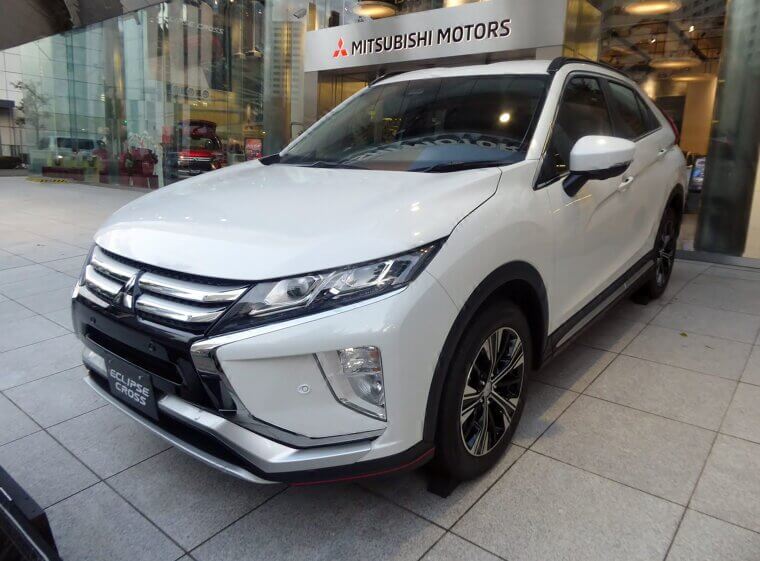
Resale analysts have flagged the Eclipse Cross as a consistent overperformer in its segment. Buyers who purchased near MSRP are finding they've lost far less than expected after three years of ownership.
The Mazda MX-5 Miata Holds Its Ground
Decades in production and it still commands respect at every price point. The MX-5 Miata is one of the rare cars where a ten-year-old example with 80,000 miles still fetches real money — because the driving experience hasn't been diluted. Mazda has resisted the urge to bloat it with horsepower or tech gimmicks, and that restraint is exactly what keeps used values stubbornly high. Simplicity, it turns out, is a financial strategy.
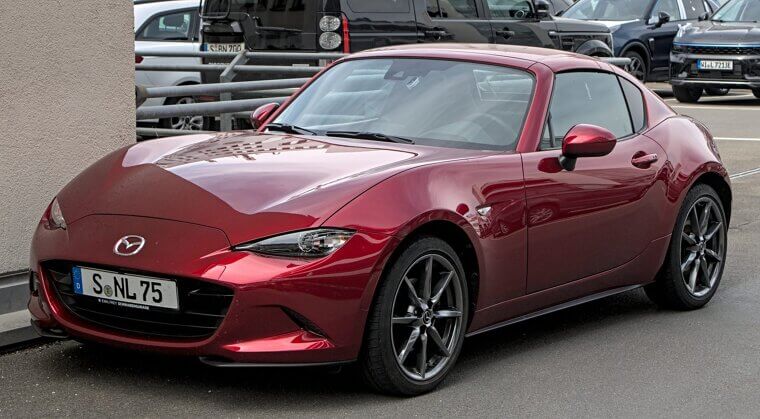
A well-maintained NA or NB Miata can now sell for more than its original sticker price. The newer ND generation holds roughly 55–60% of its value after three years, outpacing most sedans and crossovers.
Ford Mustang GT Stays Strong Over Time
Picture this: a five-year-old Mustang GT sitting on a used lot, priced within $4,000 of what the original buyer paid. That's not a fluke — it's a pattern. The GT's V8 soundtrack, rear-wheel drive layout, and massive enthusiast community create a floor under resale prices that few affordable performance cars can match. When gas prices spike, values dip slightly. When they stabilize, used GT prices bounce right back up.
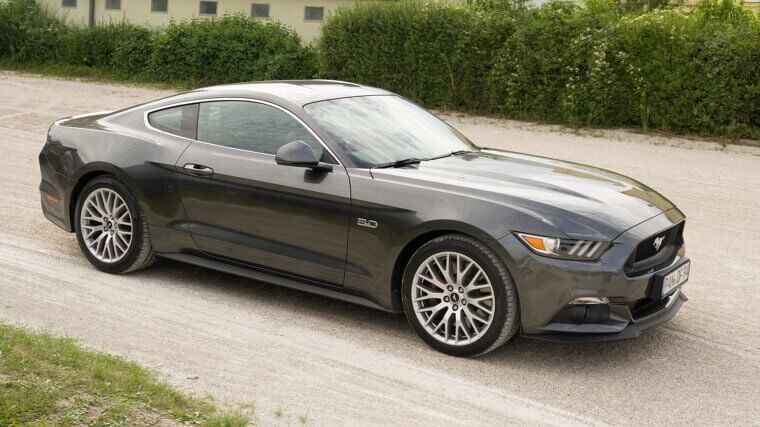
The Mustang GT consistently ranks among the top depreciating-slowly vehicles in the under-$40,000 sports car category. Its broad appeal across age groups keeps demand steady in virtually every U.S. market.
Chevrolet Camaro SS Defies Depreciation
Would you believe a muscle car with 455 horsepower is quietly beating depreciation curves that trap luxury sedan buyers? The Camaro SS loses value more slowly than its reputation suggests, largely because buyers who want one really want one — and they'll pay for a clean used example rather than settle for something else. The SS's combination of track capability and street presence creates a dual-market demand that keeps prices honest.
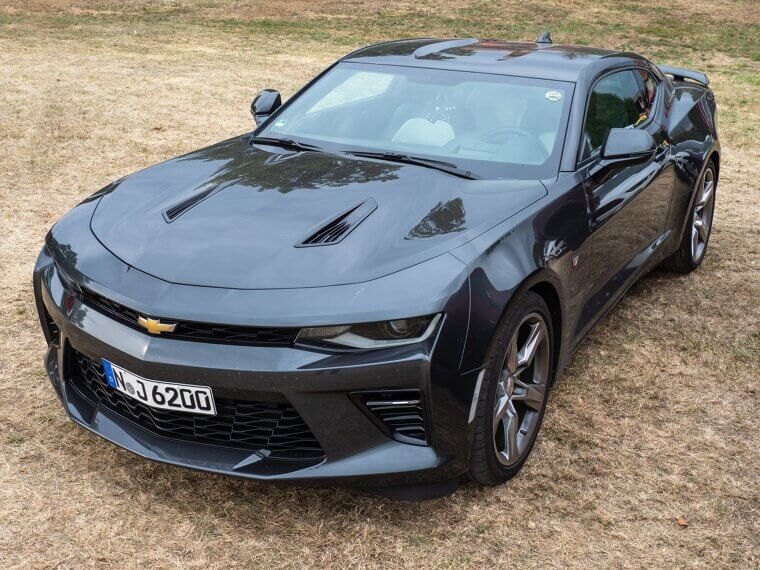
With Chevy discontinuing the Camaro after 2024, used SS values are already climbing. Dealers are reporting stronger-than-expected bids on low-mileage examples, particularly manual transmission cars.
Subaru BRZ Punches Above Its Price Tag
The BRZ launched at a price that made sports car fans do a double-take — in the best way. Subaru kept it light, kept it rear-wheel drive, and kept the focus on driver engagement over raw numbers. That philosophy built a fanbase that treats used BRZs like investments. The second generation tightened the formula further, and now even first-gen examples are holding value as buyers who missed them new hunt the used market aggressively.
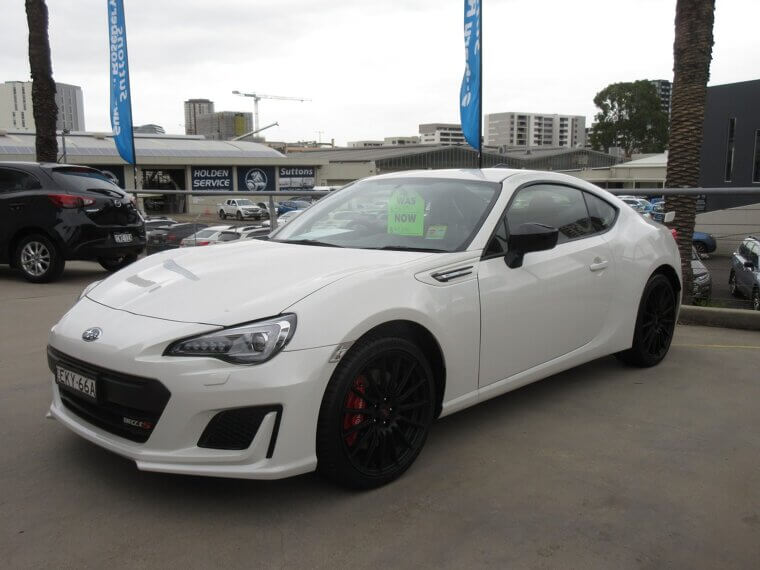
Three-year-old BRZ models are retaining close to 60% of their original value in most markets. That's a number that makes compact crossover depreciation look embarrassing by comparison.
Toyota GR86 Earns Its Loyal Following
Toyota handed the GR86 a genuine upgrade — more displacement, more power, sharper chassis — without abandoning what made the original special. That careful evolution earned trust from buyers who'd been burned by half-hearted refreshes before. The result is a car with a waiting list at launch and strong used prices now that inventory has normalized. Loyal owners rarely sell, and when they do, the market absorbs their cars quickly.
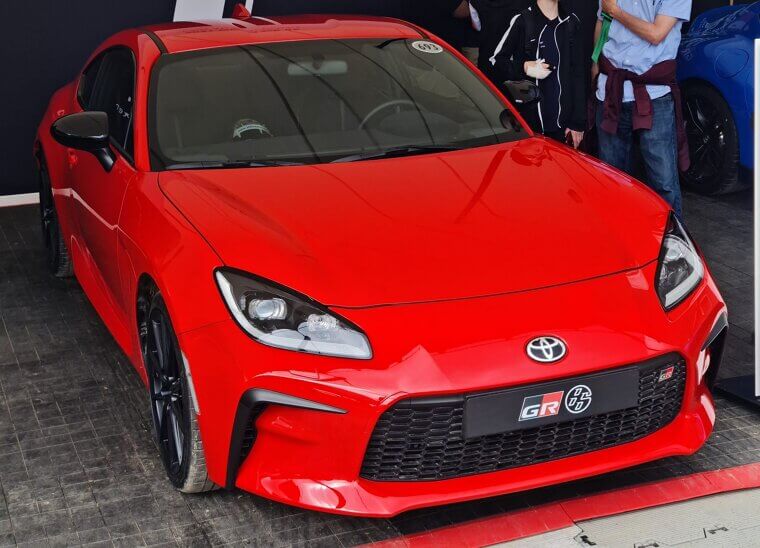
The GR86's connection to Toyota's Gazoo Racing brand adds a performance pedigree that punches well above its price point. That badge recognition translates directly into stronger resale confidence among used buyers.
Dodge Challenger Holds Value Like a Classic
Here's something the spreadsheet crowd didn't predict: the Dodge Challenger, a car based on a platform old enough to vote, holds value like a certified classic. Its retro styling means it never looks dated, and its massive engine options — including the legendary Hellcat — create a collector tier that props up the entire lineup's resale floor. Even base V6 models benefit from the halo effect of the brand's performance reputation.
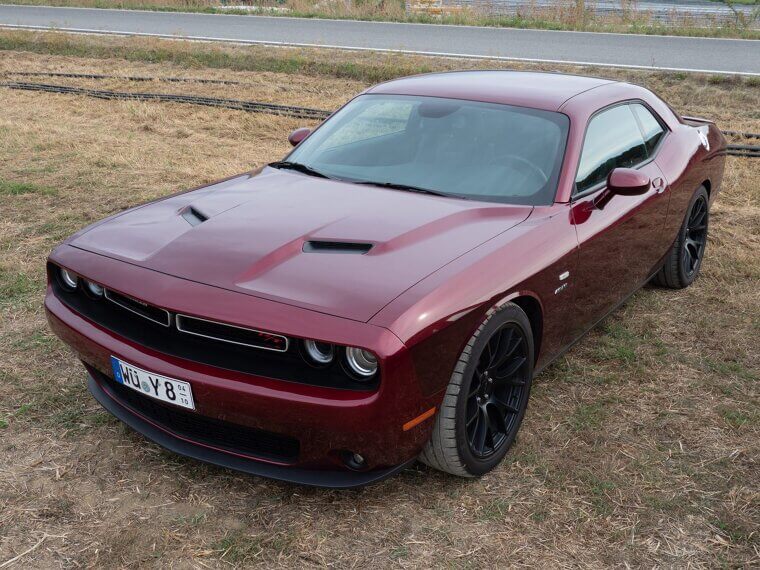
With Dodge ending Challenger production in 2023, the used market has already responded. Prices on clean, low-mileage examples have ticked upward, and Hellcat variants are being treated like future collectibles right now.
Honda Civic Si Surprises as a Value Keeper
Nobody buys a Honda Civic Si expecting it to be a financial genius move. Then they try to sell it. The Si occupies a sweet spot between daily driver and weekend toy that almost no competitor has cracked at its price point. Honda's reliability reputation keeps buyers confident in used examples, and the manual-only transmission actually filters out the casual buyers, leaving a used market full of enthusiasts willing to pay fair prices.
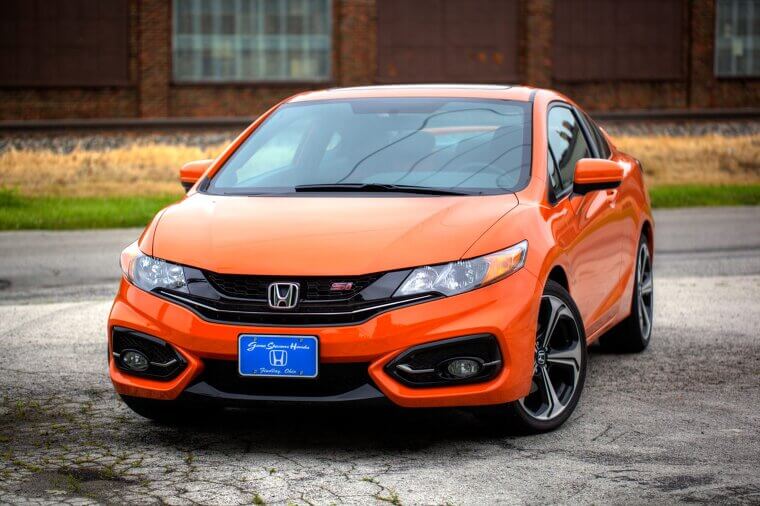
The current-generation Civic Si has held roughly 65% of its value at the two-year mark — a figure that embarrasses plenty of luxury sport sedans costing twice as much. It's one of the quiet overachievers in the segment.
Porsche 718 Cayman Sits in Its Own League
$60,000 for a Porsche. That used to be a punchline. Now it's a starting point for a mid-engine sports car that loses money slower than almost anything else in the enthusiast world. The 718 Cayman sits in its own depreciation category — not quite exotic, not quite affordable, but with resale performance that embarrasses both. Porsche's manufacturing quality and brand prestige create a floor that holds even when the broader used car market softens.
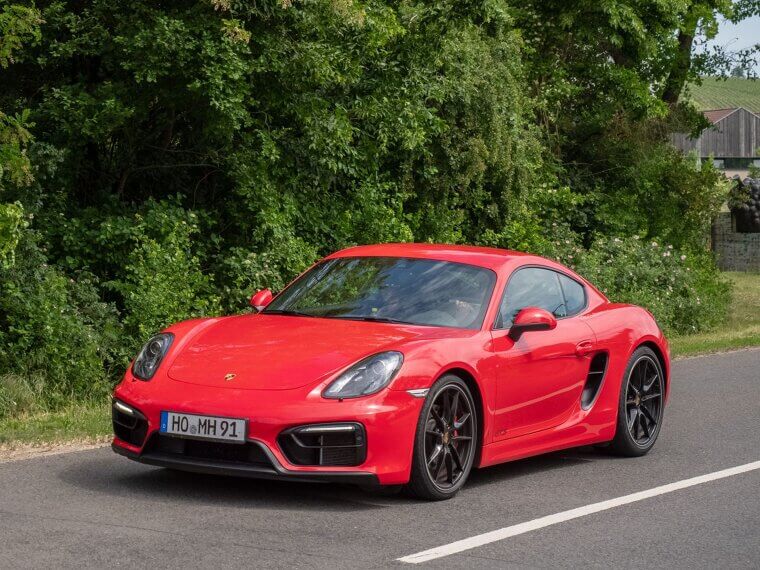
Three-year-old 718 Caymans regularly sell for 70–75% of their original MSRP. Compare that to a comparable BMW or Mercedes sports coupe, and the Porsche suddenly looks like the rational choice — which is a sentence nobody expected to write.
Mazda MX-5 RF Keeps Manual Buyers Happy
The RF — retractable fastback — added a folding hardtop to the Miata formula and somehow made it even more desirable. Manual transmission buyers especially gravitate toward used RF examples, creating a sub-market with its own pricing logic. Supply has always been tighter than the standard soft-top, and that scarcity premium shows up clearly in used listings. Finding a clean RF with a stick shift is genuinely difficult, which is exactly why sellers can ask more.
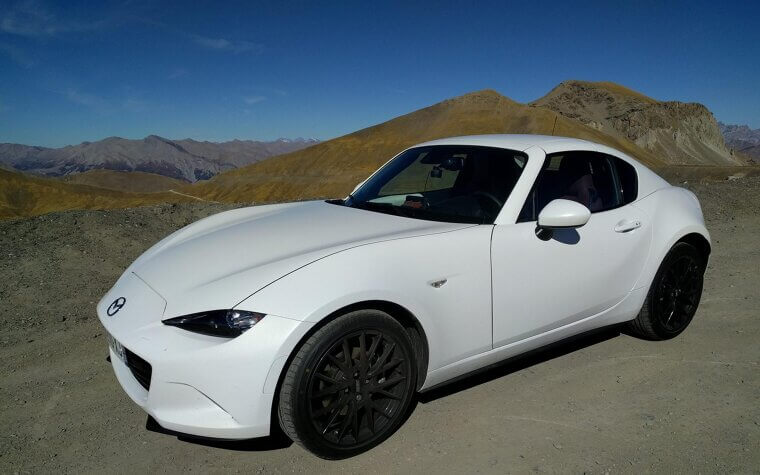
The MX-5 RF in manual trim holds a measurable price premium over the automatic version on the used market. Enthusiast demand for the driving-focused configuration keeps depreciation notably slower than the broader Miata lineup.
Ford Mustang Shelby GT500 Gains Collector Status
Test drivers came back from the GT500 white-knuckled and grinning. The 760-horsepower supercharged V8 was never meant to be subtle, and the market has rewarded that commitment to excess with collector-grade resale values. Original MSRP was around $74,000. Clean used examples? Often more. The GT500 crossed from performance car into investment territory almost immediately after launch, particularly the final production year models.
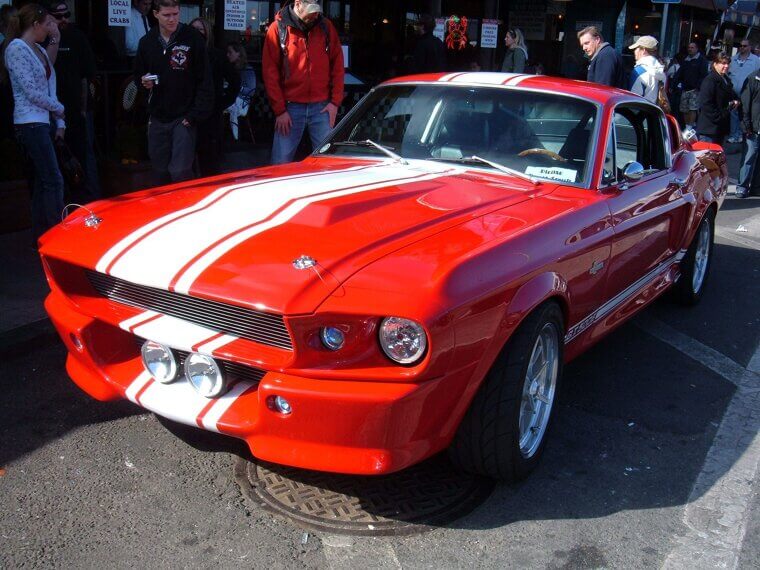
Certain GT500 configurations — specifically the Carbon Fiber Track Pack cars — have sold at auction for well above sticker. The combination of limited production numbers and extreme performance credentials makes them magnets for serious collectors.
Honda S2000 Refuses to Lose Its Worth
Honda killed the S2000 in 2009 and immediately created a legend. The high-revving 2.0-liter engine, the perfect weight distribution, the manual-only transmission — it was already special when new. Fifteen years later, clean examples are selling for more than they cost originally. This isn't nostalgia driving prices. It's the sober recognition that Honda has never built anything quite like it since, and probably never will again.
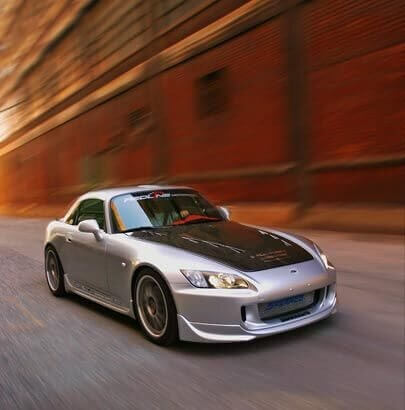
Low-mileage, unmodified S2000s now regularly clear $30,000–$40,000 at auction and on private sale platforms. Prices have increased steadily for the past six years, showing no signs of plateauing anytime soon.
Subaru WRX STI Builds a Devoted Fanbase
The STI built its reputation one rally stage at a time. Subaru's motorsport heritage gave the car a credibility that no marketing budget could manufacture, and that credibility lives in the used market decades later. Enthusiasts don't just buy STIs — they form communities around them. That tribal loyalty creates a buyer pool that's always ready to absorb used inventory at prices that reflect the car's performance legacy rather than its age.
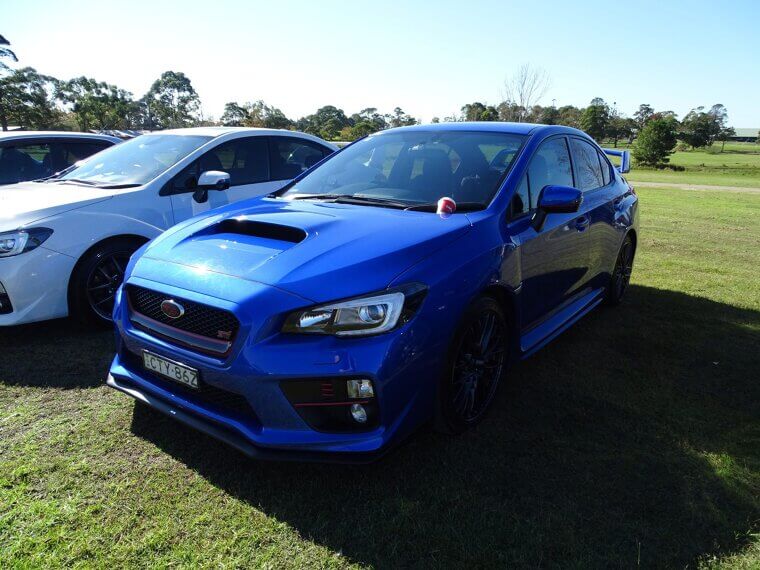
The final-generation STI, discontinued after 2021, has already begun appreciating on the used market. Manual transmission, all-wheel drive, and a devoted global fanbase form a combination that practically writes its own resale story.
Mazda RX-7 Grows More Valuable Each Year
Every year, somebody declares the RX-7 has peaked. Every year, they're wrong. Mazda's rotary-powered sports car has climbed so consistently that early examples now occupy the same price territory as modern performance cars — except they're 30 years old. The third-generation FD body, in particular, has become a benchmark of Japanese sports car design. Clean, stock examples are increasingly rare, and rarity is the most reliable appreciation engine in the collector market.
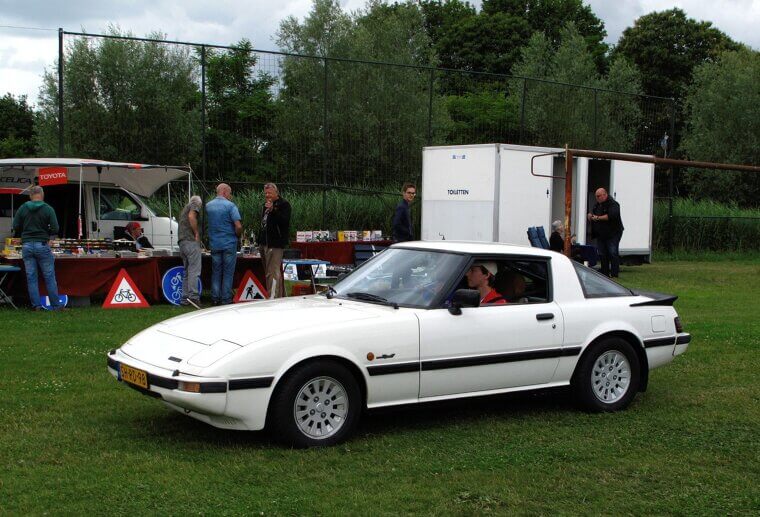
FD RX-7s in excellent, unmodified condition have crossed the $50,000 threshold at respected auction houses. That's a number that would have seemed absurd a decade ago — and it's still climbing.
Volkswagen GTI Remains a Beloved Bargain
The GTI has been called the world's greatest all-rounder so many times it's almost a cliché. What isn't discussed enough is how that reputation protects used buyers financially. The GTI depreciates slower than most of its competitors because the demand never really disappears — there's always a new wave of buyers discovering it for the first time and willing to pay for a clean used example. It's the sports car equivalent of a blue-chip stock.
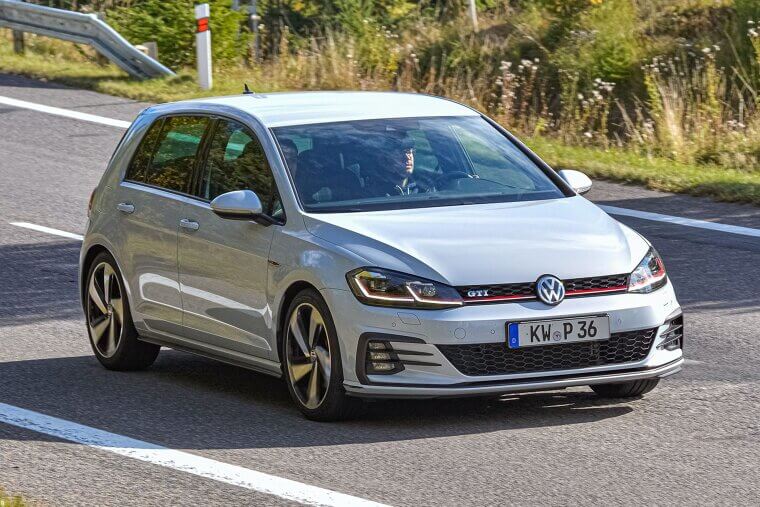
Current-generation GTIs hold around 55–60% of their value at the three-year mark, which is genuinely impressive for a front-wheel drive hatchback priced under $35,000. The manual transmission version consistently commands a premium on the used market.
BMW M2 Outperforms Pricier German Rivals
$65,000 for a BMW M2. That's the jaw-drop moment. But here's the twist — it's the pricier M3 and M4 that lose money faster. The M2 occupies a focused, driver-centric niche that attracts buyers who actually use their cars, and those buyers pay a premium for clean used examples. BMW's decision to keep the M2 as a pure two-door coupe, rather than expanding it into a family, has protected its identity and its resale floor simultaneously.
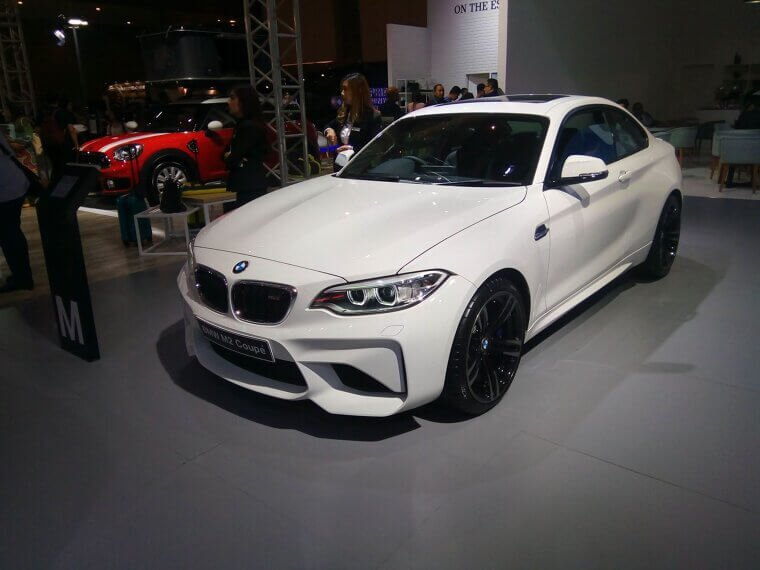
Used M2 values have held remarkably well against the M3 and M4, despite being significantly cheaper new. Enthusiasts cite the M2's purity of purpose as the reason they'll pay used prices that nearly match original MSRP.
Toyota GR Corolla Earns Instant Collector Appeal
Toyota released 1,500 GR Corollas for the U.S. market in the first year. That's it. Fifteen hundred. The waiting lists formed before anyone had driven one, and when reviews confirmed it was genuinely extraordinary, the feeding frenzy began. Used examples appeared immediately at markups that would make a Porsche dealer blush. This is what instant collector appeal looks like — a car that earns its premium before the first owner has put 1,000 miles on the odometer.
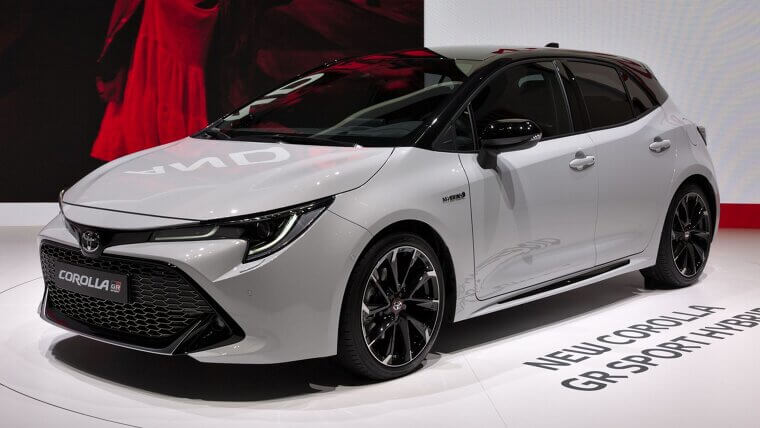
First-year GR Corollas have sold used for $15,000–$25,000 above original MSRP. That's not speculation or hype — it's documented transaction data from major auction platforms and enthusiast marketplaces across the country.
Ford Shelby GT350 Commands Respect at Auction
The GT350 was the car that reminded the world Ford could still build something truly special. The flat-plane crank V8 — borrowed from racing technology — produced a sound and a rev range that no other American production car could match. Auction houses noticed. Clean GT350R models have repeatedly crossed $100,000, and standard GT350s with low mileage aren't far behind. What started as a $60,000 performance car became a six-figure collector piece within five years.
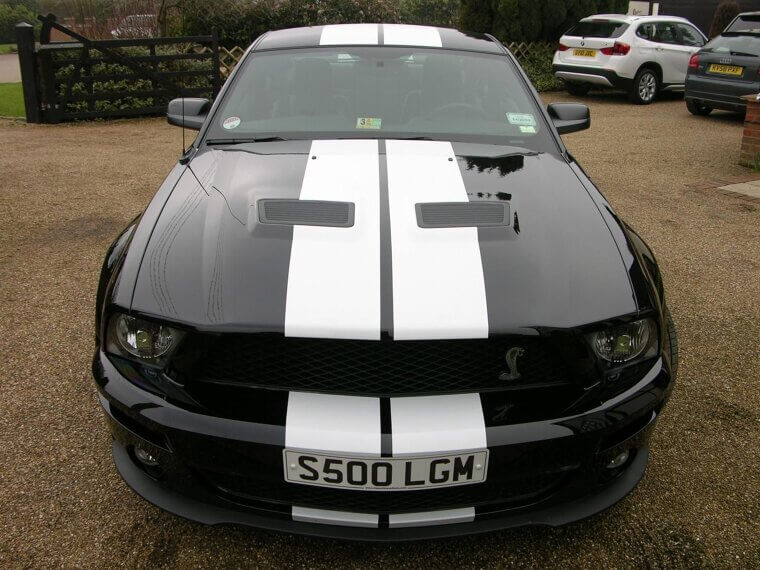
The GT350R, with its carbon fiber wheels and track-focused setup, commands the strongest premiums at auction. Fewer than 1,000 were sold in some model years, making clean examples genuinely scarce in a market hungry for them.
Dodge Viper ACR Holds Auction Records Steady
$120,000. That's what a used Viper ACR can command today — sometimes more. The ACR (American Club Racer) package turned an already extreme car into something that held lap records at circuits around the world. Dodge built it with no apologies and no compromises, and the collector market has responded with no hesitation. These aren't garage queens; they're cars that proved themselves on track, and that provenance is worth real money.
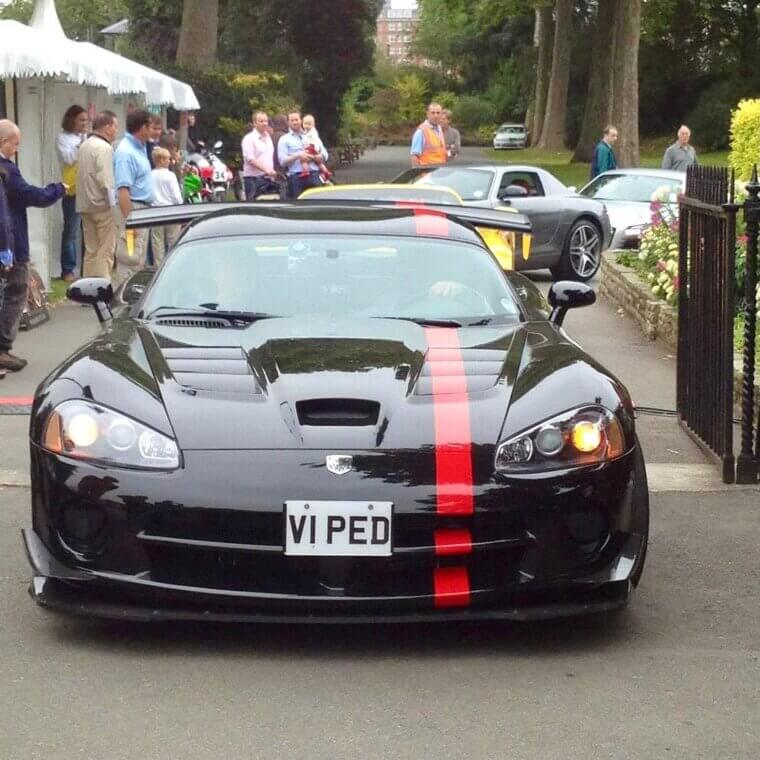
The Viper ACR holds the distinction of having set production car lap records at multiple famous circuits, including Laguna Seca and Road America. That documented performance history is a significant factor in its sustained auction strength.
Chevrolet Corvette Stingray Outshines European Rivals
The math doesn't lie. A base C8 Corvette Stingray starts under $65,000 and delivers mid-engine performance that European sports cars charge $150,000 to match. Used C8s hold their value with an aggression that reflects genuine demand — not hype. Buyers who couldn't get one new at MSRP paid premiums on the used market, and that ceiling set a new floor for the entire generation. The Corvette finally got the respect its performance always deserved.
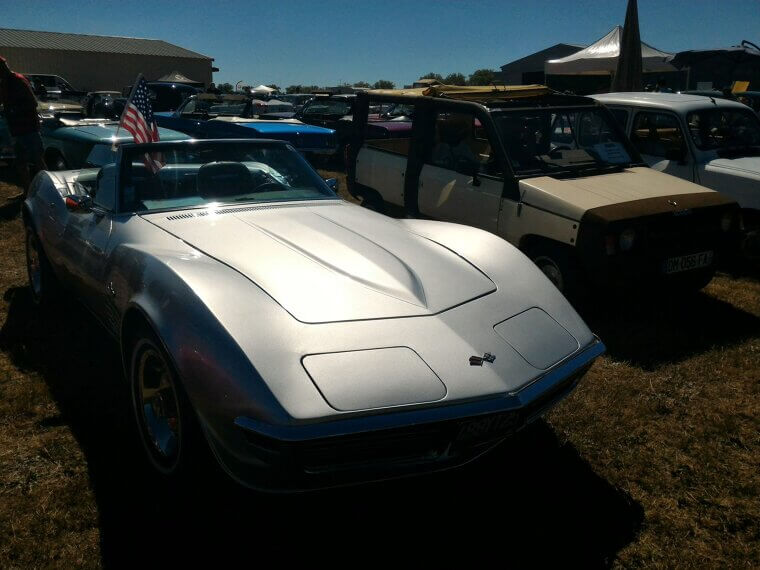
C8 Stingrays regularly retain 80–85% of their value at the two-year mark — a figure that makes most European sports cars look like financial liabilities. The Z51 performance package adds a measurable premium on the used market.
Porsche 944 Turbo Climbs in Collector Demand
For years, the 944 Turbo was the Porsche you bought when you couldn't afford a 911. Then something shifted. Collectors started recognizing it as a genuinely great driver's car — balanced, communicable, and historically significant as Porsche's first real attempt at a front-engine sports car done right. Prices have climbed steadily for a decade. What cost $8,000 in 2010 now costs $30,000–$50,000 for a clean example, and the curve hasn't flattened.
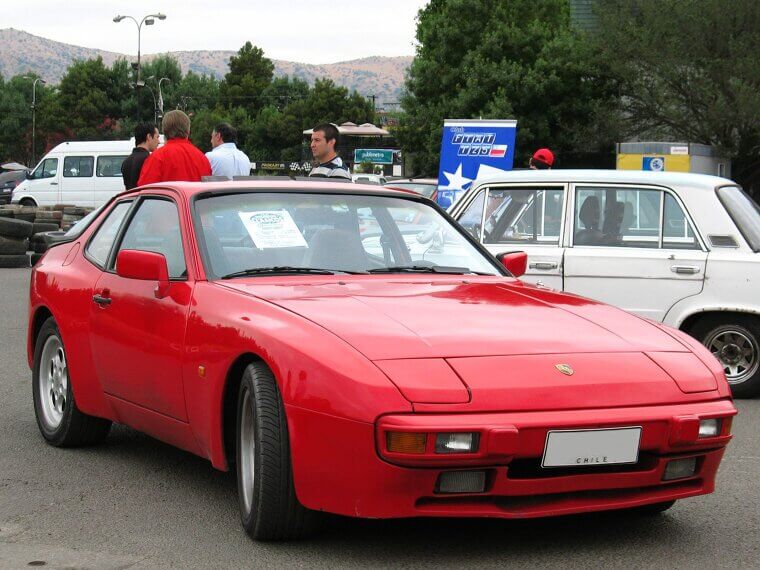
The 944 Turbo's rehabilitation in collector circles mirrors the broader appreciation of 1980s performance cars. Its combination of Porsche engineering, period-correct styling, and genuine driving satisfaction has made it a legitimate investment piece.
Nissan Skyline GT-R Stays a Legend Forever
The R32 and R34 Nissan Skyline GT-R were never officially sold in the United States. That didn't stop Americans from obsessing over them for thirty years. Now that the 25-year import rule has opened the door to legally importing R32s, prices have gone stratospheric. Clean examples are crossing $80,000–$100,000 regularly. The legend built by Gran Turismo, Fast and Furious, and decades of motorsport dominance has a direct dollar value — and it's enormous.
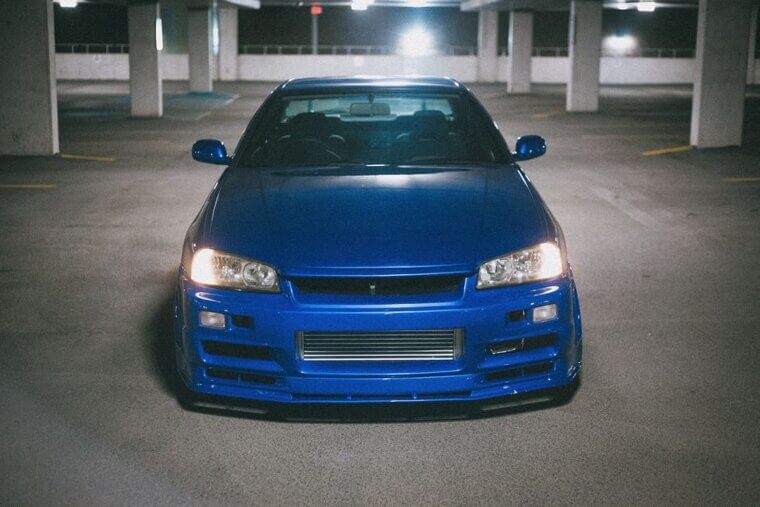
R34 GT-Rs, still years away from legal U.S. import eligibility, are already being purchased internationally at prices exceeding $150,000. The anticipation alone has driven values to levels that would have seemed impossible fifteen years ago.
Acura Integra Type S Earns Its Reputation
Acura brought the Integra back and then added a Type S badge to it — and the enthusiast world responded with genuine excitement rather than the usual skepticism. The Type S is manual-only, turbocharged, and limited in production, which is essentially a three-ingredient recipe for strong resale values. Early buyers who snagged one at MSRP found themselves sitting on a used car worth more than they paid, sometimes within months of taking delivery.
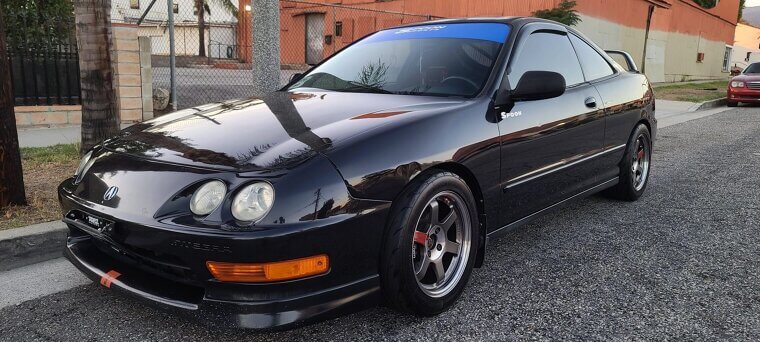
The Integra Type S's manual-only policy is a deliberate signal to enthusiasts, and those enthusiasts have rewarded Acura with strong used demand. Clean examples are consistently selling above sticker in private party transactions.
Honda Civic Type R Dominates the Resale Market
The FK8 Civic Type R launched at $34,000 and immediately sold for $50,000 at dealers willing to play the markup game. Used prices followed the same logic — buyers who wanted one badly enough paid the premium, setting a resale floor that has barely budged. The FL5 generation repeated the pattern almost exactly. Honda's commitment to a manual-only, front-wheel drive performance car in an era of automatics and AWD has made the Type R a genuine collector target.
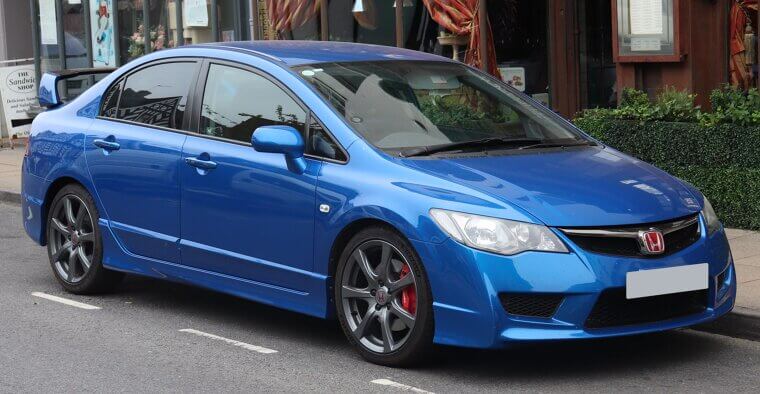
FK8 Civic Type Rs in Championship White — the only color available at launch — command an additional premium on the used market. Color scarcity combined with overall limited supply keeps this specific configuration in constant demand.
Toyota Supra Proves Affordable Can Mean Timeless
The A90 Supra divided opinions at launch. BMW engine. Automatic-only at first. No manual. The internet was furious. Then people drove it, and the conversation changed. The Supra's chassis dynamics were genuinely excellent, the inline-six was responsive and tuneable, and Toyota's decision to bring back the nameplate carried emotional weight that translated into real market demand. Used values stabilized faster than critics predicted, and the manual-equipped versions have only strengthened the case.
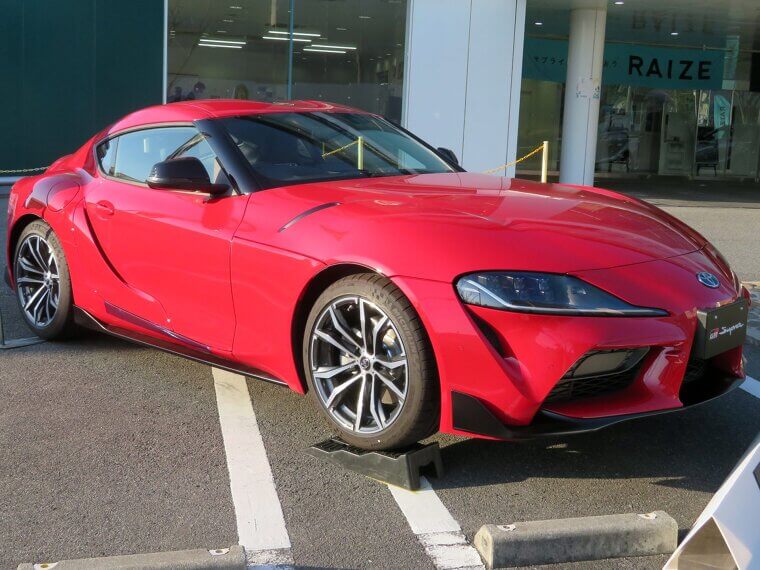
The addition of a six-speed manual to the Supra lineup gave used values a meaningful boost across the entire model range. Even pre-manual examples benefited from the renewed enthusiasm the transmission option generated among buyers.
Volkswagen Golf R Holds Steady Against Rivals
The Golf R has always been the sensible choice for someone who wants serious performance without announcing it to the world. That quiet competence has a financial benefit — the used market for Golf Rs is broad and consistent, drawing buyers from multiple demographics who each value different aspects of the same car. All-wheel drive, a refined turbocharged engine, and Volkswagen's build quality combine to create a used car that sells itself with minimal drama.
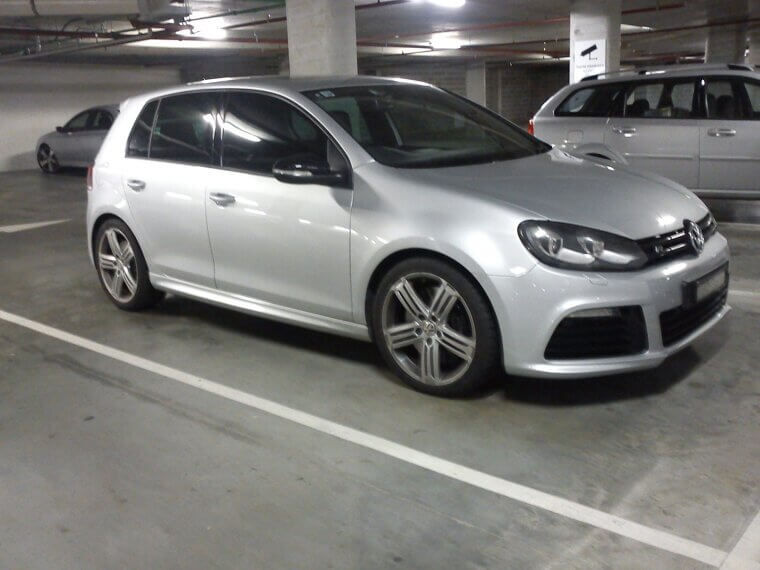
Golf R resale values typically outperform the standard GTI by a meaningful margin, reflecting the all-wheel drive premium and the R's broader performance capability. The 20th Anniversary Edition commands particularly strong used prices.
Hyundai Elantra N Surprises Everyone at Resale
Nobody expected Hyundai to build a performance car that could embarrass established rivals on a track. Then the Elantra N showed up and started setting benchmark lap times at prices that made the competition look overpriced. The surprise factor works in used buyers' favor too — sellers often don't realize what they have, and buyers who do know get to capitalize on that knowledge gap. It's one of the few cars where being underestimated is actually a financial advantage.
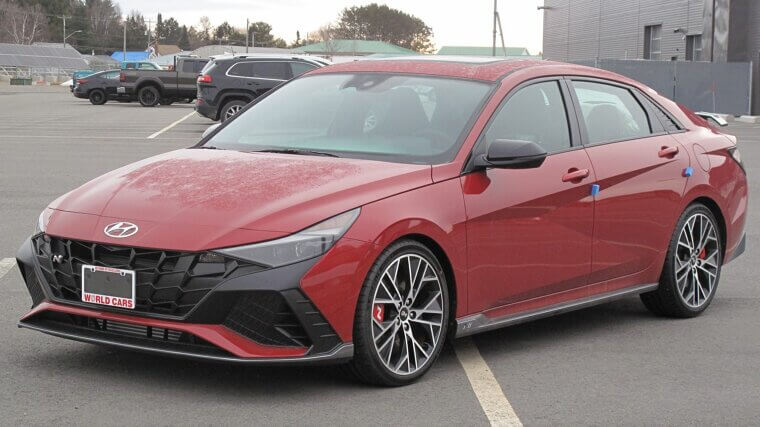
The Elantra N's resale performance has consistently outpaced Hyundai's own projections, driven by enthusiast demand that the company didn't fully anticipate. Manual transmission examples are especially sought after in the used market.
Acura NSX Proves Affordable Exotics Appreciate Well
The original NSX sold for around $60,000 when new. Clean examples today? Try $80,000–$120,000 for a well-maintained first-generation car. Honda's all-aluminum exotic, developed with input from Ayrton Senna, proved that a reliable, daily-driveable supercar was possible — and the market has spent thirty years rewarding that achievement. The second-generation hybrid NSX followed a similar trajectory, with used values holding far better than its initial depreciation suggested they would.
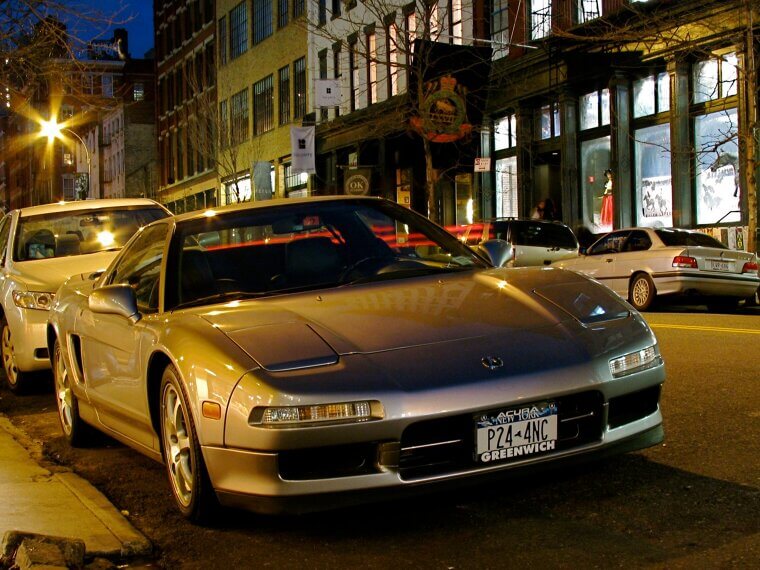
First-generation NSXs in original condition with documented service history have crossed six figures at major auction houses. The combination of Honda reliability and genuine supercar performance credentials makes them uniquely desirable to collectors.
Ford Focus RS Commands Premium Prices Used
Ford sold the Focus RS in America for exactly two model years. That's it. The all-wheel drive, drift-mode-equipped hot hatch was a genuine performance bargain at $36,000 new, and the used market figured that out almost immediately. Supply dried up fast, prices climbed, and now a clean Focus RS commands $30,000–$40,000 used — sometimes more than original sticker. Brief production runs have a way of turning ordinary purchases into extraordinary financial decisions.
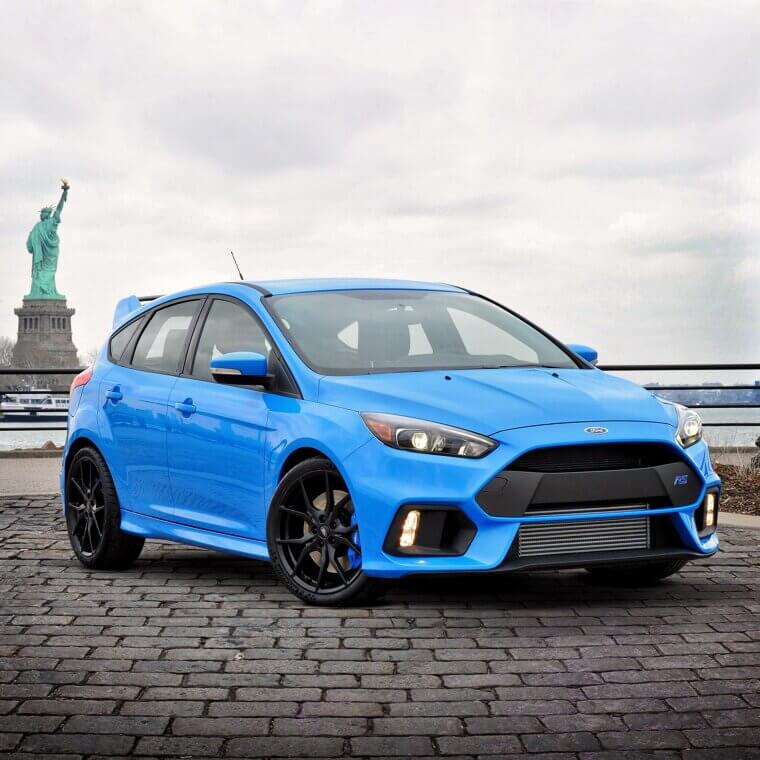
The Focus RS's Drift Mode — a genuine factory feature that used rear brake bias to induce oversteer — became a cultural touchstone that elevated the car's profile beyond its price point. That notoriety has a measurable impact on used values.
Chevrolet Camaro Z28 Earns Serious Collector Money
The Z28 was Chevrolet's track-focused answer to every criticism the Camaro had ever received. No air conditioning. No radio. A 7.0-liter naturally aspirated V8. It was built for one purpose, and it executed that purpose so completely that collectors immediately recognized its significance. Production numbers were low, serious buyers were many, and the result was a car that has appreciated steadily since the last one rolled off the line. Serious collector money, indeed.
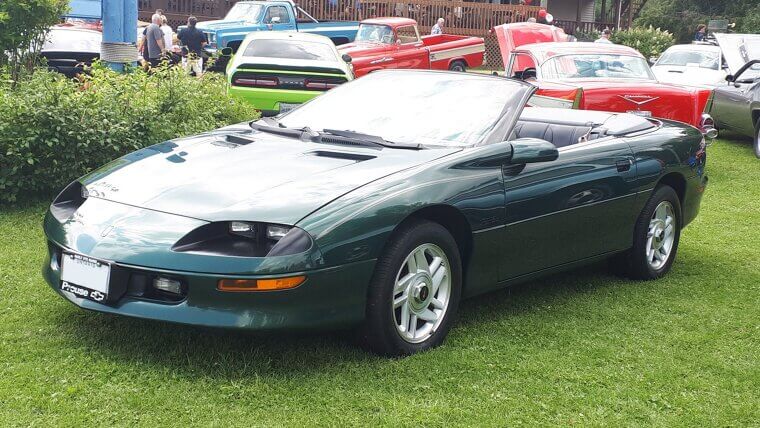
Low-mileage Z28s have cleared $80,000–$90,000 at auction — nearly double their original MSRP in some cases. The track-only intent, combined with limited production, has created exactly the kind of scarcity that drives long-term value appreciation.
Nissan Z Carries a Legacy Worth Keeping
Fifty years of Z. That's the legacy Nissan leaned on when it launched the current generation, and it's a legacy that carries genuine financial weight. The Z's combination of twin-turbo V6 power, classic proportions, and Nissan's long performance history creates a used market where demand consistently meets or exceeds supply. Buyers who want a Z want specifically a Z — they're not cross-shopping aggressively, which gives sellers pricing confidence.
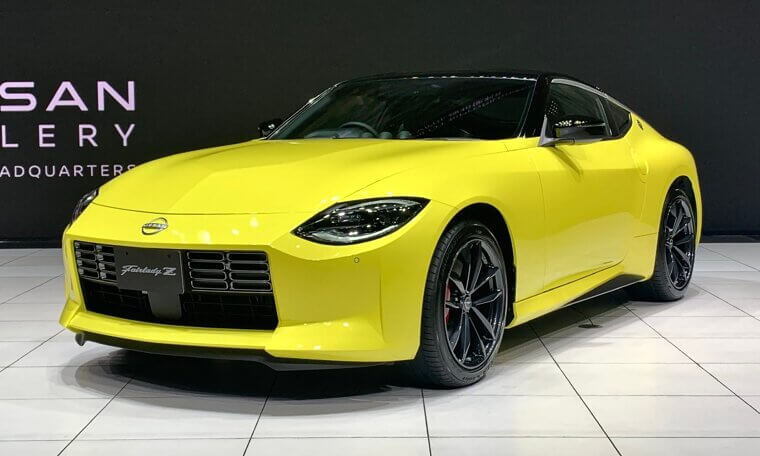
Early allocation shortages for the current Z generation created a used market premium that has slowly normalized but hasn't disappeared entirely. Manual transmission cars remain the preferred configuration among enthusiasts and command accordingly stronger prices.
Toyota MR2 Spyder Quietly Becomes a Rarity
Quietly, without fanfare, the MR2 Spyder has become genuinely hard to find in good condition. Toyota's lightweight roadster was never produced in massive numbers, and the ones that survive unmodified and unmolested are increasingly rare. Collectors who dismissed it as a budget convertible are now paying real money for clean examples. Mid-engine layout, manual transmission, and Toyota reliability form a combination that the used market has finally decided to take seriously.
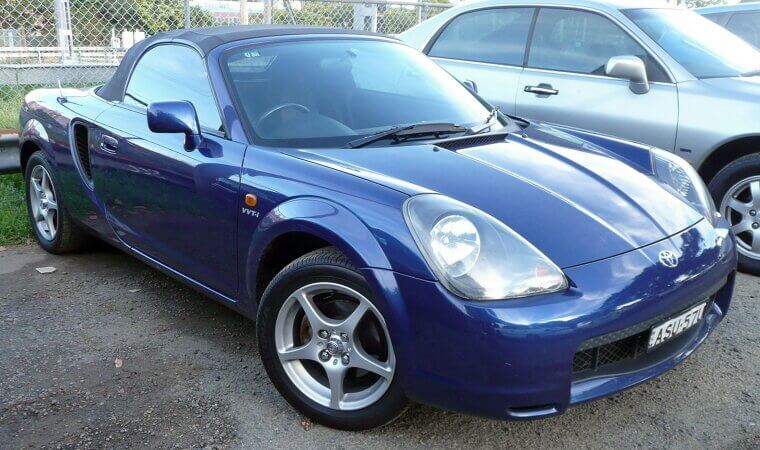
Well-preserved MR2 Spyders with low mileage and original paint are selling in the $15,000–$22,000 range — a significant premium over where values sat just five years ago. The trajectory suggests continued appreciation as surviving examples become scarcer.
Lotus Elise Holds Value Through Sheer Purity
Lotus built the Elise with one philosophy: remove everything that isn't necessary. The result weighed under 1,600 pounds and delivered a driving experience so pure that owners describe it in terms usually reserved for religious experiences. That purity has a price. Clean Elises have climbed steadily in value as buyers recognize that Lotus will never build anything quite like it again — especially now that the company has pivoted toward heavier, more technologically complex vehicles.
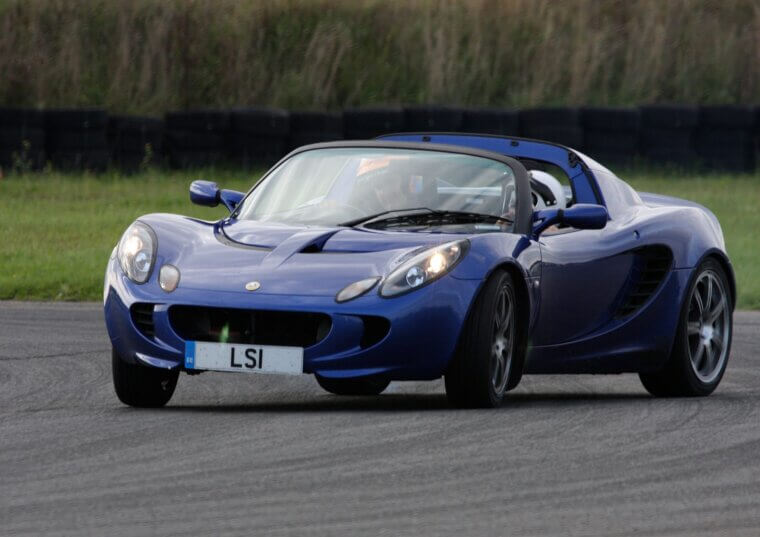
U.S.-spec Elises, sold here from 2005 to 2011, are now commanding $35,000–$55,000 for clean, low-mileage examples. The combination of limited supply, extreme driver focus, and Lotus's evolving lineup makes these cars increasingly compelling as long-term holds.
Mazda Speed3 Surprises Buyers at Resale Time
Mazdaspeed3. Say it to any hot hatch enthusiast and watch their eyes light up. Mazda's turbocharged, front-wheel drive monster was never supposed to be subtle — 263 horsepower through the front wheels ensured it wasn't. Torque steer was legendary. So was the fun. Mazda never built a successor, which means every surviving Mazdaspeed3 is one of a finite number that will only decrease over time. Resale prices have responded to that math with predictable enthusiasm.
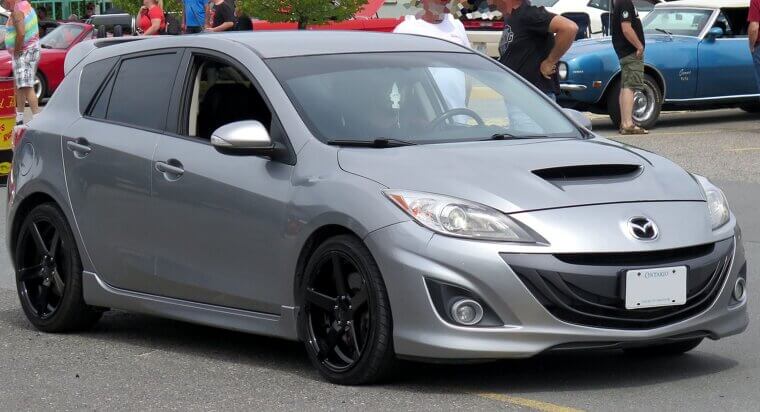
Clean, unmodified Mazdaspeed3s — particularly the second-generation cars — are now selling for $18,000–$25,000 in strong markets. That's a remarkable figure for a car that was once dismissed as a budget performance option by mainstream automotive media.
Hyundai Veloster N Wins Over Used Car Shoppers
The Veloster N arrived as Hyundai's proof-of-concept that a Korean brand could play in the premium hot hatch space. It didn't just play — it won. Automotive journalists handed it awards. Enthusiasts handed over their money. And now, used car shoppers are discovering that the Veloster N holds its value with a stubbornness that surprises everyone who assumed it was a disposable performance novelty. The manual version, in particular, has built a devoted secondary market that keeps prices honest and sellers smiling.
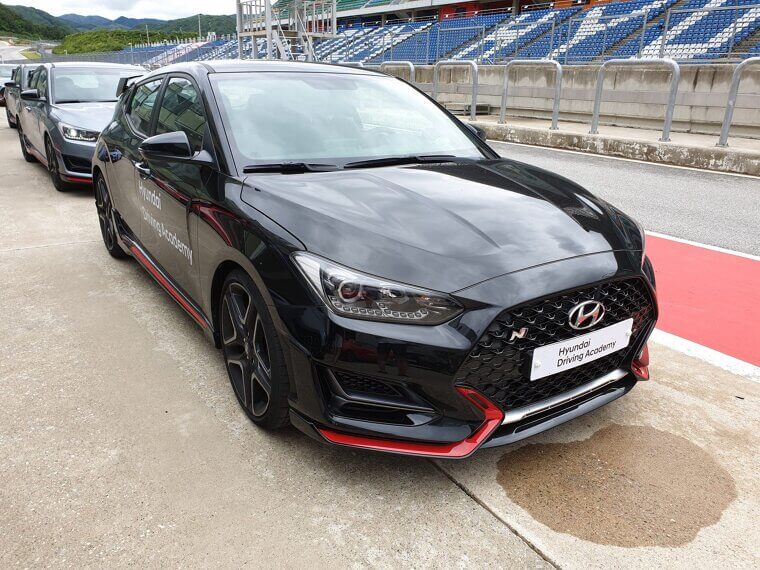
With the Veloster body style discontinued, the N version has transitioned from hot hatch to future collectible almost overnight. Demand from buyers who missed it new has created a used market where clean examples rarely sit unsold for long.