
Japan's famous cities get all the attention, but the country's real soul hides in places most tourists fly right past. From volcanic coastlines to moss-carpeted temples, these 40 destinations reward the curious traveler willing to wander off the well-worn path.
Kanazawa's Stunning Kenroku-en Garden
Ranked among Japan's three most celebrated gardens, Kenroku-en in Kanazawa has been quietly upstaging Tokyo's parks for centuries. The name literally translates to 'garden of six attributes' — spaciousness, seclusion, artifice, antiquity, water, and panoramic views. What makes it genuinely special is the seasonal drama: plum blossoms in February, cherry trees in April, snow-laden pine branches in winter. Kanazawa itself is often called 'little Kyoto,' yet it draws a fraction of the crowds.
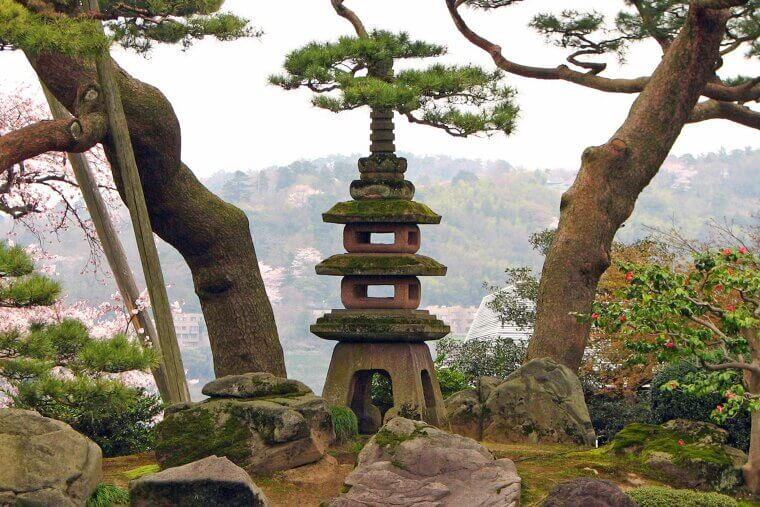
The iconic kotoji-toro stone lantern standing in the pond has become the garden's unofficial symbol. Visit at dawn to have the entire space nearly to yourself.
The Ancient Temples of Nikko
Most visitors treat Nikko as a day trip from Tokyo, which means they miss everything. The Toshogu Shrine complex is jaw-dropping — all gold leaf and lacquered crimson — but the real reward comes after the crowds thin. Push deeper into the cedar forests and you'll find mossy stone lanterns lining paths that haven't changed in 400 years. The sound drops away completely. It's one of the few places in Japan where you can feel genuinely swallowed by history.
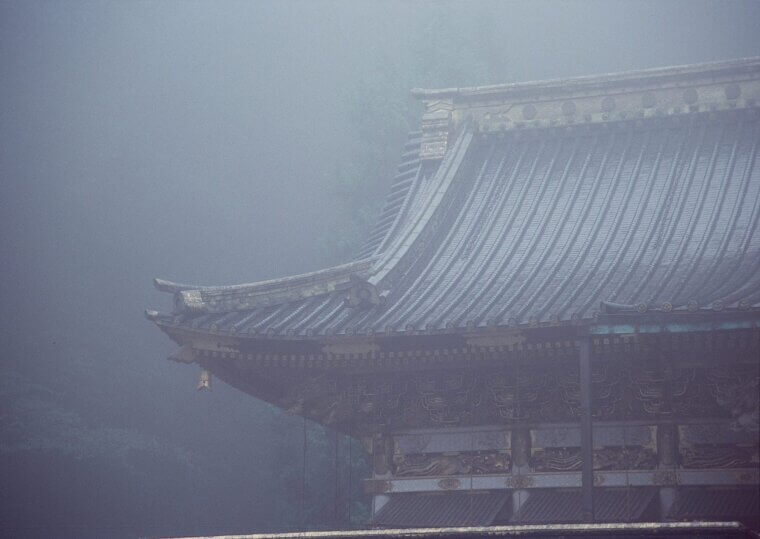
The famous 'see no evil, hear no evil, speak no evil' monkeys carved above a stable here are the original — the inspiration behind the global icon most people never trace back to its source.
Quiet Streets of Old Kyoto's Nishiki Market
Picture this: narrow stalls packed shoulder to shoulder, the smell of grilled skewers mixing with fresh tofu, vendors calling out in rapid Kyoto dialect. Nishiki Market has been feeding the city for over 400 years and locals still use it as a working grocery. Tourists tend to snap a photo at the entrance and move on. Walk the full five-block stretch and you'll find pickled vegetables in flavors that don't exist outside Japan, handmade knives, and century-old family businesses operating out of spaces barely wider than a doorway.
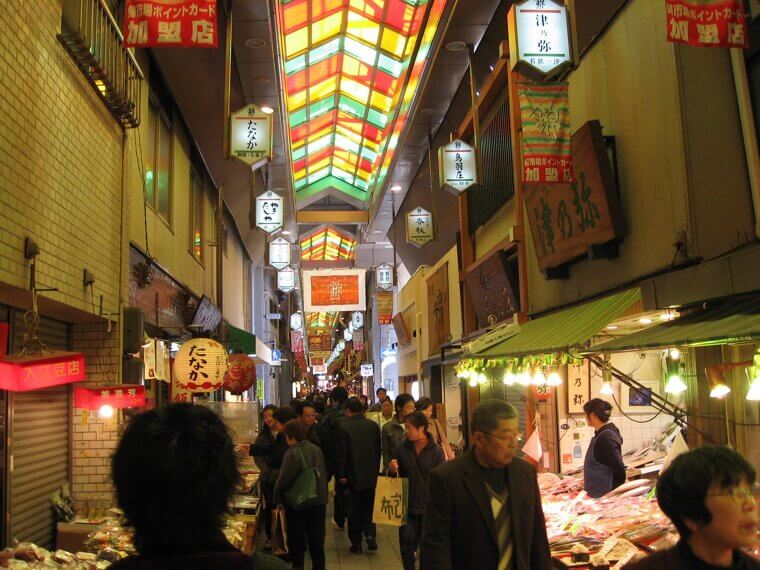
It's nicknamed 'Kyoto's Kitchen' for good reason. Come hungry on a weekday morning — weekend afternoons turn the narrow lane into a slow-moving human traffic jam.
Hiking the Trails of Yakushima Island
Yakushima is where Japan gets genuinely wild. The island sits off the southern tip of Kyushu and receives so much rainfall that its cedar forests have grown into something almost prehistoric. Some of the Yakusugi cedars here are over 7,000 years old — older than the pyramids. Miyanoura trail winds through a landscape that inspired the forest scenes in Studio Ghibli's Princess Mononoke. You'll cross rivers on rope bridges, pass through clouds mid-hike, and emerge into clearings that feel like they belong to another era entirely.
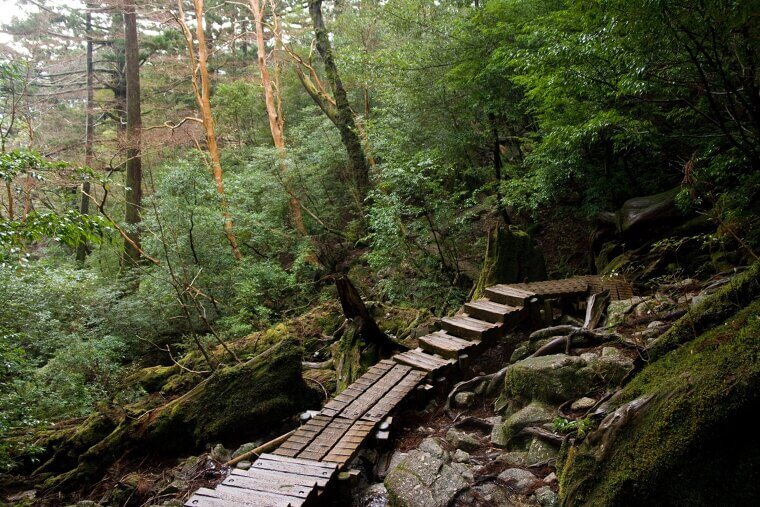
Pack waterproof gear regardless of the forecast. The island creates its own weather, and getting soaked in a cedar forest this ancient is, honestly, part of the experience.
The Charming Town of Kurashiki
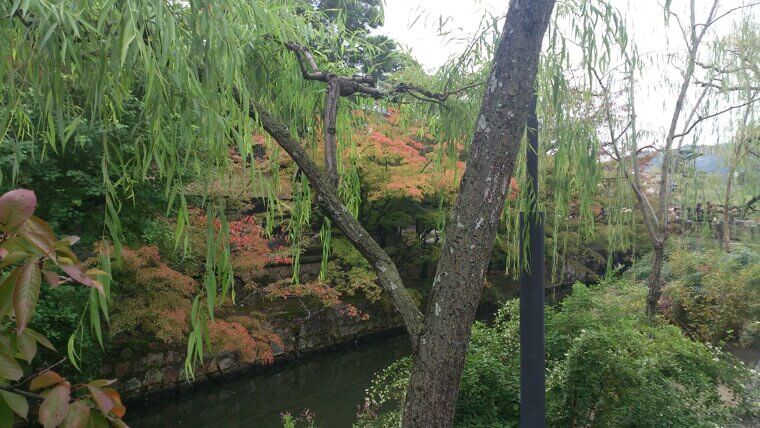
Would you pay attention to a canal town that looks like it was lifted straight from a Dutch painting and dropped into rural Okayama? Kurashiki's Bikan Historical Quarter is exactly that — preserved Edo-period merchant warehouses lining a willow-draped canal, so intact that film crews use it regularly without needing any set dressing. The town built its wealth on cotton trading, and the old storehouses have been converted into museums and craft shops. It's genuinely beautiful and genuinely undervisited.
The Ohara Museum of Art, housed in a neoclassical building here, holds one of Japan's finest Western art collections — Monet, El Greco, Matisse — which almost nobody expects to find in rural Okayama.
Exploring the Castle Ruins of Matsuyama
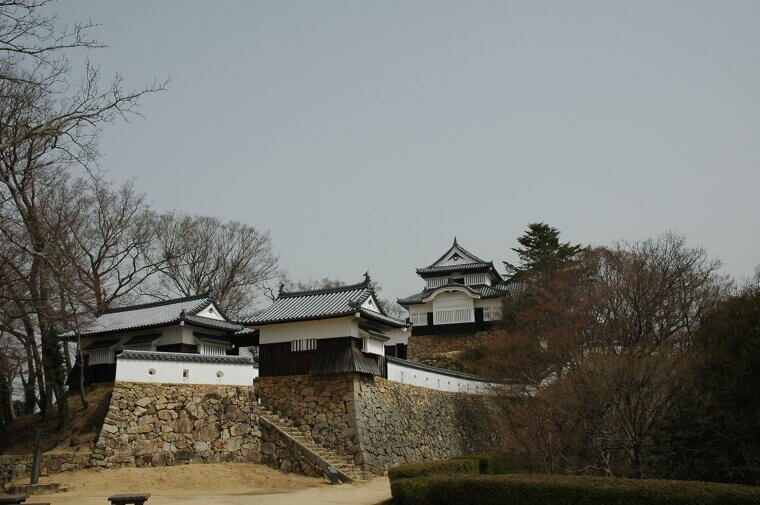
Matsuyama Castle sits on a forested hilltop above Shikoku's largest city, and unlike many Japanese castles, it's an original — never burned, never rebuilt. Three-tiered and surrounded by cherry trees, it's spectacular in spring. But the real draw is the context: ride the ropeway up, wander the stone ramparts, and look out over a city that most international tourists never visit at all. Shikoku remains Japan's least-touristed main island, which means Matsuyama offers an authentic urban Japan experience without the performance of it.
After the castle, head down to Dogo Onsen — one of Japan's oldest hot spring bathhouses, said to have inspired the bathhouse in Spirited Away. It's a short tram ride away.
The Sacred Pilgrimage Route of Kumano Kodo
The Kumano Kodo is one of only two pilgrimage routes in the world designated a UNESCO World Heritage Site alongside the Camino de Santiago. Ancient Japanese emperors walked these stone-paved mountain paths to reach the Kumano Sanzan shrines — and the paths look almost exactly as they did then. The Nakahechi route through the Kii Peninsula takes several days on foot, passing through cedar groves, mountain villages, and small family-run guesthouses called minshuku where dinner is served at a communal table.
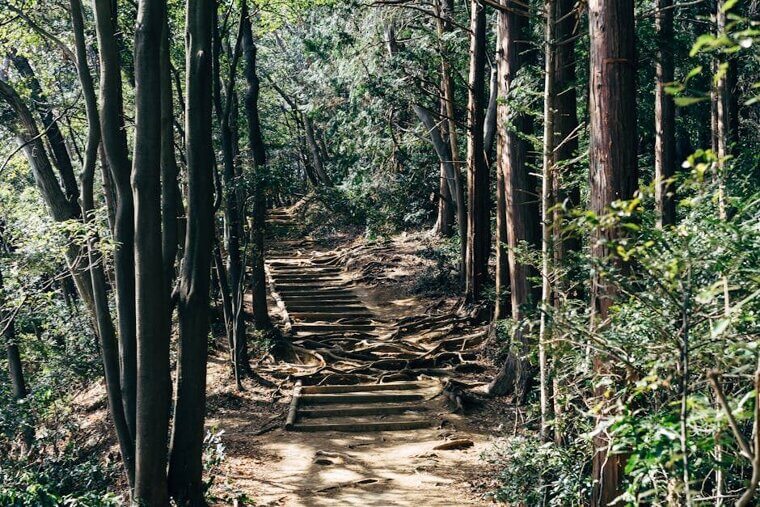
Complete the route and you receive an official pilgrim's certificate. The spiritual weight of walking a path that has been walked continuously for over 1,000 years is something that photographs simply cannot capture.
Peaceful Villages Along the Shirakawa-go Valley
The gassho-zukuri farmhouses of Shirakawa-go were built to survive under several meters of snow each winter — their steep thatched roofs pitched at 60 degrees to shed the weight. The village is technically on the tourist map, but most visitors arrive by tour bus, spend 90 minutes, and leave. Stay overnight and the experience transforms completely. When the last buses pull away, the valley goes quiet. In winter, the farmhouses glow amber against the snow, and the only sound is the river running beneath the ice.
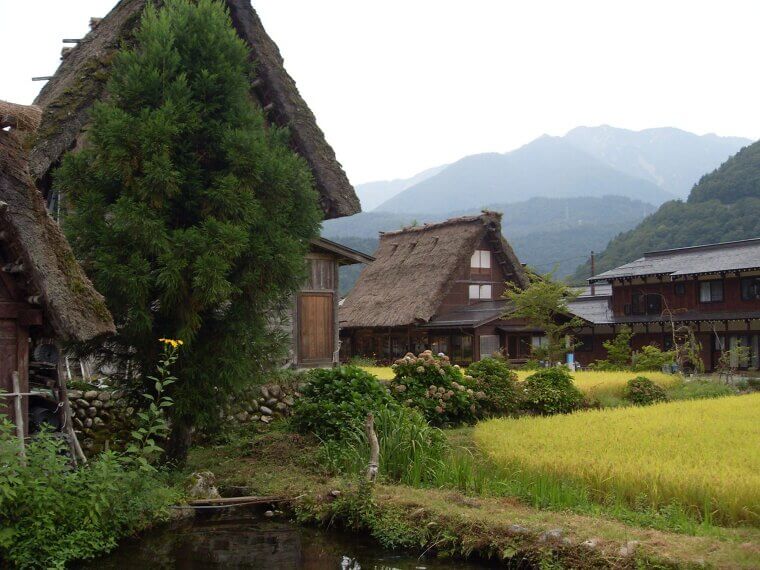
The farmhouses are still lived in. Some families have operated minshuku guesthouses for generations, serving regional dishes cooked over the same irori hearth that heats the entire building.
Soaking in the Hot Springs of Beppu
Beppu produces more hot spring water than anywhere in Japan except Yellowstone — eight distinct hot spring zones, each with different mineral compositions and colors. The 'Hells of Beppu' are a series of boiling pools tourists visit for their otherworldly appearance: one blood red, one cobalt blue, one bubbling grey mud. But the real reason to come is simpler. You pay a few hundred yen, sink into a wooden tub of mineral water so hot it takes ten minutes to fully submerge, and feel every city-worn tension dissolve.
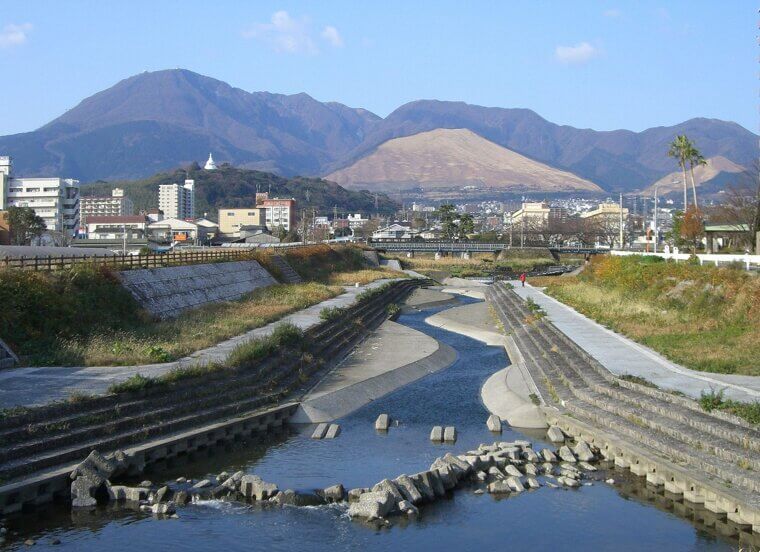
Beppu also offers sand baths — you're buried up to the neck in naturally heated volcanic sand by an attendant in a white apron. Odd, yes. Deeply relaxing, absolutely.
The Floating Torii Gate of Miyajima
This one isn't exactly a secret — the vermillion torii gate rising from the sea at Itsukushima Shrine on Miyajima Island is one of Japan's most photographed images. What tourists miss is the timing. The famous 'floating' effect only occurs at high tide, when the gate appears to stand in open water. At low tide, visitors can walk out and touch it. Most day-trippers catch whichever version they get. Check the tide tables, plan around them, and the experience shifts from postcard to something genuinely transcendent.
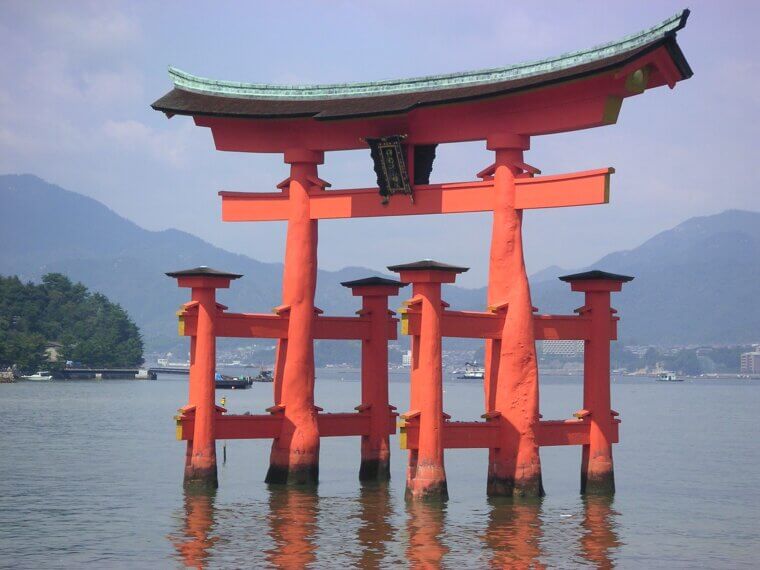
The island's deer are famously bold — they'll eat your map, your snack, and your ferry ticket if you're not paying attention. Treat them as wildlife, not photo props.
Wandering Through the Bamboo Groves of Arashiyama
The bamboo grove at Arashiyama is on every Kyoto itinerary, which means it's also on every Kyoto Instagram feed, which means it's packed by 9 a.m. most mornings. Here's what the travel blogs don't tell you: the grove is most impressive in the wind. When a breeze moves through, the hollow stalks knock against each other in a low, resonant clatter that the Japanese call 'one of the 100 sounds of Japan.' Show up at dawn, when the light filters through the canopy in pale green columns, and you might have it almost entirely to yourself.
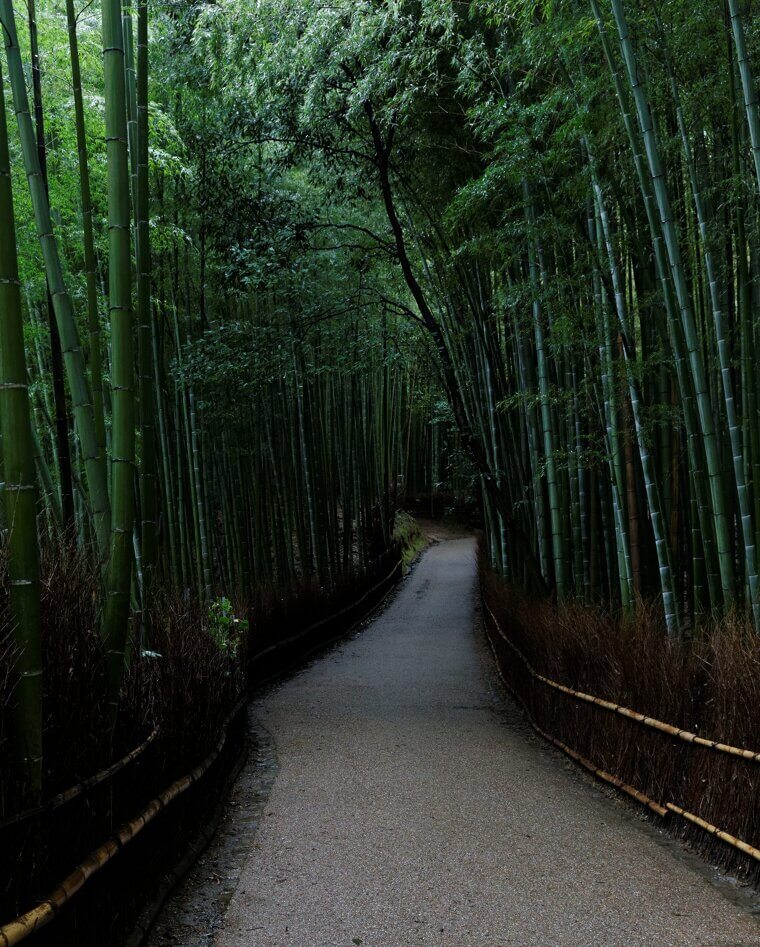
Extend the walk beyond the main grove toward Jojakko-ji Temple, where moss-covered stone steps climb through a far quieter bamboo section that most visitors never reach.
The Hidden Fishing Villages of the Noto Peninsula
The Noto Peninsula juts into the Sea of Japan like a crooked finger, and at its tip, the landscape becomes something else entirely. Small fishing villages cling to rocky coves, their wooden houses weathered grey by salt air. The Senmaida terraced rice paddies here cascade down cliffsides directly into the sea — a sight so unusual that it's been designated a national cultural landscape. The peninsula has no bullet trains, no major tourist infrastructure, and almost no English signage. That's exactly the point.
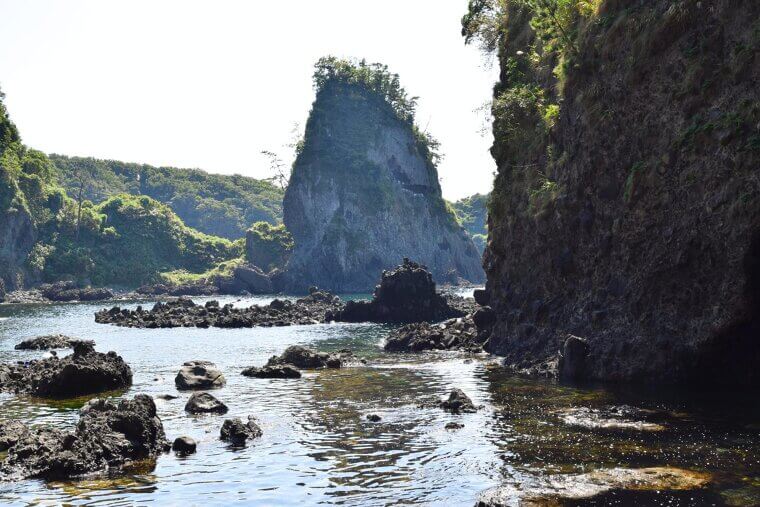
The seafood along the Noto coast — particularly the yellowtail and snow crab in season — is exceptional and remarkably affordable compared to what the same quality would cost in Tokyo.
Strolling the Cobblestone Lanes of Takayama
Takayama sits in a mountain valley in Gifu Prefecture, and its old town has been preserved so carefully that the three main streets of Sanmachi Suji look virtually unchanged from the Edo period. The sake breweries are the giveaway — look for cedar ball ornaments called sugidama hanging above doorways, turning from green to brown as the new sake matures. Morning markets have operated here since the Edo era. The craftsmanship tradition runs deep: Hida-no-Sato open-air museum preserves over 30 traditional farmhouses relocated from surrounding mountains.
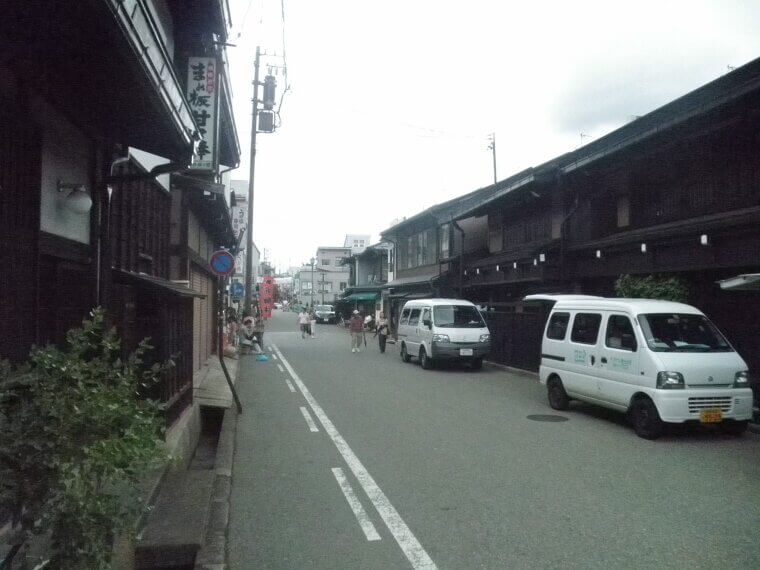
Takayama's twice-yearly festivals — held in April and October — feature enormous mechanical floats with puppet performances operated by hidden craftsmen. They're among Japan's most spectacular and least-known festivals.
The Dramatic Cliffs of Cape Ashizuri
Cape Ashizuri is the southernmost point of Shikoku, and getting there requires commitment — it's a long drive down a narrow peninsula with almost nothing along the way. That isolation is the whole appeal. The cape itself is a series of sheer white granite cliffs dropping straight into churning Pacific water, with a lighthouse at the tip that's been operating since 1914. The 88-temple pilgrimage route passes through here, and the cape holds a particular spiritual weight — it's where pilgrims historically came when they had nowhere left to go.
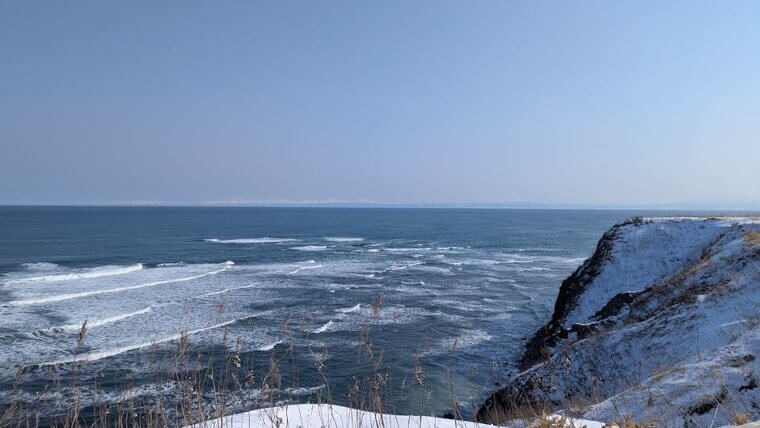
The sea here is a shade of deep indigo you rarely see on Japan's more sheltered coasts. On clear days, the horizon looks impossibly far away, and the wind off the Pacific is relentless.
Discovering the Art Islands of the Seto Inland Sea
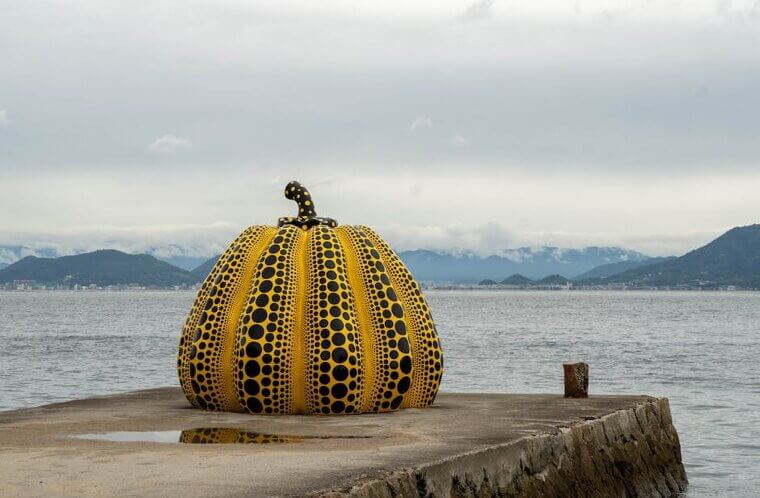
The Setouchi Triennale turned a scattering of small islands in the Seto Inland Sea into one of the world's most unusual art destinations. Naoshima is the most famous, home to Tadao Ando's underground Chichu Art Museum and Yayoi Kusama's polka-dotted pumpkins on the beach. But neighboring islands — Teshima, Inujima, Shodoshima — each hold their own installations, many built into abandoned farmhouses and factories. The art and the landscape are inseparable. You arrive by small ferry, and the whole thing feels like a discovery.
The Teshima Art Museum on Teshima Island is a concrete shell with no exhibits — just two openings in the ceiling through which rain falls, wind moves, and water finds its own path across the floor.
The Serene Buddhist Monastery of Koyasan
Koyasan is a monastery town on a mountain plateau in Wakayama, founded by the Buddhist monk Kobo Daishi in 816 CE. Over 100 temples still operate here, and about 50 of them accept guests for overnight stays called shukubo. You sleep on futons in tatami rooms, wake at 6 a.m. for morning prayers, and eat shojin-ryori — the intricate vegetarian cuisine developed by Buddhist monks over centuries. The Okunoin cemetery, where over 200,000 stone lanterns line the path to Kobo Daishi's mausoleum, is most powerful after dark.
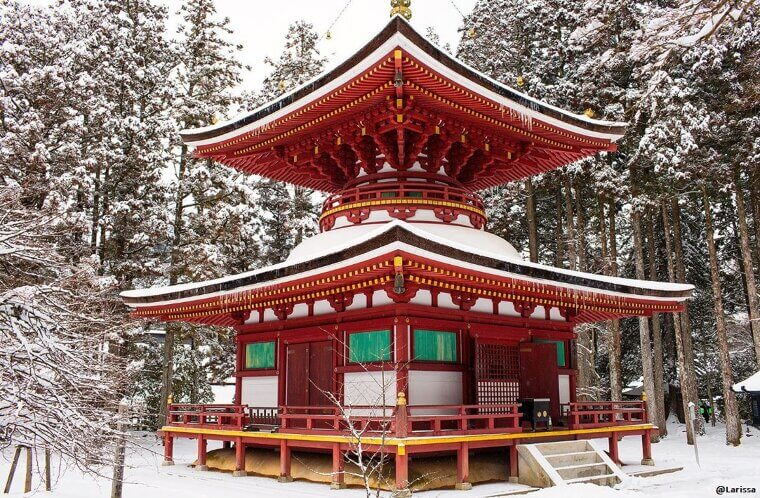
Staying overnight at a temple here is one of Japan's most genuinely immersive experiences. The monks are accustomed to foreign guests, and the morning ritual is open to all, regardless of faith.
Exploring the Volcanic Landscape of Aso
Mount Aso in Kumamoto Prefecture contains one of the largest active calderas on Earth — wide enough to hold an entire town, farmland, and a population of 50,000 people inside its rim. The central cone, Nakadake, is one of the few active volcanoes in the world you can drive close to (access depends on activity levels). The surrounding grasslands, maintained by controlled burning since ancient times, give the landscape a strangely open, windswept quality unlike anywhere else in Japan. Horses graze on volcanic slopes against a backdrop of rising steam.
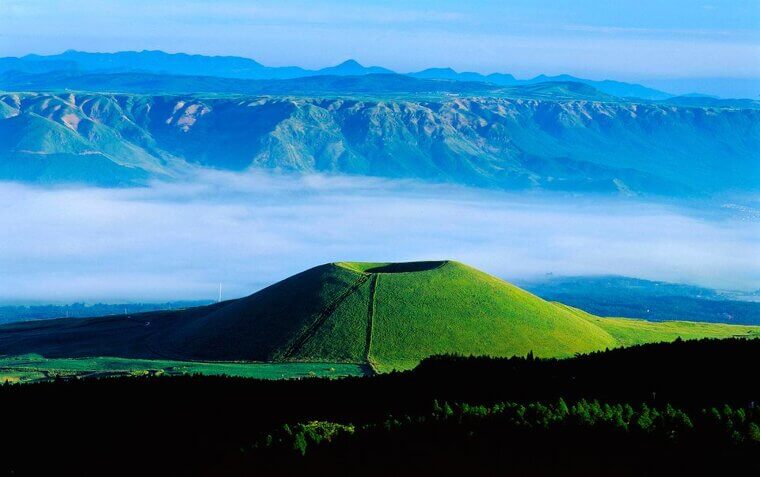
The caldera is best understood from the Daikanbo lookout point on the northern rim, where the full scale of the landscape — roughly 25 kilometers across — becomes apparent in a single, staggering view.
The Untouched Beaches of Okinawa's Remote Islands
Most visitors to Okinawa land at Naha, hit the main island's beaches, and leave. The outer islands are a different country. Yonaguni, Japan's westernmost point, sits closer to Taiwan than to Okinawa's main island and has fewer than 2,000 residents. Iriomote is 90% jungle, with wild cats found nowhere else on Earth. Taketomi preserves traditional Ryukyuan architecture — low coral-walled lanes, red-tiled roofs, and a pace of life that hasn't accelerated in decades. The water surrounding all of them is the kind of turquoise that makes you question every beach you've seen before.
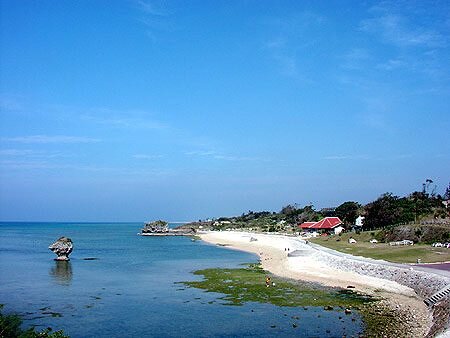
Yonaguni's underwater 'monument' — a stepped rock formation that may or may not be man-made — draws divers from around the world. The debate about its origins has never been settled.
The Lantern-Lit Alleys of Kyoto's Gion District
Gion is Kyoto's geisha district, and yes, it's on every itinerary. But most tourists walk Hanamikoji Street once, fail to spot a geiko, and move on. The real Gion is in the side lanes — Shirakawa, Shinbashi, the narrow alleys behind the main street where paper lanterns glow above wooden machiya townhouses and the sound of shamisen practice drifts from behind closed screens. Dusk is the hour. The light turns amber, the tourists thin, and for a few minutes, the district looks exactly as it did in woodblock prints made 200 years ago.
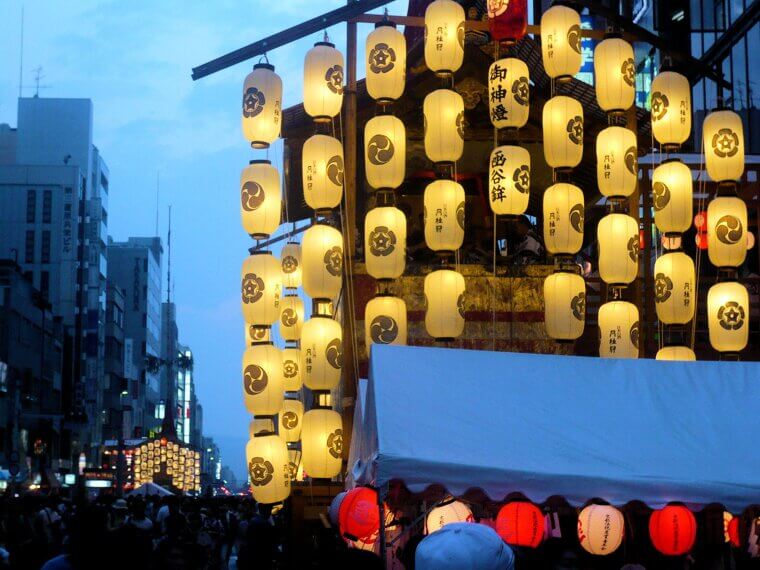
Geiko and maiko are working professionals, not tourist attractions. Blocking their path, grabbing their sleeves, or photographing them without permission is considered harassment — and increasingly, it's regulated by city ordinance.
Trekking Through the Snow Monkeys of Jigokudani
The Japanese macaques of Jigokudani — 'Hell Valley' — discovered the hot springs in the 1960s when a young female waded in to retrieve a soybean. The behavior spread through the troop. Now, in winter, dozens of snow monkeys sit chest-deep in thermal pools while snow falls around them, wearing expressions of profound contentment that feel uncomfortably relatable. The valley requires a 30-minute walk through snowy forest to reach. That walk filters out the casual visitors. The monkeys, unbothered by humans, ignore you completely.
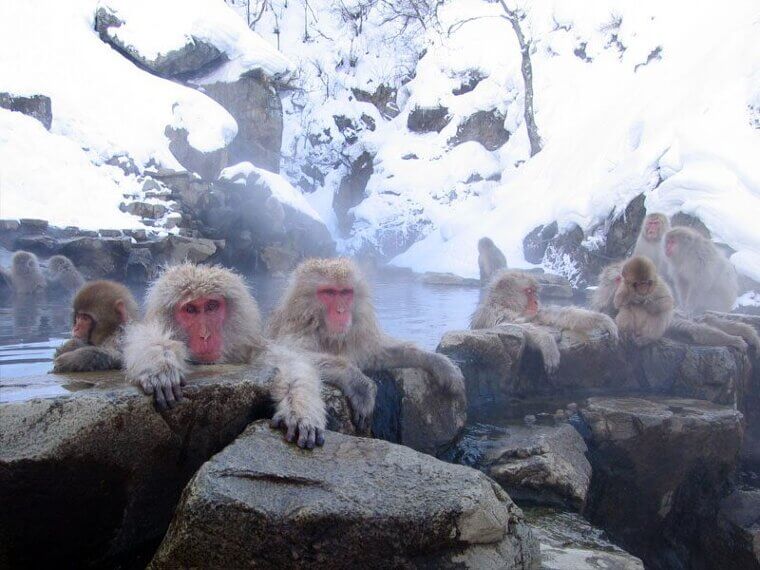
The monkeys have a strict social hierarchy that plays out visibly in the pools — dominant individuals claim the warmest spots near the thermal vents, while younger monkeys linger at the cooler edges.
The Quiet Fishing Port of Ine in Kyoto Prefecture
Ine is a fishing village on the northern coast of Kyoto Prefecture where the houses are built directly over the water. Called funaya, these boathouses have the family living quarters above and the boat garage opening directly onto the sea below — a design unchanged since the Edo period. There are about 230 of them lining a sheltered bay, and the whole village has been designated an Important Preservation District. Most people have never heard of it. The boat tours of the bay are operated by local fishermen and cost almost nothing.
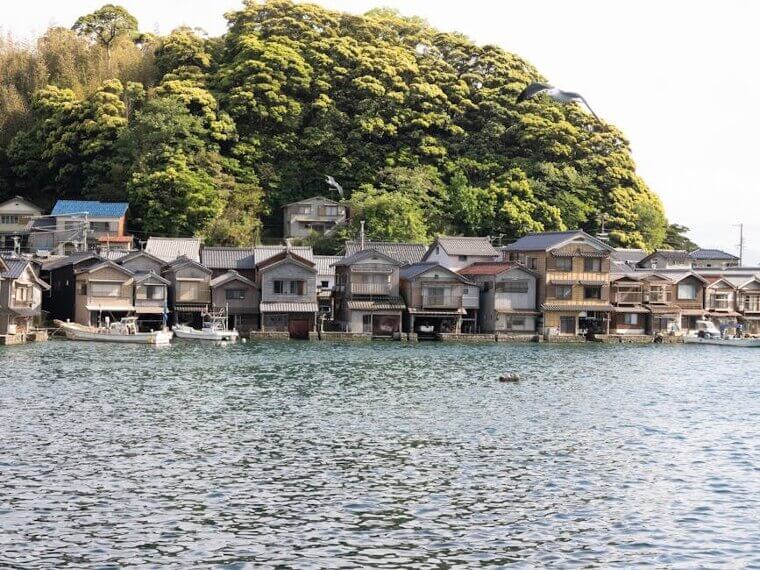
Several funaya families now rent rooms to overnight guests. Waking up to the sound of the sea directly beneath the floorboards, in a house that has stood for 200 years, is genuinely unlike anything else.
The Fairy-Tale Village of Ochiai in Tokushima
Ochiai sits in a steep valley in the Iya region of Tokushima, and reaching it involves a road so narrow and winding that rental car companies include a specific warning about it. The reward is a village of traditional thatched-roof farmhouses terraced up a near-vertical hillside, connected by stone paths that have been worn smooth over centuries. Architect Terunobu Fujimori has described it as the most beautiful village in Japan. It's almost entirely uninhabited by tourists, which means you can wander the paths in complete silence.
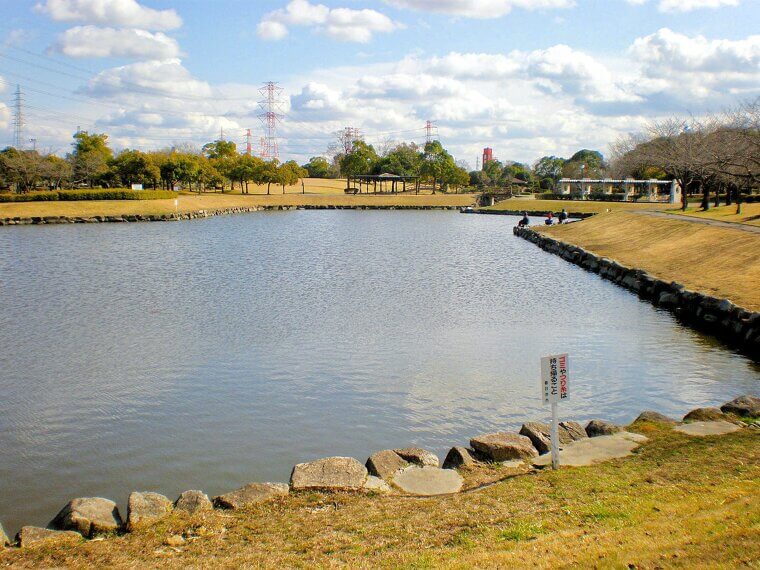
The Iya Valley was historically a refuge for defeated warriors and outcasts — its inaccessibility was the point. That same inaccessibility preserved it almost perfectly into the present day.
The Dramatic Gorge of Takachiho in Miyazaki
The Takachiho Gorge was carved by volcanic eruptions and then shaped by the Gokase River over millions of years into a series of sheer basalt columns and waterfalls. The most famous is Manai Falls, which drops 17 meters into the gorge from a rock shelf. You can row a small rented boat directly beneath it. The gorge holds deep significance in Japanese mythology — the surrounding area is said to be where the sun goddess Amaterasu hid in a cave, plunging the world into darkness, and where she was eventually lured back out.
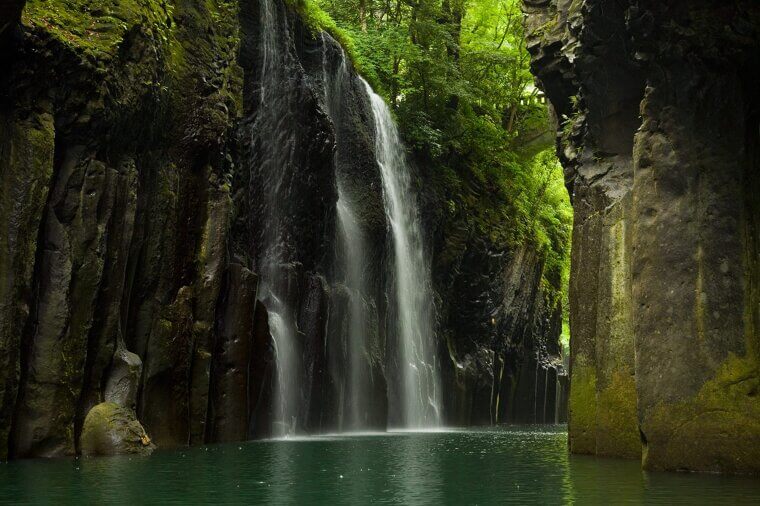
The boat rental at the gorge base is one of Japan's more surreal experiences — you row through cathedral-like basalt walls, the waterfall roaring ahead, while tour groups peer down from the walkway far above.
The Ancient Castle Town of Hagi
Hagi is a castle town on the Sea of Japan coast of Yamaguchi Prefecture, and it played an outsized role in Japanese history — many of the architects of the Meiji Restoration were born here. The old samurai district survives almost intact: white-walled residences, stone lanes, and the ruins of Hagi Castle surrounded by a moat. The town is famous for Hagi-yaki pottery, a style prized by tea ceremony practitioners for its rough, organic texture. It's a three-hour drive from Hiroshima and sees a tiny fraction of that city's visitors.
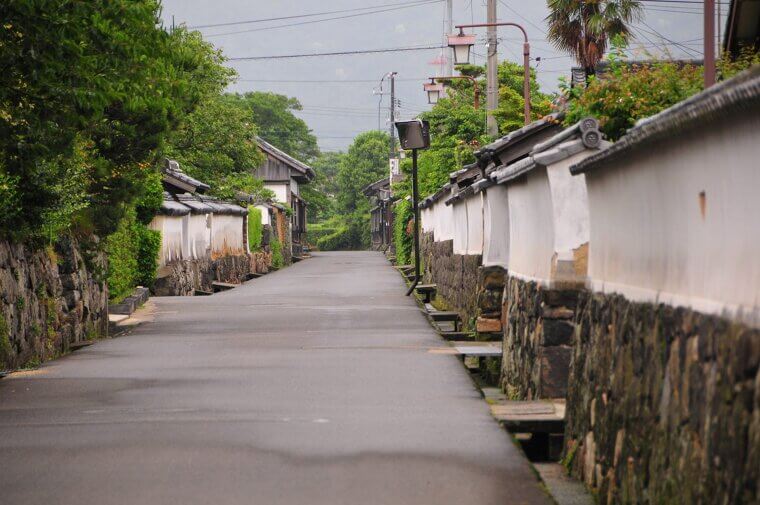
Hagi's summer specialty is the natsu-mikan orange, which grows wild along the old samurai walls. The trees were planted after the castle town declined, as a way to give former samurai families a source of income.
The Colorful Morning Markets of Wajima
Every morning at dawn, vendors set up along two streets in Wajima on the Noto Peninsula and the morning market begins. It has operated continuously for over 1,000 years. The stalls sell dried seafood, pickled vegetables, local produce, handmade crafts, and the lacquerware for which Wajima is famous. The vendors are predominantly older women who have been coming to the same spots for decades. It's not a performance for tourists — it's commerce, and you're welcome to participate in it. Arrive before 8 a.m. to see it at full energy.
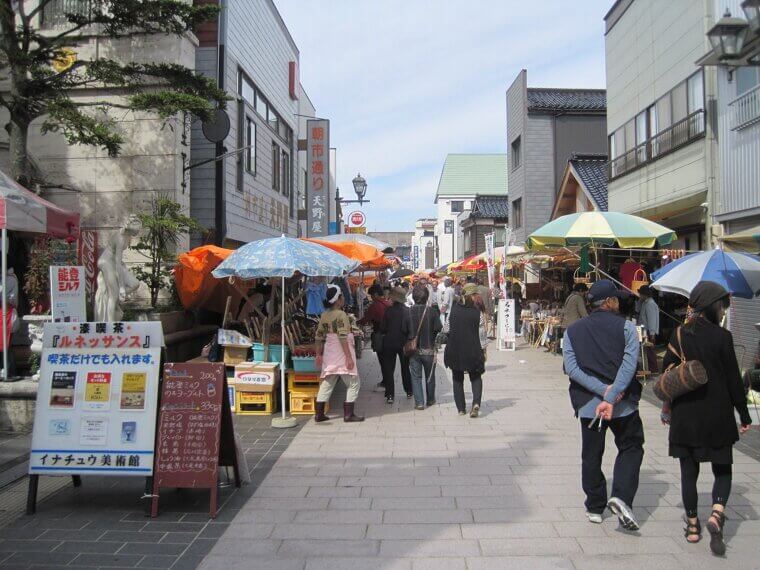
The morning market survived the devastating 2024 Noto Peninsula earthquake, though parts of Wajima were severely damaged. Visiting now is a meaningful act of support for a community in recovery.
Riding the Scenic Trains Through the Japanese Alps
The Alpico Kotsu Matsumoto Electric Railway and the JR Oito Line together form one of Japan's great scenic train journeys — threading through river valleys, past terraced rice fields, and into the Northern Alps with views of peaks that exceed 3,000 meters. But the real gem is the Kurobe Gorge Railway in Toyama, a narrow-gauge open-air train originally built to supply a hydroelectric dam. It runs through a gorge so narrow and steep that the walls seem to close overhead. The whole journey takes about 80 minutes and costs less than a Tokyo lunch.
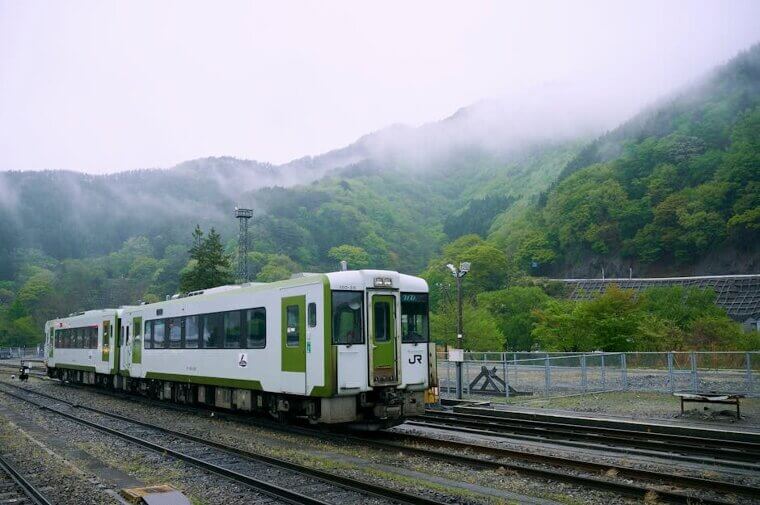
The train runs only between April and November — the gorge accumulates too much snow for winter operation. The autumn run, when the gorge walls are red and gold, is considered the finest version of the journey.
The Tranquil Moss Garden of Saihoji Temple
You need a reservation to enter Saihoji Temple — written applications only, submitted weeks in advance. The process filters out casual visitors and creates the unusual situation of a Kyoto temple that is never crowded. Inside, over 120 varieties of moss carpet every surface: ground, stones, tree roots, the sides of the pond. In different lights it reads as emerald, chartreuse, deep forest green. The temple is also called Kokedera — 'Moss Temple' — and the moss garden is considered the most beautiful in Japan. It earns that title.
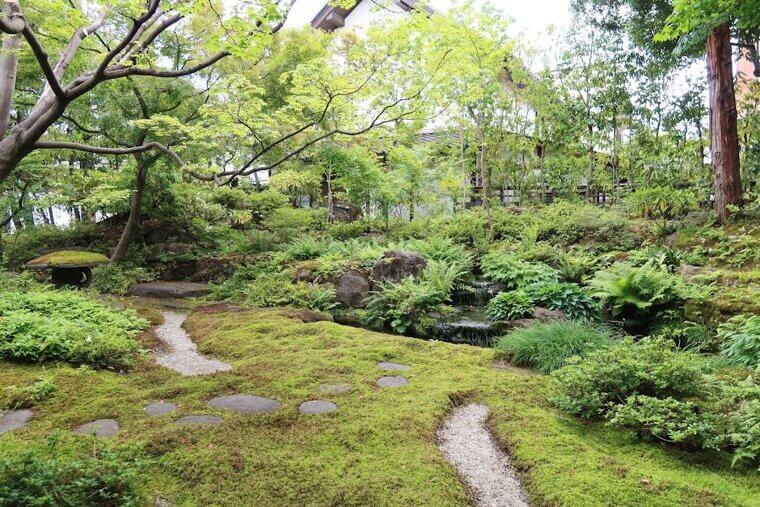
The application process involves copying a sutra by hand before entering the garden. Most visitors find that the ritual of writing, followed by the silence of the moss, produces something close to a meditative state.
The Forgotten Hot Spring Town of Nyuto Onsen
Seven small ryokan inns are scattered through a beech forest in the mountains of Akita Prefecture, each fed by its own hot spring source, each with different mineral content and color. Some pools are milky white, some pale blue, some clear as glass. The Tsurunoyu inn, the oldest, has barely changed since the 1600s. Snow falls heavily here from November through March, and the combination of outdoor hot spring and deep forest snowfall is something that stays with you.
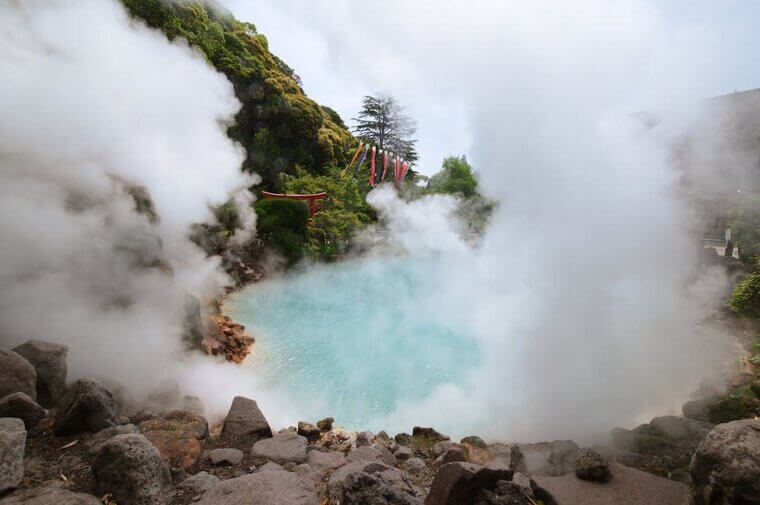
A shared shuttle bus connects the seven inns, and a single-day pass lets you sample the baths at multiple properties. Most visitors, however, book a night at Tsurunoyu and find they don't want to leave.
The Dramatic Sand Dunes Near Tottori
Japan has sand dunes. Significant ones. The Tottori Sand Dunes stretch for 16 kilometers along the San'in Coast and rise to 90 meters — the largest dune system in Japan and the only place in the country that genuinely looks like the Sahara. Camel rides are available, which is a sentence that belongs in a Japan travel article about as much as it belongs in a Japan travel article. The dunes shift constantly with the wind, and in the early morning, before footprints accumulate, the surface is sculpted into perfect ripples.
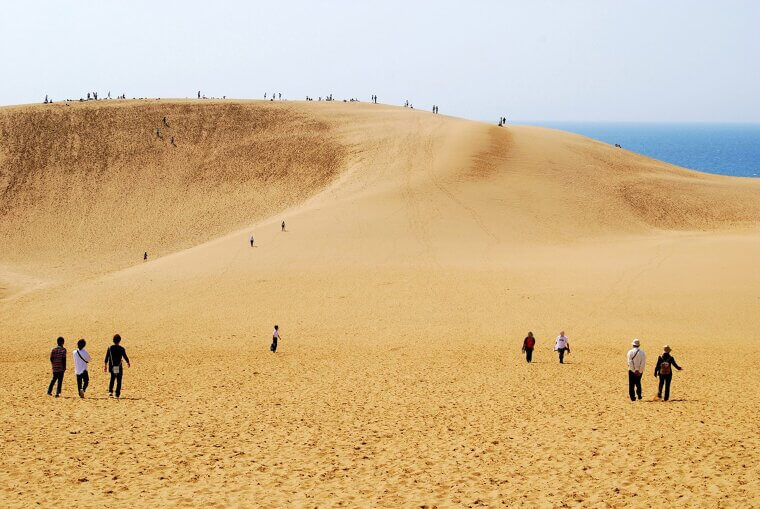
The adjacent Sand Museum hosts sculptures carved from sand by international artists — massive, intricate works that are rebuilt each year around a different country theme. They're more impressive than they sound.
The Lavender Fields of Furano in Hokkaido
Furano sits in the center of Hokkaido, and in July, the Farm Tomita lavender fields turn the surrounding hills into horizontal bands of purple so saturated they look digitally enhanced. The lavender industry here began in the 1950s when a local farmer refused to give up the crop despite falling prices — his fields were eventually photographed for a calendar, the image went national, and tourism followed. Today the fields are joined by rows of white and pink cosmos, yellow sunflowers, and red poppies, creating a landscape that looks assembled by a color theorist.
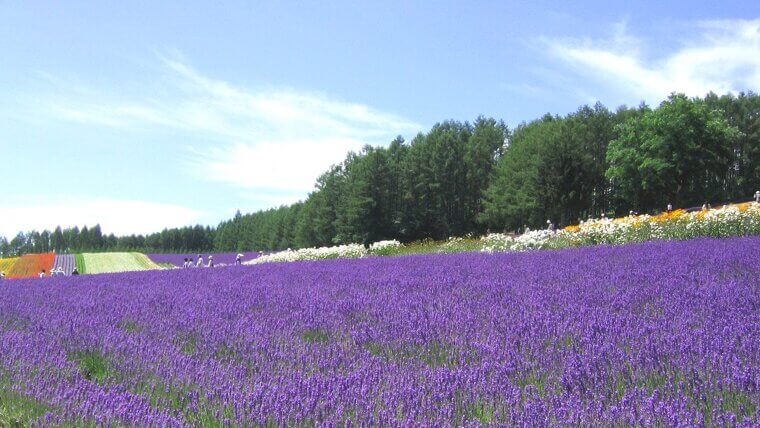
The farm's dried lavender products — soap, sachets, ice cream — are made from flowers grown on the property. The lavender soft-serve ice cream is mild and floral and tastes exactly as it should.
The Pristine Lake Towada in Aomori
Lake Towada straddles the border of Aomori and Akita prefectures, sitting inside a caldera formed by volcanic eruptions over 13,000 years ago. The water is so clear and consistently cold that it supports almost no algae growth, giving it a transparency that makes the lake floor visible at depths of several meters. In winter, the surrounding beech forest accumulates snow in shapes that Japanese photographers call juhyo — 'snow monsters.' The lake is connected to the sea by the Oirase Gorge, a 14-kilometer river walk lined with waterfalls that is one of Japan's finest forest walks.
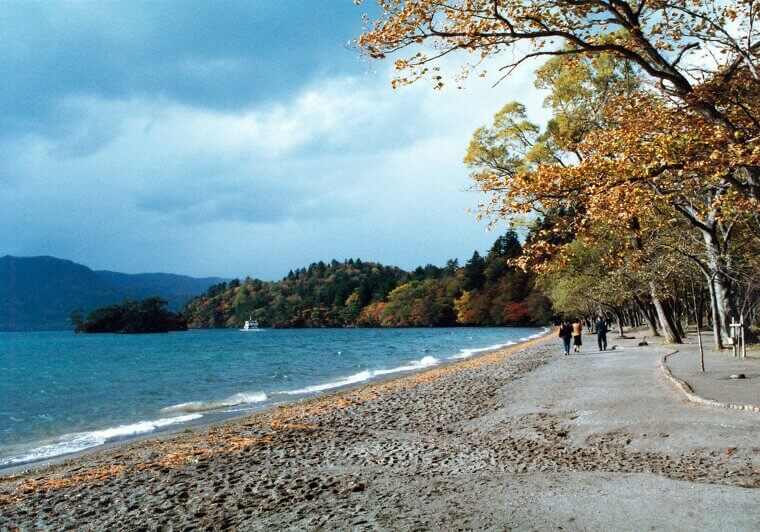
The Oirase Gorge is particularly spectacular in autumn, when the maple canopy over the river turns deep red. The walking path runs alongside the water the entire way, crossing the stream on small bridges every few kilometers.
The Spectacular Gorge at Sounkyo in Hokkaido
Sounkyo Gorge cuts through the Daisetsuzan mountain range in central Hokkaido — Japan's largest national park and one of its least-visited. The gorge walls rise to 150 meters in places, with two major waterfalls, Ryusei and Ginga, dropping in parallel columns that locals call 'meteor' and 'galaxy.' In autumn, the color change here arrives weeks before the rest of Japan, moving down from the peaks in a slow red tide. The small onsen town at the gorge base is a good base for hiking into the alpine zone above.
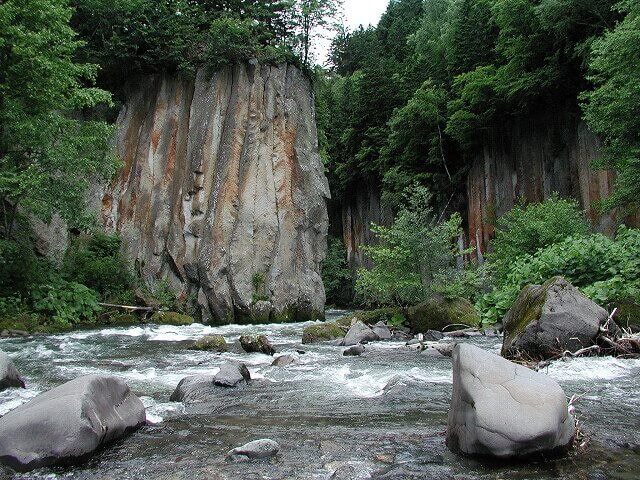
The ropeway above Sounkyo climbs into terrain that feels genuinely alpine — rocky, wind-scoured, and treeless above 1,600 meters. In late September, the mountain plateau is carpeted in red and orange dwarf vegetation.
The Rustic Farmhouses of the Iya Valley
The vine bridges of the Iya Valley — called kazurabashi — are woven from mountain wisteria and replaced every three years using the same technique that has been used for centuries. Walking across one is a full-body experience: it sways underfoot, the planks creak, and the river churns through the gorge far below. The Iya rivers run through gorges so deep that sunlight reaches the valley floor for only a few hours each day, and the bridges are the only way across. They are not metaphorically old. They are structurally, materially ancient.
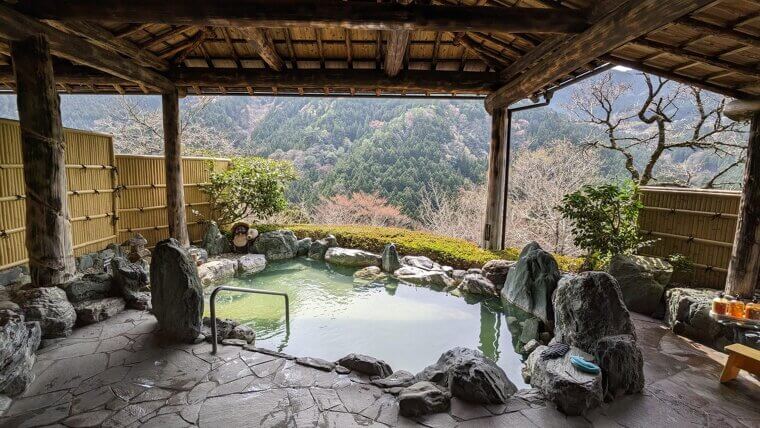
The local soba here — made from Iya buckwheat grown at altitude — has a depth of flavor that lowland varieties lack. Small restaurants near the bridges serve it simply, the way it has been served in this valley for generations.
The Glowing Firefly Festivals of Rural Japan
For about three weeks each June, the rice paddies and riverbanks of rural Japan fill with fireflies. The phenomenon is called hotaru, and entire festivals are organized around it — but the festivals themselves are secondary to simply standing in a dark field while hundreds of synchronized bioluminescent insects pulse green around you. The Genji firefly, Japan's largest species, produces a slow, steady glow. The smaller Heike firefly flashes rapidly. On the right night, both species overlap, and the effect is something that no photograph has ever adequately captured.
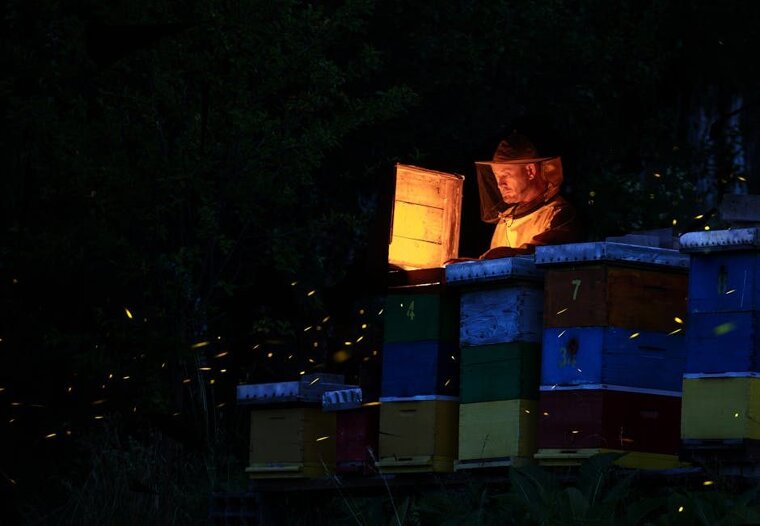
The best viewing spots are unpublicized by design — local communities protect them from overcrowding. Ask at a rural ryokan or tourist information center for that year's recommended location. The staff will know.
The Stunning Autumn Foliage at Korankei Valley
Korankei Valley in Aichi Prefecture holds 4,000 maple trees planted by a Buddhist monk named Kofuku in the 17th century. He planted them to give his parishioners something beautiful to see. In late October and early November, the valley turns a shade of red so intense it seems to emit its own light. The town of Asuke, at the valley's edge, preserves Edo-period merchant buildings that now house craft workshops and sake breweries. It's a two-hour drive from Nagoya and sees almost no international tourists despite being one of the most spectacular autumn foliage sites in Japan.
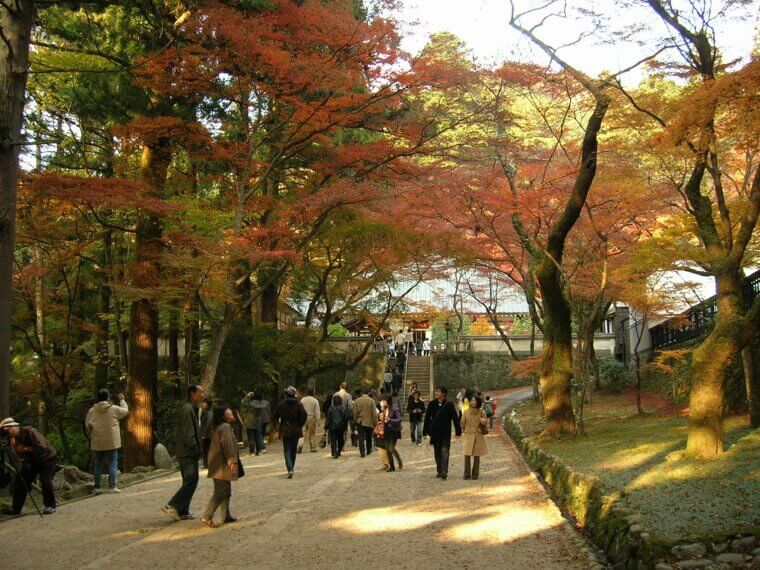
The valley is illuminated at night during peak autumn season, and the reflection of the red maples in the Tomoe River below creates a mirror effect that doubles the visual impact. Evening visits are less crowded than daytime.
The Ornate Lacquerware Shops of Wajima
This might be the most technically demanding craft tradition still practiced in Japan. Wajima-nuri lacquerware involves over 120 separate production steps — each layer of lacquer applied by hand, dried in humidity-controlled conditions, sanded, and reapplied. A single bowl takes months to complete. The lacquerware district of Wajima has been producing this way for 600 years, and the workshops are open to visitors. Watching a craftsperson apply a hair-thin gold line to a lacquered surface with a brush made from a single cat whisker is a reminder that some technologies haven't been improved upon.
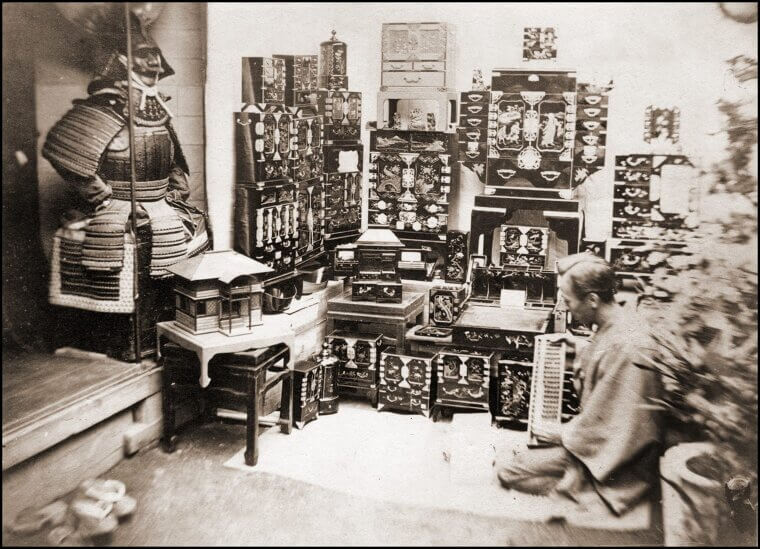
Wajima-nuri is so durable that pieces are regularly passed down through generations for 200 years or more. The initial cost — often several hundred dollars for a single bowl — reflects a lifetime of use rather than a single purchase.
The Ancient Stone Path of the Nakasendo Trail
The Nakasendo was one of five major highways of the Edo period, connecting Edo (Tokyo) to Kyoto through the mountains of central Japan. The 69 post towns along the route housed travelers, horses, and the officials of the shogunate. Most of the highway has been swallowed by modern roads, but the 8-kilometer stretch between Magome and Tsumago in Nagano Prefecture survives almost perfectly — stone-paved, forested, passing through two of Japan's best-preserved post towns. The walk takes about three hours and requires no special equipment. It's one of the finest day walks in Japan.
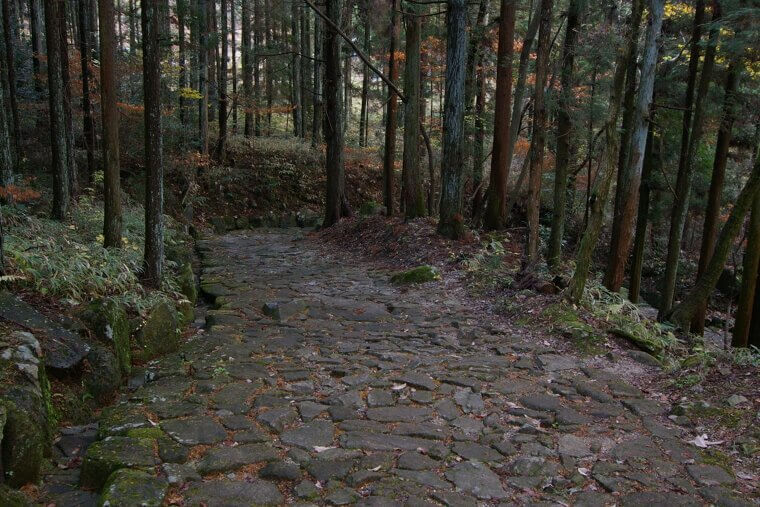
A baggage forwarding service operates between Magome and Tsumago — you drop your pack at one end, walk unencumbered, and collect it at the other. It costs a few hundred yen and is one of the most civilized travel services in existence.
The Whirlpools of the Naruto Strait
Where the Seto Inland Sea meets the Pacific Ocean through the Naruto Strait, tidal currents collide with enough force to create whirlpools up to 20 meters in diameter — among the largest in the world. They form and dissolve in minutes, spinning at speeds up to 20 km/h. Observation boats run directly into the whirlpool zone, close enough that the spray reaches the deck. The Uzu no Michi walkway on the Onaruto Bridge extends over the strait with glass panels in the floor, so you can stand directly above the churning water 45 meters below.
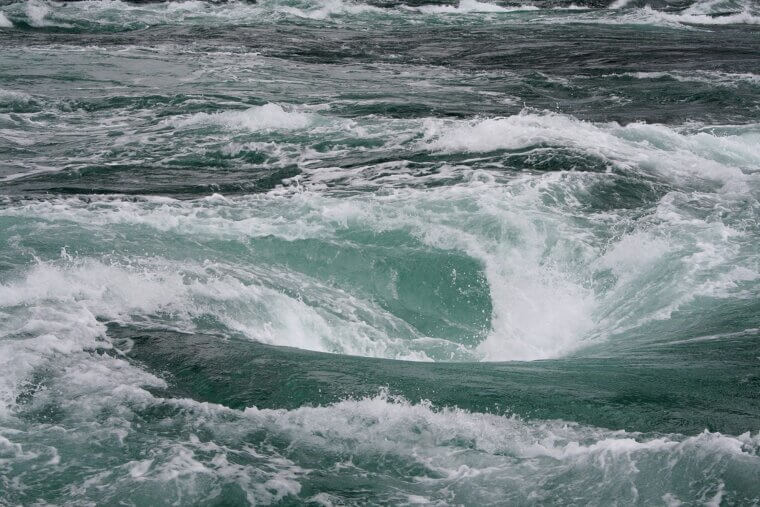
The whirlpools are most powerful during spring and autumn tides, when the height difference between the two bodies of water is greatest. Tide tables for the best viewing days are posted at the visitor center.
The Glassy Waters of Lake Mashu in Hokkaido
Lake Mashu in eastern Hokkaido holds the record for the clearest lake water ever scientifically measured — visibility to 41.6 meters, recorded in 1931. The caldera lake has no inlet or outlet rivers, fed only by rain and snowmelt, which means nothing flows in to cloud it. It sits inside a steep volcanic caldera with no accessible shoreline, viewable only from the rim. On clear mornings, the surface reflects the sky so perfectly that the boundary between water and air disappears. A local saying holds that visitors who see Mashu clearly on their first visit will never marry — a superstition that has made cloudy days a relief to some.
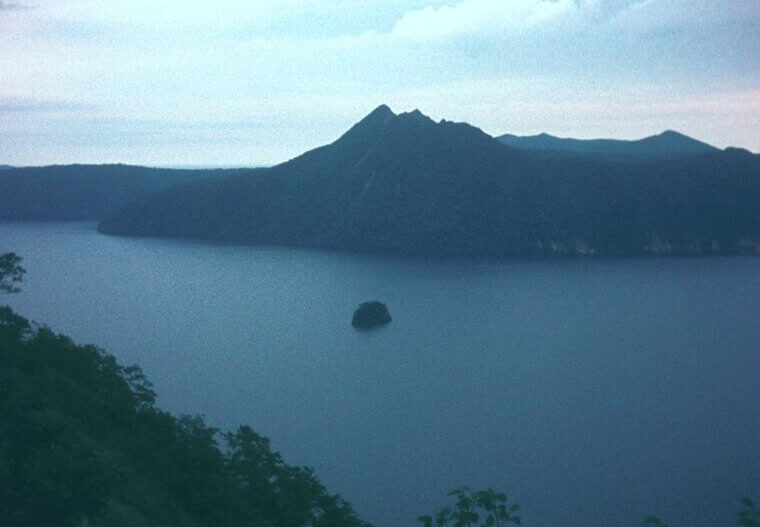
The lake has no official name in the Ainu language beyond 'the lake of the gods.' The Ainu people, Hokkaido's indigenous inhabitants, considered it sacred and did not approach it. That distance preserved its extraordinary clarity.
The Cherry Blossoms Along the Philosopher's Path
The Philosopher's Path in Kyoto follows a canal lined with 450 cherry trees for about two kilometers between Ginkakuji and Nanzenji temples. The philosopher Nishida Kitaro walked it daily on his commute, which is how it got its name. In late March and early April, the trees form a tunnel of pale pink above the water, and fallen petals collect on the canal surface in drifts. It's on every Kyoto list, which means it's worth addressing directly: yes, it's crowded during peak bloom. Go anyway. Some things are famous because they genuinely deserve to be.
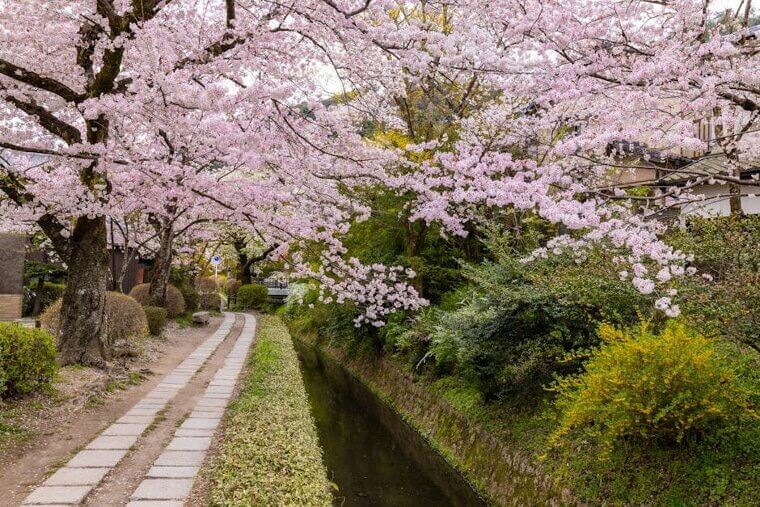
The canal path is lined with small independent cafés, galleries, and craft shops that are easy to miss while looking up at the blossoms. The best ones are tucked into converted machiya townhouses set back from the main path.