
Many of the entertaining features automobiles had in the past have vanished, even though modern cars boast many high-tech features today. These features offered driving pleasure at their time but disappeared due to cost or impracticality or because they became outdated. Take a ride down memory lane and discover some of the fun car features that are no longer around! You might be surprised by how many you wish would make a comeback.
Manual Window Cranks
Before power windows entered the market as standard equipment, people had to perform manual efforts to roll down their windows. Manual window cranks became extinct from automobiles because customers chose the convenience of electric windows even though those cranks proved to be dependable and less prone to damage. Base-model work trucks together with budget-friendly vehicles are among the few remaining products that include manual window cranks as a standard feature. Their simplicity and reliability still hold nostalgic value for some drivers. Plus, you never worried about a blown fuse trapping the glass down during a rainstorm.
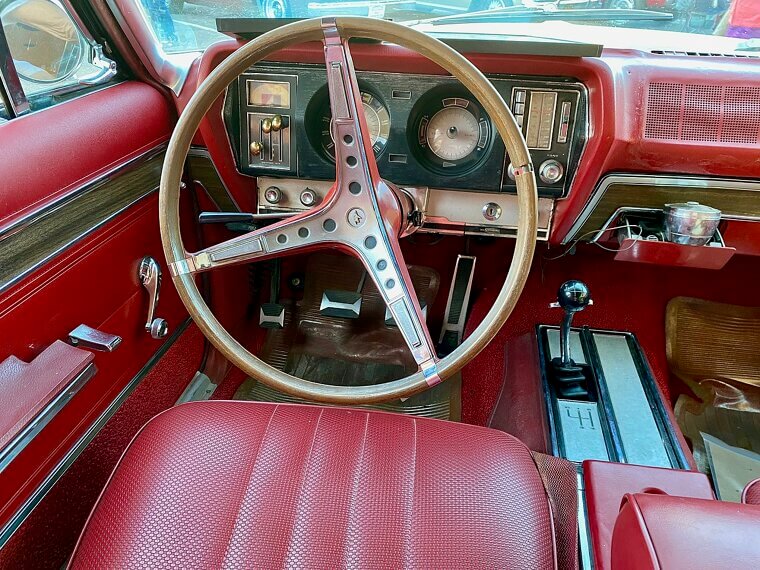
It gave a tiny arm workout, especially if the inner gears were stiff. Kids in the back often raced to lower the glass first on long road trips. Today's buttons are certainly easier, but turning that handle was uniquely satisfying.
Pop-Up Headlights
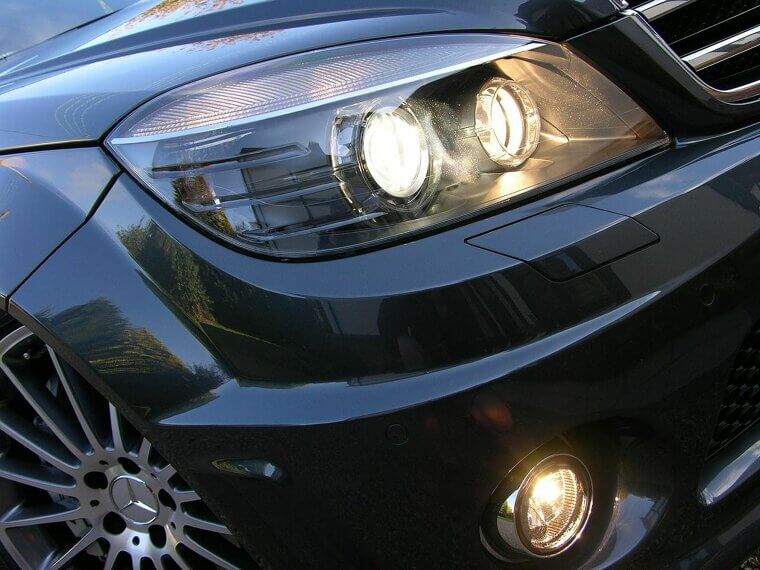
These distinctive headlight systems, originally reserved for sports cars, gave vehicles a futuristic appearance before disappearing from auto designs. They became extinct because of better pedestrian safety rules and growing technological complexity during the early 2000s. The mechanical motors that raised these headlights had a tendency to fail over time, which added extra maintenance. Despite their flaws, pop-up headlights became a beloved design feature, remembered fondly for their quirky charm and the unique personality they added to a car’s front end.
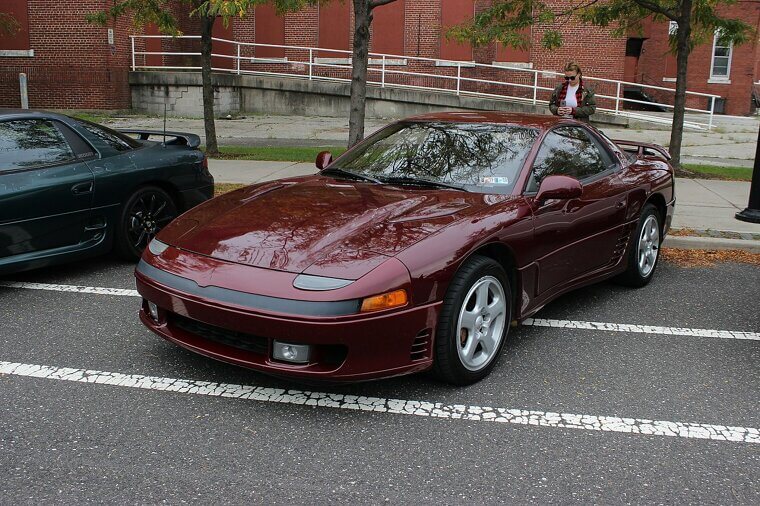
Famous models like the Mazda Miata and Chevrolet Corvette championed this fun look. When tucked away, daytime aerodynamics were fantastic. However, turning them on created obvious wind drag. Modern LED technology eventually allowed designers to build slim fixtures without any moving parts. Still, nothing matches the cool factor of watching those mechanical eyes suddenly blink open.
T-Tops
The remaining production of Targa tops alongside sunroofs continues. Yet, the T-top removable panels that extended above the driver and passenger seating disappeared as a muscle car signature feature during the 1970s through 1980s. The classic car models included the Chevrolet Camaro, together with the Pontiac Firebird. T-Tops provided drivers with open-air driving while preserving the cars' solid structure. However, poor leak and maintenance problems ultimately caused their decline. Still, they remain a nostalgic favorite among vintage car collectors and enthusiasts.
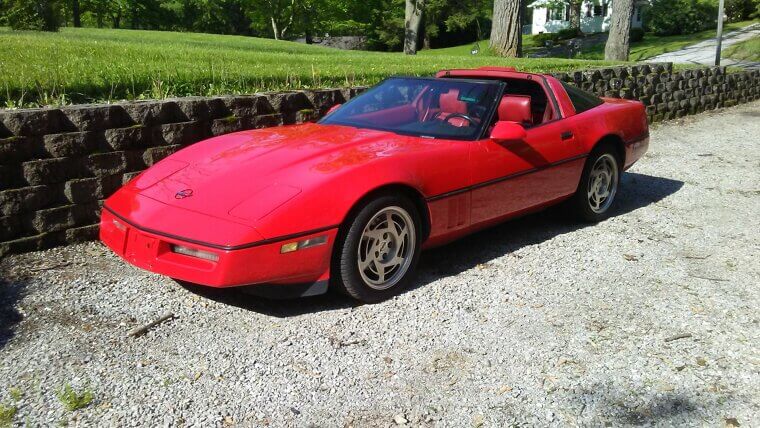
Stowing those heavy glass panels in the trunk took up valuable cargo space, but it was always worth the effort on a sunny afternoon. Pop culture icons like Smokey and the Bandit cemented their legendary status. While modern convertibles offer simpler automated solutions today, finding a classic survivor with original storage bags remains a thrill.
Front Bench Seats
Front bench seats served as the predecessor to center consoles several decades ago because they provided seating for additional passengers in front with the driver. Safety regulations and changes in customer preferences caused the disappearance of these seats, which had previously transformed cars into rolling couches. As vehicles evolved to prioritize individual comfort and advanced features like airbags and infotainment systems, the practicality of bench seats faded. Today, they’re mostly found in vintage models and some full-size pickup trucks.
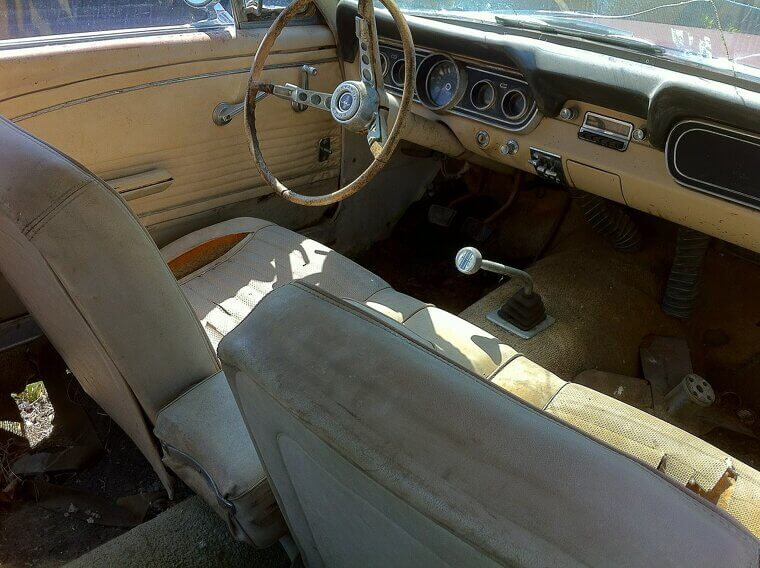
Sitting in the middle meant sharing legroom with the transmission hump, but it was perfect for date nights at the local drive-in theater. You could easily slide across the plush fabric to exit from the passenger side if parked on a busy street. Families absolutely loved them for squeezing in an extra kid during summer vacations.
Hood Ornaments
Luxury cars displayed elegant decorative hood ornaments in their past, such as Rolls-Royce Spirit and Mercedes-Benz three-pointed star. Automobile manufacturers ended production of hood ornaments because safety worries about pedestrians, along with ease of theft, prompted them to install flush-mounted insignia instead. These ornaments once symbolized prestige and craftsmanship, making a bold statement on the road. While some high-end brands still incorporate retractable versions, the classic fixed hood ornament is now a rare sight in modern automotive design. Vintage models often featured intricate figures that added serious flair to evening drives.
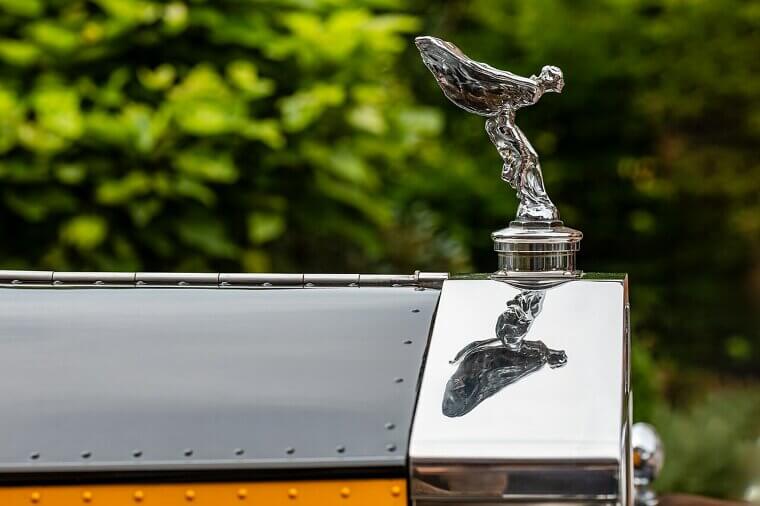
Famous examples like the leaping Jaguar really set vehicles apart from the crowd. Drivers even used these prominent centerpieces to help aim their large cars down narrow lanes or into tight parking spaces. Today, finding an intact original piece is a highly thrilling experience.
Retractable Hardtops
Convertible models that integrated retractable hardtop features delivered security characteristics like coupes with convertible enjoyment. The structural added weight, as well as complexity, forced most car manufacturers to drop retractable hardtops in favor of soft top options. Although no longer available, modern drivers who love cars value their elegant appearance and their reduced wind noise. These designs also offered better insulation and year-round usability, making them a desirable blend of style and practicality—until evolving trends and costs led to their phase-out. Watching the intricate metal roof fold neatly into the trunk always felt like a fun magic trick.
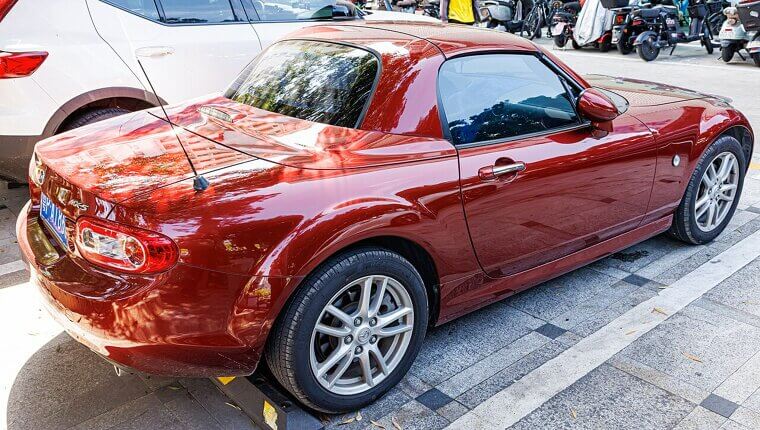
Famous cars like the Mercedes-Benz SLK made this awesome feature hugely popular during the late nineties. Parking downtown was completely stress-free since you never worried about someone damaging a fabric canopy. Though repairs were sometimes expensive, owners loved them.
Column Shifters
The American sales market contained column shifters as standard equipment in sedans and trucks before their extinction. These gear control mechanisms have disappeared from manufacturer production lines due to the growing demand for center consoles and electronic gear selection technologies. The driving experience changed after their removal because traditional cruisers and vintage cars were associated with these features. Column shifters also helped create more space up front, allowing for bench seats and a more open cabin layout, which many drivers still miss. Operating one had a great mechanical feel that modern dials or buttons simply cannot replicate.
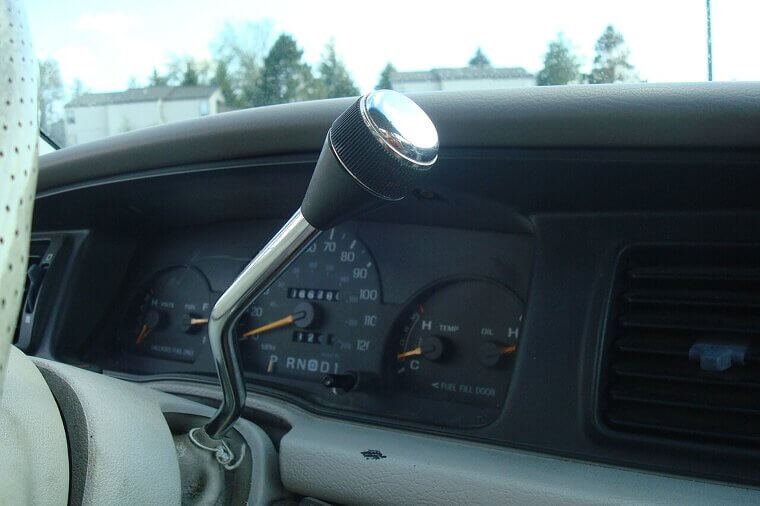
You could effortlessly shift gears with a quick flick of the wrist without ever taking your eyes off the open road ahead. It kept the floor completely clear for extra legroom or storage. While they are completely gone from today's showrooms, finding a classic vehicle with this setup brings back great memories.
Tailfins
Automobile manufacturers integrated radical tailfins into the Cadillac Eldorado models during the 1950s that communicated futuristic energy. The 1960s saw changing design preferences together with improved aerodynamic principles render them useless for automotive production. These elements from the past had no utility benefits, yet they symbolized an important design element at that time. Inspired by the space age and jet aircraft, tailfins gave cars a dramatic flair and embodied postwar optimism, leaving behind a legacy of bold, expressive styling in automotive history. These towering structures often featured built-in bullet taillights that glowed brightly like rocket boosters at night.
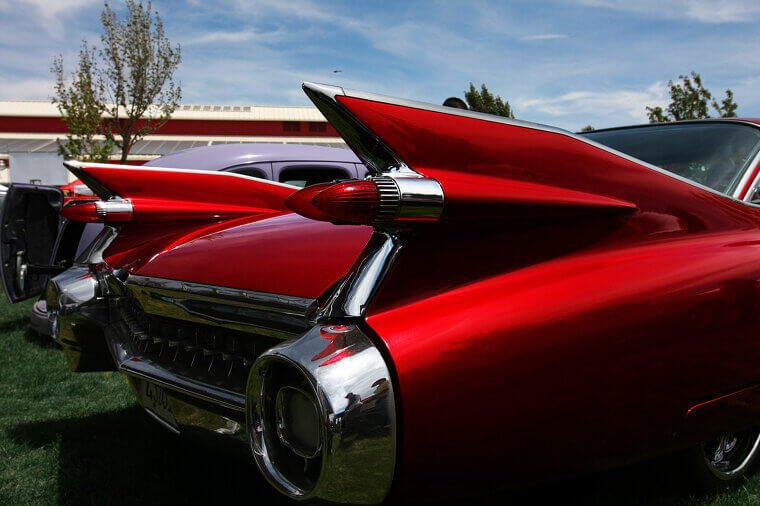
Designers competed fiercely to see who could build the tallest or most extravagant set for the showroom floor. While they did absolutely nothing to help with highway stability, they made every neighborhood driveway look like a high-tech launching pad. Today, they remain a quintessential symbol of mid-century Americana.
Ashtrays and Lighters
Driving offered acceptance for smoking at one time, so manufacturers installed ashtrays and cigarette lighters as standard car equipment. When smoking rates decreased, car manufacturers transformed the original space into additional power ports and storage areas. Modern cars use USB ports as their standard feature since they provide better functionality to contemporary drivers. These once-common fixtures now feel like relics of a bygone era, remembered by some with nostalgia and by others as an outdated feature best left in the past. Back then, passenger armrests often featured their own small, flip-open receptacles, which frequently ended up holding loose change or gum wrappers instead.
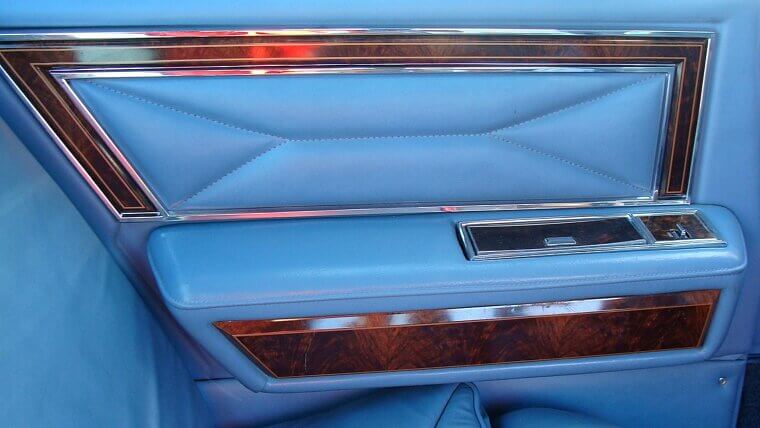
The heated coil element plug was a brilliant bit of engineering that you just pushed in until it clicked and popped back out glowing orange. Today, those old sockets serve a much more modern purpose by keeping our mobile devices charged up on long road trips.
Handbrake Levers
Manual handbrakes were fun for quick parking lot drifts, but electronic parking brakes have largely replaced them. Cars equipped with these features provide easier comfort to drivers but remove some of the tactile feel from driving. Modern drivers who desire complete manual vehicle control maintain their preference for a traditional hand-held mechanical handbrake. Beyond just function, these levers offered a satisfying mechanical engagement that enhanced the driving experience—especially for enthusiasts who value full control over every aspect of their vehicle. Pulling up that sturdy handle until it clicked provided a true sense of security on steep hills.
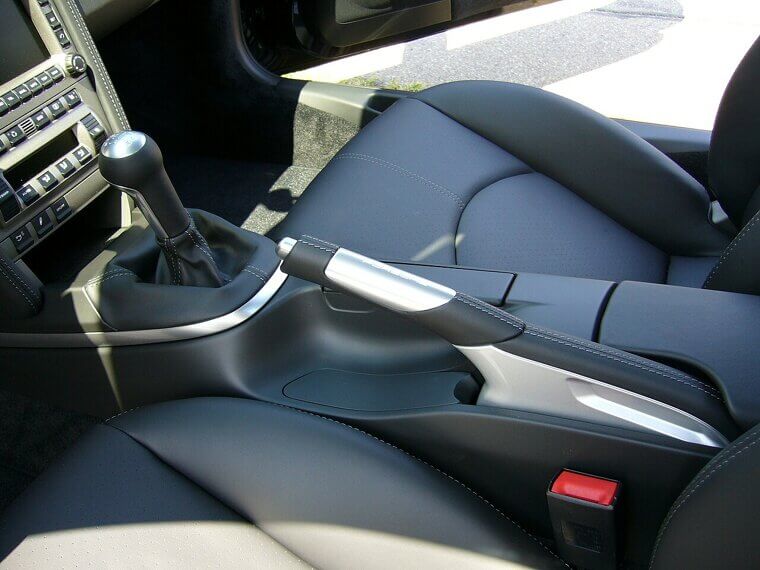
This simple cable system worked flawlessly even if the main battery died completely. While today's electronic buttons free up console space for chargers, they completely lack the charm, soul, and dependable backup utility of the classic lever.
Flip-Up Sunroofs
Sunroofs entered the market as a simple glass panel that drivers could raise to get air ventilation. Today's panoramic glass roofs prevail on the market while maintaining nothing of the modest appeal that captivated earlier generations. The newer versions of this feature come with greater weight and higher maintenance expenses. Flip-up sunroofs were lightweight, easy to use, and cost-effective, making them a favorite among economy cars. Their simplicity is fondly remembered by drivers who appreciated function without the frills. You could simply unlatch a center lever and push the glass upward to catch a cool breeze.
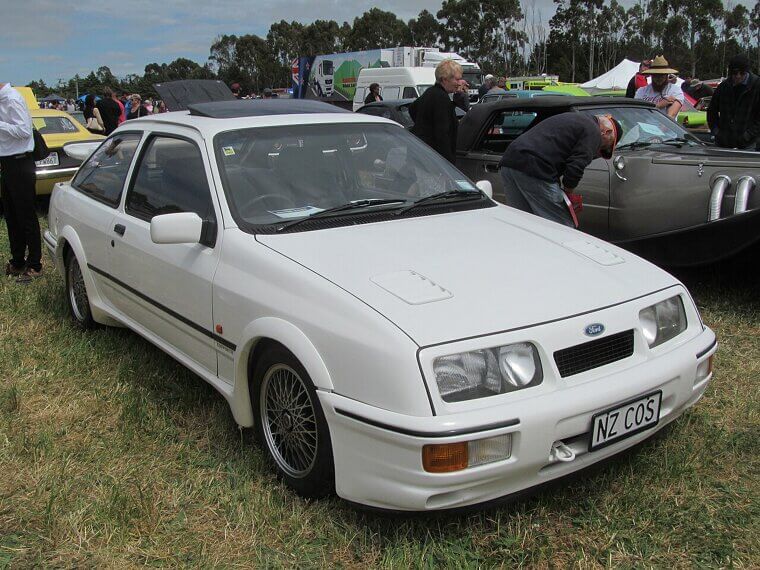
On beautiful summer days, many models allowed you to completely release the hinges and remove the panel from the car. Drivers would then store it safely inside a fabric bag in the trunk. It offered an awesome taste of convertible freedom.
Turbo Boost Buttons
Performance cars built during the 1980s through the 1990s contained a "Turbo" button that yielded temporary power enhancements. These buttons provided an original version of modern sport mode, which remains more entertaining than contemporary options. These buttons offered a bogus advantage to drivers but still managed to give them a sense of special performance capabilities in their vehicles. While not always delivering a real horsepower surge, the psychological thrill they gave drivers was unmatched—adding flair and excitement to everyday drives. Pressing it often illuminated a bright green or amber dashboard light, making you feel exactly like a sci-fi fighter pilot.
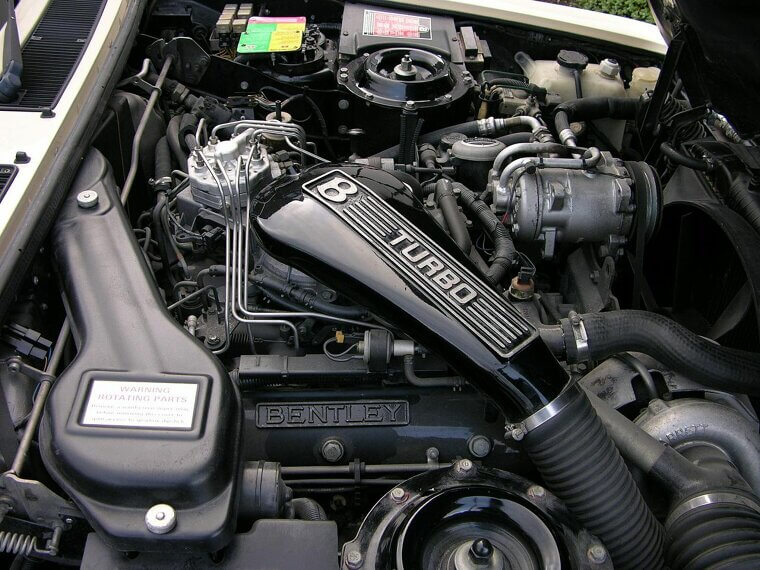
Even if it just tweaked the transmission shift points slightly rather than forcing extra air into the intake, the marketing was pure gold. It captured the era's obsession with digital gadgets perfectly before integrated touchscreens took over everything.
Floor-Mounted Dimmer Switches
Drivers of older vehicles controlled high and low beam lights using their feet through a switch operated by foot. The transfer of this feature to the steering column proved logical, but the foot-operated button provided an entertaining hidden feature under your feet. This feature offered practical use in winter since it allowed you to operate the beam switch without letting go of the wheel. It also helped keep hands free during tricky driving conditions, blending convenience with a bit of old-school charm.
Positioned to the left of the brake pedal, this sturdy little button clicked satisfyingly when pressed. It was incredibly easy to find by feel alone without looking away from a dark highway. While winter road salt eventually caused the contacts to corrode and fail, fans still miss this tactile feature.
Hidden Headlights
The combination of hidden headlights together with the pop-up mechanism delivered a stylish and aerodynamic appearance to vehicles. Manufacturers eliminated them when new style patterns emerged, along with durability problems during the production cycle. The elaborate mechanisms of these components made them difficult and costly to fix during breakdowns. Despite their disappearance, hidden headlights remain an iconic design cue from the muscle and sports car eras, admired for the sleek look they gave cars when not in use and their retro charm today.
Cars like the classic Dodge Charger and Chevrolet Camaro RS famously hid their lamps behind movable grille panels. These vacuum-operated or electric doors gave the front fascia an unbroken, aggressive stare. While they looked incredibly sharp, cold weather could freeze the doors shut, leaving drivers completely in the dark at night.
Cassette Players
Drivers formerly used cassette decks to produce mixtapes for road trips prior to the MP3 digital era. Digital music systems have replaced cassette technology, although few things match the authentic feeling of handling cassette tapes in our memories. The experience gained an additional layer from both classic sound quality together with the physical process of inserting cassettes. The satisfying click of the deck and the occasional need to rewind with a pencil added a tactile charm modern systems simply can’t replicate.
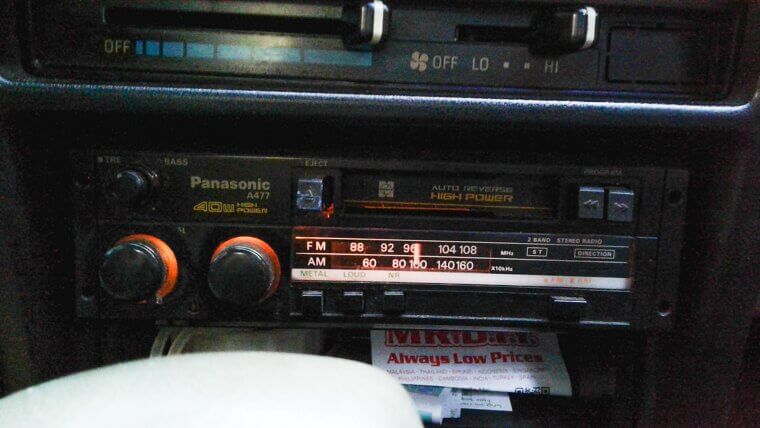
Leaving your favorite tape on the dashboard during a hot summer day usually meant a melted, unplayable mess, but that was part of the era's charm. Many dashboards even featured tiny storage slots specifically designed to keep your collection organized. Flipping the tape over to Side B became a familiar ritual on long highway drives.
Chrome Bumpers
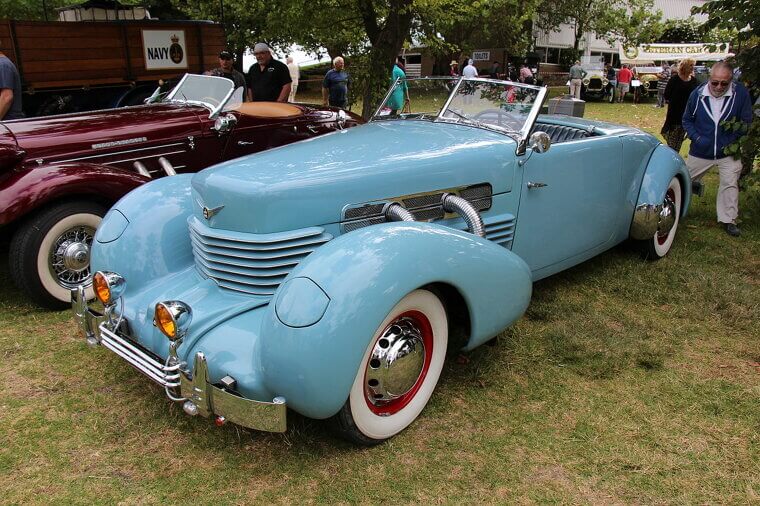
Classic car bumpers were designed with shiny chrome to create an elegant appearance. Ultra-modern bumper technology provides lighter and safer components to vehicles, yet no modern component matches the distinctive impact of chrome. The plastic bumpers have diminished in strength when compared to their stronger metal designs from earlier times. Chrome bumpers didn’t just add style—they gave vehicles a bold, confident look and offered a sense of durability that's often missed today in the era of painted plastic and hidden design lines. During the mid-twentieth century, these heavy steel parts were actual safety barriers capable of surviving low-speed scrapes.
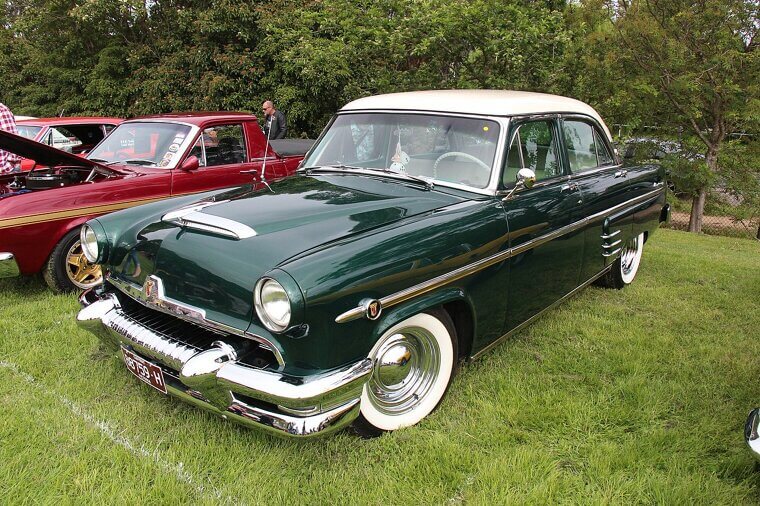
Polishing them on weekends was a proud ritual for many owners. Although federal pedestrian safety standards eventually forced manufacturers to phase them out, the brilliant gleam of a classic reflective bumper remains an absolute hallmark of vintage automotive style.
Tailgate Seats
In the past, station wagons and SUVs featured rear-facing third-row seats. The disappearance of tailgate seats occurred when regulations for safety and desires to optimize space were implemented. We can see these being incredibly popular back in the times of drive-in theaters... A comeback, perhaps? These quirky seats gave passengers a unique view of the road behind and turned tailgates into impromptu hangout spots. Though long gone, they hold a special place in automotive nostalgia for their fun, social, and unconventional vibe. Kids loved sitting in the back row and making funny faces at the trailing drivers behind them.
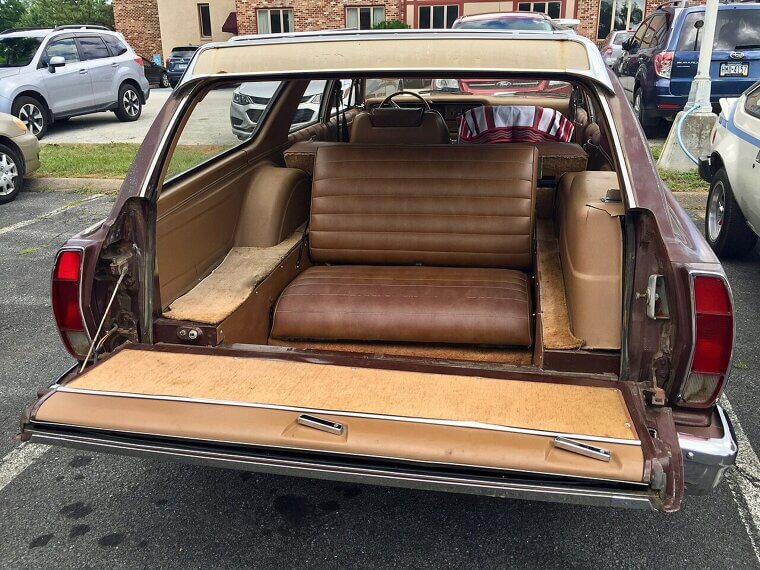
Classic family wagons like the Buick Roadmaster made this unique setup legendary decades ago. While modern safety crash standards make an official return highly unlikely, those backwards highway trips remain completely unforgettable for generations of American travelers.
Airplane-Style Dash Switches
The vintage car switches, which resembled fighter jet controls, helped drivers experience pilot-like control of their vehicles. Modern touchscreens dominate the automotive market, yet they fail to provide the same physical pleasure as operating a manual switch. The manual switches demonstrated superior durability because they surpassed the reliability of current touch-sensitive controls. Flipping a solid toggle switch offered a sense of authority and engagement, giving drivers a tactile connection to their vehicle that digital interfaces have yet to fully replicate. Classic models like the original Mini Cooper or iconic racing machines featured rows of these gleaming metallic switches.
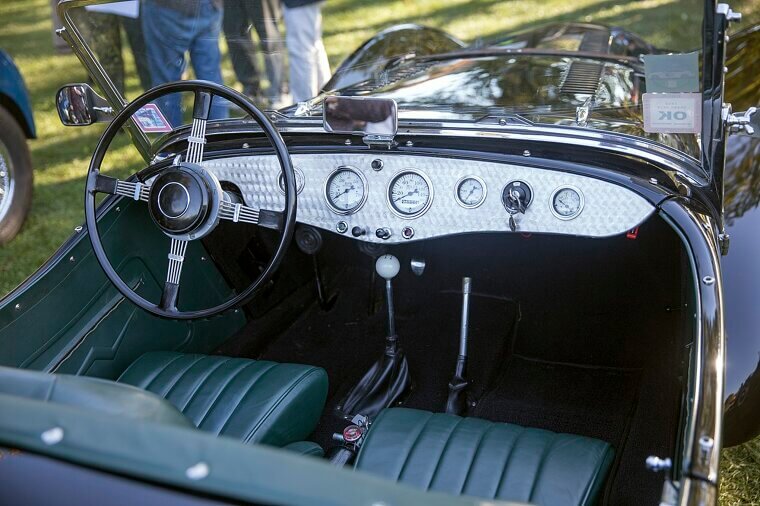
Turning on the lights or activating the wipers felt like a dramatic pre-flight sequence. They never suffered from screen glare or software lag on sunny days. Modern cabins completely lack that incredible mechanical soul.
Talking Cars
During the 1980s, certain cars included warning system notifications through voice prompts, which alerted drivers about their open doors. People found this innovative progress odd at their launch date, and they caused more issues than any benefits. Voice assistants have modernly reappeared in vehicles, but they operate with substantially greater functionality and user-defined capabilities. While the robotic voices of the past were often more amusing than helpful, they paved the way for today’s smart systems, blending nostalgia with technological evolution.
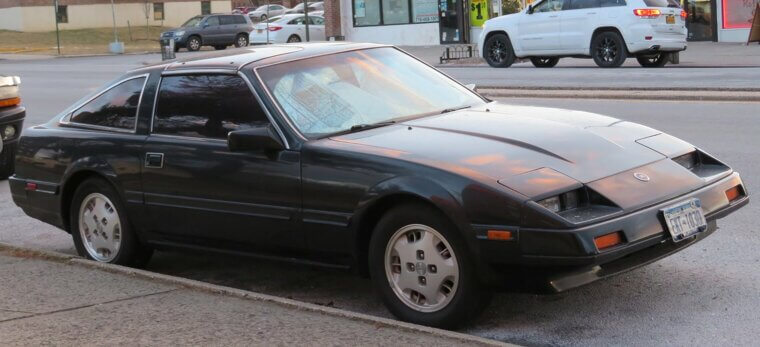
Models like the Chrysler LeBaron and Nissan Maxima famously reminded owners that "the door is ajar" using early synthetic sound chips. Drivers frequently found the persistent, metallic chiding quite annoying, leading many to pull the fuse entirely. Although those early monotone recordings felt incredibly gimmicky, they represented an ambitious leap toward modern hands-free automotive cabins.
Keyless Ignition (That Requires a Key! )
During the early era of keyless ignition technology, you could activate the engine through a button while needing to place your key inside the vehicle. Key fobs took over the role of keyless ignition systems which led some drivers to prefer their extra security features. The introduction of modern keyless technology has produced cars that many argue are more vulnerable to theft. The original systems struck a balance between innovation and security, offering push-button convenience without fully sacrificing physical control. Drivers loved the novelty of hitting a starter button, which felt reminiscent of firing up a classic race car.
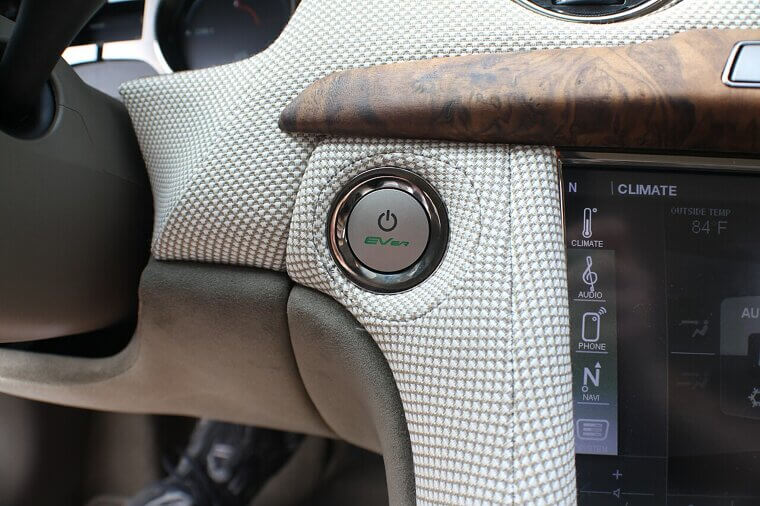
You still had to physically insert the fob into a dedicated dashboard slot before that switch would function. This setup meant you never accidentally left your keys behind. It combined old-school habits with a cool glimpse into the future.
Velour Upholstery
Luxury models from the 1970s and 1980s included velour seats, which provided a luxurious and soft seating experience. Velour upholstery was attractive and provided outstanding coziness during cold weather, though it did not have the sleek look of leather. Despite lacking a modern aesthetic, velour offered a plush, homey feel that made long drives more comfortable. Its textured surface added a touch of retro charm, and fans of classic cars still remember it fondly for its warmth and inviting comfort. Unlike modern synthetic fabrics, it felt like sitting on a premium living room sofa while cruising down the highway.
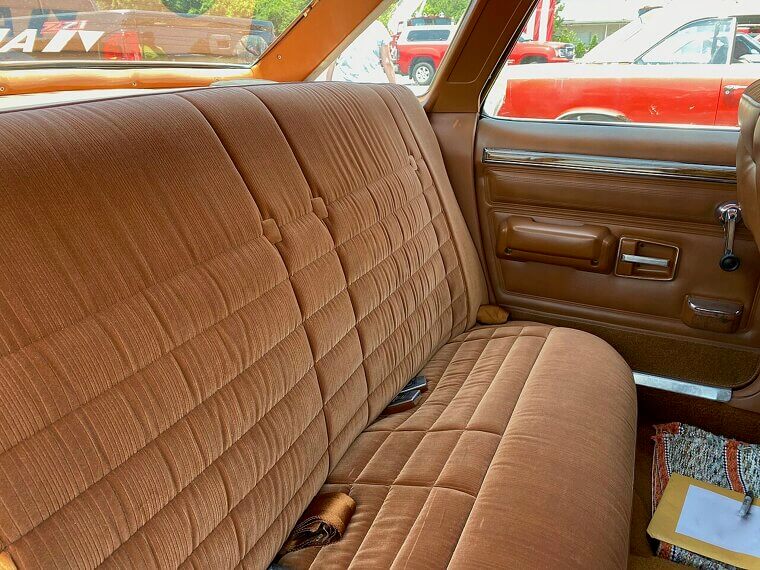
However, the material was notorious for trapping dust and crumbs within its deep fibers, making cleanup a bit difficult. While modern designers favor low-maintenance leather today, nothing captures that specific era of peak automotive nostalgia like a pristine velour cabin.
Fender-Mounted Mirrors
The fender-mounted mirror option used to be the original design feature for European and Japanese classic cars before side-view mirrors became standard on modern doors. Modern door-mounted mirrors have superior visibility compared to the former stylish fender-mounted mirrors. Though less practical by today’s standards, these mirrors added a distinctive flair and gave cars a unique profile. They also reduced blind spots for shorter drivers, but changing regulations and design priorities ultimately pushed them out in favor of safer, sleeker alternatives.
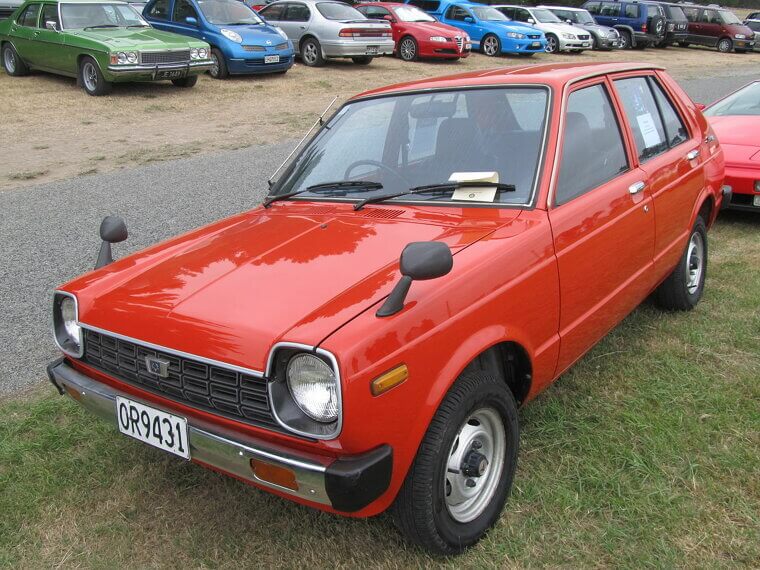
Because they were positioned far forward on the hood, drivers could check their surroundings without turning their heads away from the windshield. Adjusting them manually required stepping out of the vehicle entirely, which quickly became an annoying chore during heavy downpours. While they are still seen on certain vintage imports today, modern manufacturers have completely abandoned this retro look.
Two-Door SUVs
The Ford Bronco and Chevrolet Blazer, together with the Jeep Cherokee were dominant two-door SUVs that dominated roadways during their heyday. As consumer behavior shifted, new four-door editions came onto the market because they provided better accessibility and practical functionality. Two-door models, while stylish and rugged, lacked the convenience families and everyday drivers needed. Despite their decline, these compact and capable off-roaders still hold cult status among enthusiasts, prized for their bold looks, shorter wheelbase, and trail-ready attitude. Climbing into the back row usually required some serious gymnastics, which quickly wore out its welcome for passengers.
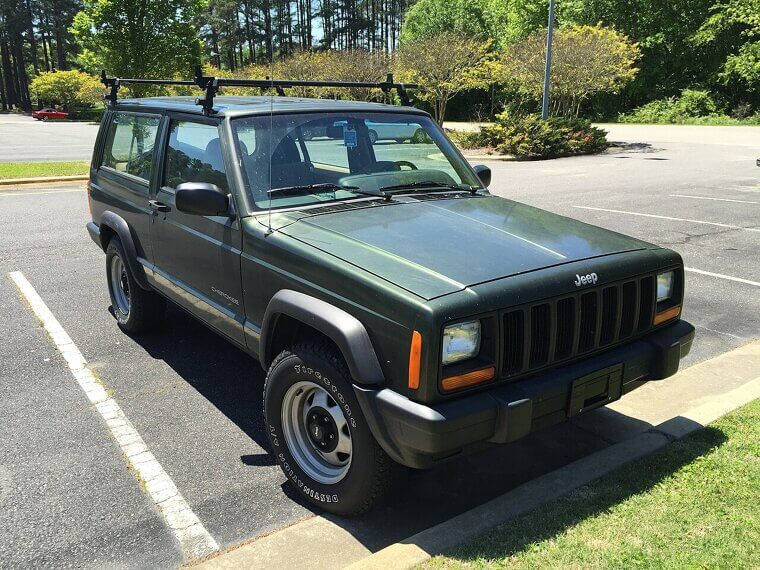
However, that shorter length made maneuvering through tight spaces or parallel parking an absolute breeze. Many owners also loved removing the heavy fiberglass tops during the summer for an open-air experience. Today, finding a clean model is a real treasure.
Digital Speedometers (1980s Style)
The digital speedometers of certain 1980s cars used numbered displays that glowed as opposed to traditional analog meters. These displays appeared trendy as the decade began, but both accuracy and visibility in estimating speed became problematic issues when driving. Modern digital dashboards improved the concept of an analog speedometer but eliminated the original retro appeal that these displays once had. The glowing green or amber numbers gave cars a futuristic vibe back then—evoking sci-fi aesthetics that still charm vintage car fans today. In bright daylight, the washed-out vacuum fluorescent screens were notoriously impossible to read clearly.
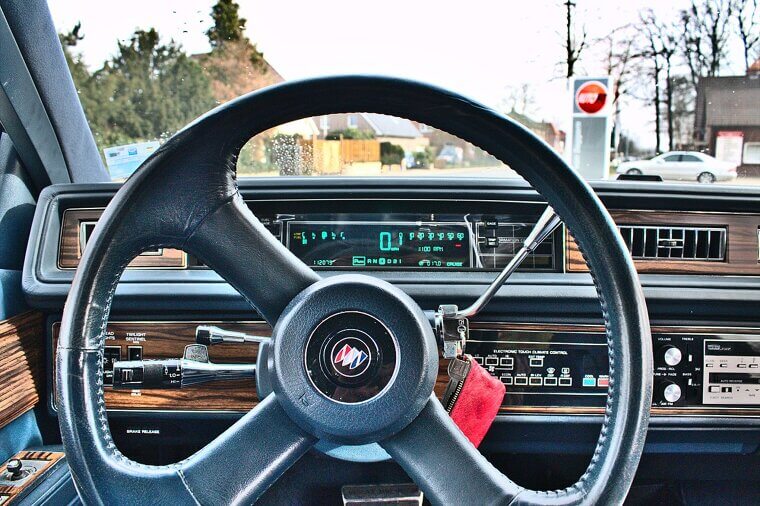
Furthermore, if a single fuse or underlying circuit blew, the entire cluster suddenly went completely dark, leaving you guessing your exact travel speed. While today's vibrant high-definition screens are technically flawless, they completely miss that amazing arcade-like charm.
Roof-Mounted Spotlights
The key feature of roof-mounted spotlights was their ability to produce additional lighting during off-road activities because of severe darkness. Drivers on public roads suffered from disabilities because these spotlights were misused by vehicle operators. The current off-road market uses LED light bars to meet the same utility needs while utilizing them mostly as off-road equipment. Roof-mounted spotlights had a rugged, adventurous look and were especially popular on trucks and SUVs, adding both style and functionality for nighttime trailblazing.
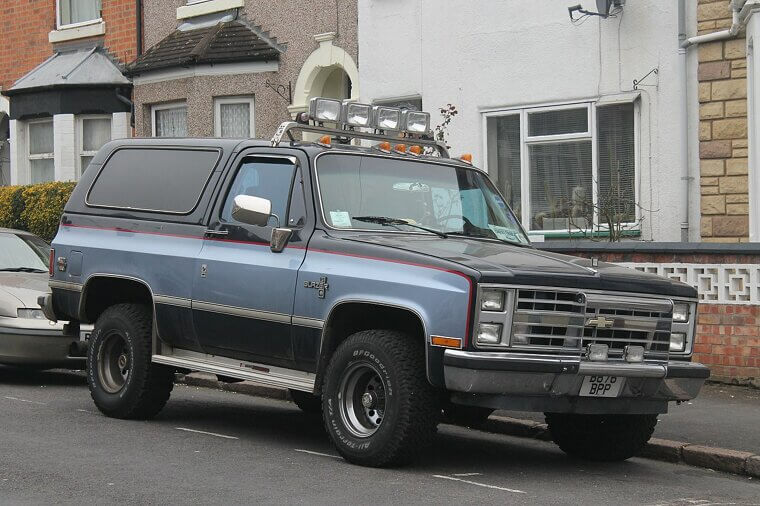
Many classic off-roaders like old-school Toyota Land Cruisers or Ford Broncos proudly wore these round, chrome-housing lights right above the windshield. They could often be manually swiveled from inside the cabin using a small handle to pinpoint specific obstacles on a pitch-black trail. While modern sleek LED bars are definitely more efficient, they lack that classic trophy-truck charm.
Pneumatic Adjustable Suspension
Luxury sedans between the 1980s and 1990s incorporated pneumatic suspensions that enabled riders to modify their vehicle height as needed for performance or comfort. Modern adaptive dampers replaced these effective systems because their repairs became too expensive for most manufacturers. Despite their complexity, pneumatic suspensions provided a smooth, customizable ride that made long journeys feel luxurious. The ability to switch between a low, sporty stance and a higher, cushioned ride was a game-changer—one many classic car enthusiasts still admire today.
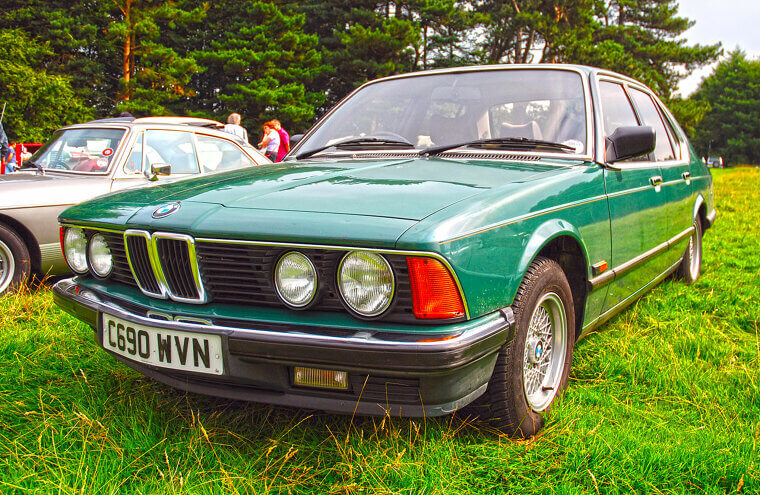
Models like the classic Lincoln Continental famously utilized these onboard compressor setups. Passengers truly felt like they were floating on a cloud rather than rolling over rough asphalt. However, when the flexible rubber bags inevitably leaked, owners often woke up to find their cruiser sagged all the way to the ground. It remains a legendary engineering marvel.
Car Phones
The invention of handsets happened after high-end automobiles became the first to include car phones inside their luxury models. This sophisticated tool needed a quick retirement as the mobile technology wave emerged after its initial launch. The introduction of Bluetooth functionality superseded phone service capabilities and provides drivers with hands-free communication. Though bulky and limited by signal range, car phones were once the ultimate status symbol—offering on-the-go connectivity before cell phones became mainstream, and forever marking a turning point in mobile convenience.

These vintage setups typically featured a thick, coiled cord connecting the handset to a large transceiver base bolted between the front seats or hidden inside the trunk. Operating them required an incredibly expensive cellular subscription that charged by the minute. While completely obsolete now, they perfectly capture the flashy, high-flying executive aesthetic of the late twentieth century.
Retractable Antennas
During past decades, most vehicles included motorized antenna systems, which automatically extended during radio operation but returned to their original position after turning off the radio. Although charming in design, these items proved unreliable and often got damaged by car washing equipment. Despite their fragility, retractable antennas added a touch of elegance and tech-forward appeal to vehicles. Today’s cars rely on compact, fixed antennas or integrated systems, leaving behind the satisfying whir and subtle drama of a rising radio mast.
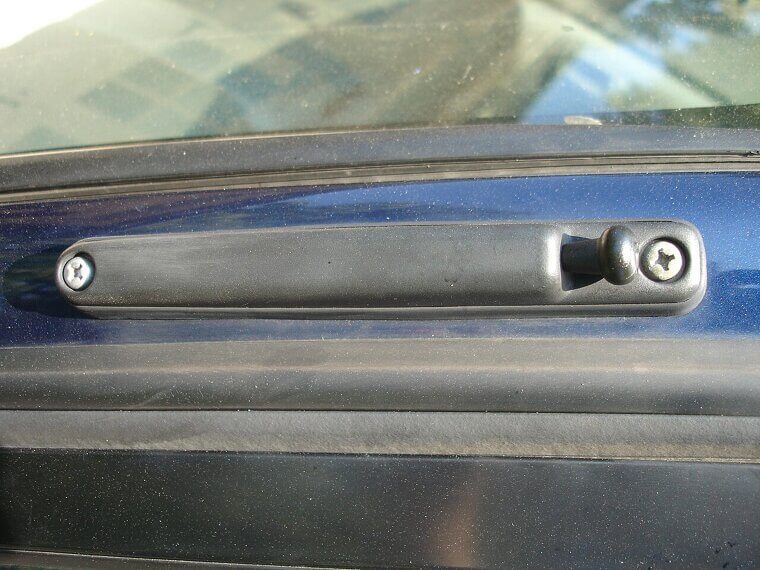
In freezing winter weather, ice would routinely lock the telescoping metal segments in place, causing the internal electric motor to burn out as it strained to move. Vandalism was another constant headache, as mischievous teenagers frequently bent them into useless shapes overnight. While today's shark-fin units are infinitely more durable, they lack that classic mechanical showmanship.
Spare Tire Covers
In the past, SUV vehicles displayed their spare tires in the rear with branded protective covers attached. The production of spare tires by car manufacturers has slowed, and automakers now place tires beneath car levels or utilize tire repair kits instead. These covers not only shielded the tire from weather damage but also served as a canvas for brand identity and rugged style. Their disappearance marks a shift toward minimalism and space-saving, though they’re still fondly remembered on classic utility rides. Drivers frequently personalized these vinyl or hard-shell cases with custom graphics, wildlife illustrations, or witty slogans.

Models like the early Honda CR-V and Jeep Wrangler made this external mounting look absolutely iconic. While eliminating the heavy rear setup helps improve fuel efficiency nowadays, we definitely miss seeing those unique, colorful designs out on the open highway.
Bubble Windows on Vans
Custom vans of the 1970s often had a bubble-shaped window, giving passengers a unique way to see the road. The van culture adopted these decorative elements which became famous before they disappeared from view. We could see these coming back some day - retro is making its comeback, after all. Bubble windows added personality, flair, and a spaceship-like vibe that defined the custom van era. They weren’t just stylish—they helped spark creativity and freedom in how people personalized their road trip machines. Often called porthole windows, these plexiglass bubbles came in fun shapes like diamonds or hearts.
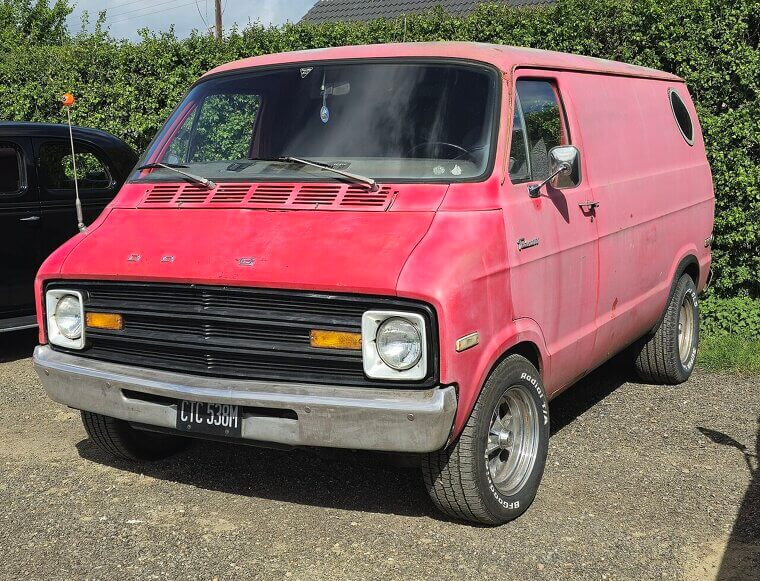
They gave occupants inside total privacy while still letting in plenty of natural sunlight. While modern conversion vans favor huge, plain glass panels today, nothing quite matches the unforgettable, groovy look of these vintage seventies creations.
Opera Windows
During the 1970s and 1980s luxury coupes commonly included curvy oval opera windows that were installed on the C-pillars. The decorative windows enhanced visual appeal yet did not offer practical use in the design of the vehicle. These small, stylish windows became a hallmark of upscale design, lending an air of elegance and formality to personal luxury cars. While they served no real function, their distinct look remains a nostalgic reminder of an era focused on flair and aesthetic sophistication.
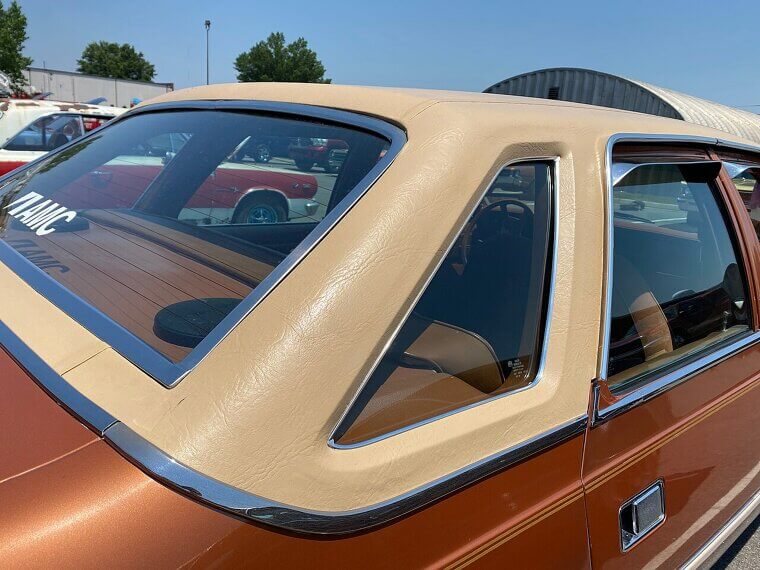
They were frequently paired with padded vinyl roofs, creating a private cabin atmosphere. Iconic models like the Lincoln Continental Mark IV made this feature a true status symbol. Sometimes, these tiny portals even featured etched manufacturer logos. Though they created massive blind spots for drivers, nobody cared because the look was just so undeniably cool.
Mechanical Odometers
Cars previously employed rolling-number mechanical odometers as their mileage-tracking devices before digital displays came into the market. Despite their attractive vintage look the analog odometers were simple to alter for corrupt drivers who wanted to cheat on mileage records. Still, there's something charming about watching the numbers click over on a long road trip—a feeling lost in today's digital dashboards. Their physical movement gave a tactile sense of distance traveled that many classic car lovers still appreciate. Driven by a flexible cable connected directly to the car's transmission, these gear-based counters physically rolled over each individual digit.

When a vehicle reached major milestones like 99,999 miles, watching the entire row flip back to zero felt like an incredible achievement. While modern electronic clusters are infinitely more secure against fraud, they lack that wonderful mechanical heartbeat.
Swivel Bucket Seats
Among the 1970s sedan and coupe models, there were front seats that pivoted outward for easier entry and exit. The innovative seats experienced a discontinuation after safety complications arose, along with their high production costs. Despite their short-lived presence, swivel seats were a clever solution for accessibility and added a touch of futuristic flair. They offered unmatched convenience for drivers and passengers alike—especially in tight parking spaces—and remain a standout feature remembered fondly by fans of retro automotive ingenuity. Famous options like Chevrolet’s 'Swivel-Out' seats in the Monte Carlo allowed the driver to rotate a full ninety degrees.
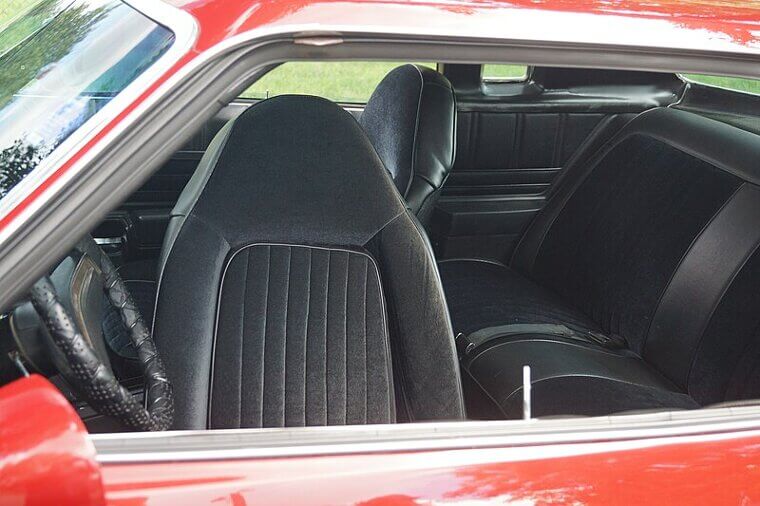
This made sliding out of the low-slung cabins effortless, especially for anyone wearing formal attire or tight clothing. While modern safety regulations require much more rigid seat anchoring today, this remains a legendary peak of seventies comfort.
Dashboard Clocks
Several vintage automobiles featured classic dashboard clocks to enhance their appearance along with their elegance. Modern luxury brands continue to have dashboard clocks yet most contemporary automobiles use digital displays or infotainment solutions for time management purposes. These analog timepieces added a refined touch to interiors, often styled to match the vehicle’s aesthetic. Though not as precise as digital systems, they offered a timeless charm and a sense of sophistication that elevated the overall driving experience in classic cars. High-end luxury brands frequently partnered with famous watchmakers to design these miniature masterpieces.
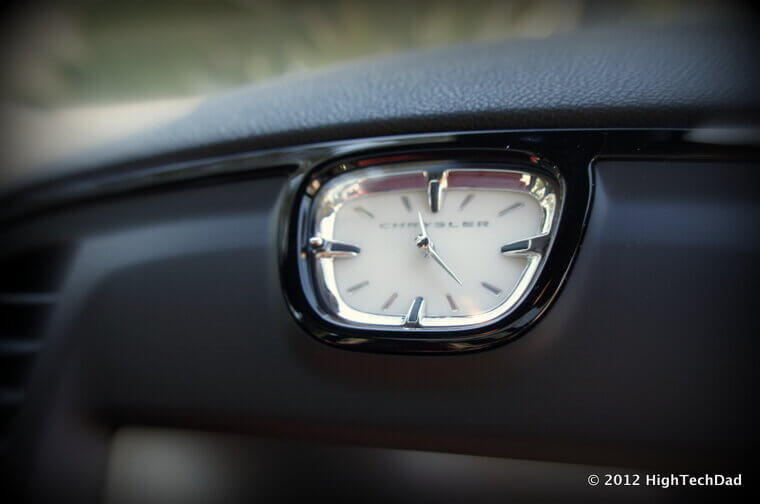
For example, brands like Cadillac or Lincoln historically showcased prominent timepieces right in the center stack. Watching the elegant hands sweep across the dial added a rhythmic, calming presence to long evening drives. Today, they remain a highly sought-after feature for collectors who appreciate fine mechanical craftsmanship.
Fuel Filler Behind the License Plate
The fuel fillers of older American classic cars were located behind their rear license plates to create a continuous appearance. The strategic placement of the fuel fueler behind the license plate appeared elegant yet proved inconvenient because drivers needed to lower the plate at gas stations. Still, it provided symmetry and preserved the sleek lines of the car’s rear design. While no longer practical, this hidden detail added a touch of mystery and clever design now cherished by vintage car fans. Models like the 1969 Chevrolet Malibu famously embraced this feature.
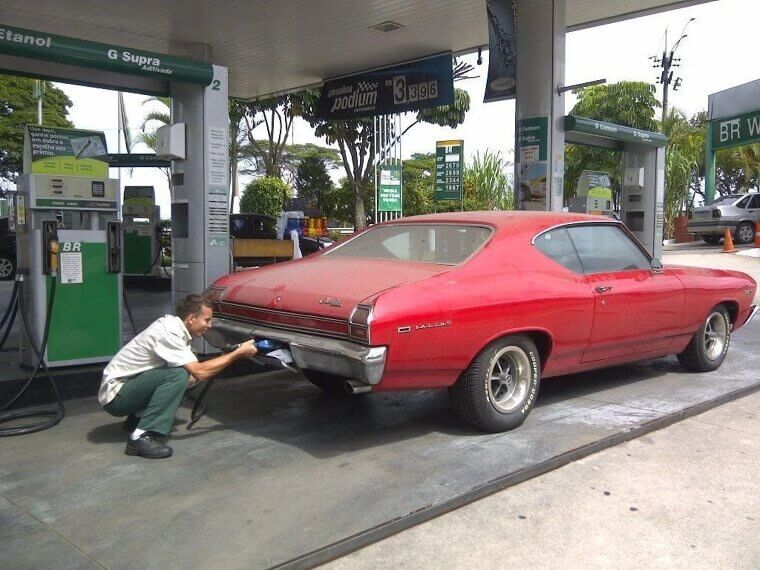
A major advantage was that drivers never had to worry about which side of the pump they pulled up to. However, holding down the stiff, spring-loaded bracket while fueling could be an awkward struggle. Safety standards regarding rear-end collisions eventually phased out this unique layout.