
Most motorcycles fade quietly — discontinued, forgotten, crushed for scrap. But a handful of machines slipped through the cracks of history only to resurface decades later worth more than a house. These are the bikes collectors are fighting over right now.
Vincent Black Shadow's Legendary Status
This might be the most underrated origin story in motorcycle history. Philip Vincent didn't just build a fast bike — he built the fastest production motorcycle in the world and then watched the legend grow for 70 years after his company died. The Black Shadow's 998cc V-twin was hand-assembled, hand-tuned, and hand-tested. In 1948, it hit 150 mph at Bonneville. Riders called it terrifying. Journalists called it impossible. Collectors today call it the holy grail — and they back that up with extraordinary sums at auction.
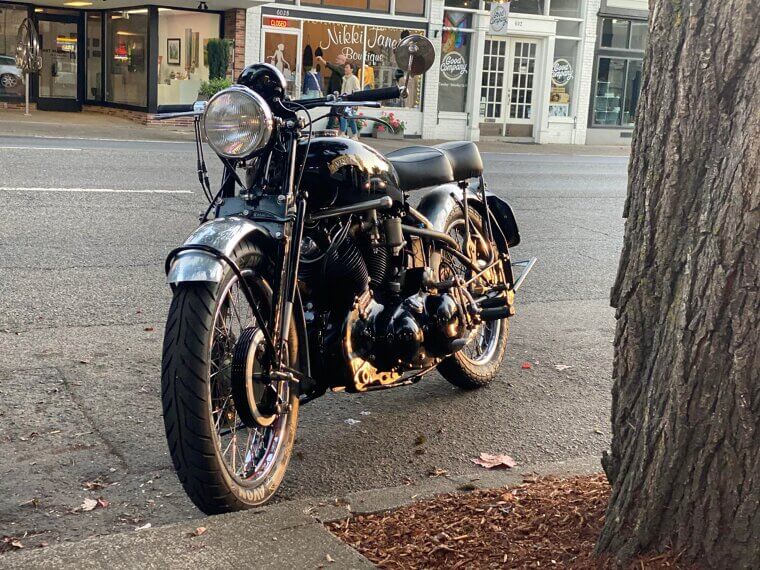
$1,000,000. That's not a typo. A Series C Black Shadow sold for over a million dollars in recent years, cementing Vincent's place as the undisputed king of collectible British iron.
The Velocette Thruxton That Stunned Buyers
Picture this: a dusty British workshop in 1965, a small team building fewer than 200 motorcycles a year by hand. The Velocette Thruxton was never meant to be a mass-market machine — it was a racer barely tamed for the street. Named after the famous endurance circuit, it came with clip-on bars, a rearset peg setup, and a single-cylinder engine tuned to within an inch of its life. Buyers who found one new were stunned by how raw it felt. Collectors today are stunned by something else entirely: the price tag.
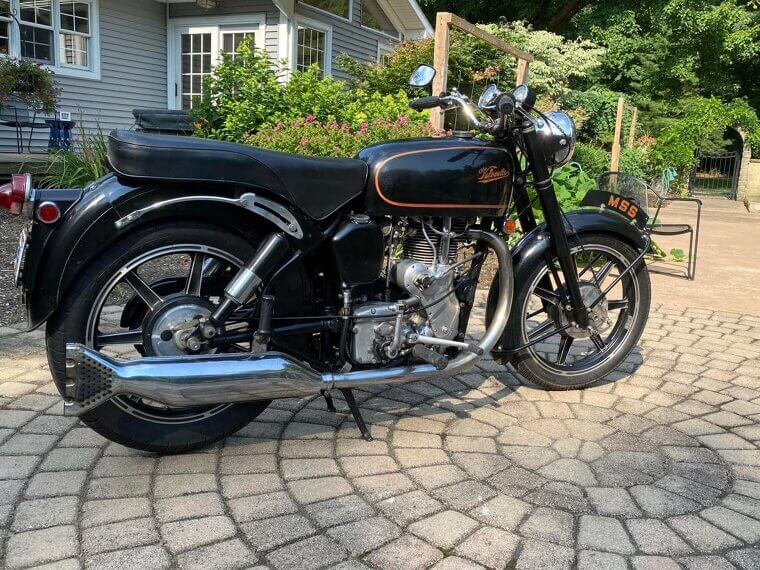
Fewer than 1,100 Thruxtons were ever built, making surviving examples genuinely rare. A clean, numbers-matching bike now commands $30,000–$50,000 at serious auctions — and climbs higher every year.
The Rise of the Indian Four
The Indian Four didn't arrive quietly. When it debuted in the 1920s — built on the bones of the Ace Four that Indian had absorbed — it was the smoothest, most sophisticated motorcycle an American could buy. Four cylinders, inline, exhaust pipes curving elegantly out the front. Riders who'd only known thumping V-twins were genuinely unprepared. Production ran through 1942, when wartime steel priorities ended it for good. Indian never revived it, and that finality is exactly what makes surviving examples magnetic to collectors.
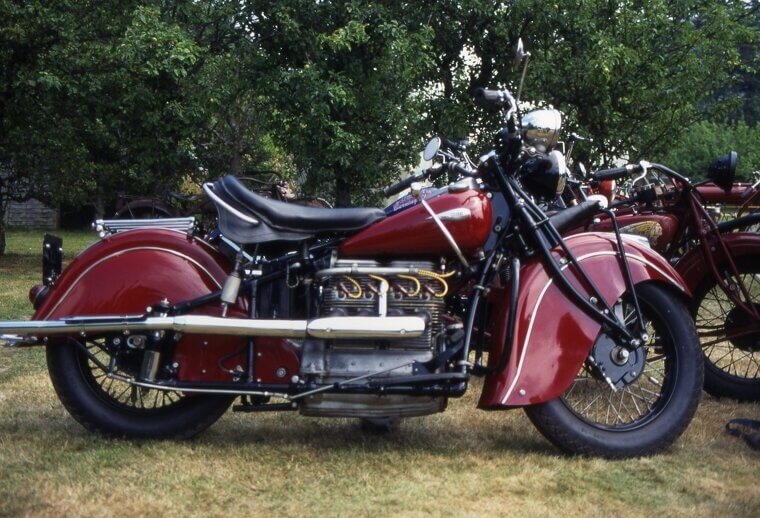
Late-model 1940–42 Indians are the most sought after. Restored examples regularly sell between $35,000 and $60,000, with exceptional original bikes pushing well past that ceiling.
Henderson Streamline Model K's Forgotten Glory
Henderson built the Streamline Model K in 1929 and then vanished — not because the bike failed, but because the Great Depression took the entire company with it. The Model K was ahead of its time: a 1,300cc inline-four with an integrated frame and bodywork that looked like it belonged in a 1930s sci-fi serial. Only a handful of complete examples survived the decades. Today, those survivors sit in climate-controlled museum collections and private vaults. Most enthusiasts have never seen one in person.
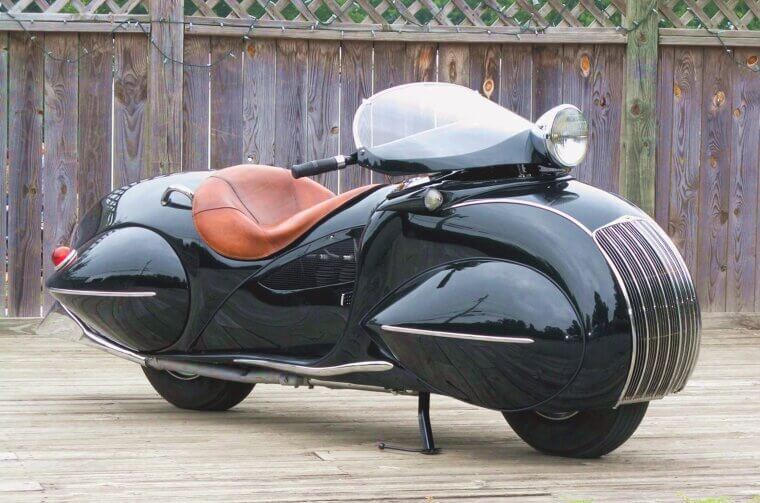
The Henderson Streamline is one of the rarest American motorcycles in existence. When one does surface at auction, expect bidding to open at $80,000 and climb fast from there.
The Excelsior-Henderson That Collectors Love
Would you pay six figures for a brand that most people have never heard of? Excelsior-Henderson tried to revive the classic American heavyweight in the late 1990s, building big V-twins in Minnesota with serious craftsmanship. The company folded in 1999 after just two years of production — a victim of undercapitalization and brutal competition from Harley. That short production window created instant scarcity. Bikes that left showrooms for $18,000 are now trading among collectors for multiples of that, especially low-mileage survivors still wearing their original paint.
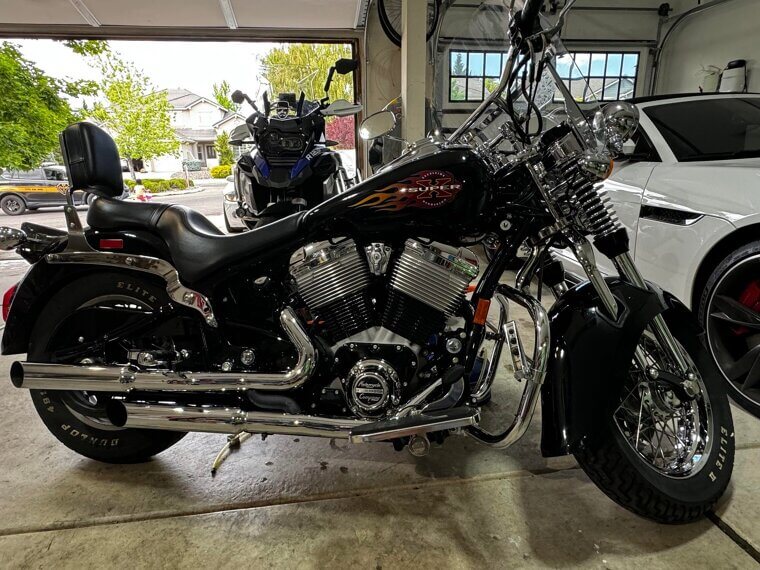
The Super X model is the most collectible of the bunch. With fewer than 2,000 ever sold, finding one in original condition is genuinely difficult — and sellers know it.
The Ariel Square Four's Devoted Following
The Ariel Square Four had a problem from the start: it was too clever. Edward Turner's 1931 design stacked two parallel-twin crankshafts together, creating a four-cylinder engine in a near-square configuration. The result was silky smooth power delivery — and a rear cylinder bank that cooked itself in traffic. Ariel spent two decades refining the cooling issues, producing the beloved Mk II version in 1953. By then, it had earned a devoted following of riders who forgave every quirk. Those riders' grandchildren are now paying serious money to own one.
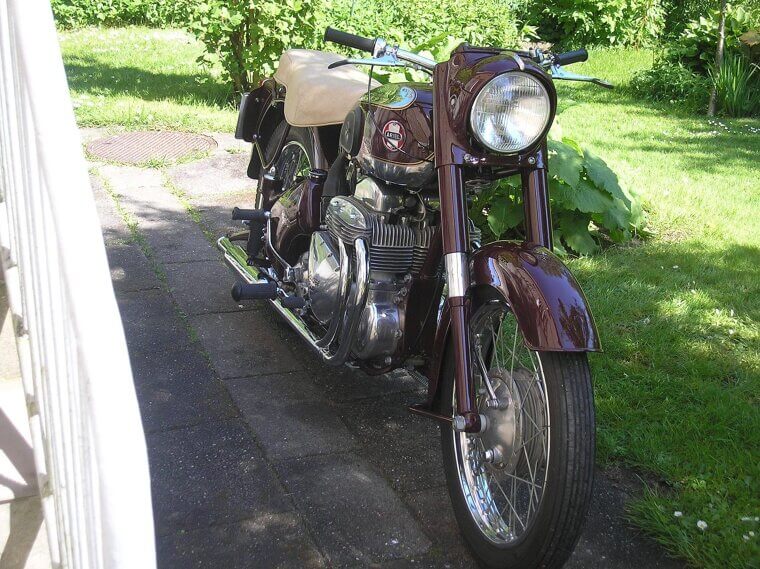
A well-restored Mk II Square Four sits comfortably in the $15,000–$25,000 range today. The devoted owner community keeps values climbing steadily, and parts availability has actually improved.
The Forgotten Beauty of Brough Superior
You've probably seen the name on a T-shirt without knowing the real story. Brough Superior wasn't just a prestigious motorcycle brand — it was the Rolls-Royce of two wheels, a title Rolls-Royce itself once confirmed in writing. George Brough built each SS100 by hand in Nottingham, guaranteeing in writing that every machine had been tested at over 100 mph before delivery. T.E. Lawrence — Lawrence of Arabia — owned seven of them and died on the last one. That combination of craftsmanship and mythology makes Brough the most expensive vintage motorcycle marque on earth.
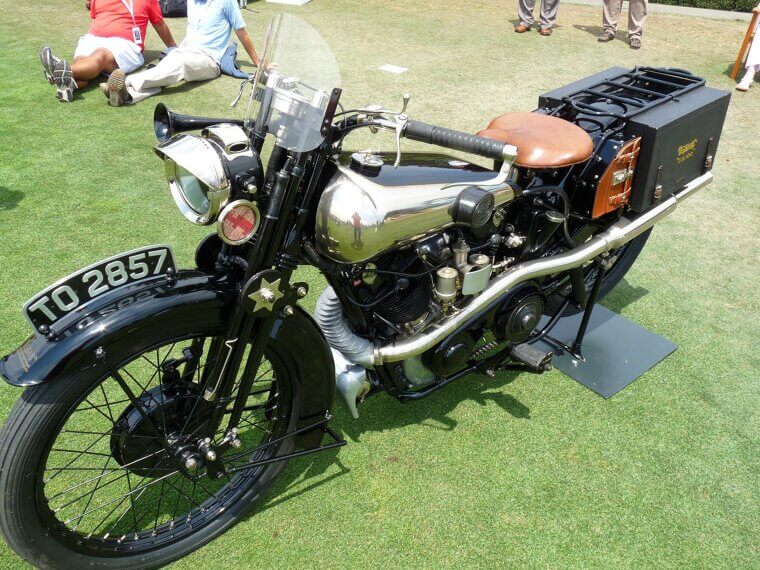
SS100 values have crossed $500,000 at major auction houses. A 1925 example sold for over $929,000 in 2020. The new Brough Superior revival hasn't dented the vintage market one bit.
Scott Motorcycles and Their Two-Stroke Magic
Test riders came back wide-eyed. Scott's two-stroke twins in the 1910s and 1920s made sounds and sensations that four-stroke riders simply weren't prepared for — a distinctive yowl that earned them the nickname 'the flying squirrel.' Alfred Scott was decades ahead of his time, using water-cooling, telescopic forks, and a two-speed gear cluster when most manufacturers were still bolting engines into bicycle frames. Scott died in 1923, but his machines lived on in production until the 1950s, each one a hand-built curiosity.
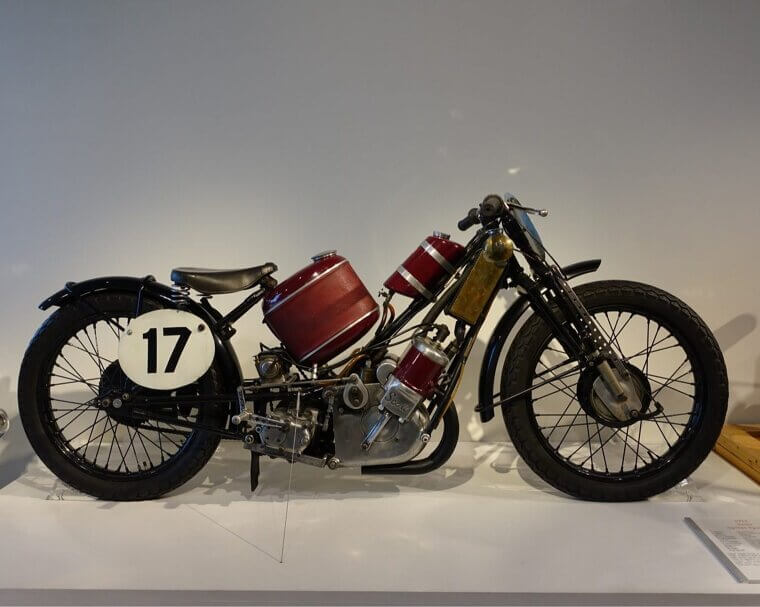
Vintage Scotts are intensely personal machines — owners tend to obsess over them. Prices range from $8,000 for a project to $30,000-plus for a running, documented original in good condition.
The Megola With Its Engine Inside the Wheel
A five-cylinder radial engine — the kind you'd find in a biplane — spinning inside the front wheel hub of a motorcycle. No clutch. No gearbox. To start it, you pushed the bike down the road and let the engine fire on its own. This was not a prototype or a fever dream. This was the Megola, a German production motorcycle built between 1921 and 1925, and somehow 2,000 of them were sold to real customers who rode them on real roads.
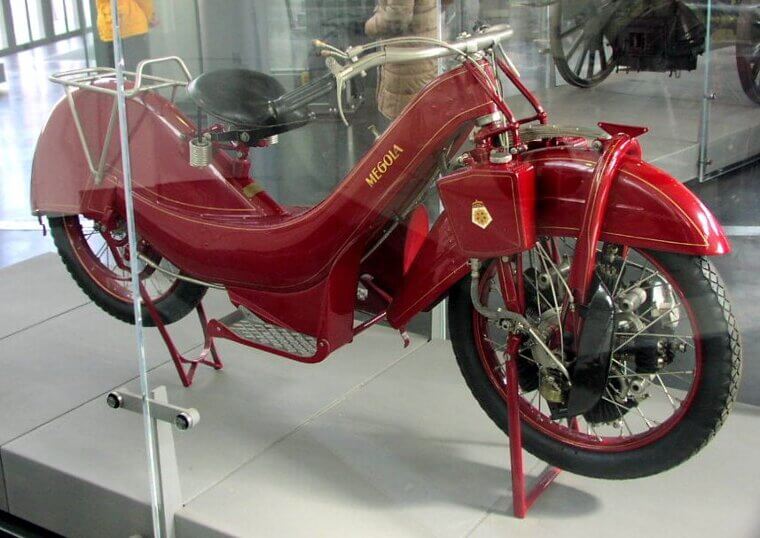
The Megola is arguably the strangest collectible motorcycle ever made. Surviving examples are museum pieces that almost never come to market — which is exactly why collectors lose their minds when one does. Prices have crossed $500,000 when the right buyer meets the right machine.
The Matchless G50 Racing Heritage
The Matchless G50 was built for one purpose: winning. AMC developed the 500cc single-cylinder racer in 1958 as a direct competitor to the Norton Manx, and it immediately became a weapon in the hands of privateers who couldn't afford factory team support. Its oversquare engine, big valves, and magnesium components made it genuinely competitive at the highest levels of Grand Prix racing. When AMC collapsed in 1966, the G50 became an orphan — and orphans with race pedigrees tend to appreciate dramatically.
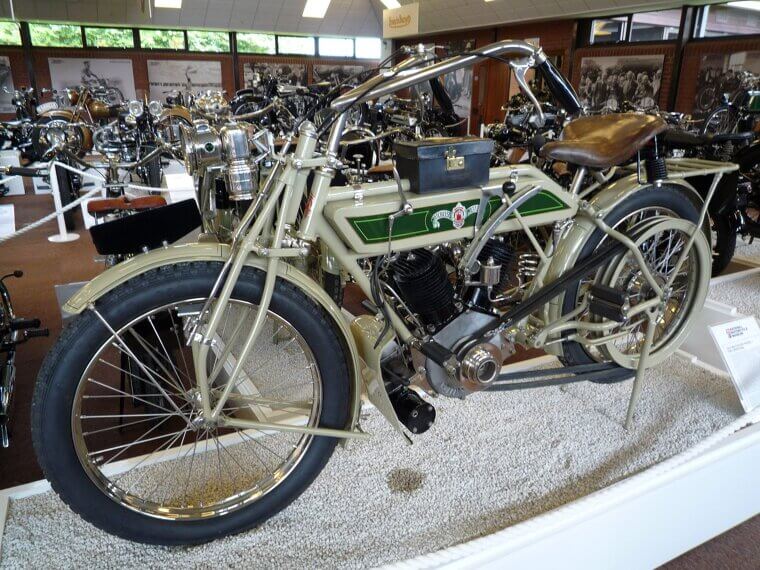
G50s with documented race histories fetch $60,000 to $100,000 from serious collectors. Replica frames and parts availability keep the racing class alive today, which actually helps sustain original values.
AJS Motorcycles That Disappeared Too Soon
AJS and Matchless shared a parent company and a factory, but AJS carried a separate identity — one built on pre-war TT victories and a reputation for building motorcycles that rewarded skilled riders. The 7R, known as 'the Boy Racer,' was a 350cc single that punched far above its displacement in club racing through the 1950s. When Associated Motor Cycles collapsed, the AJS name went with it, leaving a gap in the market that nothing quite filled. The bikes left behind became artifacts of a particular moment in British motorsport.
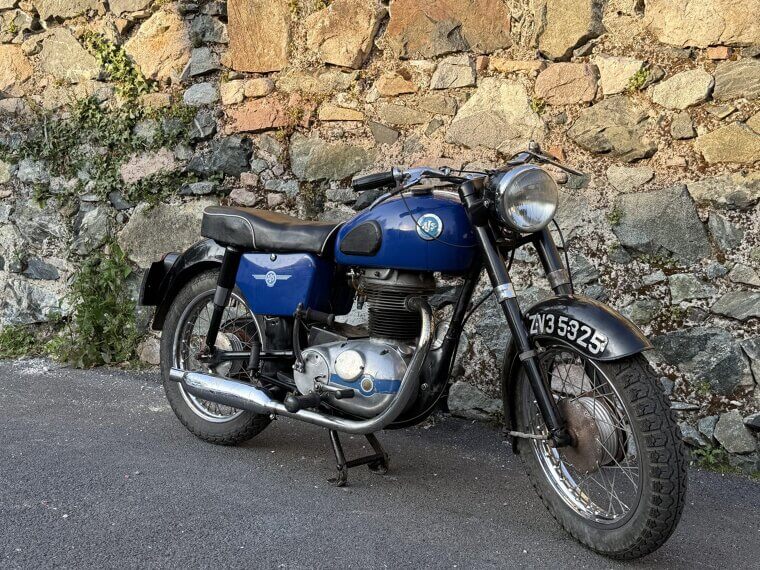
A genuine AJS 7R in race-ready condition is a $40,000–$70,000 proposition today. The name occasionally resurfaces on small modern bikes, but serious collectors ignore those entirely.
The Sunbeam S7 and Its Smooth Reputation
The Sunbeam S7 arrived in 1947 with an unusual promise: it would be the quietest, smoothest motorcycle Britain had ever produced. BSA had acquired Sunbeam and tasked designer Erling Poppe with building something genuinely refined. The result was an inline twin mounted longitudinally, shaft-driven, with a fully enclosed drivetrain and a ride quality that shocked riders used to British vibration. Critics called it too soft. Owners called it civilized. The S7 never sold in huge numbers, which today works entirely in its favor.
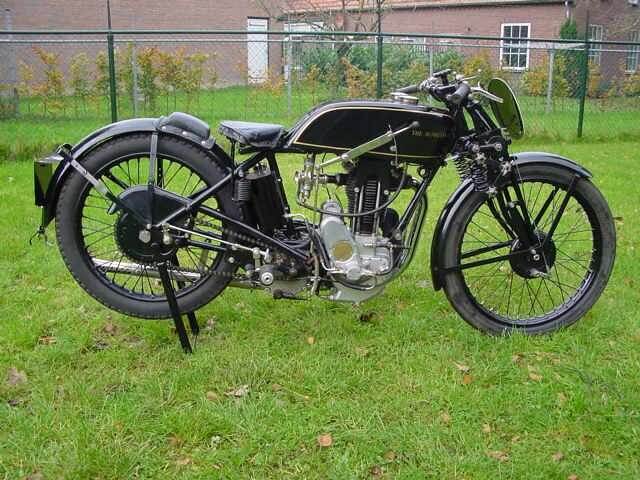
Finding a complete, running S7 or S8 takes patience and connections. Values hover between $8,000 and $18,000 depending on condition — modest by collector standards, but climbing as the community grows.
Douglas Motorcycles With Flat-Twin Engines
Douglas had a flat-twin engine layout long before BMW made it famous — in fact, they were building horizontally opposed twins from 1907 onward. The Bristol-based company's postwar machines, particularly the T35 and Dragonfly, used a transverse flat-twin that gave them a low center of gravity and a distinctive exhaust note unlike anything else on British roads. Douglas folded in 1957, leaving behind a small but passionate community of owners who've kept the marque alive through sheer stubbornness and mutual parts-sharing.
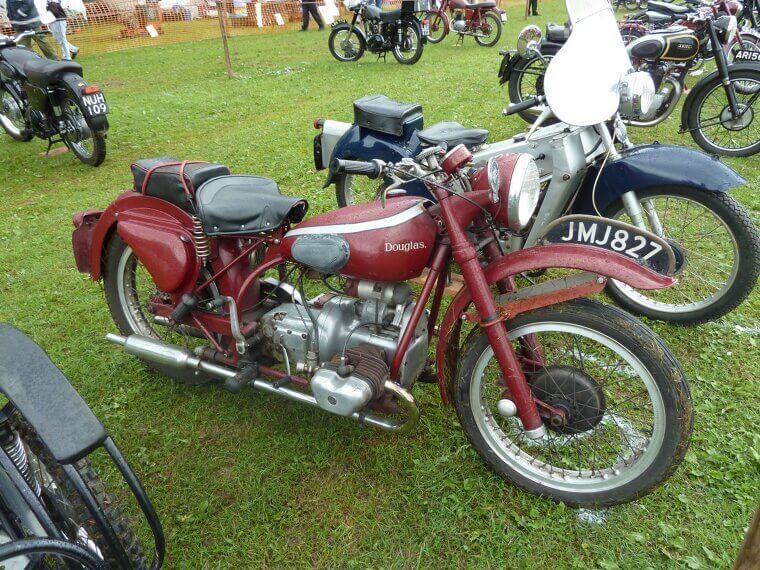
Douglas bikes occupy a sweet spot in the collector market — unusual enough to attract serious interest, but not yet priced out of reach. Good running examples trade in the $6,000–$15,000 range.
The Nimbus and Its Unusual Danish Design
Here's something most motorcycle enthusiasts don't know: Denmark had a thriving domestic motorcycle industry for decades, and its flagship was the Nimbus. Built by the Fisker & Nielsen company — better known for making Nilfisk vacuum cleaners — the Nimbus used an inline-four engine with shaft drive and a pressed-steel frame, and it was produced nearly unchanged from 1934 to 1960. The Danish military rode them. The Copenhagen police rode them. Today, a passionate Danish collector community keeps every surviving example meticulously maintained.
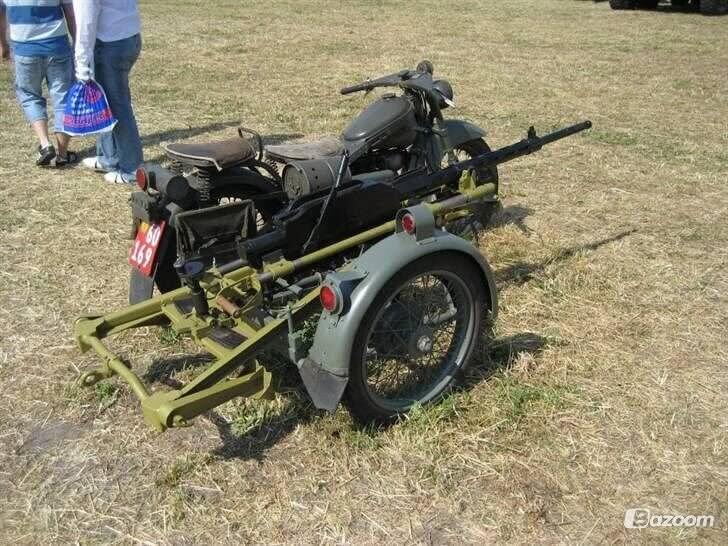
Nimbus values have risen sharply as international collectors discovered them. What sold for pocket change in Copenhagen in the 1990s now fetches $10,000–$20,000, with exceptional examples going higher.
Zundapp Motorcycles From Postwar Germany
Zündapp survived two world wars, built motorcycles for the Wehrmacht, and then pivoted to civilian production with machines that defined postwar German mobility. The KS601 — nicknamed the 'Green Elephant' — was a 600cc flat-twin that was one of the fastest German motorcycles of the early 1950s. Later, Zündapp shifted to smaller bikes and mopeds before finally closing in 1984. The full arc of their history means collectors can find Zündapps at wildly different price points, from affordable mopeds to serious four-figure investments.
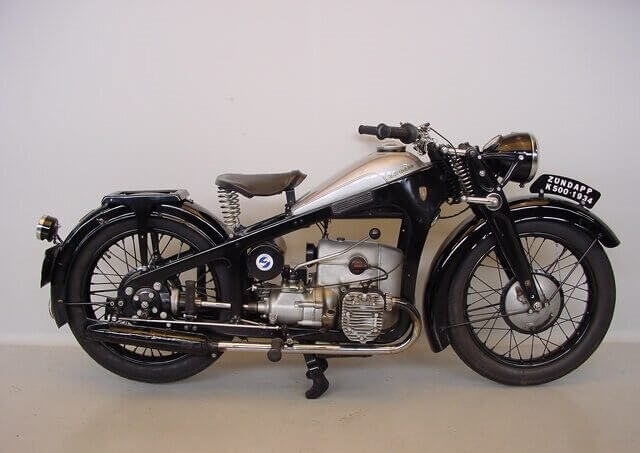
The KS601 is the crown jewel of Zündapp collecting. Restored examples command $12,000–$22,000, while the military models carry a separate collector premium that pushes prices even higher.
The NSU Quickly That Defined an Era
The NSU Quickly defined an era — literally. In the mid-1950s, it became the best-selling motorized two-wheeler in the world, putting postwar Germany back on the road with a simple, reliable, 50cc step-through that almost anyone could afford and maintain. NSU built over a million of them before pivoting to cars and eventually becoming part of Audi. The Quickly's ubiquity made it invisible for decades. Now that generation is gone, and the survivors have become nostalgic touchstones worth real collector attention.
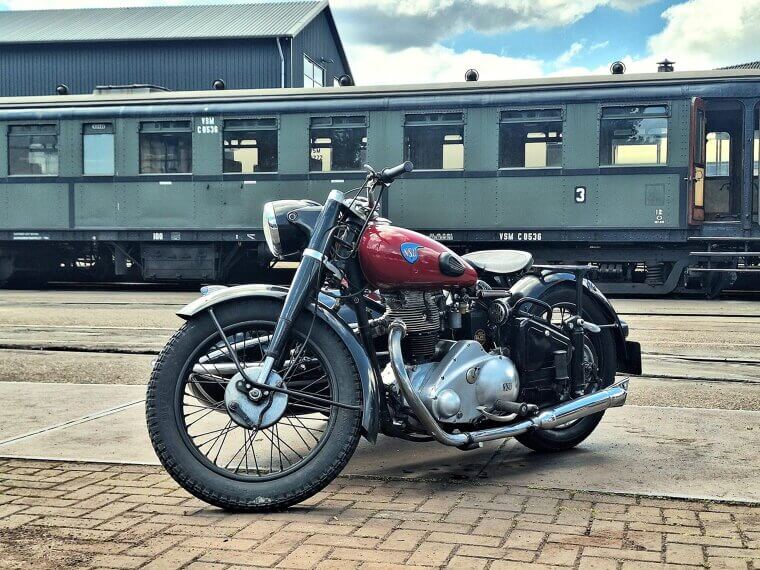
A clean, original NSU Quickly in working condition sells for $1,500–$4,000 — still accessible, but rising. It's one of the last truly affordable entry points into vintage European collecting.
DKW Bikes That Rewrote Two-Stroke History
DKW didn't just participate in two-stroke history — they wrote most of it. The German firm pioneered loop-scavenging technology in the 1930s that became the foundation for virtually every two-stroke engine that followed, including those used by MZ, Yamaha, and Suzuki. Their prewar racing machines were factory-supercharged and genuinely terrifying. After the war, the company split along the Iron Curtain — West Germany got the DKW name, East Germany got the factory, which became MZ. Both halves produced legendary machines.
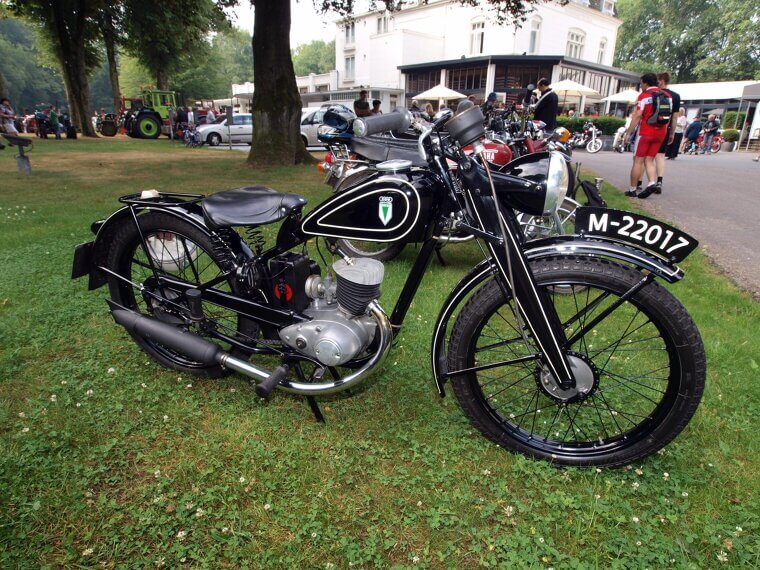
Prewar DKW racers are museum-grade rarities. Postwar RT-series road bikes are more attainable at $4,000–$10,000, but the racing pedigree pieces start at $50,000 and climb from there.
The Maico Motocross Bikes Collectors Chase
Maico built motocross bikes that dominated European competition through the 1960s and 1970s, and then imploded spectacularly. The German company's 400cc and 490cc two-strokes were genuinely fearsome — powerful, lightweight, and brutal in the hands of a skilled rider. Several world championships later, financial mismanagement caught up with Maico and the company collapsed in 1983. The bikes left behind became cult objects almost immediately. Riders who grew up racing them never stopped wanting one, and that nostalgia has hardened into serious collector demand.
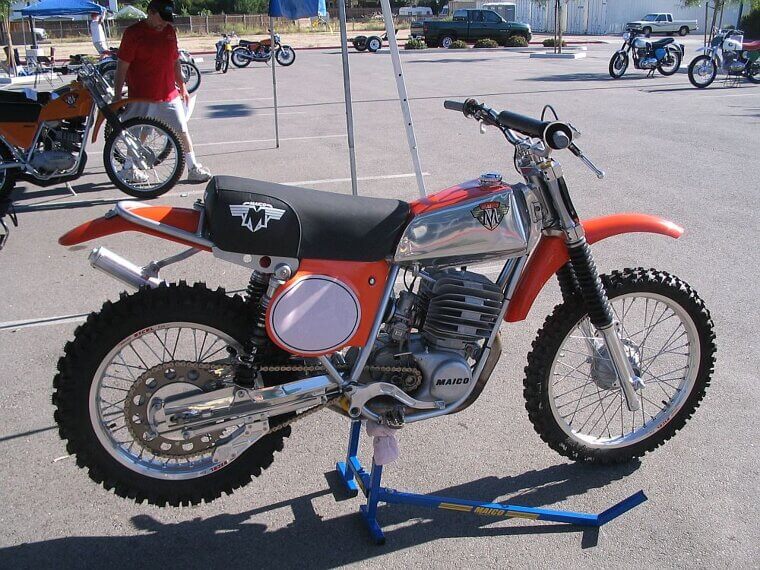
A restored late-1970s Maico 490 now brings $8,000–$15,000 from the right buyer. Championship-provenance machines or factory team bikes can push well past $20,000 at specialized auctions.
Husqvarna Dirt Bikes From the Golden Age
Husqvarna's golden age wasn't in chainsaws — it was in the dirt. Through the 1960s and 1970s, the Swedish company's motocross bikes were the machines that American riders dreamed about, imported in small numbers and raced with ferocious success. Torsten Hallman won multiple world championships on Husqvarnas. Steve McQueen rode one in the 1964 ISDT. That combination of racing credibility and Hollywood cool created a mythology that has only strengthened with time. The bikes themselves were beautifully engineered, light, and fast — still impressive by modern standards.
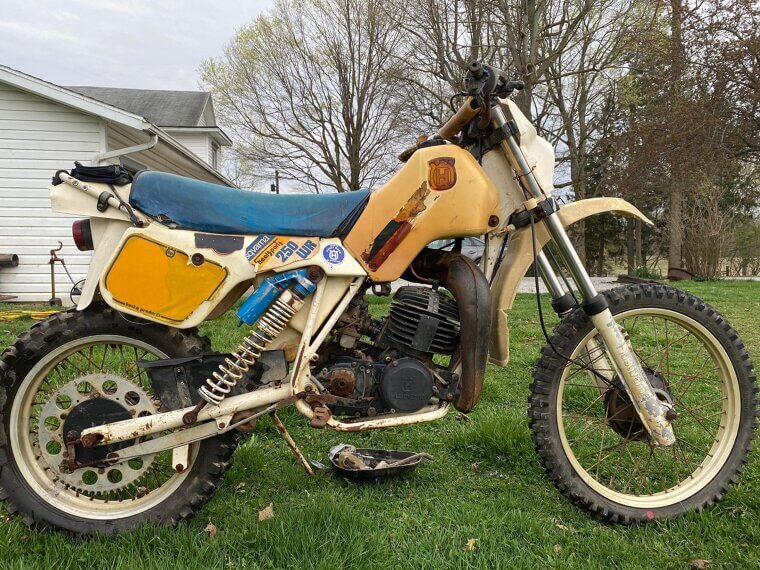
A matching-numbers 1960s Husqvarna motocross bike with documented history can reach $15,000–$25,000. McQueen connection or championship provenance? Double it, minimum.
The CZ Motocross Bikes Worth Real Money Today
CZ motorcycles came from Czechoslovakia, which meant Western collectors largely ignored them during the Cold War. That was a mistake. CZ's motocross bikes — particularly the 250 and 360cc models from the mid-1960s — were world-class machines that won championships and earned respect from riders who actually raced them. Joel Robert won six motocross world championships on CZ machinery. The political barrier that kept them obscure in the West is now the same thing that makes them interesting: they're genuinely different, genuinely capable, and genuinely undervalued.
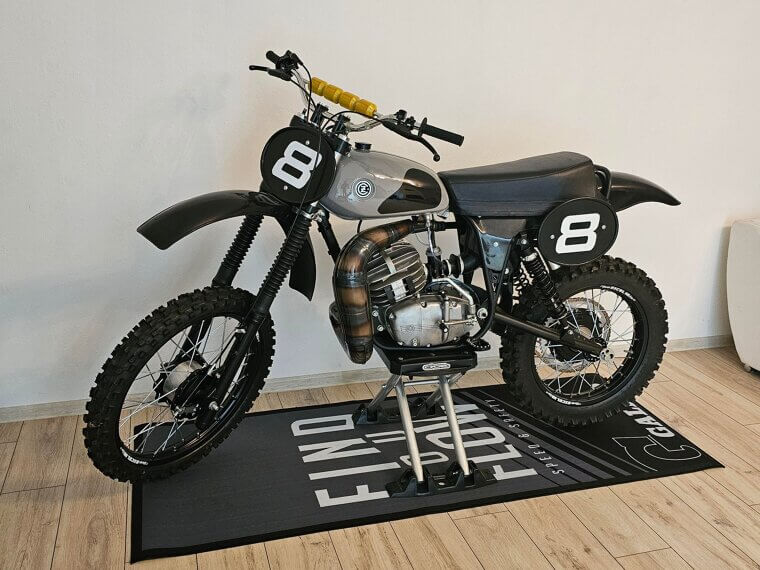
CZ motocross bikes remain one of the better values in vintage off-road collecting. Championship-era machines run $5,000–$12,000 — serious money, but still modest compared to equivalent Western European competition.
Jawa Motorcycles and Their Eastern European Charm
Jawa motorcycles were the people's bike of Eastern Europe for decades — practical, durable, and everywhere behind the Iron Curtain. Built in Czechoslovakia from 1929 onward, they survived Nazi occupation, communist nationalization, and the transition to a market economy. The prewar models are elegant art deco machines; the postwar two-strokes are utilitarian classics; the speedway Jawas are purpose-built racing machines that still dominate their sport. That range gives collectors multiple entry points into a marque with genuine historical depth.
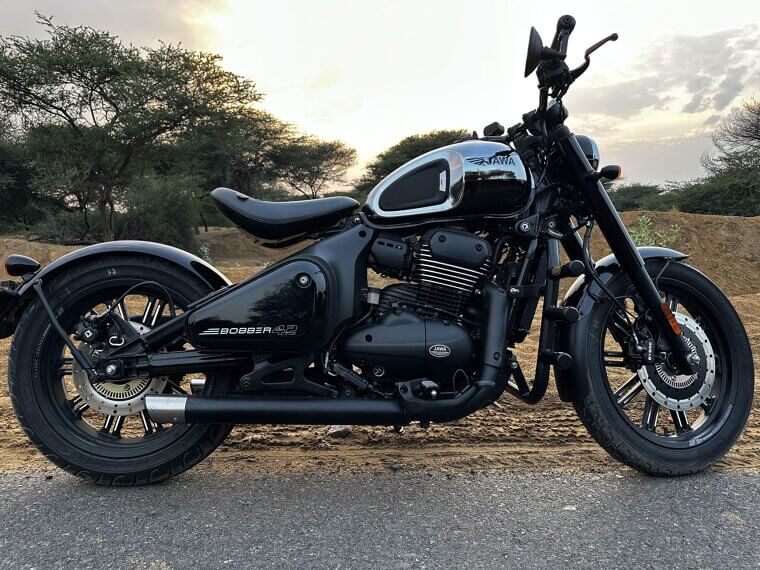
Prewar Jawa models with original documentation attract serious European collector interest at $8,000–$18,000. The speedway bikes are a category unto themselves — still actively raced at the highest levels of the sport, which makes them the rare collectible you can actually compete on rather than just admire from a distance.
The Ossa Pioneer That Shocked the Market
The Ossa Pioneer shocked the market — not with its price, but with its performance. The Spanish company built trials and motocross bikes through the 1960s and 1970s that routinely embarrassed larger, better-funded manufacturers. The Pioneer trials bike was a masterclass in minimalism: light, flickable, and devastatingly effective in the hands of a skilled rider. Ossa collapsed in 1982, a victim of Spain's economic turbulence. The bikes that survived entered a collector market that took years to recognize their quality — and is now catching up fast.
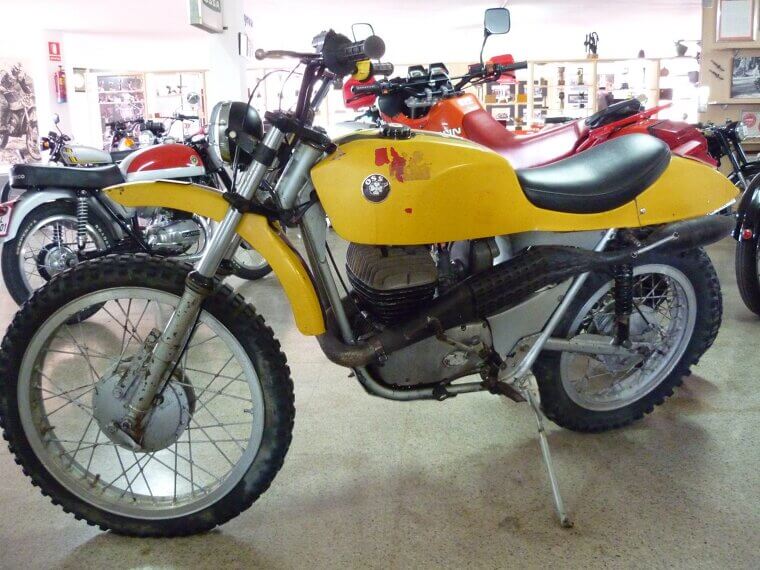
Ossa trials bikes are still findable in the $4,000–$9,000 range, making them one of the more accessible Spanish vintage machines. Motocross variants with competition history command a meaningful premium.
Puch Motorcycles That Outlasted Their Makers
Puch motorcycles outlasted their makers in the most literal sense — the Austrian company sold its motorcycle division in 1987, but Puch-branded mopeds kept rolling off production lines under new ownership for years afterward. The real collector interest sits in the earlier machines: the elegant prewar motorcycles, the postwar split-single two-strokes, and the iconic Maxi moped that became a global phenomenon. Puch's split-single engine — two pistons sharing one combustion chamber — was a genuine engineering oddity that delivered surprising efficiency.
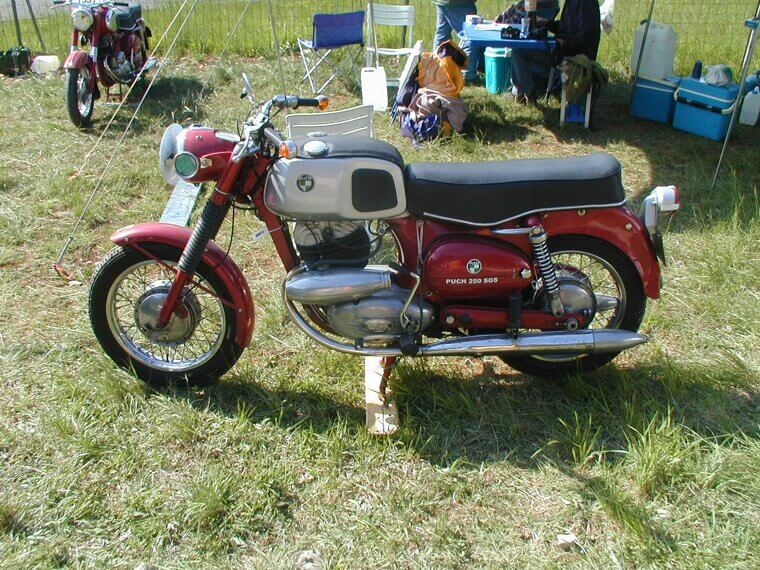
Puch split-single motorcycles from the 1950s and 1960s are underappreciated collector pieces at $3,000–$8,000. The Maxi moped has its own devoted restoration community that keeps parts flowing.
The Laverda Jota and Its Raw Italian Power
Raw. That's the word every journalist reached for when describing the Laverda Jota. The triple-cylinder Italian machine arrived in 1976 making 90 horsepower in an era when that number meant something dangerous. Its 180-degree crankshaft firing order created a sound described as mechanical thunder — loud, uneven, and deeply antisocial. British importer Roger Slater had the UK-spec bikes tuned even further, creating a machine that terrified inexperienced riders and thrilled everyone else. The Jota wasn't refined. It wasn't meant to be.
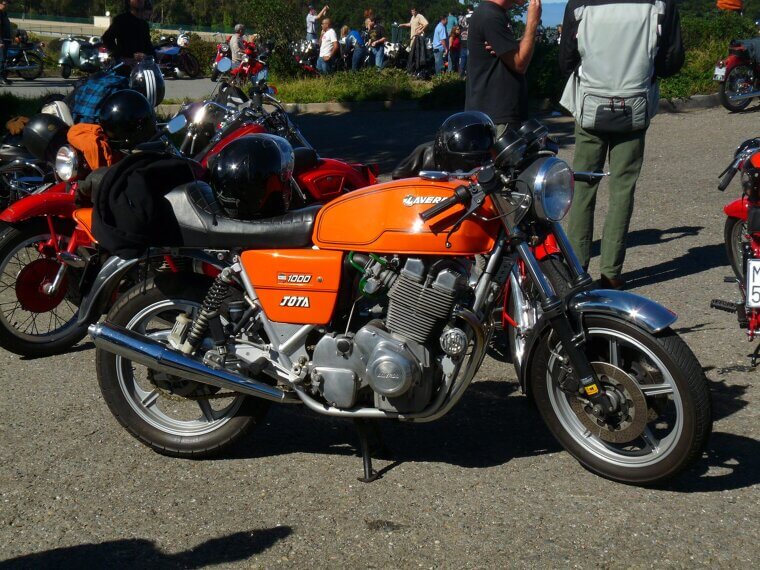
A genuine Jota in documented, original condition now sells for $25,000–$45,000. The UK-specification bikes command a premium over Italian-market versions, and buyers are increasingly particular about matching numbers.
Moto Morini Bikes That Flew Under the Radar
Moto Morini flew under the radar for most of its existence — a small Bologna manufacturer building elegant, high-quality motorcycles that never quite achieved the fame of Ducati or MV Agusta despite deserving it. The 3½ Sport, introduced in 1973 with a 344cc V-twin, was a revelation: light, handling brilliantly, and powered by an engine that revved freely and rewarded smooth riding. Tarquinio Provini nearly won the 250cc world championship on a Morini single in 1963. The brand's modesty kept prices low for years. Not anymore.
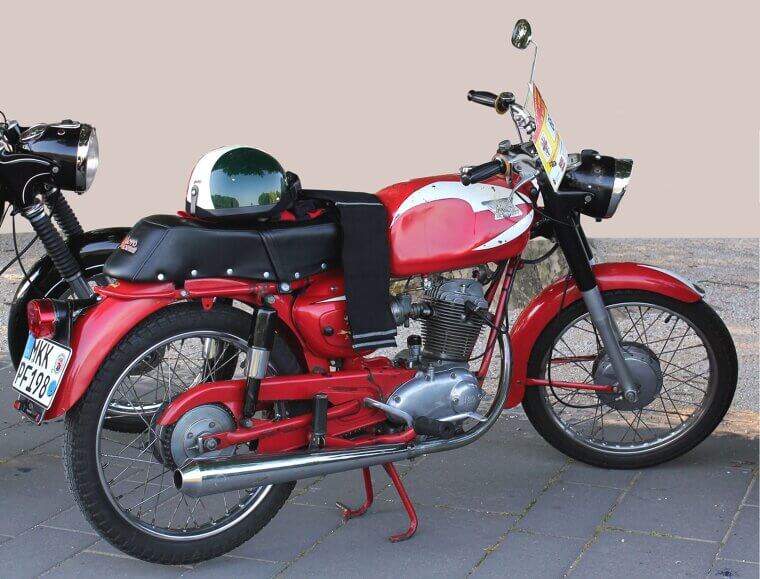
The 3½ Sport has quietly appreciated to $8,000–$15,000 for clean examples. Earlier racing singles with documented history attract a more specialized audience willing to pay significantly more.
The Gilera Four That Inspired Generations
Gilera's inline-four Grand Prix racer from the late 1940s and 1950s didn't just win races — it became the template that every subsequent four-cylinder motorcycle followed. Piero Remor designed the 500cc four with double overhead camshafts and a transverse layout, and it dominated Grand Prix racing until Gilera withdrew from competition in 1957. MV Agusta immediately hired Remor and built nearly identical machines. Honda studied the layout when developing their 1960s racers. The Gilera four is the ancestor of every modern sportbike engine.
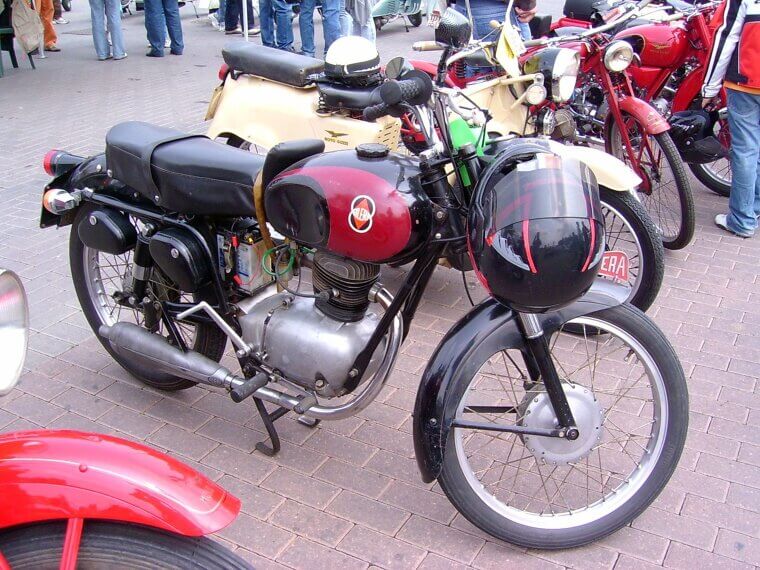
Factory Gilera four-cylinder racers are museum pieces that rarely surface publicly. When they do, expect seven-figure conversations. Road-going Gilera models from the same era are far more accessible at $10,000–$25,000.
Aermacchi Bikes That Harley-Davidson Forgot
Here's the part Harley-Davidson doesn't advertise: from 1960 to 1978, they sold Italian-made motorcycles wearing Milwaukee badges. Harley had acquired Aermacchi's motorcycle division and used the Varese factory to produce small-displacement two-strokes and four-strokes that were sold as Harley-Davidsons in America. The arrangement was awkward — Harley's dealers didn't love them, and buyers were confused. But the bikes themselves, particularly the Sprint and the racing derivatives, were genuinely good. Walter Villa won four world championships on Aermacchi-based machines.
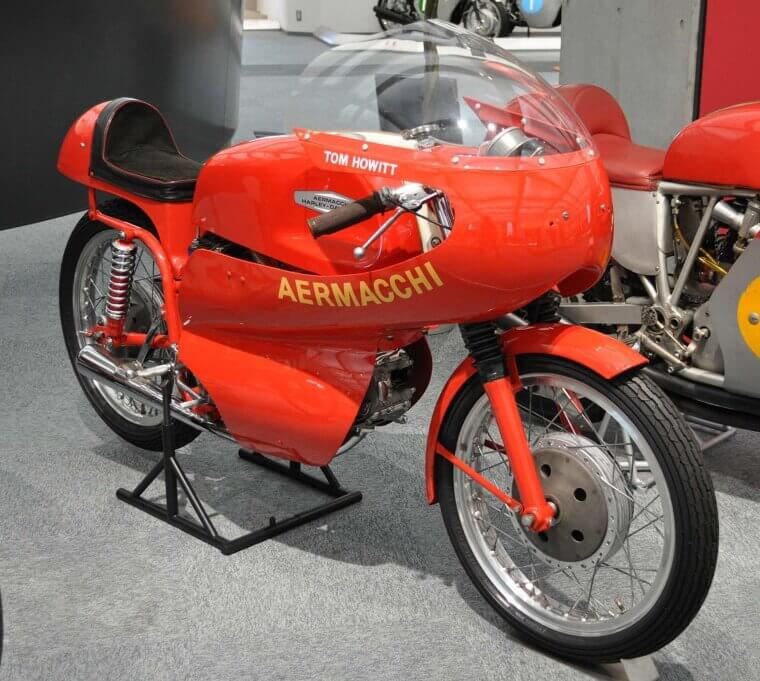
Aermacchi-era Harleys are undervalued precisely because of the identity confusion. A Sprint in good condition sells for $3,000–$7,000 — remarkable value for a championship-connected machine with genuine racing heritage.
The Münch Mammut and Its Massive Engine
Friedel Münch looked at a car engine and decided it belonged in a motorcycle. In 1966, he pulled a 1,000cc NSU Prinz four-cylinder from a scrapped automobile, built a custom frame around it, and created the Münch Mammut — a motorcycle so large and powerful that it made everything else on the road look like a toy. It weighed nearly 300kg. It topped 200 mph. It cost more than most cars. Only about 500 were ever built across various versions, each one essentially handmade. Friedel Münch was, by any measure, completely serious.
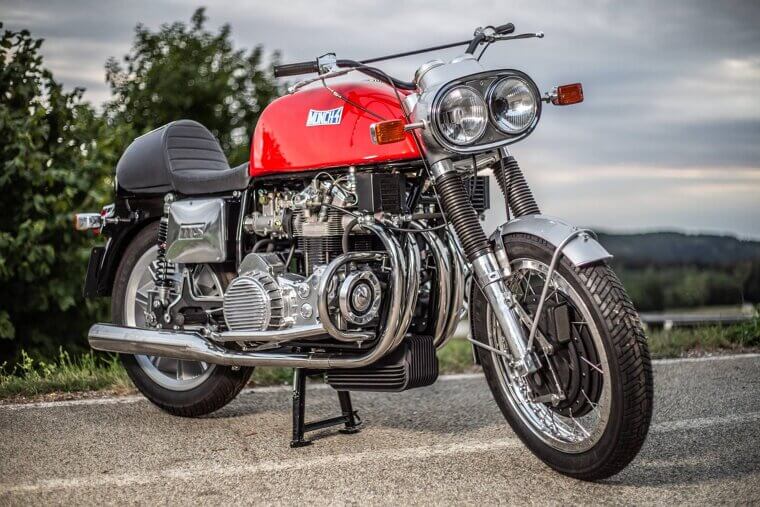
The Mammut is one of the great what-if machines of motorcycle history. Survivors in good condition sell for $60,000–$120,000, with documented early examples pushing higher. Every one is a conversation piece.
Bridgestone Motorcycles Before the Tire Era
Before Bridgestone became synonymous with tires, they built motorcycles — genuinely excellent ones. The Japanese company produced two-stroke road bikes and a rotary-valve engine design in the 1960s that was technically sophisticated enough to attract serious attention from engineers at competing firms. Their 350GTR was fast, handled well, and featured build quality that rivaled Honda. Then in 1971, Bridgestone's American tire distributors pressured the company to exit motorcycles to avoid competing with their own customers. The bikes stopped. The tires didn't.
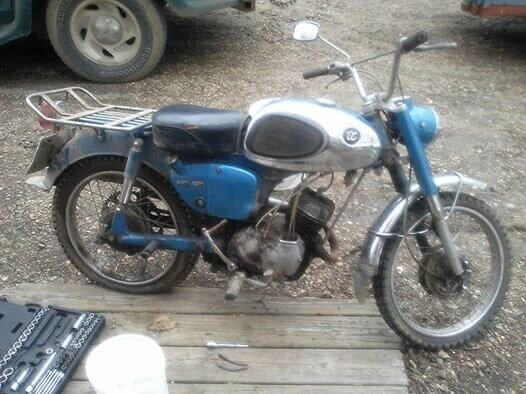
Bridgestone motorcycles are a genuine sleeper in the Japanese vintage market. The 350GTR in good condition brings $4,000–$8,000 — still modest, but appreciation has accelerated sharply as the story becomes better known.
The Tohatsu That Japan Quietly Abandoned
Tohatsu was once Japan's largest motorcycle manufacturer — a fact that surprises virtually everyone who hears it. In the mid-1950s, Tohatsu outsold Honda, Yamaha, and Suzuki combined. Then the market shifted, the company overextended, and by 1960 the motorcycle division was finished. Tohatsu pivoted to outboard motors, which they still build today. The motorcycles they left behind are genuine historical artifacts from Japanese industry's most turbulent decade — machines that existed at the exact moment modern Japan was being invented.
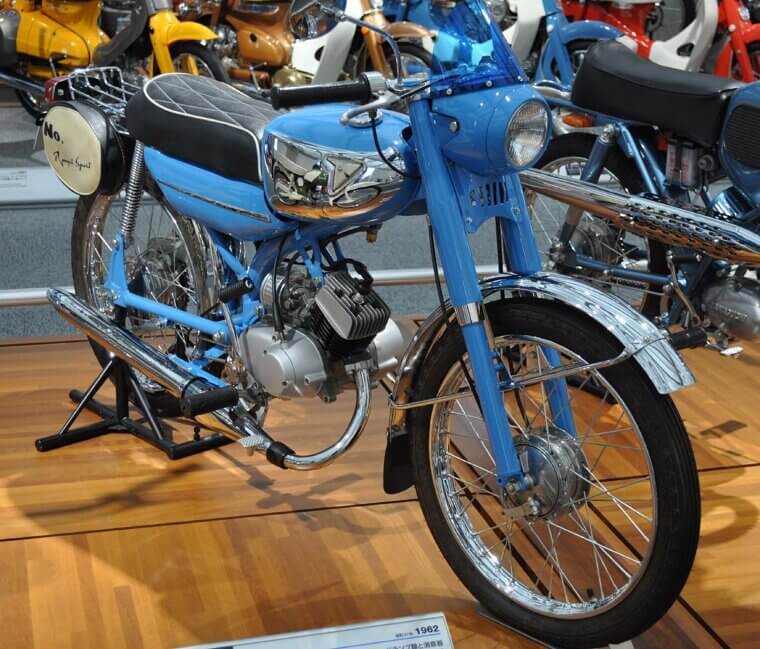
Tohatsu motorcycles are exceptionally rare outside Japan and barely known in Western collector circles. That obscurity is changing as Japanese vintage collecting grows globally — prices are moving accordingly.
Hodaka Dirt Bikes and Their Cult Following
Hodaka was an American idea built with Japanese parts. The Oregon-based Pacific Basin Trading Company partnered with Hodaka Industrial to build affordable, lightweight dirt bikes for the American market — and accidentally created a cult. The Road Toad, the Wombat, the Combat Wombat: the names alone tell you these weren't corporate machines. They were scrappy, fun, and cheap enough that teenagers could actually buy them. When Hodaka folded in 1978, those teenagers grew up and started paying serious money to own the bikes of their youth.
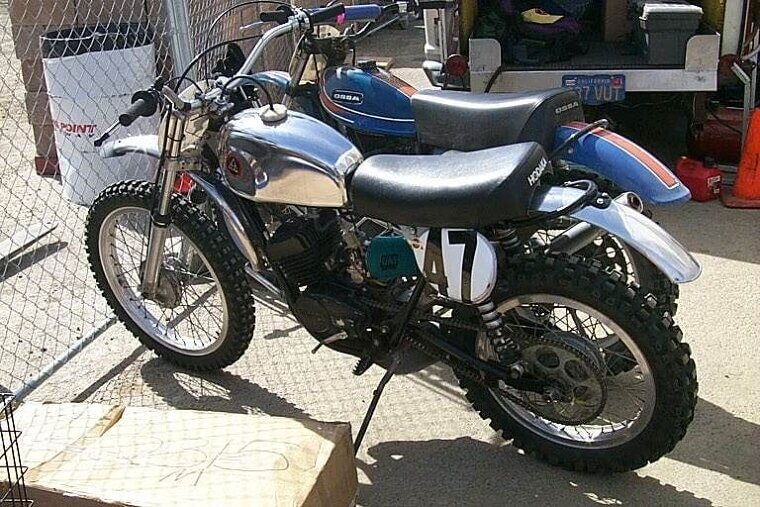
Hodaka cult status is real and growing. A restored Combat Wombat or Super Rat in good condition brings $3,000–$6,000 from the right buyer — and the right buyer is extremely motivated.
The Rickman Metisse and Its Handbuilt Frame
The Rickman brothers — Don and Derek — were motorcycle racers who got tired of their production frames flexing under hard cornering. So they built their own. The Metisse frame was a nickel-plated chrome-moly steel masterpiece that accepted almost any engine you cared to drop in: Triumph, BSA, Matchless, even Honda. The result was a motorcycle that handled better than anything the factories were producing. Privateer racers loved them. The name 'Metisse' — French for 'mongrel' — was perfectly chosen.
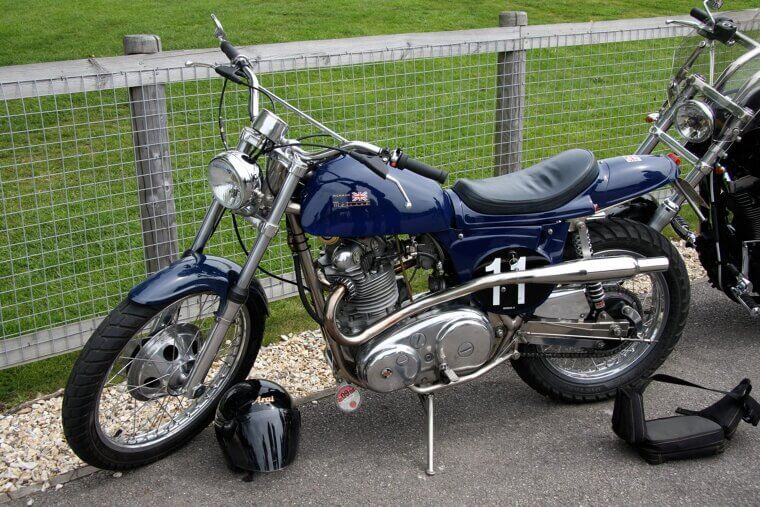
Rickman Metisse values depend heavily on the engine fitted and the bike's competition history. Triumph-powered examples in race trim sell for $12,000–$22,000. Factory-documented racers with results attract a significant premium.
The Wooler Flying Banana and Its Strange Legacy
The Wooler Flying Banana sounds like a joke. It was not. John Wooler spent decades designing and redesigning a motorcycle so unconventional that the engineering press genuinely didn't know what to make of it. The 1954 version used a horizontally opposed four-cylinder engine, plunger suspension at both ends, and a fuel tank shaped so distinctively that the nickname was inevitable. Wooler built perhaps four complete prototypes across his entire career. He died in 1954, and the machines he left behind are among the most peculiar artifacts in British motorcycle history.
Surviving Wooler prototypes are effectively priceless — they exist in museum collections and are not for sale at any normal price. They represent one man's lifelong obsession with a better motorcycle.
The Militaire That Tried to Replace the Car
The Militaire genuinely tried to replace the automobile. Built in Cleveland between 1911 and 1917, it featured a car-style steering wheel instead of handlebars, an enclosed body, side doors, and even a spare tire. It rode on three or four wheels depending on the configuration. The company marketed it as safer and more practical than a motorcycle, more affordable than a car. Neither market wanted it. Production was tiny, the company struggled constantly, and the whole enterprise collapsed before it could find its audience.
A surviving Militaire is one of the strangest objects in American automotive history. Complete examples have sold for $80,000–$150,000 at specialized auctions — extraordinary for a machine almost no one has heard of.
The Cyclone V-Twin That Outran Everything
The Cyclone V-twin outran everything in 1915 — and we mean everything. The Minnesota-built racer used a bevel-gear overhead cam system on a 61-cubic-inch V-twin that produced enough power to set board track records that stood for years. Factory rider Don Johns averaged over 100 mph for a full hour on a Cyclone, a number that was genuinely shocking in 1915. The company folded almost immediately after, leaving behind perhaps 20 surviving machines. Those machines are now worth extraordinary sums — the ultimate reward for a motorcycle that was simply too fast for its own era.
A verified Cyclone board tracker sold for over $770,000 at Bonhams auction. It is, per dollar, possibly the most expensive American motorcycle ever sold — a fitting end for a bike that outran everything it faced.