
Every congregation had one: the parking lot that doubled as a time capsule. Chrome bumpers, vinyl roofs, and enough steel to build a small bridge. These were the cars that showed up every Sunday without fail — polished, proud, and parked by people who took both their faith and their automobiles seriously.
The Stately Buick LeSabre on Sunday
Picture this: a wide, cream-colored land yacht easing into the third spot from the door, engine ticking as it cools. The Buick LeSabre was the Sunday car for millions of American families from the 1960s through the 1980s. Big enough to fit the whole family in their best clothes without wrinkling anything, smooth enough to feel like a reward for getting up early. It wasn't flashy — it was solid. Dependable. Exactly like the people who drove it.
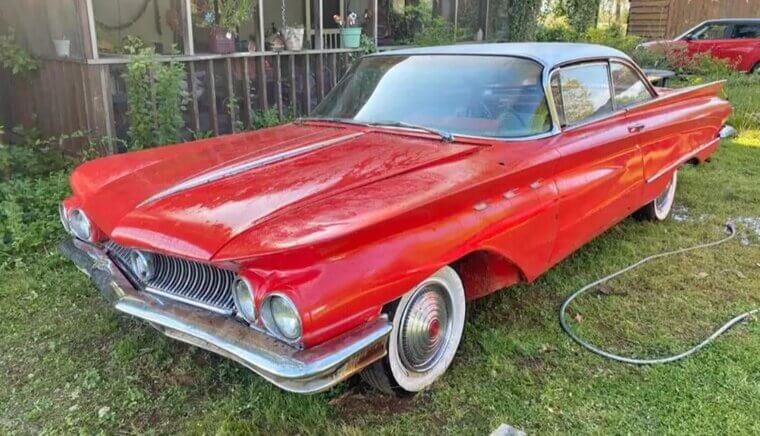
LeSabres from the early 1970s regularly sold for under $4,000 new. Today a clean, low-mileage example can surprise you at auction — collectors have quietly been snatching them up for years.
The Classic Oldsmobile 98 in Its Glory
The Oldsmobile 98 didn't just park — it arrived. Long hood, formal roofline, and enough chrome to blind a choir boy in direct sunlight. Through the 1960s and 70s, the 98 sat at the very top of the Oldsmobile lineup, just a half-step below a Cadillac in price but every bit as imposing on a Sunday morning. Deacons drove these. Choir directors drove these. Anyone who wanted the congregation to know they'd made something of themselves drove these.
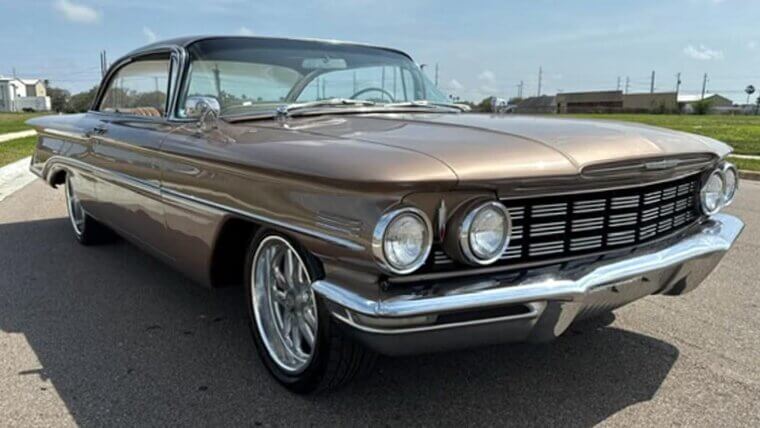
The 1970 Oldsmobile 98 started at around $4,800 — serious money then. Fully restored examples today fetch anywhere from $15,000 to $30,000 depending on trim and condition.
The Beloved Lincoln Continental at Church
Would you pay six figures for a car named after a president? Some people already have. The Lincoln Continental — especially the 1961–1969 suicide-door generation — has become one of the most coveted American classics on the market. But long before the auction houses got involved, these cars were simply the nicest thing in the parking lot. Understated in a way that only truly expensive things can be. No fins, no excess — just long, low, and absolutely authoritative.
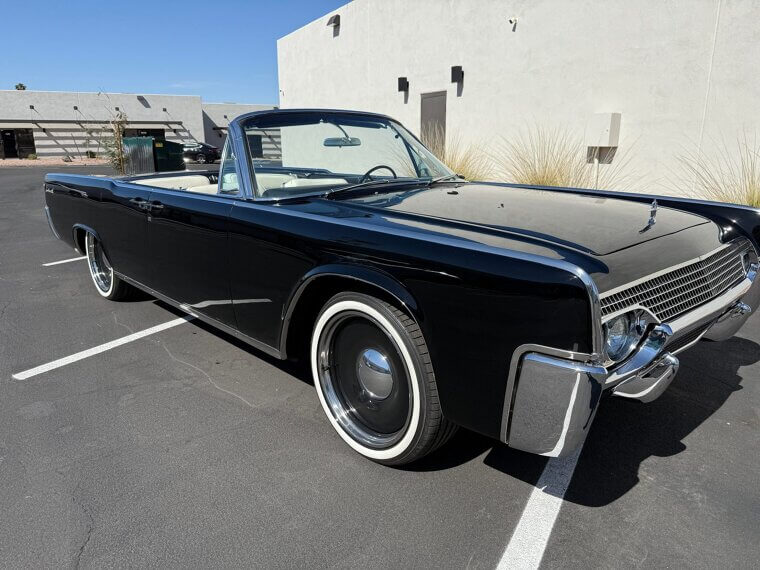
A pristine 1966 Lincoln Continental convertible recently crossed the block at over $90,000. The same car sat in church lots across America for decades before anyone realized what they had.
The Dependable Chevrolet Caprice Classic
The Caprice Classic was GM's answer to a simple question: what does a family that wants a little more buy? More room, more chrome, more everything — without crossing into Cadillac territory. From the late 1960s through the early 1990s, the Caprice Classic was a fixture in suburban church lots everywhere. It aged slowly and gracefully, the automotive equivalent of a well-worn hymnal. When the last full-size Caprice rolled off the line in 1996, a generation genuinely mourned.
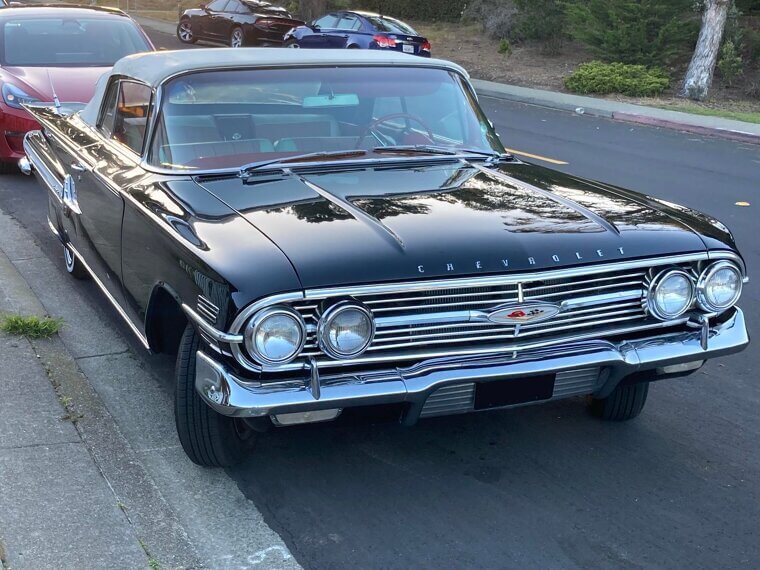
The boxy 1991–1996 Caprice Classic is now a sleeper collectible. Box Chevy fans have driven prices on clean examples well past $20,000 — a number that would stun the original buyers.
The Dignified Cadillac DeVille Every Sunday
The Cadillac DeVille was the car you aspired to. It sat at the front of the lot like it owned the property — because, in a way, it did. From the tailfins of the late 1950s to the soft, pillowy coupes of the 1970s, the DeVille represented American luxury at its most unapologetic. Driving one to church wasn't showing off. It was, for many owners, a genuine expression of gratitude — a tangible sign that things had gone well enough to afford the best Detroit had to offer.
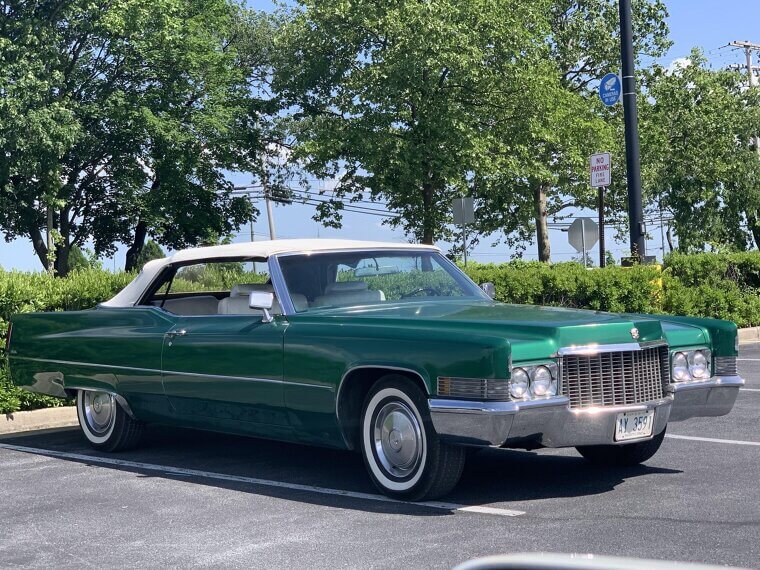
A 1959 Cadillac DeVille with those iconic tailfins? Budget at least $60,000–$80,000 for a driver-quality example. Concours restorations regularly exceed $120,000 at major auctions.
The Trusty Ford LTD Country Squire Wagon
The Ford LTD Country Squire was unmistakable — mostly because of the fake wood. That vinyl paneling wasn't real walnut, and everyone knew it, and nobody cared. It held eight people, a casserole dish, and three Bibles without complaint. The Country Squire was the church wagon of the 1970s, the vehicle that made Sunday logistics possible for large families. It didn't need to be beautiful. It needed to be there every week, and it always was.
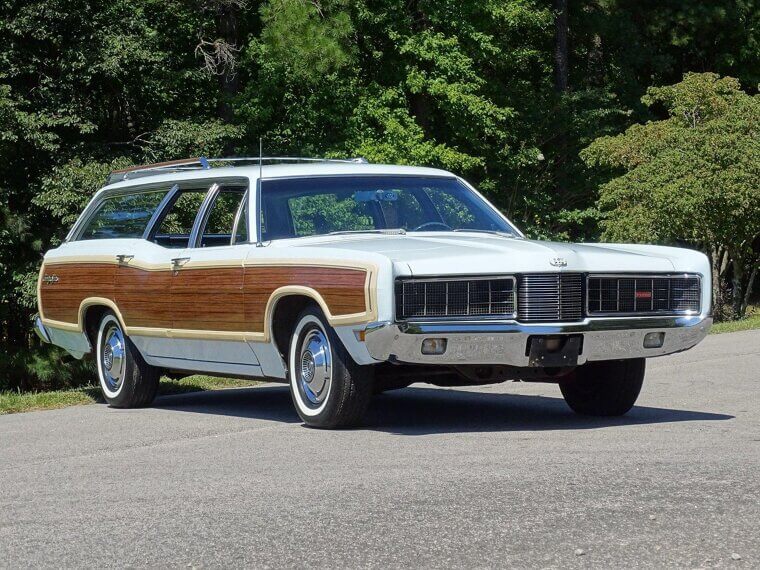
Clean, unrestored Country Squires with the wood paneling intact are genuinely hard to find now. Collectors who want the full 1970s family experience pay $12,000–$20,000 for a good one.
The Respectable Pontiac Bonneville Parked Up Front
The Pontiac Bonneville occupied an interesting middle ground — more exciting than a Chevrolet, more affordable than a Cadillac, and just respectable enough to park up front without raising eyebrows. The 1960s versions were genuinely gorgeous, with wide tracks and long hoods that hinted at performance without screaming it. By Sunday morning, washed and polished, a Bonneville in the front row sent a clear message: this family is doing fine, thank you very much.
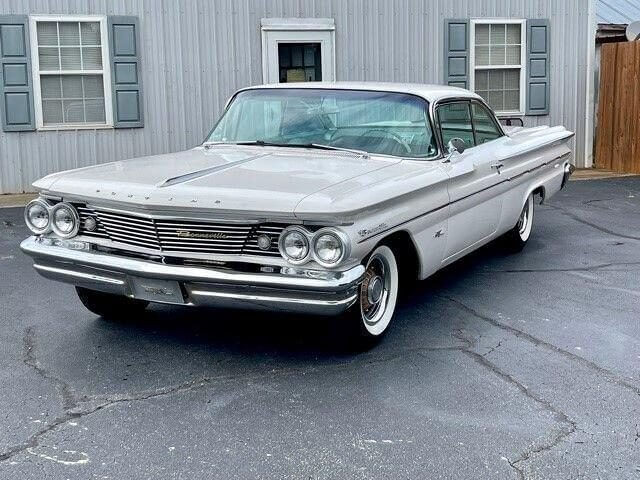
A 1969 Pontiac Bonneville convertible in excellent condition is worth $35,000–$55,000 today. The hardtop sedans are more affordable but just as handsome parked in the sun.
The Modest Plymouth Fury on Sundays
Nobody bought a Plymouth Fury to impress anyone. That was the whole point. The Fury was honest transportation — well-built, reasonably priced, and utterly without pretension. It showed up every Sunday because its owners showed up every Sunday. It didn't need to be first in line or last to leave. The Fury was the automotive equivalent of the congregation member who sets up the chairs and stays to fold them back up — not glamorous, just faithful.
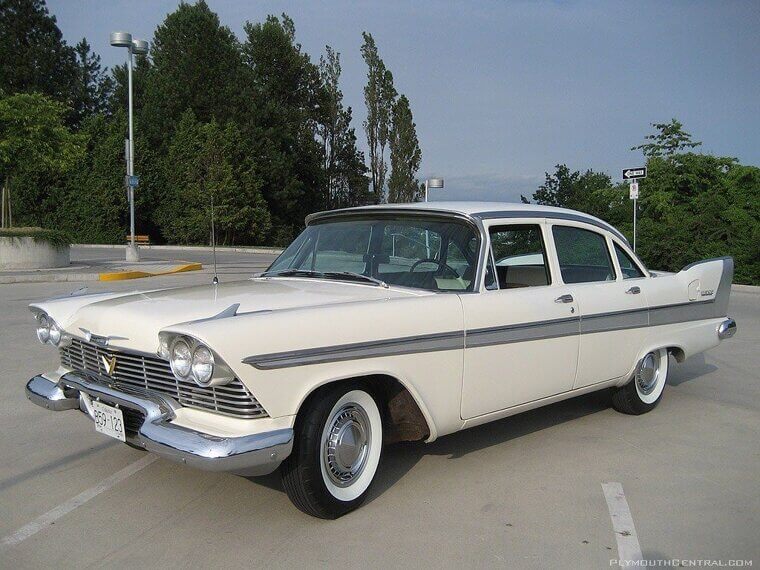
The Plymouth Fury's reputation took a hit after a certain Stephen King novel, but collectors know better. A clean 1958 Sport Fury hardtop can command $40,000–$60,000 depending on options.
The Practical Dodge Dart in Every Lot
$500 for a running Dodge Dart. That was reality in the late 1970s and early 1980s, when these things were so common you practically tripped over them. The Dart was the practical choice — small enough to park easily, cheap enough to own without stress, and powered by engines so simple a teenager could rebuild one. Church lots were full of them, usually in beige or pale yellow, usually with a small dent in the rear quarter that nobody had gotten around to fixing.
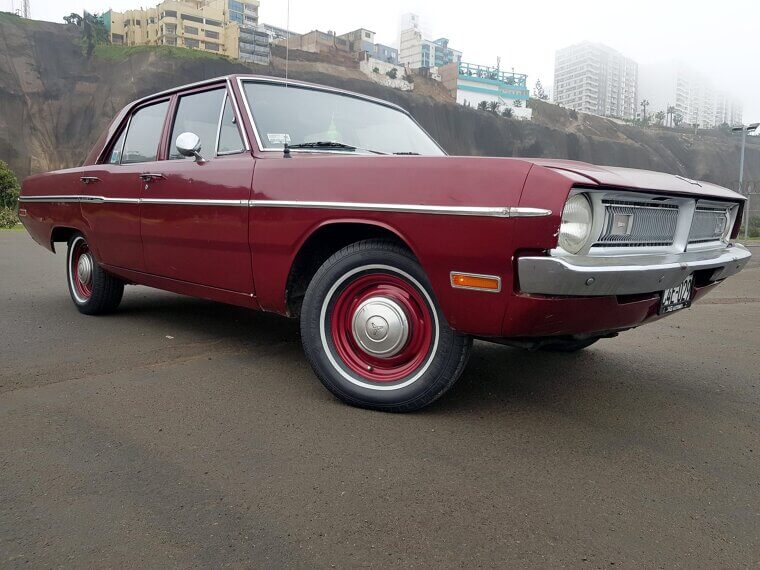
That $500 Dart is worth real money now. A restored 1968 Dodge Dart GTS with a 383 big block recently sold for over $50,000 — a fact that would genuinely shock its original owners.
The Elegant Mercury Grand Marquis Arrives
There's something about the Mercury Grand Marquis that demands a slow, deliberate entrance. It didn't pull into a parking lot — it processed into one. The Grand Marquis was Ford's answer to the Cadillac DeVille for buyers who wanted near-luxury without the near-Cadillac price tag. Through the 1980s and into the 2000s, it was one of the most common cars in church lots across the South and Midwest, driven by people who had long since stopped caring what anyone else thought of their taste.
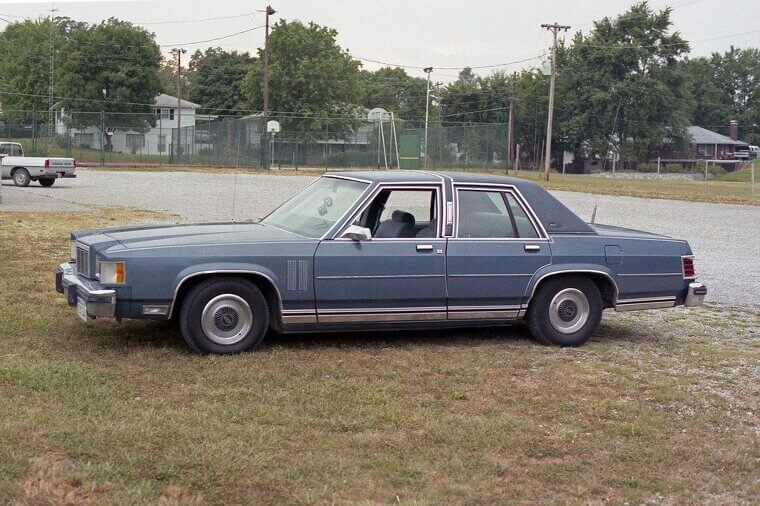
Late-model Grand Marquis values have climbed steadily as the last of the true American full-size sedans. Pristine low-mileage examples from the early 2000s now regularly exceed $15,000–$20,000.
The Sturdy AMC Rambler Showing Up Faithfully
The AMC Rambler showed up faithfully for one simple reason: it never broke down. While the big American sedans were guzzling gas and visiting mechanics, the Rambler just kept going. AMC built these cars for people who needed transportation more than they needed status, and those people rewarded the company with fierce loyalty. You'd see the same Rambler in the same spot for fifteen years — slightly more faded each summer, slightly more beloved each winter.
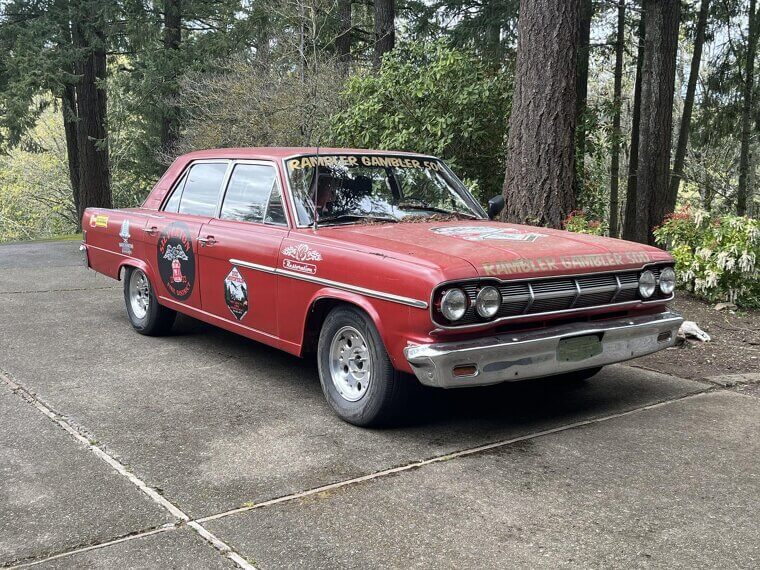
AMC Ramblers were dismissed as econoboxes for decades. Today, a clean 1965 Rambler Marlin fastback — AMC's sporty oddball — can fetch $18,000–$28,000 from collectors who appreciate the underdog story.
The Roomy Chevrolet Impala Fits the Whole Family
The Chevrolet Impala could fit a family of six in reasonable comfort, and that was before anyone squeezed into the middle of the front bench. From its spectacular 1958 debut through the massive full-size years of the 1960s and 70s, the Impala was America's best-selling car for good reason. On Sunday mornings, the lot was never short of them — different years, different colors, different levels of wax — but all of them carrying the same cargo: people dressed in their best, running slightly late.
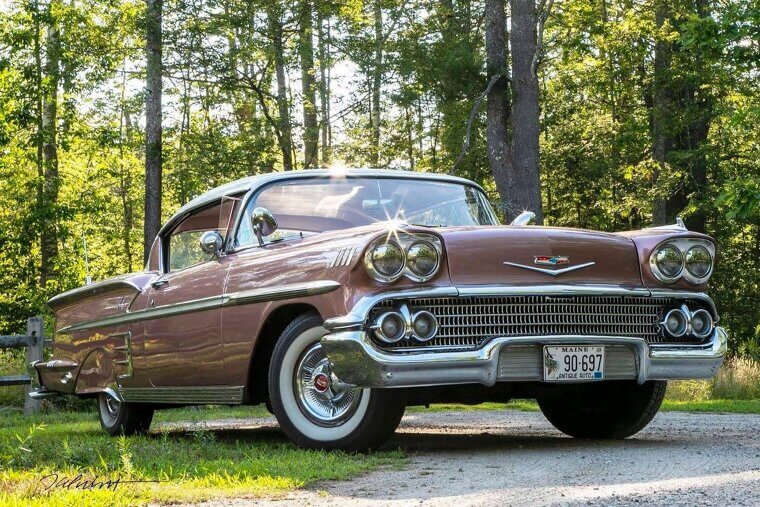
A 1967 Chevrolet Impala SS 427 in show condition can exceed $70,000 at auction. Even the standard hardtop coupe has climbed past $30,000 for clean, documented examples.
The Polished Ford Galaxie 500 Gleaming Outside
Test drivers in 1962 came back genuinely impressed — the Ford Galaxie 500 handled better than anything in its class. But by Sunday morning, nobody was thinking about handling. They were thinking about how good it looked gleaming in the morning light, that long hood catching the sun, the chrome trim doing exactly what chrome trim was designed to do. The Galaxie 500 was a car that rewarded the effort of washing it. It looked like it had been waxed even when it hadn't.
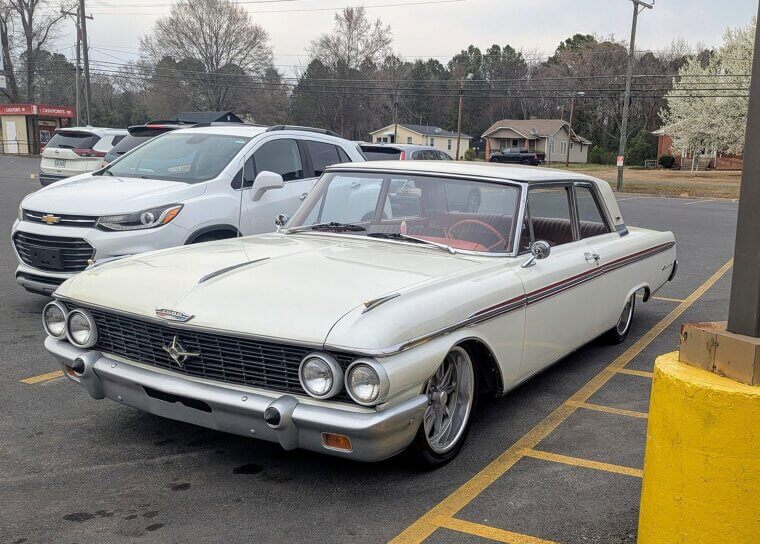
The 1964 Ford Galaxie 500 XL with the 427 High Performance engine is a legitimate muscle car collectible. Well-documented examples have crossed $65,000–$85,000 at serious collector auctions.
The Reliable Oldsmobile Cutlass Supreme Parked Neatly
Here's something the muscle car crowd doesn't always admit: the Oldsmobile Cutlass Supreme outsold every other car in America in 1976. Not just in its class — every car. It was everywhere, including every church parking lot in the country. It was handsome without being aggressive, comfortable without being sluggish, and priced just right for the middle of the American market. The Cutlass Supreme was the car that most people actually drove while everyone else was dreaming about Corvettes.
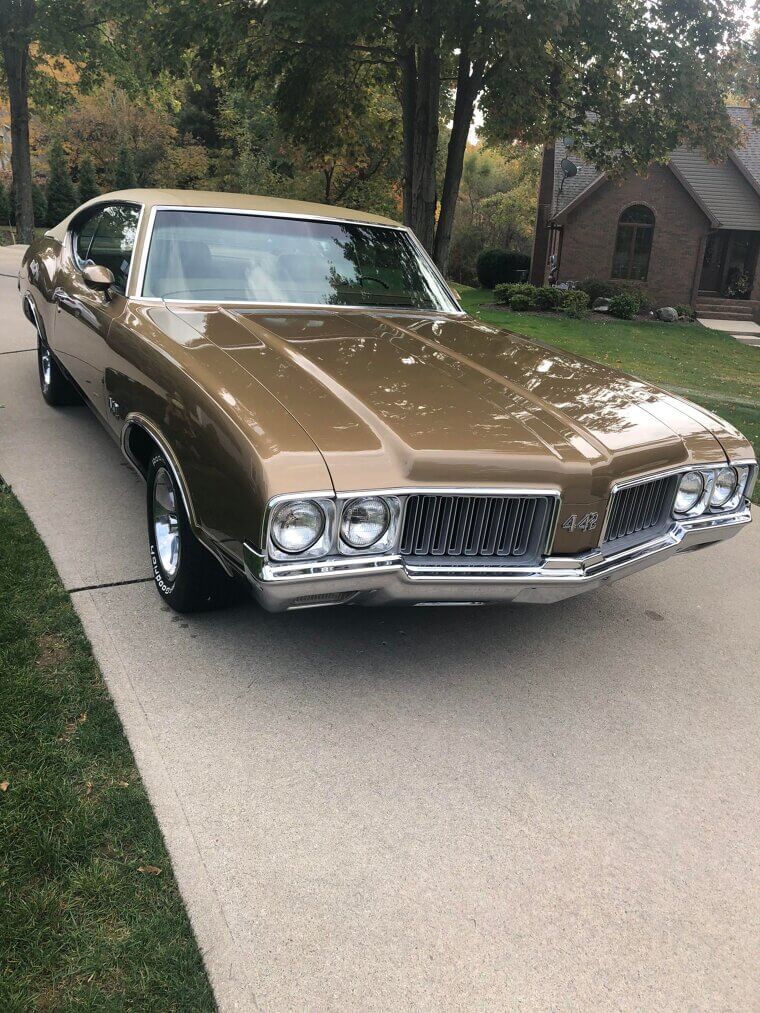
Because they were so common, Cutlass Supremes were ignored for years. Now a clean 1970 Cutlass Supreme with the W-31 package can bring $35,000–$45,000 — vindication for every owner who kept theirs.
The Proper Buick Electra in the Front Row
The Buick Electra 225 — the 'Deuce and a Quarter' — earned its nickname from its 225-inch length, and it wore those inches with absolute authority. If the LeSabre was the respectable Buick, the Electra was the aspirational one. Front row parking wasn't just convenient for Electra owners — it was appropriate. This was a car that deserved to be seen. Buick built the Electra to signal arrival, and in church lots across America, it delivered that message every single Sunday morning.
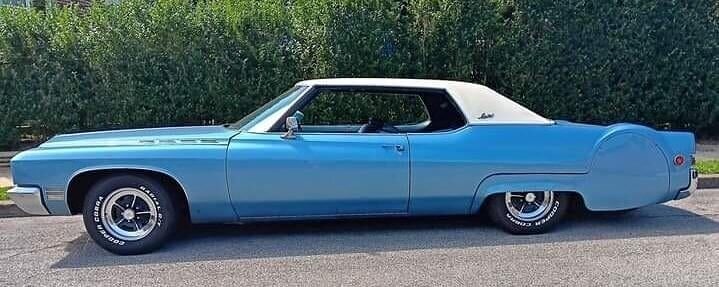
A fully loaded 1970 Buick Electra 225 convertible is a serious collector car now, with strong examples selling in the $40,000–$60,000 range. The nickname alone adds to the mystique.
The Family-Sized Pontiac Catalina Every Week
The Pontiac Catalina was the workhorse of the full-size Pontiac lineup — bigger than a Bonneville's shadow, cheaper than a Bonneville's price tag, and just as capable of hauling a family of five to church without drama. It came in sedan, hardtop, convertible, and wagon form, which meant there was a Catalina for every type of family. The station wagon version, in particular, was a church lot staple — practical, slightly battered, and always parked in the same spot.
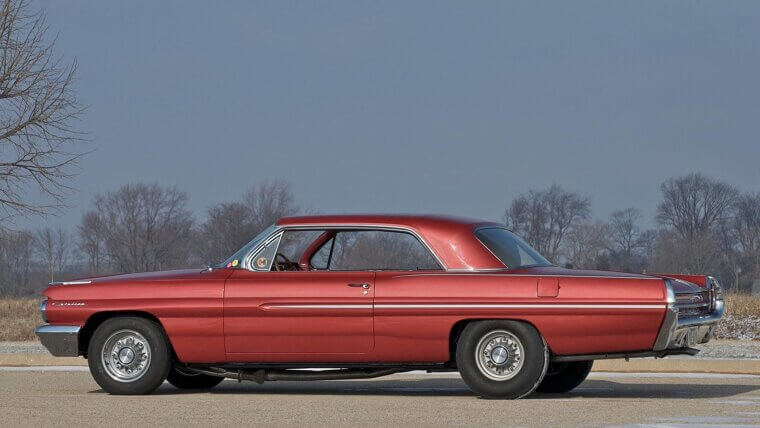
The 1962 Pontiac Catalina Super Duty — a lightweight drag racing special — is worth serious money today, with documented examples selling for $100,000 or more. The family sedan? Considerably less, but still climbing.
The Understated Dodge Monaco Sitting Quietly
You almost missed it. The Dodge Monaco sat quietly in the back half of the lot, not trying to impress anyone, not failing to impress anyone. It was just there — every week, same spot, same color, slightly dusty on the lower panels. The Monaco was Dodge's full-size entry, built for buyers who wanted room and reliability without the Chrysler premium. It did its job without complaint for decades, which is more than can be said for most things.
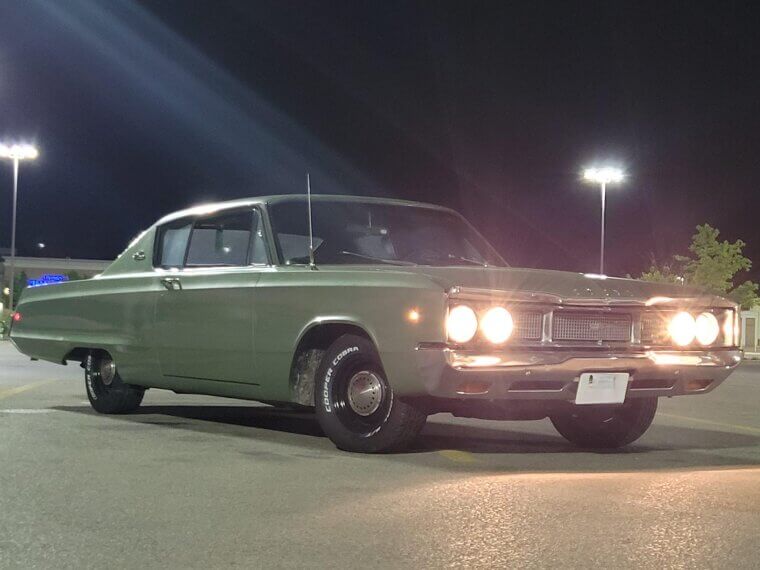
The 1969 Dodge Monaco 500 with the 440 Magnum is a different story entirely — a genuine performance machine now valued at $40,000–$55,000. The standard sedan remains an affordable and underappreciated classic.
The Timeless Chrysler New Yorker in Style
The Chrysler New Yorker was never not in style. From the late 1940s through the 1990s, it consistently represented the top of the Chrysler lineup — longer, heavier, quieter, and more expensively trimmed than anything else in the lot. Driving a New Yorker to church wasn't a statement about wealth, exactly. It was a statement about standards. These were people who bought quality once and kept it for fifteen years, which is why the same New Yorker appeared in the same spot for what felt like forever.
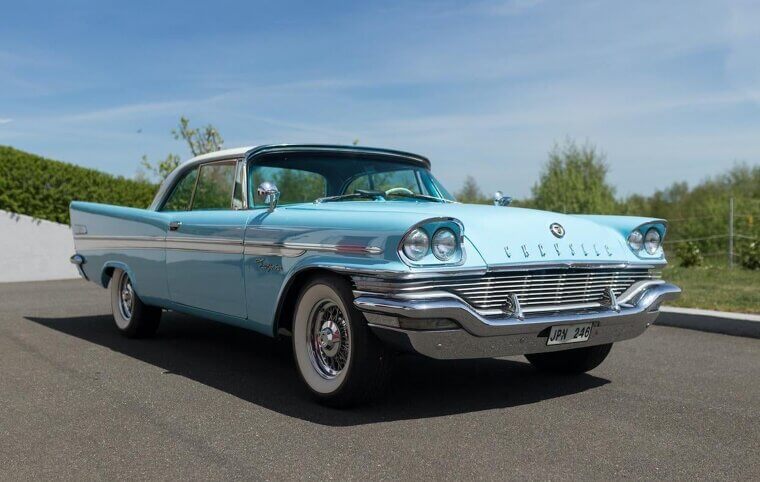
A 1957 Chrysler New Yorker with the legendary Hemi engine is a blue-chip collectible, routinely selling for $60,000–$90,000. The 1960s hardtop versions are climbing fast as collectors discover them.
The Faithful Ford Fairlane Never Missed a Sunday
Some cars just show up. The Ford Fairlane never missed a Sunday because its owners never missed a Sunday — it was that simple. Introduced in 1955 as Ford's mid-size offering, the Fairlane threaded the needle between economy car and full-size luxury perfectly. It was the right size, the right price, and built with the kind of straightforward reliability that made it invisible in the best possible way. Nobody talked about the Fairlane. It just appeared, every week, exactly when it was supposed to.
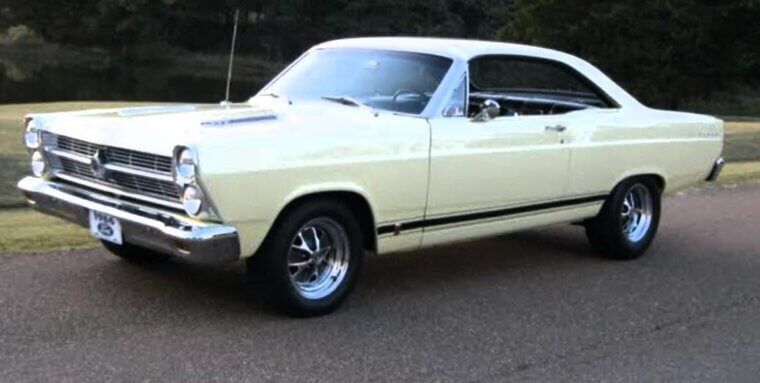
The 1966 Ford Fairlane 427 is the sleeper muscle car that serious collectors have been hoarding quietly. Documented high-performance examples now sell for $55,000–$75,000 — far beyond what anyone expected.
The Smooth Buick Riviera Turning Heads at Church
The Buick Riviera turned heads everywhere it went, including church parking lots where turning heads was technically frowned upon. The 1963–1965 Riviera is widely considered one of the most beautiful American cars ever designed — a bold, formal fastback that looked like it had been sketched by someone who genuinely loved automobiles. Parking one at church on Sunday morning was an act of quiet confidence. You weren't showing off. You simply had excellent taste, and the car proved it.
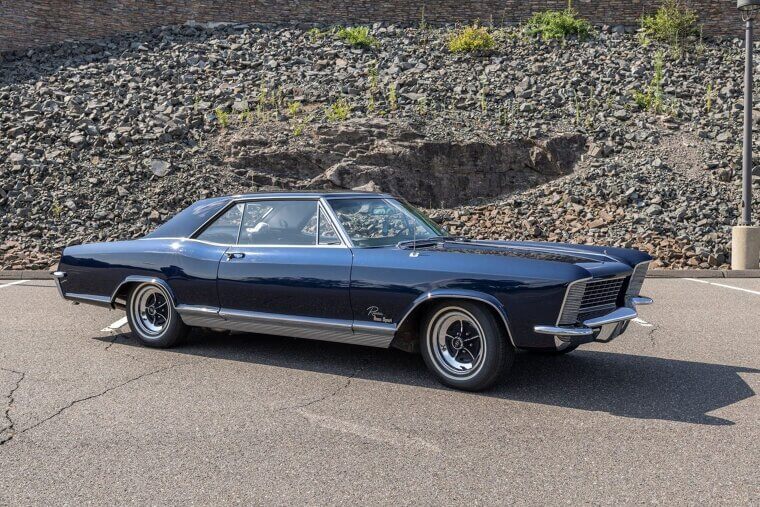
A pristine 1965 Buick Riviera Gran Sport can command $45,000–$65,000 today. The first-generation 1963 model is even more coveted, with exceptional examples pushing past $80,000 at major auctions.
The Solid Chevrolet Bel Air Parked in Style
The Chevrolet Bel Air was the car that defined mid-century American optimism. Chrome everywhere, two-tone paint, fins that suggested speed even when parked. The 1955–1957 Bel Airs are the most recognized American classics in the world, but even the later, boxier versions carried that same sense of pride. Parking a clean Bel Air in a Sunday morning lot was a ritual — a weekly reminder that some things were worth maintaining, worth protecting, worth showing up in.
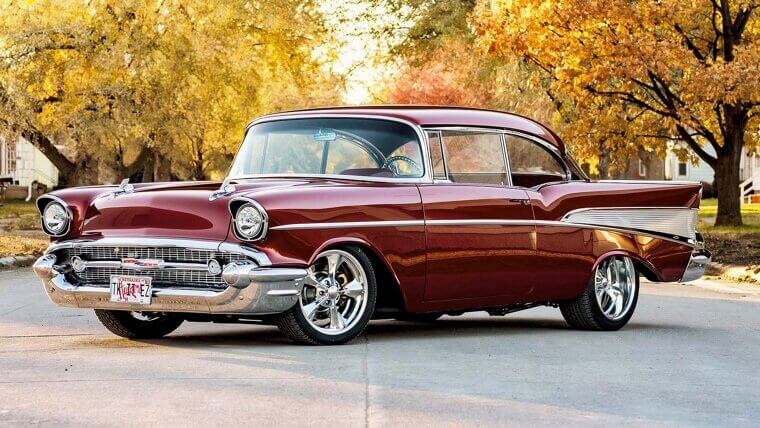
A 1957 Chevrolet Bel Air hardtop with the 283 fuel-injected V8 is a genuine trophy car. Fully restored examples regularly exceed $100,000, with rare convertibles pushing significantly higher at premier auctions.
The Luxurious Cadillac Fleetwood in the Lot
$10,000. That's what a Cadillac Fleetwood Brougham cost in 1970 — roughly equivalent to $80,000 today. When one of these pulled into the church lot, everyone noticed, even if nobody said anything. The Fleetwood was Cadillac's longest, heaviest, most elaborately trimmed offering. It had rear-seat reading lights, fold-down footrests, and more sound insulation than a recording studio. Driving it to church wasn't extravagance. It was, for the people who owned them, simply the appropriate vehicle for the occasion.
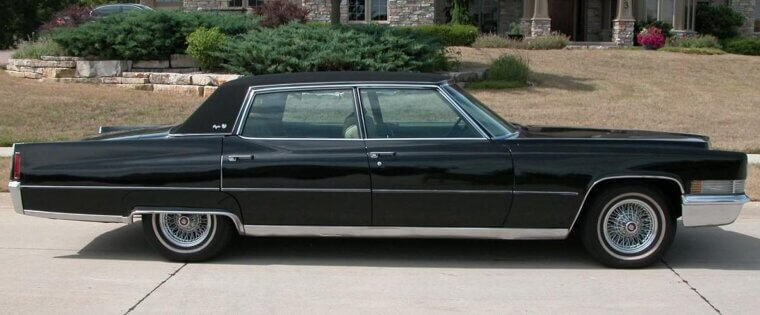
Pristine 1970s Cadillac Fleetwood Broughams with documented history now sell for $35,000–$55,000. The earlier 1960s formal sedans push well past $80,000 — Cadillac's peak expression of American luxury.
The Workhorse Ford Custom 500 Every Sunday
The Ford Custom 500 was the working man's full-size Ford — stripped of the Galaxie's chrome trim and sold at a price that made sense for families who needed a big car without a big payment. It wasn't glamorous, and it didn't pretend to be. But it was honest and durable, and it showed up every Sunday morning without drama. The Custom 500 was the automotive equivalent of the person in the congregation who does the most work and takes the least credit.
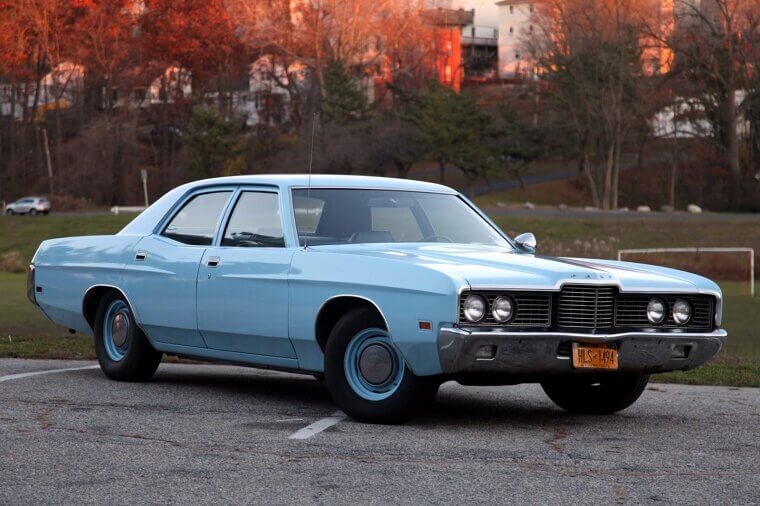
Because they were fleet and budget vehicles, few Custom 500s survived in good condition. A clean, original example is genuinely rare today and attracts serious interest from Ford collectors who know what they're looking at.
The Graceful Mercury Monterey Parked Proudly
The Mercury Monterey occupied a peculiar sweet spot in the Ford Motor Company hierarchy — better than a Ford, not quite a Lincoln, and somehow more interesting than either. It had genuine style, particularly in the early 1960s when Mercury designers were at their most adventurous. A well-kept Monterey in the church lot carried an air of quiet distinction — the car of someone who had done their research and arrived at a conclusion slightly different from everyone else's.
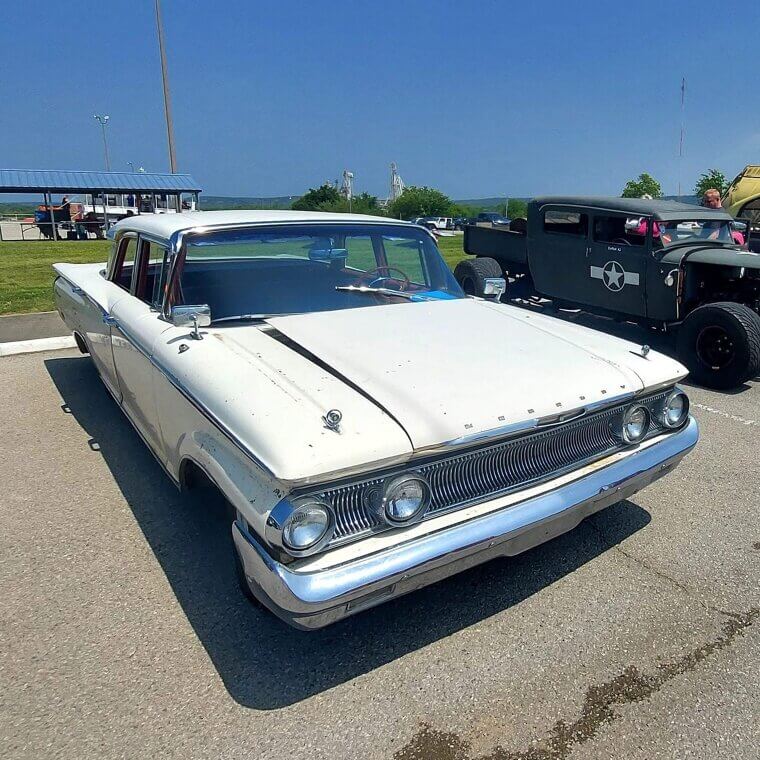
The 1964 Mercury Monterey Marauder with the 427 engine is the performance variant collectors chase hardest. Strong examples with documentation have sold for $45,000–$65,000, surprising people who dismissed Mercury for decades.
The Spacious Pontiac Safari Station Wagon
Somewhere in America right now, a Pontiac Safari station wagon is parked in a field with grass growing through the floorboards, and its owner has no idea what they have. The Safari was Pontiac's premium wagon — wider, lower, and more stylish than the Chevrolet equivalent, with the same basic bones but considerably more visual drama. Families who drove Safaris to church on Sunday mornings were making a statement: we have children, we have luggage, and we refuse to look boring about it.
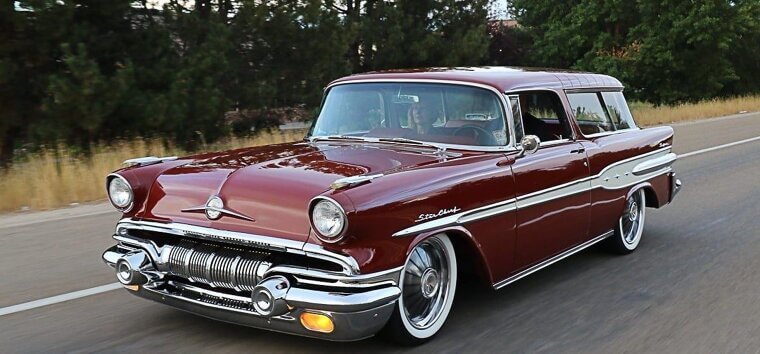
The 1957 Pontiac Safari two-door wagon is one of the rarest and most desirable wagons ever built — fewer than 1,300 were made. Exceptional examples have sold for over $100,000, shocking everyone who walked past one in a field.
The Sturdy Plymouth Satellite in the Back Row
The Plymouth Satellite spent most of its life in the back row — of the parking lot and of automotive history. Overshadowed by the Road Runner and Barracuda in Plymouth's own lineup, the Satellite was the sensible intermediate: enough room, enough power, enough style to satisfy without demanding attention. Back-row parking suited it. These were cars owned by people who arrived early, sat quietly, and left without making a scene. The Satellite was perfectly calibrated for exactly that kind of dignity.
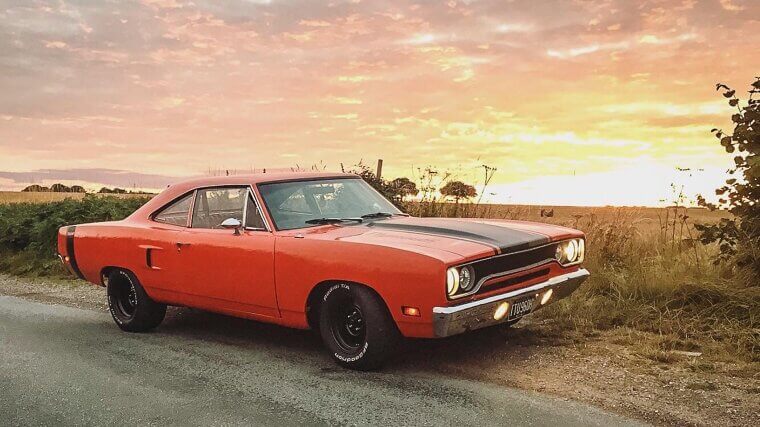
The 1970 Plymouth Satellite Sebring-Plus with the 440 Six Pack is the version collectors actually want. Documented examples in strong condition have crossed $55,000 — a revelation for anyone who overlooked the Satellite for thirty years.
The Quiet Rambler American Always on Time
The Rambler American made a promise and kept it: it would start, it would run, and it would cost you almost nothing to own. AMC built the American for buyers who were done being impressed and just needed reliable transportation. In the church lot, it was always on time — not because it was fast, but because its owners were responsible people who left the house early. The Rambler American was punctuality made manifest in sheet metal and rubber.
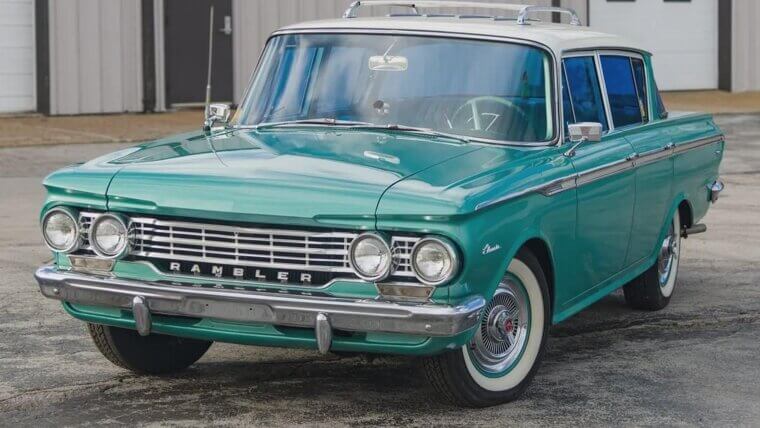
The 1969 Rambler American SC/Rambler — a surprise factory hot rod built with Hurst — is one of the great muscle car oddities. Survivors in excellent condition have sold for $40,000–$60,000, baffling people who only knew the economy version.
The Gleaming Oldsmobile Delta 88 on Display
Here's the thing about the Oldsmobile Delta 88 that people forget: it was genuinely beautiful in its prime. The 1969–1970 versions, in particular, had a sculptural quality that the later, softer versions lost. Wide, low, and available in colors that looked like they'd been named by a poet — Sebring Yellow, Rallye Red, Antique Gold. On a Sunday morning, a freshly waxed Delta 88 in the church lot was a genuine visual event. Oldsmobile was trying, and the Delta 88 was the proof.
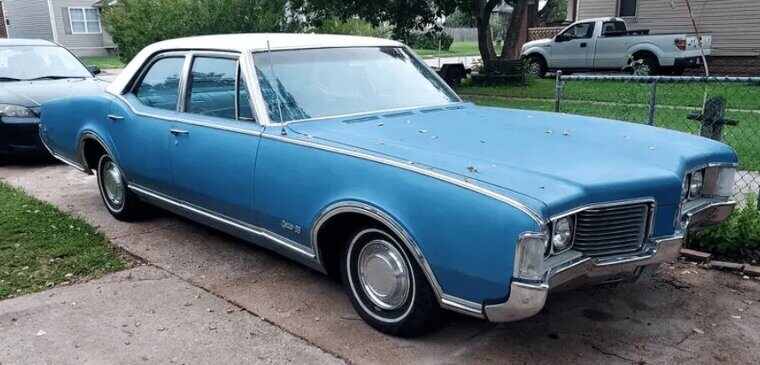
A 1969 Oldsmobile Delta 88 Holiday coupe with the W-31 package is a legitimate performance collectible. Well-documented examples have sold for $35,000–$50,000, with the rarest configurations pushing considerably higher.
The Humble Volkswagen Beetle Among the Sedans
It stuck out like a hymn sung in the wrong key. One Volkswagen Beetle, round and cheerful, wedged between a Buick and an Oldsmobile that each weighed twice as much. The Beetle in the church lot was always slightly incongruous — too small, too foreign, too different. But it showed up every week anyway, which counted for something. The owners were usually younger, usually less interested in chrome, and absolutely certain they'd made the right choice. They weren't wrong.
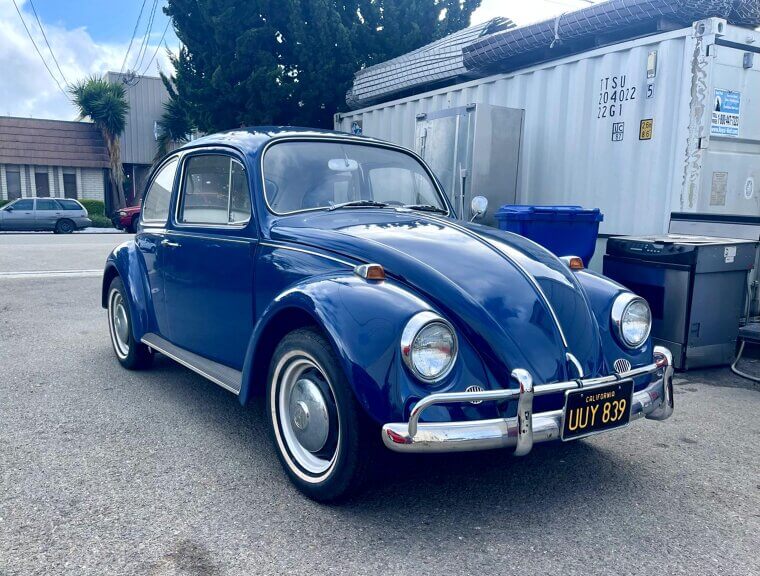
An original, unrestored 1967 Volkswagen Beetle in solid condition is worth $15,000–$25,000 today. Fully restored examples with period accessories push past $35,000 — not bad for something that cost $1,639 new.
The Stately Imperial by Chrysler at the Curb
Chrysler built the Imperial as a separate brand from 1955 to 1975 — not a Chrysler, an Imperial — specifically to compete with Cadillac and Lincoln on their own terms. It was longer, heavier, and more elaborately appointed than almost anything else on American roads. When an Imperial appeared at the curb outside a church, the effect was immediate. This wasn't just a nice car. This was a declaration, expressed in approximately 230 inches of steel and chrome, that some standards simply would not be compromised.
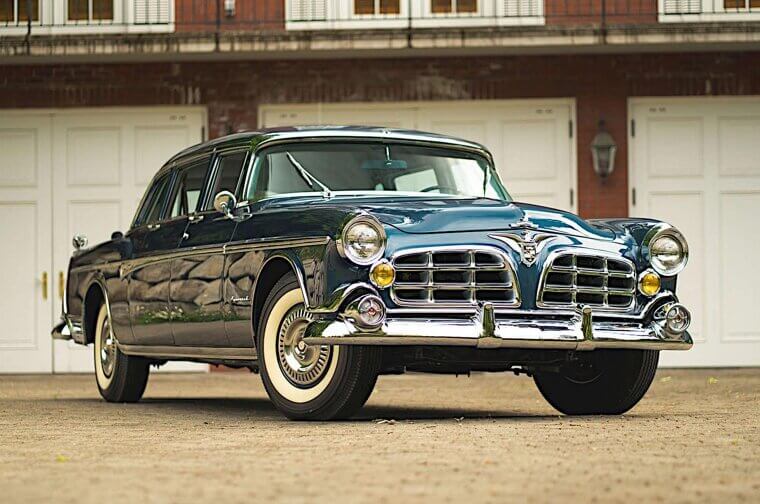
A 1964 Chrysler Imperial Crown convertible is a blue-chip collectible, with exceptional examples selling for $80,000–$120,000. Even the hardtop coupe has crossed $60,000 — Imperial's reputation is finally catching up to its quality.
The Long Buick Estate Wagon Hauling the Family
The Buick Estate Wagon was long in every direction that mattered — long enough to carry eight people, long enough to fit a week's worth of luggage, long enough that parallel parking was a genuine commitment. Buick trimmed it better than Chevrolet's equivalent, which meant the wood paneling looked slightly more convincing and the interior smelled slightly more like leather. Families who drove Estate Wagons to church had solved a problem: how do you arrive together, in comfort, without anyone complaining about the middle seat?
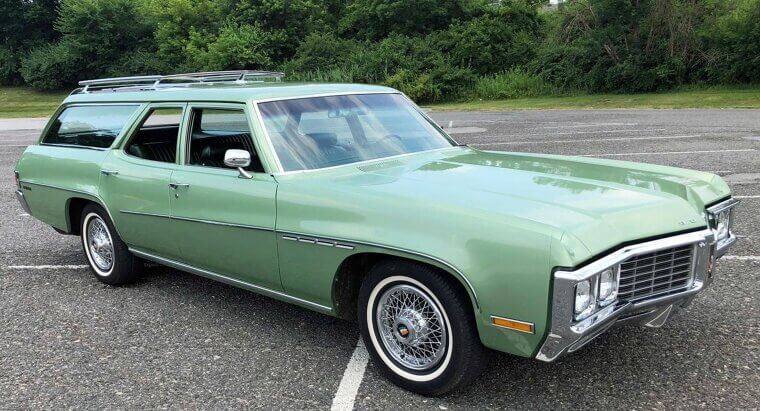
The 1970 Buick Estate Wagon with the 455 cubic inch V8 was genuinely fast for a vehicle its size — a fact that surprised everyone who tried to pass one on the highway. Clean examples now sell for $18,000–$28,000.
The Dependable Dodge Polara Every Single Week
The Dodge Polara was the car that showed up every single week because its owner was the kind of person who showed up every single week. No drama, no excuses, no skipping because of rain or heat or a particularly good football game on television. The Polara was Dodge's full-size workhorse — honest, durable, and completely unpretentious. It was also, in its 1960 debut form, genuinely striking — a tailfinned monster that looked like it had been designed by someone who took the Space Age personally.
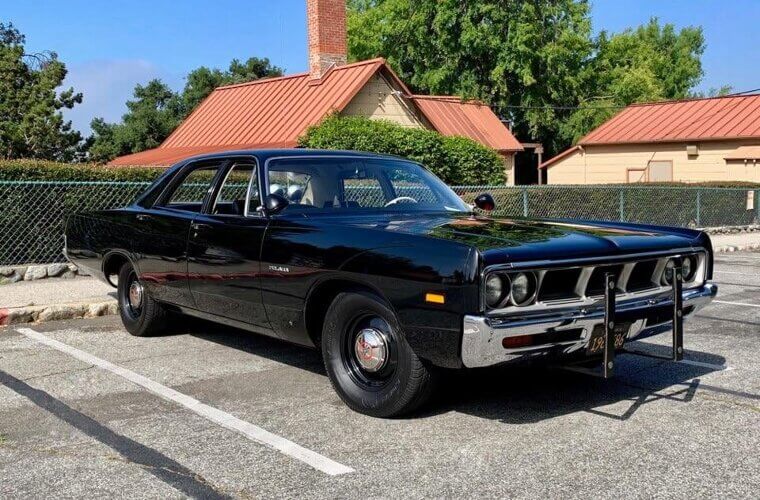
The 1969 Dodge Polara 500 with the 440 Magnum is the performance version that collectors want. Documented examples in excellent condition have sold for $40,000–$55,000 — serious money for a car most people forgot existed.
The Charming Ford Maverick in the Side Lot
The Ford Maverick charmed its way into the side lot with a base price of $1,995 in 1970 — the cheapest new car Ford had sold in years, and they advertised that fact relentlessly. It was small, simple, and surprisingly well-proportioned for a budget car. In the church lot, the Maverick was usually driven by someone younger, someone just starting out, someone who would eventually upgrade to a Fairlane or a Torino but wasn't there yet. It was a beginning, and beginnings belonged in the side lot.
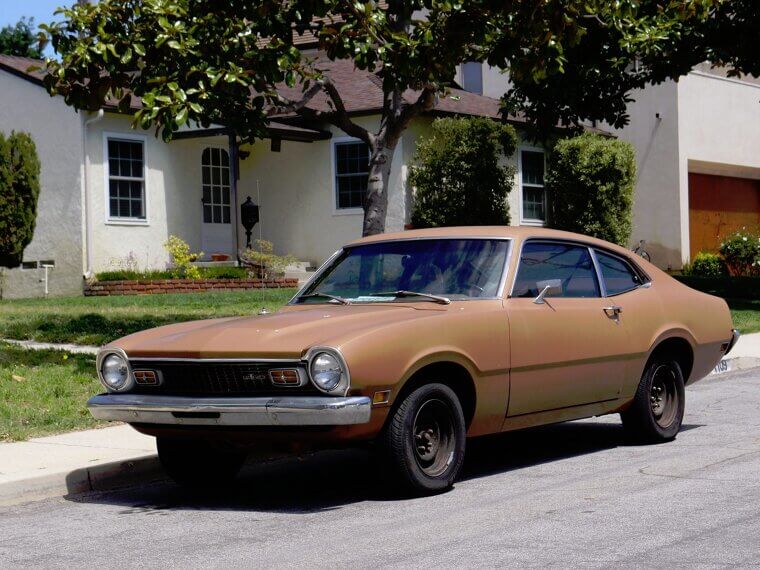
That $1,995 Maverick? A 1970 Ford Maverick Grabber with the 302 V8 in excellent, documented condition now sells for $25,000–$40,000 — twenty times its original price, and still climbing as the muscle compact market heats up.
The Sensible Chevrolet Nova Parked in Back
The Chevrolet Nova was sensible in a way that only truly good cars can be — not boring, just right-sized, right-priced, and right for the people who bought them. It parked in the back because its owners parked in the back, not because they were late, but because they didn't need to be seen arriving. The Nova was the car of people who had their priorities straight: get there, be present, go home. Everything else was noise.
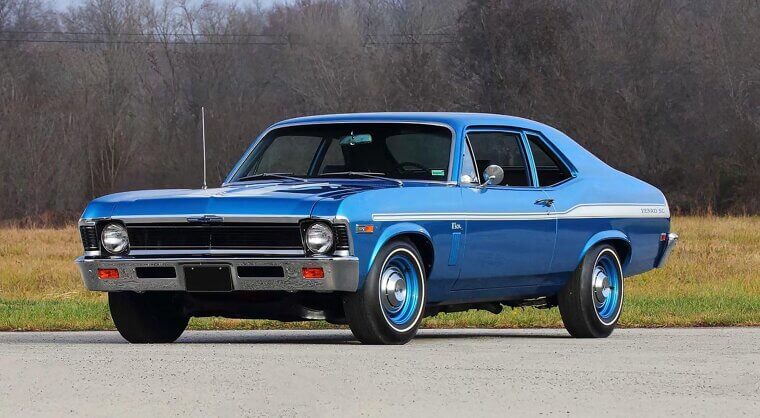
Here's the number that stops conversations: a 1969 Chevrolet Nova SS with the L72 427 engine in documented, original condition has sold for over $150,000. The plain-looking back-lot Nova was hiding something extraordinary all along.
The Proud Pontiac Grand Prix on Sunday Morning
The Pontiac Grand Prix on a Sunday morning was a statement of intent. Long hood, short deck, personal luxury proportions — it was Pontiac's answer to the question of what a sophisticated American car should look like. The 1969 Grand Prix, with its dramatically long nose and intimate two-door cabin, is still considered one of the most beautiful American cars of the postwar era. Parking one at church wasn't showing off. It was, by any reasonable standard, an act of aesthetic responsibility.
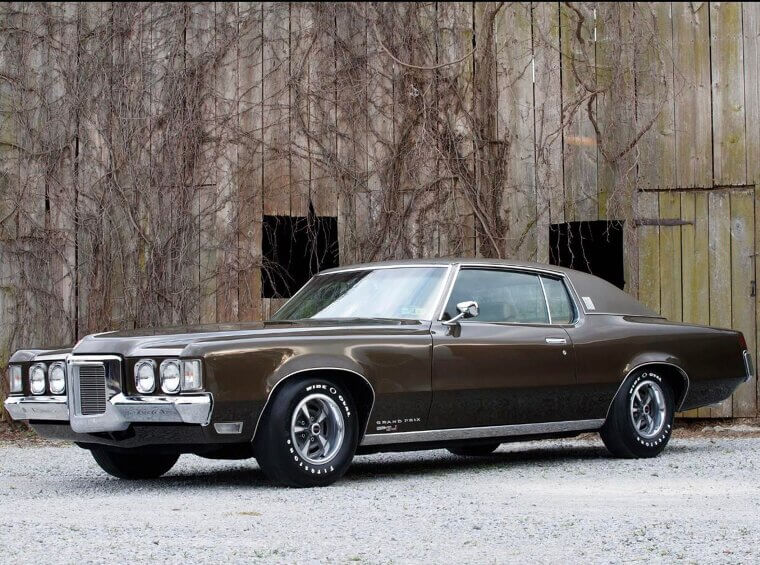
A 1969 Pontiac Grand Prix SJ with the 428 HO engine in excellent condition commands $45,000–$65,000 today. The design has aged so well that even people who don't collect cars stop to look at it.
The Roomy Mercury Colony Park Wagon
The Mercury Colony Park was the wood-paneled wagon that Ford built for people who wanted a Country Squire but preferred the Mercury badge. The differences were subtle — slightly different trim, slightly different interior, the same basic structure underneath — but to Colony Park owners, the distinction mattered enormously. These were people who noticed things. They noticed the quality of the vinyl wood grain, the weight of the tailgate, the way the rear-facing third seat folded down. Detail people. Church every Sunday people.
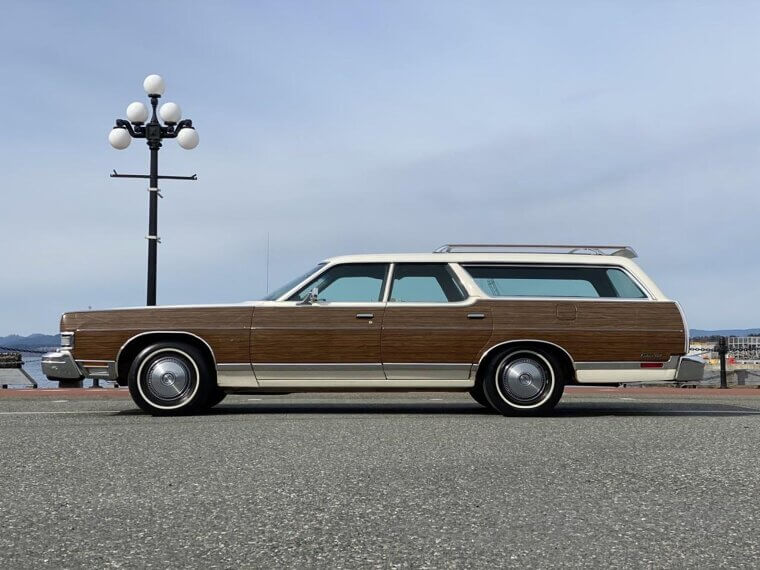
Clean, original Mercury Colony Parks with functioning rear-facing seats are genuinely rare survivors. Collectors who specialize in American wagons pay $20,000–$30,000 for excellent examples — the wood paneling adds thousands when it's intact.
The Faithful Dodge Coronet Never Missed a Week
The Dodge Coronet never missed a week because missing a week wasn't something its owners did. The Coronet was Dodge's mid-size backbone — practical, durable, and available in enough configurations to satisfy almost anyone. Sedan, hardtop, convertible, wagon: the Coronet covered every family situation without breaking a sweat. It was the car of steady people, reliable people, people who showed up on time and stayed until the last hymn. The Coronet was built to match exactly that kind of character.
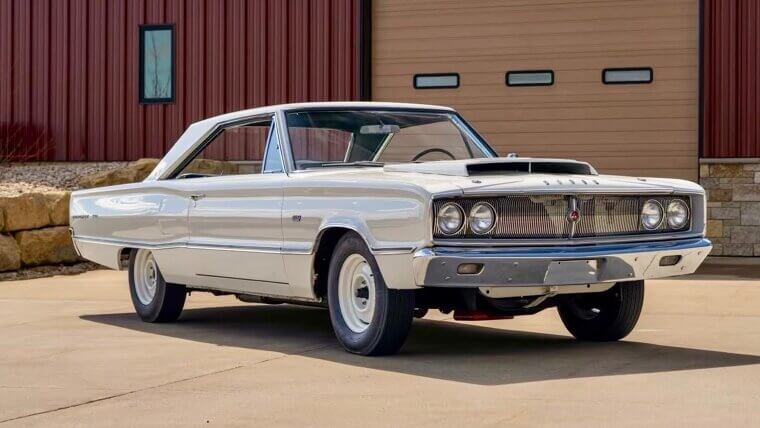
The 1967 Dodge Coronet R/T with the 440 Magnum is worth $55,000–$75,000 in excellent condition. The ultra-rare HEMI version has crossed $150,000 — transforming the humble Coronet into one of the most valuable Dodges ever built.
The Compact Ford Pinto Squeezed Into the Corner
The Ford Pinto squeezed into the corner of the church lot because that's where small cars went — wedged between a Caprice and a fence post, engine barely visible between the bumpers of its neighbors. The Pinto was Ford's response to the import invasion of the early 1970s, and it sold in enormous numbers despite everything that happened afterward. In the church lot, it represented a different kind of faith: the belief that a $2,000 car would get you there and get you home, and mostly it did.
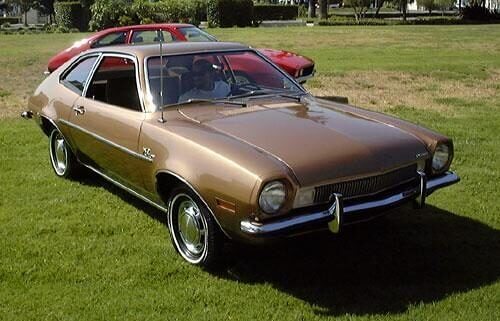
The Ford Pinto's reputation is permanently complicated, but the 1971 Pinto Runabout in original, unrestored condition is a legitimate piece of American automotive history. Clean survivors sell for $8,000–$15,000 — more than many expected.
The Waxed and Shining Cadillac Eldorado Outside
$7,000. That's what a new Cadillac Eldorado cost in 1967, the year the front-wheel-drive personal luxury coupe debuted and immediately redefined what an American car could be. The Eldorado was waxed to a mirror finish and parked outside church because its owner had worked for thirty years to afford it and wasn't going to hide it in a garage on Sunday morning. It was long, low, and absolutely magnificent — a car that made every other vehicle in the lot look slightly apologetic.
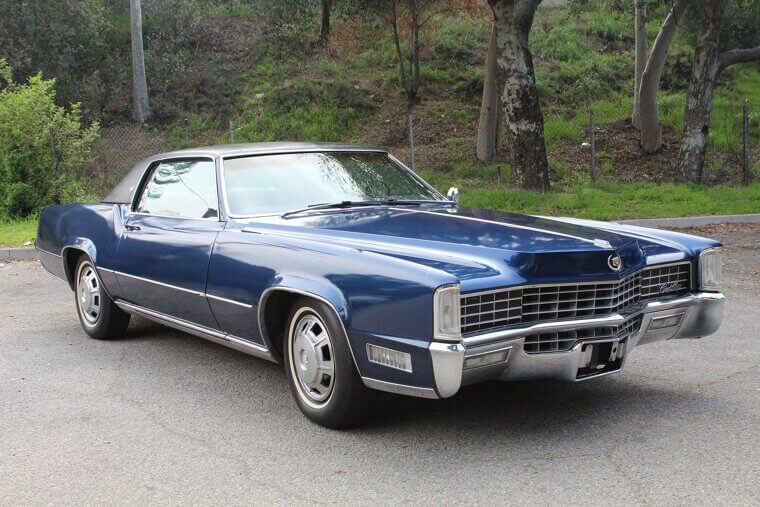
A 1967 Cadillac Eldorado in concours condition has sold for over $100,000 at premier auctions. Even driver-quality examples regularly exceed $60,000 — the first-generation Eldorado is finally getting the recognition it always deserved.
The Classic Chrysler Newport Parked With Pride
The Chrysler Newport was how you got into a Chrysler when you couldn't quite stretch to a New Yorker. It was the entry point to the brand — still larger, still better-built, still more refined than most of the competition, but priced for people working their way up. Over the decades, it became one of the most consistent presences in church parking lots: always clean, always well-maintained, driven by people who took their commitments seriously and honored them every single week without exception or excuse.
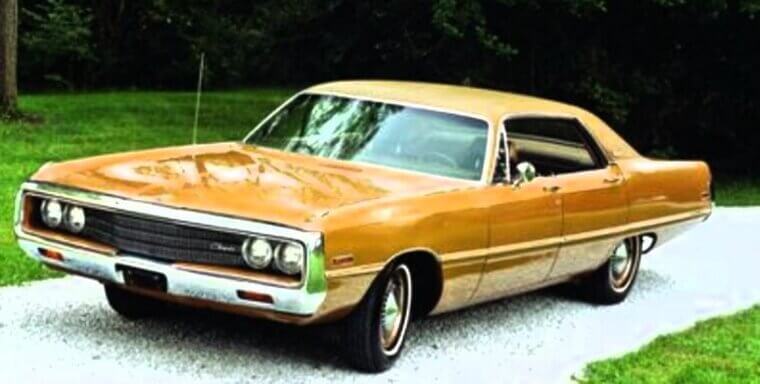
A 1970 Chrysler Newport with the 440 TNT engine in excellent, documented condition sells for $30,000–$45,000 today. The Newport was always the overlooked Chrysler — collectors who finally looked have been rewarded handsomely.