
They lined the driveways of your childhood, rumbled past on summer afternoons, and starred in every road trip memory you've got. These 30 cars defined an era of American driving that's completely gone now — and some of them are worth more dead than they ever were alive.
The Beloved 1957 Chevrolet Bel Air
Built between 1955 and 1957, the Bel Air's final year remains the crown jewel of the entire run. That iconic two-tone paint, the chrome fins, the V8 rumble — it hit every note perfectly. Today, a fully restored 1957 Bel Air convertible can fetch anywhere from $70,000 to over $100,000 at auction. Back in the day, your neighbor probably had one sitting in the driveway like it was nothing special.
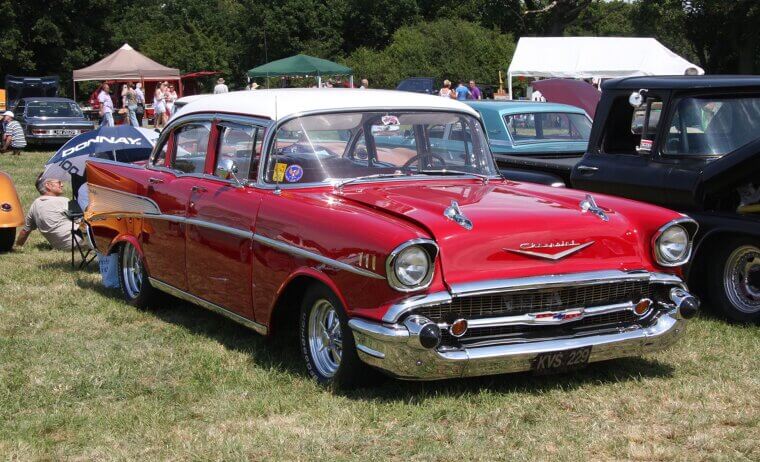
The Bel Air wasn't just a car — it was a cultural statement. Chrome wasn't optional; it was the whole point. Finding one in original, unrestored condition today is nearly impossible without serious money involved.
Ford Pinto and Its Troubled Legacy
Picture this: a car so controversial it became a punchline, a lawsuit, and a cautionary tale all at once. The Ford Pinto's rear-mounted fuel tank had a design flaw that made low-speed rear collisions genuinely dangerous, and internal memos suggested Ford knew. Sales were strong anyway — over three million units moved between 1971 and 1980. The Pinto wasn't all bad mechanically, but its reputation never recovered. History buried it.
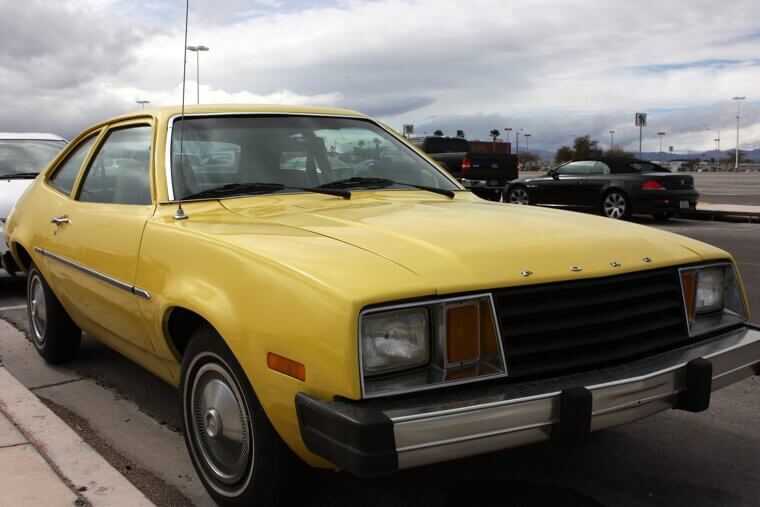
The Pinto's infamy overshadowed the fact that millions of families relied on it daily without incident. It was affordable, practical, and very much a product of its era — flaws included. Good luck finding a clean one now.
The Stylish Pontiac GTO Muscle Car
Would you pay $500,000 for a Pontiac? Laugh if you want, but a 1969 GTO Judge Ram Air IV convertible sold for exactly that at Barrett-Jackson. The GTO essentially invented the muscle car segment when it launched in 1964, dropping a big-block V8 into a mid-size body before anyone else thought to try it. Pontiac sold over 32,000 GTOs that first year alone. Detroit never saw it coming — neither did the competition.
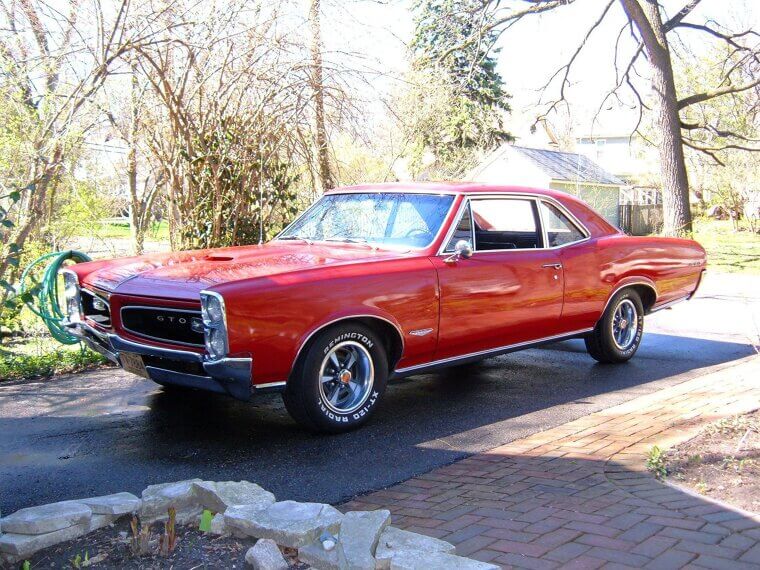
John DeLorean championed the GTO against GM's own corporate rules banning large engines in smaller cars. His gamble paid off spectacularly. The car that launched the muscle car era now commands prices that would make your jaw hit the floor.
The Classic Volkswagen Beetle Bug
Fifty million sold. That's the Beetle's final tally across its entire production run — a number no other single car design has matched. The original air-cooled Bug was everywhere in the 1960s and '70s, the unofficial mascot of the counterculture movement. It was cheap, reliable in a weird way, and easy to fix with basic tools. When Volkswagen finally ended classic Beetle production in Mexico in 2003, the last one rolled off the line with flowers on the dashboard.
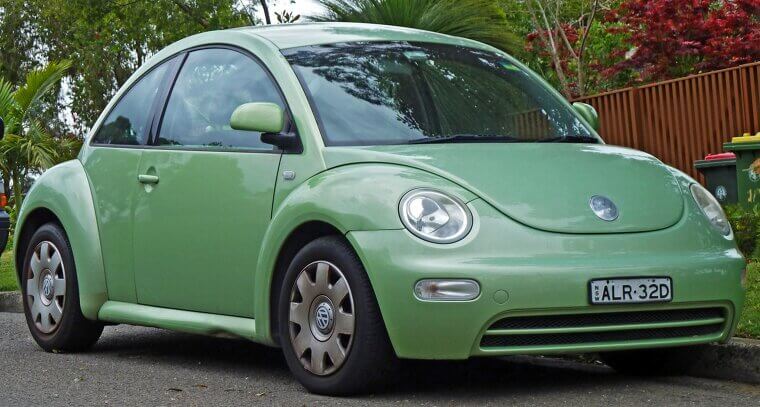
The Beetle's shape was so distinctive that children played 'punch buggy' for decades without anyone needing to explain the rules. Original split-window models from the early 1950s now sell for $30,000 or more in good condition.
Oldsmobile Cutlass Supreme on the Street
The Cutlass Supreme was the best-selling car in America for much of the 1970s — a fact that surprises almost everyone today. Oldsmobile moved over 500,000 Cutlasses in 1976 alone, outselling everything Ford and Chrysler threw at it. It was comfortable, stylish without being flashy, and priced right for the suburban family that wanted something nicer than a Chevrolet but couldn't stretch to a Cadillac. The Cutlass Supreme was the definition of aspirational middle-class motoring.
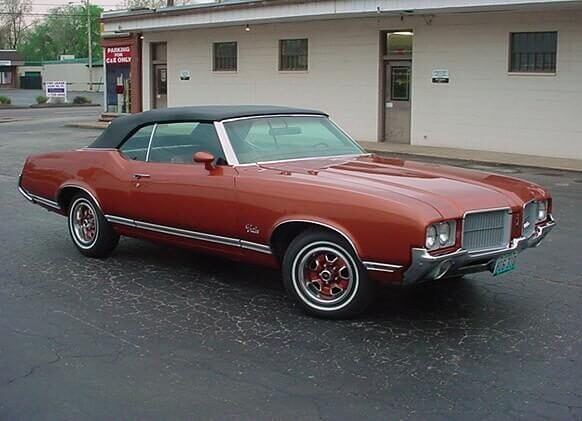
Oldsmobile's slow death at the hands of GM management is one of Detroit's saddest stories. The brand was killed off entirely in 2004 after 107 years — and GM's farewell was a letter to dealers. No ceremony. No final model. Just a letter.
AMC Gremlin and Its Quirky Design
You've probably seen photos and thought someone was joking. The AMC Gremlin debuted on April Fool's Day 1970 — and no, that wasn't planned, but it felt appropriate. AMC chopped the rear off an existing platform to rush a subcompact to market before the VW Beetle and Toyota imports took over. It worked, sort of. The Gremlin sold reasonably well and kept AMC alive for another decade. It just looked like a car that forgot to finish growing.
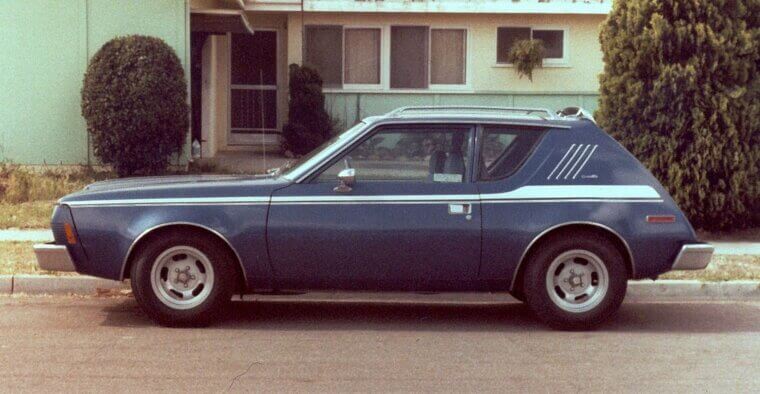
The Gremlin's April 1st birthday became part of automotive legend. Love it or mock it, AMC moved over 670,000 units across its run. Today, a clean Gremlin X draws genuine nostalgia at car shows — and some serious collector interest.
The Legendary Dodge Charger of the 1970s
Test riders came back white-knuckled. The 1970 Dodge Charger R/T with the 426 Hemi was genuinely terrifying — 425 horsepower in an era before traction control, stability management, or any safety net whatsoever. The Charger's fastback roofline and hidden headlights made it look like something from a fever dream. Then Bullitt happened, and the Dukes of Hazzard happened, and suddenly the Charger was immortal. A pristine '70 Hemi Charger R/T now regularly clears $200,000 at auction.
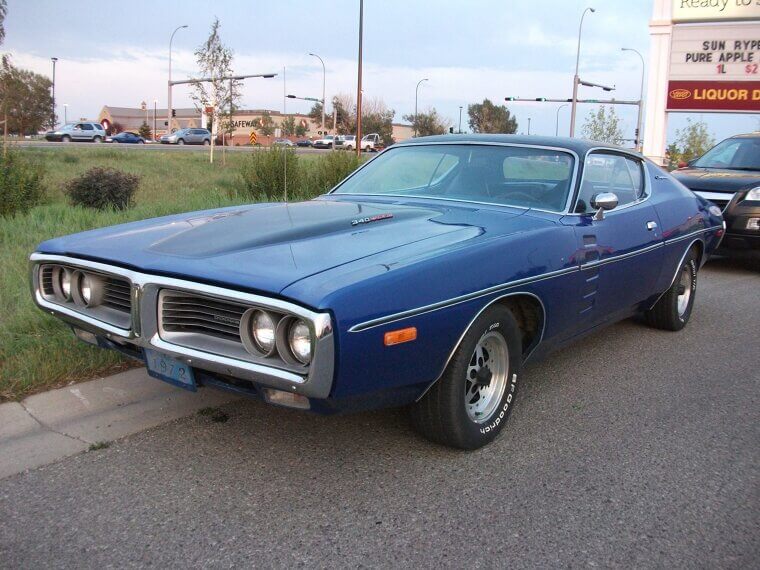
The 1968-1970 Charger body style is considered one of the most beautiful American car designs ever produced. Its influence shows up in everything from movie posters to modern Dodge's own retro styling cues. Pure automotive mythology.
Plymouth Barracuda and Its Fierce Style
This might be the most underrated muscle car ever built. The Plymouth Barracuda beat the Mustang to market by two weeks in April 1964, yet history handed Ford all the glory. The third-generation 'Cuda with the 426 Hemi is now one of the rarest and most valuable American muscle cars in existence — a 1971 Hemi 'Cuda convertible sold for $3.5 million at Barrett-Jackson. Plymouth killed it after 1974, and the automotive world never quite replaced what it lost.
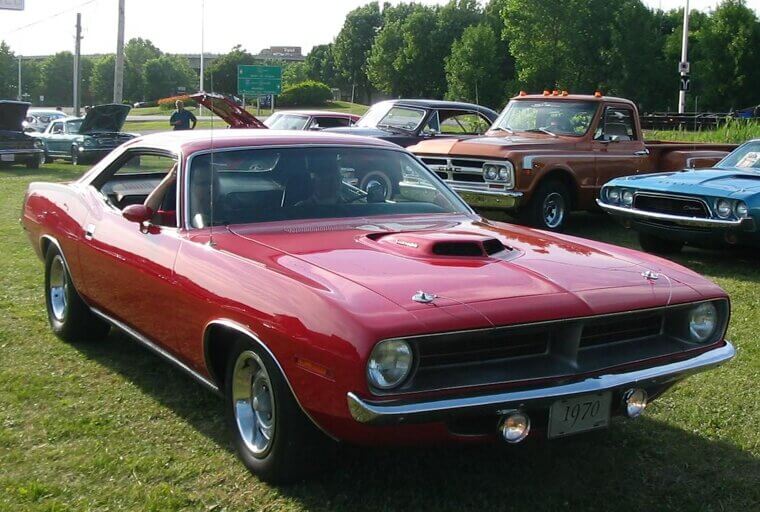
Only 14 Hemi 'Cuda convertibles were built for 1971, making them among the rarest factory muscle cars ever produced. When one surfaces at auction, serious collectors clear their calendars. The Barracuda got the last laugh after all.
The Sleek Pontiac Firebird Trans Am
$60,000 for a Trans Am. That's where the market sits for a clean, numbers-matching 1977 Pontiac Firebird Trans Am — the exact car Burt Reynolds drove in Smokey and the Bandit. That film sold more Trans Ams than any advertisement Pontiac ever ran. The 6.6-liter 400 V8, the screaming chicken hood decal, the T-tops — it was pure theater on wheels. Pontiac sold over 68,000 Trans Ams in 1977 alone, a record that stood for the model's entire run.
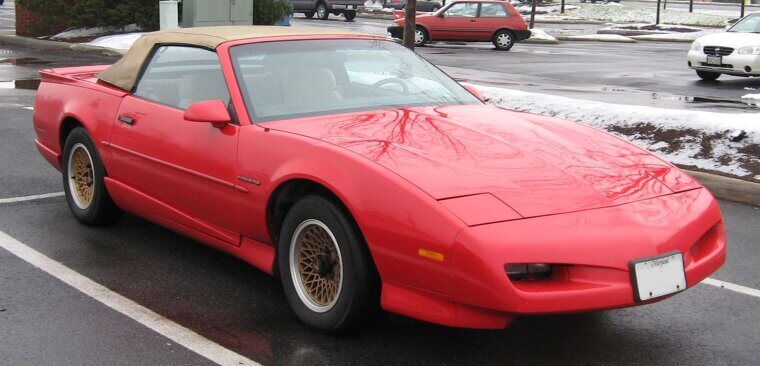
Burt Reynolds reportedly turned down a percentage of Smokey and the Bandit's profits in exchange for a flat fee. The movie grossed $300 million worldwide. The Trans Am, meanwhile, became one of the defining pop culture cars of the entire decade.
Chevrolet Vega and Its Short Run
Chevrolet needed a small car fast, and the Vega was the rushed answer. Launched in 1971 with genuine fanfare — it won Motor Trend's Car of the Year — the Vega quickly developed a reputation for engines that burned oil, rust that appeared almost immediately, and reliability that made owners question their life choices. GM recalled over 400,000 Vegas in its first years. The Vega lasted just seven model years before Chevrolet quietly pulled the plug and pretended it never happened.
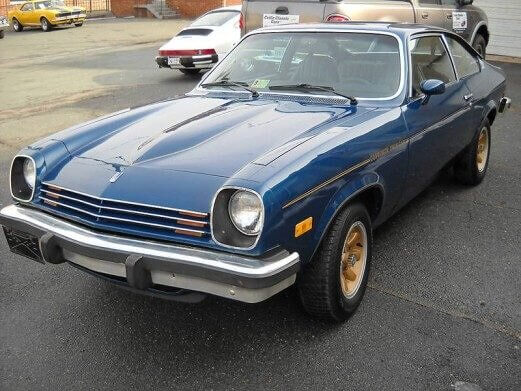
The Vega's aluminum engine block was genuinely innovative — the execution just wasn't ready for production. Engineers knew about the problems before launch. Surviving Vegas in good condition are now oddly collectible, mostly because so few made it this far.
AMC Pacer and Its Bubble-Like Shape
The guy who designed the AMC Pacer originally pitched it as a small, fuel-efficient city car with a wide body for passenger comfort. Then the planned rotary engine deal with GM fell through, and AMC stuffed a conventional inline-six under the hood of a car designed around a completely different powertrain. The result was a bubble-shaped, underpowered oddity that weighed more than it should and drank more fuel than anyone wanted. It starred in Wayne's World and became beloved anyway.
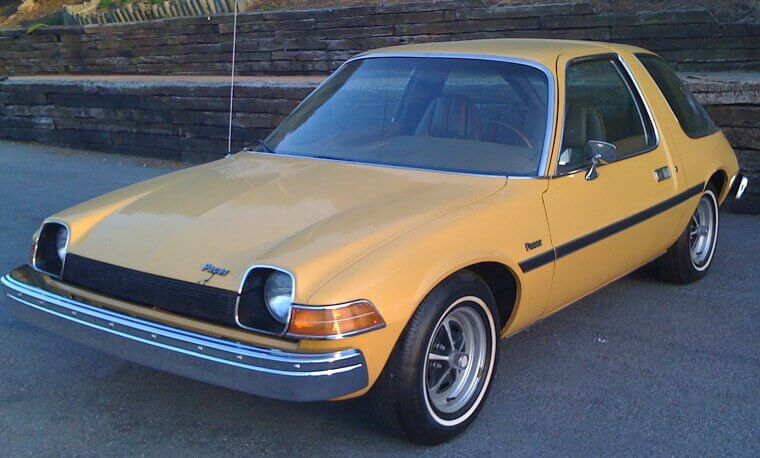
The Pacer's passenger-side door was actually four inches longer than the driver's side — a deliberate safety feature for rear passengers. Nobody noticed at the time. Today, clean Pacers draw genuine affection at shows, which says everything about nostalgia's power.
The Elegant Lincoln Continental Mark IV
Elegance used to mean something different. The Lincoln Continental Mark IV stretched over 228 inches bumper to bumper — nearly 19 feet of American luxury that glided rather than drove. Bill Blass, Cartier, Givenchy, and Pucci all collaborated on special designer editions in the mid-1970s, turning a car into a fashion statement. Elvis owned one. Liberace owned one. It was the vehicle of choice for anyone who wanted the world to know they had absolutely arrived.
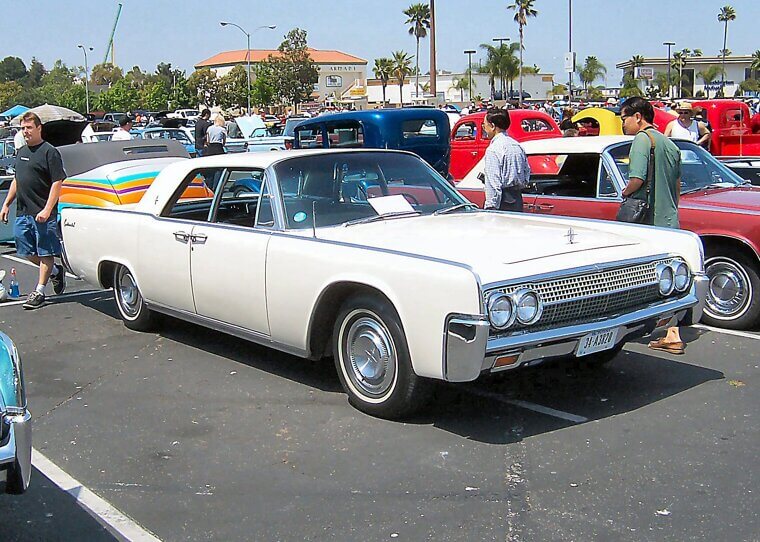
The Mark IV's opera windows became a defining styling cue of 1970s luxury cars, copied endlessly by competitors. At nearly 5,000 pounds, it wasn't built for cornering — it was built for being seen. Mission accomplished, every single time.
The Powerful Buick Riviera Grand Sport
Buick built the Riviera as its answer to the Ford Thunderbird, and for a while, it worked brilliantly. The 1966 Gran Sport edition packed a 425-cubic-inch V8 with dual four-barrel carburetors — 360 horsepower that Buick somehow marketed to country club members and suburban professionals. The styling, penned by Bill Mitchell, is still considered one of GM's finest. A clean first-generation Riviera Gran Sport now sells for $40,000 to $60,000, which feels like a bargain given how good it looks.
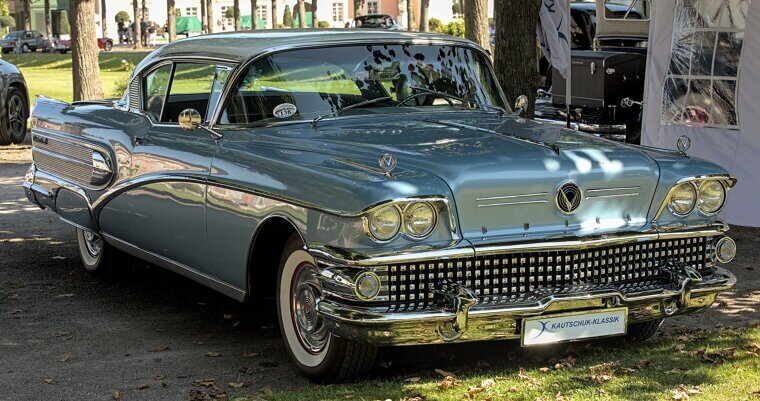
The original 1963 Riviera is widely considered one of the most beautiful American cars ever designed. Enzo Ferrari reportedly called it one of the finest-looking cars in the world. Coming from Ferrari, that's not a compliment you ignore.
Mercury Cougar Cruising the Open Road
Ford built the Cougar to ride the Mustang's coattails and ended up with something genuinely different — a longer, heavier, more mature pony car that appealed to buyers who wanted sportiness without the youth-market noise. The 1967 Cougar outsold expectations completely, moving over 150,000 units in its debut year. Mercury gave it a GT-E package with a 427 V8 that turned the sophisticated coupe into something considerably less civilized. The Cougar cruised that line between luxury and muscle better than almost anything else.
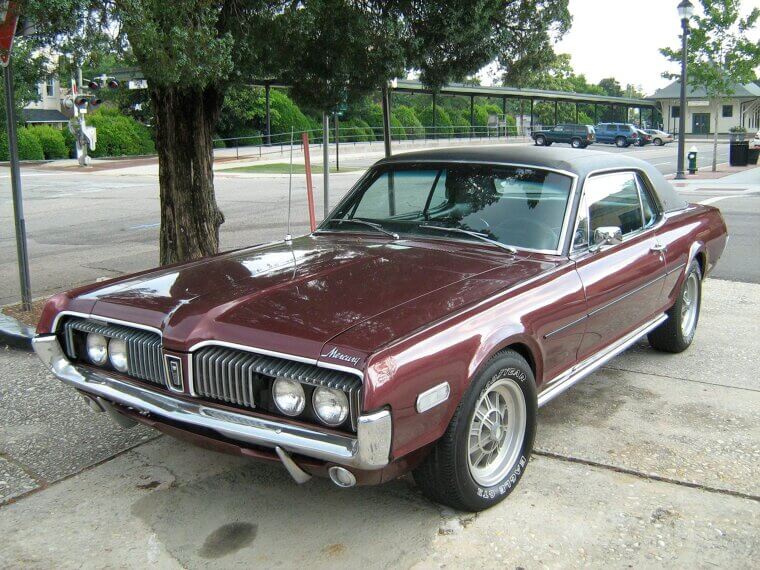
Mercury eventually turned the Cougar into a personal luxury coupe in the 1970s, chasing the Thunderbird market rather than the muscle crowd. The transition was commercially successful but killed the car's sporting soul. By 1997, the name was gone for good.
The Bold Dodge Dart Swinger Edition
The Dart Swinger was Dodge's working-class hero — a compact muscle car that delivered real performance at a price regular people could actually afford. A base Swinger 340 in 1969 stickered at around $2,500, making it one of the cheapest ways to get a genuine high-performance machine from a major American manufacturer. The 340-cubic-inch small-block punched well above its displacement, and the Swinger's lighter weight meant it could embarrass bigger-engined cars at the stoplight. Affordable speed, Detroit-style.
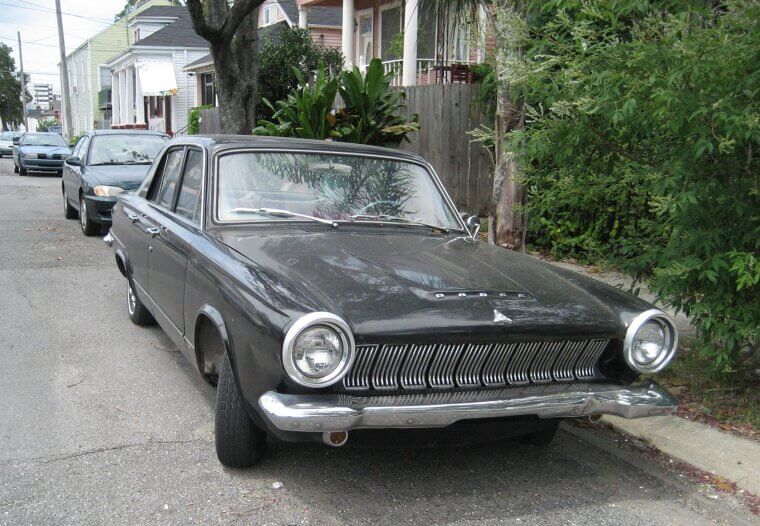
Dodge sold over 130,000 Dart Swingers in 1969 alone, making it one of the most successful budget performance cars of the muscle car era. That $2,500 price tag translates to roughly $21,000 today — still cheaper than most new performance cars. Times have changed.
Studebaker Avanti and Its Futuristic Look
Studebaker's designers looked at everything Detroit was building in 1962 and went in the complete opposite direction. The Avanti's fiberglass body, disc brakes, supercharged V8, and wind-tunnel-tested shape arrived years before the industry caught up. It set land speed records at Bonneville. It was genuinely ahead of its time — which is exactly why Studebaker couldn't sell enough of them to survive. The company folded in 1966. The Avanti name lived on under independent owners until 2006, a ghost haunting American roads.
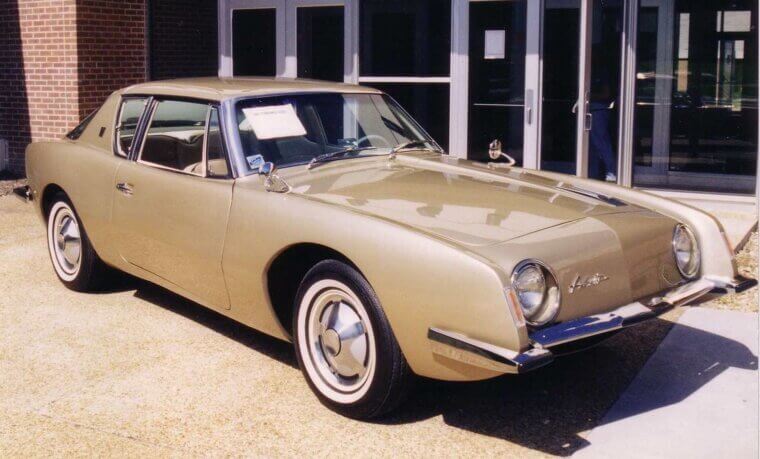
Raymond Loewy designed the Avanti's body in just 40 days at a rented house in Palm Springs. The result looked like nothing else on American roads and still doesn't. Original Studebaker Avantis in good condition now command $25,000 to $45,000 at auction.
The Compact Triumph Spitfire Roadster
Picture this: a British roadster small enough to parallel park in a phone booth, with a four-cylinder engine that buzzed like an angry hornet and handling that made American muscle cars feel like school buses. The Triumph Spitfire weighed just 1,568 pounds, which meant even its modest 75 horsepower felt genuinely exciting through corners. Over 314,000 were built between 1962 and 1980. Today, a restored Spitfire Mark IV sells for $15,000 to $25,000 — accessible, charming, and completely unlike anything Detroit ever built.
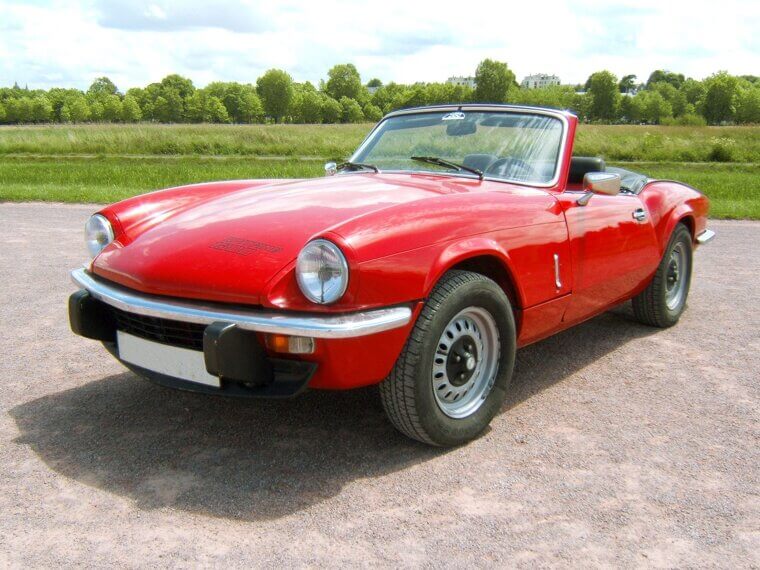
The Spitfire's name came from the legendary WWII fighter plane, and Triumph leaned into the connection heavily in its marketing. The car's low center of gravity made it genuinely rewarding to drive on winding roads. Finding parts today requires patience and a good British car specialist.
Chevrolet Chevelle SS and Pure Muscle
$500,000. For a Chevelle. That's what a 1970 Chevelle SS 454 LS6 in COPO configuration can fetch from the right buyer on the right day. The LS6 engine produced 450 horsepower from the factory — a number GM's own insurance actuaries reportedly tried to suppress. The Chevelle SS was the muscle car that other muscle cars respected. Wider, heavier, and more menacing than a Camaro, it was the choice of drivers who didn't need to prove anything because the car did it for them.
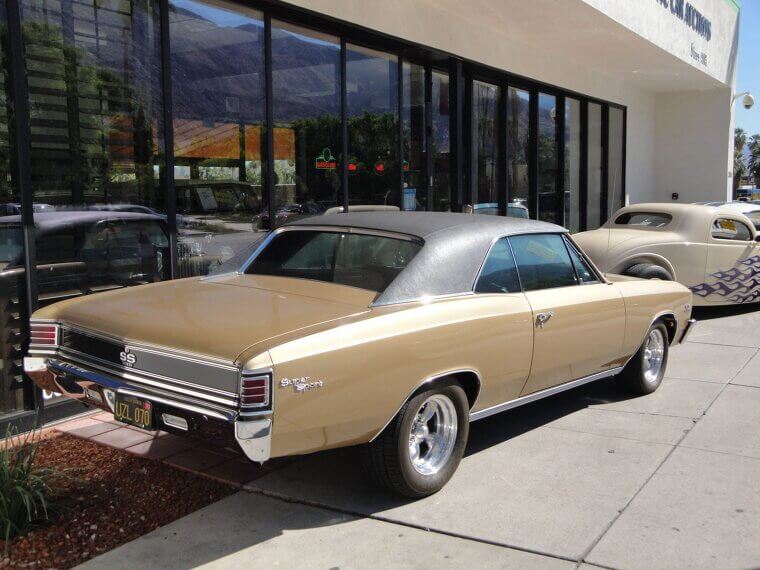
The 1970 Chevelle SS 454 LS6 ran the quarter mile in the low 13-second range from the factory — in 1970, with bias-ply tires and a three-speed automatic. Car and Driver called it the fastest American production car they'd ever tested. That record held for years.
The Dashing Ford Thunderbird of the 1960s
The original 1955 Thunderbird was a two-seat sports car, and Ford killed it after three years to chase volume. What replaced it in 1958 — a four-seat personal luxury car — sold three times as many units and broke Ford's heart in the process. By the 1960s, the Thunderbird had become a sleek, jet-age cruiser with sequential turn signals and a roofline borrowed from aerospace design. It wasn't sporty anymore. It was something better: effortlessly cool in a way that took decades to fully appreciate.
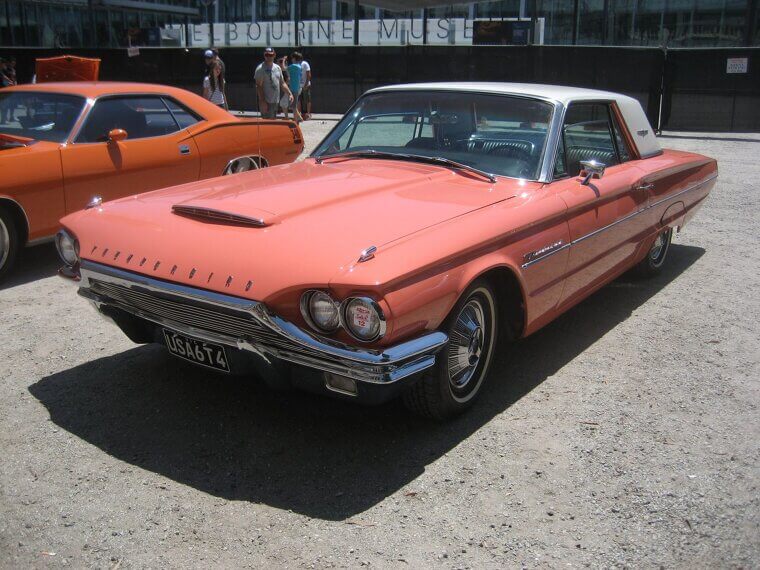
The 1964-1966 Thunderbird's sequential rear turn signals were so innovative that Ford patented the system. The feature wouldn't become mainstream until modern luxury cars adopted it decades later. A pristine 1965 Thunderbird convertible now sells for $35,000 to $55,000.
Pontiac Bonneville Rolling Through the Suburbs
The Bonneville was Pontiac's flagship — the car that sat at the top of the lineup and told the neighborhood exactly how well things were going. In the late 1950s and early '60s, a Bonneville convertible was a genuine status symbol, wide as a barge and twice as comfortable. By the 1970s it had settled into reliable suburban duty, hauling families to church and Little League games with quiet dignity. It wasn't exciting. It was dependable — and in those years, dependable meant everything.
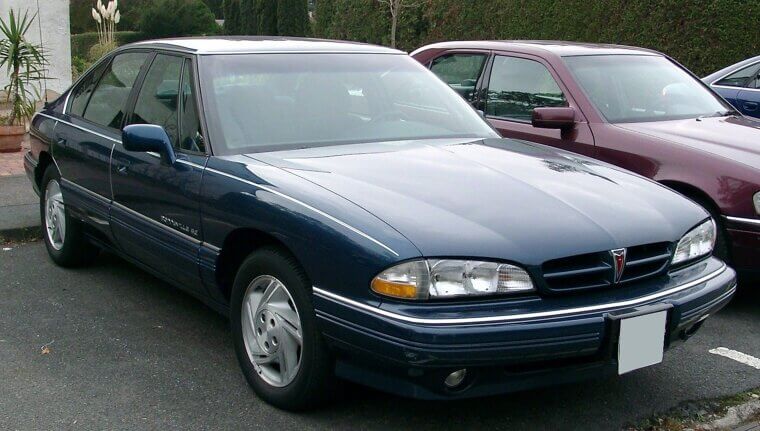
The 1958 Bonneville convertible was among the most expensive American cars of its year, rivaling Cadillac in price and presence. Only 3,096 were built, making survivors genuinely rare. Clean examples now sell for $60,000 to $80,000 at major auctions.
The Rugged International Scout Off-Roader
International Harvester built trucks and farm equipment. Then someone decided to build a proper off-road vehicle, and the Scout arrived in 1961 — four years before the Ford Bronco, nine years before the Chevy Blazer. The Scout invented a segment that everyone else later profited from. It was rugged, simple, and honest in a way that modern SUVs can't replicate with all their electronic assistance. International killed it in 1980 when oil prices made truck sales collapse. The off-road world never properly said thank you.
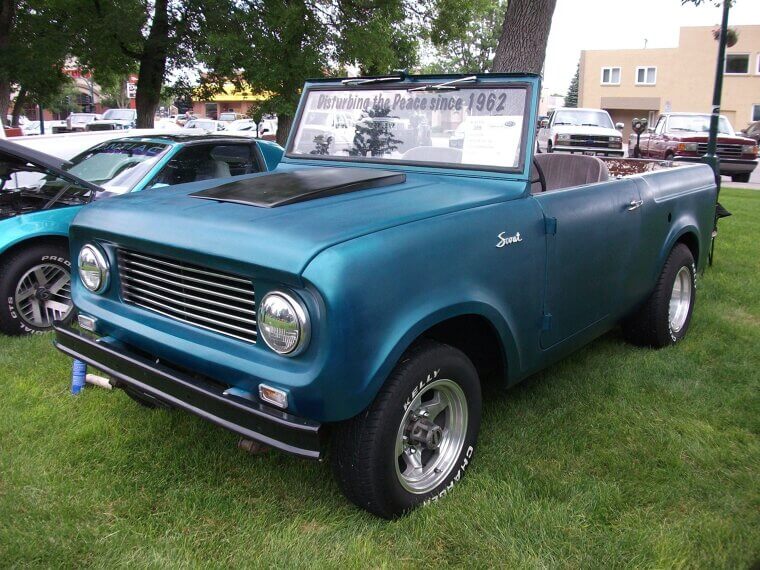
A restored International Scout 800A with a V8 swap now sells for $40,000 to $70,000 — serious money for a vehicle that cost under $3,000 new. The Scout community is one of the most passionate in the collector car world. International recently revived the name for an electric SUV.
Chrysler Imperial and Its Royal Presence
Chrysler built the Imperial as a completely separate brand from 1955 to 1975 — not a Chrysler, not a Dodge, but its own thing, competing directly with Cadillac and Lincoln for the top of the American luxury market. The 1969 Imperial had a 440-cubic-inch V8, self-dimming rearview mirror, and more standard equipment than most cars offered as options. It was magnificent and completely ignored by buyers who chose Cadillac out of habit. Chrysler eventually gave up and folded Imperial back into its regular lineup.
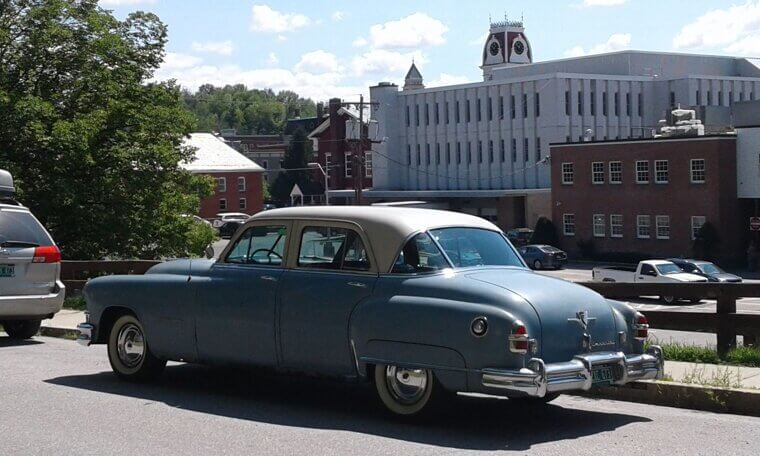
The Imperial's failure against Cadillac remains one of Detroit's great marketing mysteries — the cars were objectively comparable, yet Cadillac outsold Imperial by enormous margins every single year. Brand loyalty is a powerful and occasionally irrational force. Clean Imperials now sell for $20,000 to $35,000.
The Fun and Tiny Subaru 360 Microcar
Would you drive something that weighed 966 pounds on a public highway? The Subaru 360 microcar, sold in America briefly from 1968 to 1970, asked exactly that question. Consumer Reports called it 'unsafe at any speed' — borrowing Ralph Nader's famous phrase — and the car's 25-horsepower two-stroke engine struggled to maintain highway speeds. Malcolm Bricklin imported them for $1,297 each, making the 360 the cheapest new car sold in America. It failed spectacularly and helped Subaru understand what Americans actually wanted.
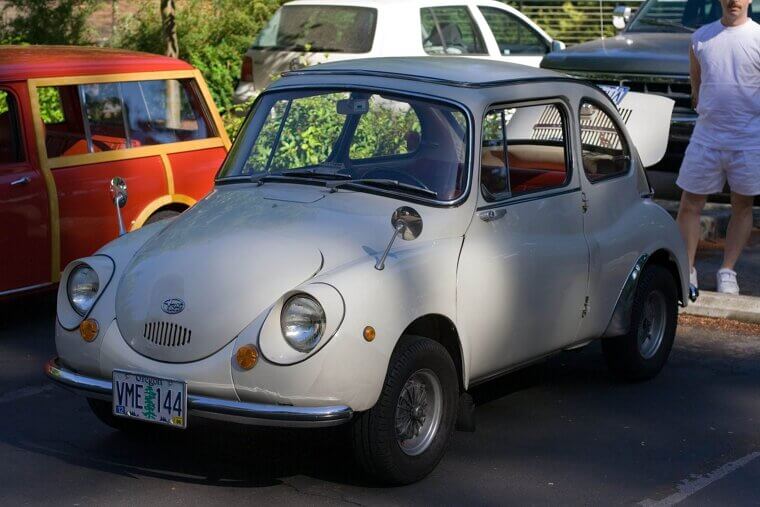
The Subaru 360's American failure led directly to the development of the larger, more powerful Subaru cars that eventually conquered the US market. Sometimes the most important thing a product can do is fail in exactly the right way. Surviving 360s are genuinely rare and oddly charming.
Oldsmobile 442 and the Thrill of Speed
The 442 name stood for four-barrel carburetor, four-speed transmission, and dual exhausts — a formula that Oldsmobile turned into one of the most respected muscle cars of the 1960s. The 1969 442 W-30 with the Force Air induction system produced 360 horsepower and ran the quarter mile in the 13-second range. What made the 442 different from the GTO and Chevelle was refinement — Oldsmobile somehow made its muscle car feel almost civilized while still being genuinely fast. A rare combination that buyers loved.
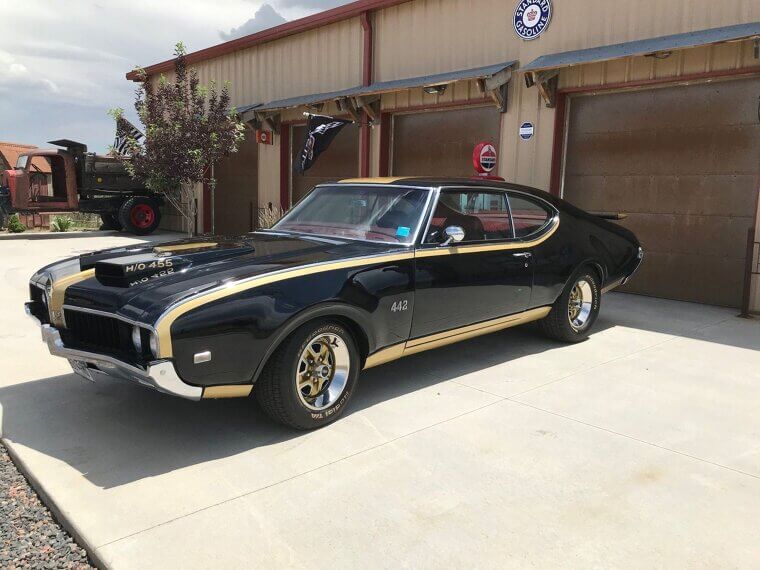
A 1969 Oldsmobile 442 W-30 convertible in top condition now sells for $80,000 to $120,000, prices that would have seemed insane when these cars were being traded in for Pintos and Vegas. The muscle car market has been very, very good to survivors.
The Distinctive Citroën DS on American Roads
The Citroën DS looked like it had been designed on another planet and then accidentally shipped to Earth. Launched in Paris in 1955, it featured hydropneumatic self-leveling suspension, a semi-automatic gearbox, and a steering system so advanced it confused American mechanics for decades. A handful made it to US shores, confounding dealerships and delighting the rare buyer adventurous enough to own one. The DS remained in production until 1975, outlasting most of its contemporaries through sheer brilliance.
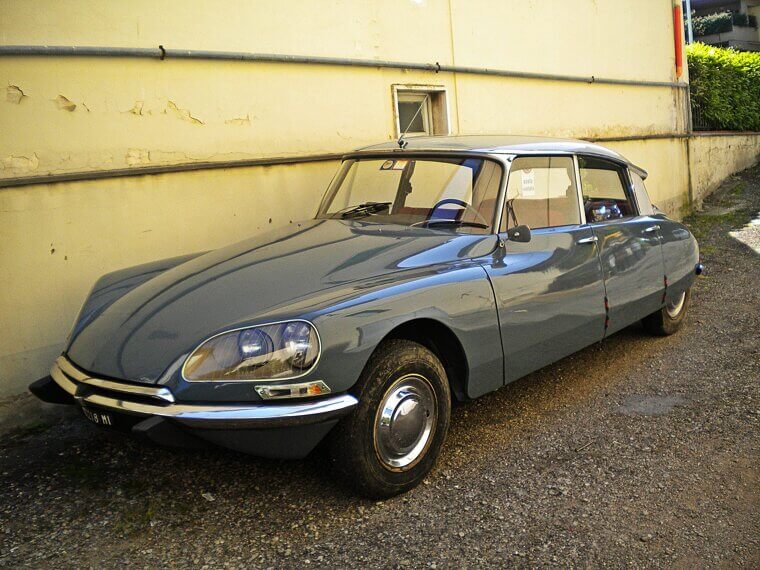
President Charles de Gaulle survived a 1962 assassination attempt partly because the DS's self-leveling suspension kept the car stable after the tires were shot out, allowing the driver to escape. The car literally saved a head of state. That's not a marketing claim — it actually happened.
Ford Maverick and Its Budget-Friendly Appeal
Ford needed a cheap answer to the VW Beetle and Japanese imports, so the Maverick compact arrived in 1970 — priced at $1,995, making it the lowest-cost new American car on the market. It was stripped-down, honest transportation that Ford priced aggressively to move volume. Over 579,000 sold in the first year alone. Nobody called it exciting. Nobody needed to — it just worked, quietly and without complaint, which was exactly what buyers needed.
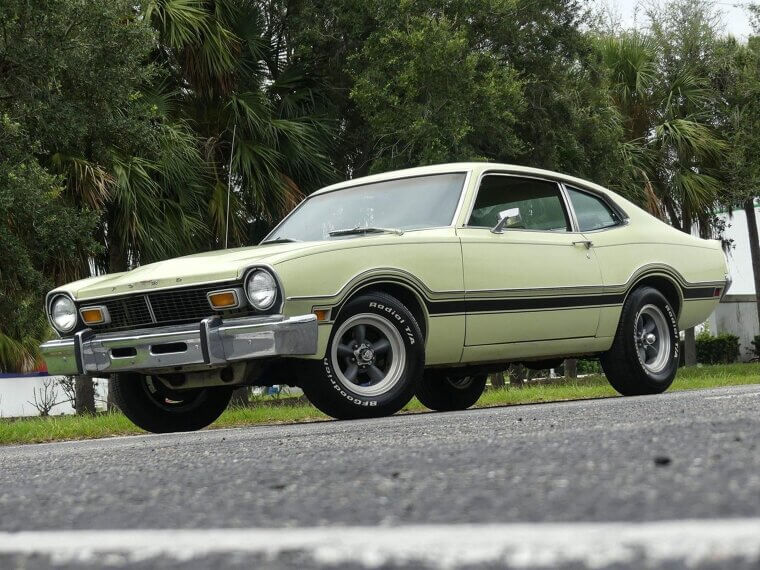
Ford revived the Maverick name in 2022 for a compact hybrid pickup, and it became one of the fastest-selling vehicles in the country. Turns out the original's philosophy — cheap, practical, no-nonsense — was simply ahead of its time by about 50 years.
The Sporty Datsun 240Z Turning Heads
Nissan needed a name that wouldn't remind Americans of budget econoboxes, so the Datsun 240Z arrived in 1969 wearing its sporting credentials openly. Long hood, short deck, inline-six engine, independent suspension all around — it delivered European sports car performance at a price that undercut the competition by thousands of dollars. Road & Track called it the best sports car value in the world. Porsche and Jaguar noticed. The 240Z essentially forced the entire sports car market to reconsider its pricing strategy overnight.
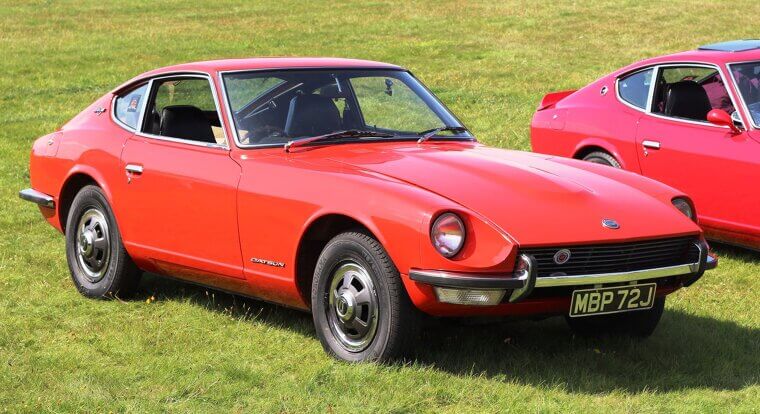
A pristine, numbers-matching 1970 Datsun 240Z now sells for $50,000 to $80,000 — remarkable for a car that originally stickered at $3,526. The Z-car community is enormous and passionate. Finding an unmodified survivor is increasingly difficult as the cars age and the temptation to modify grows.
Buick Electra 225 and Its Long Hood
The Electra 225 got its name from its overall length — 225 inches, nearly 19 feet of rolling Buick luxury. In the 1960s, the 'Deuce and a Quarter' was shorthand for prosperity in American cities, the car of choice for anyone who wanted to announce their success without resorting to a Cadillac's ostentation. Blues musicians, athletes, and successful businessmen all gravitated toward the Electra's combination of size, comfort, and quiet prestige. It was aspirational in a very specific, very American way that doesn't quite translate today.
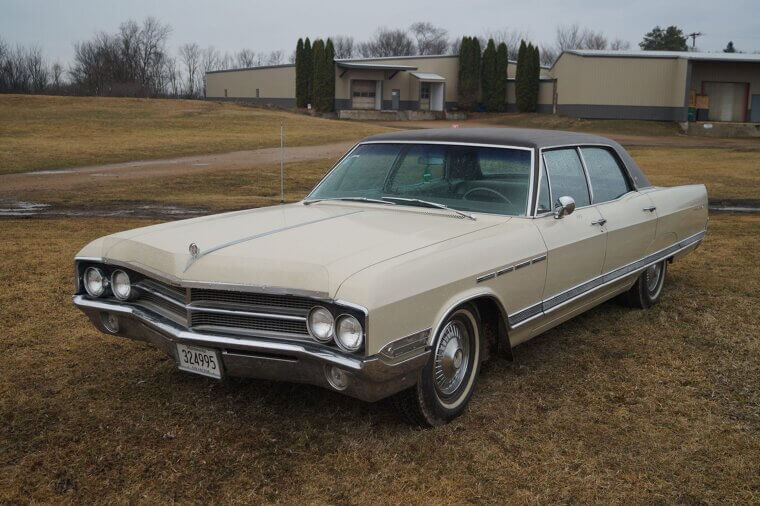
The Buick Electra 225 became so deeply embedded in urban American culture that 'Deuce and a Quarter' entered the vernacular as a synonym for success itself. Songs referenced it. Movies featured it. A clean 1970 Electra convertible now sells for $25,000 to $40,000 at auction.
The Rare Tucker 48 Ahead of Its Time
Only 51 Tucker 48s were ever completed. Preston Tucker's vision — a rear-engine, safety-focused, genuinely innovative car for postwar America — was strangled by a Securities and Exchange Commission fraud prosecution that many historians believe was politically motivated by established Detroit interests. The Tucker 48 had a padded dashboard, a center headlight that turned with the steering wheel, and a windshield designed to pop out in a crash. In 1948. Of the 51 built, 47 survive — and they sell for $1 million to $3 million each.
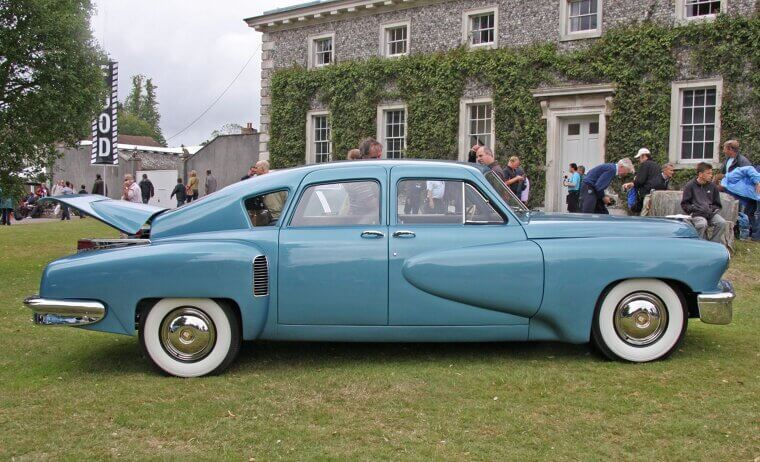
Tucker was acquitted of all fraud charges in 1950, but his company was already dead and his cars were impounded. The story became a 1988 Francis Ford Coppola film. Every surviving Tucker 48 is documented, tracked, and worth more than most people's houses. All 47 of them.
Plymouth Road Runner and Its Famous Beep
Beep beep. Plymouth literally licensed the Warner Bros. Road Runner cartoon character — paying $50,000 for the rights — so the car could legally honk its horn in the actual Road Runner's voice. The 1968 Plymouth Road Runner was built on a single philosophy: maximum performance, minimum price, zero unnecessary luxury. A 426 Hemi was optional. The horn was mandatory. Plymouth moved over 44,000 Road Runners in the first year, proving that sometimes the best marketing strategy is a cartoon bird and a very good engine.
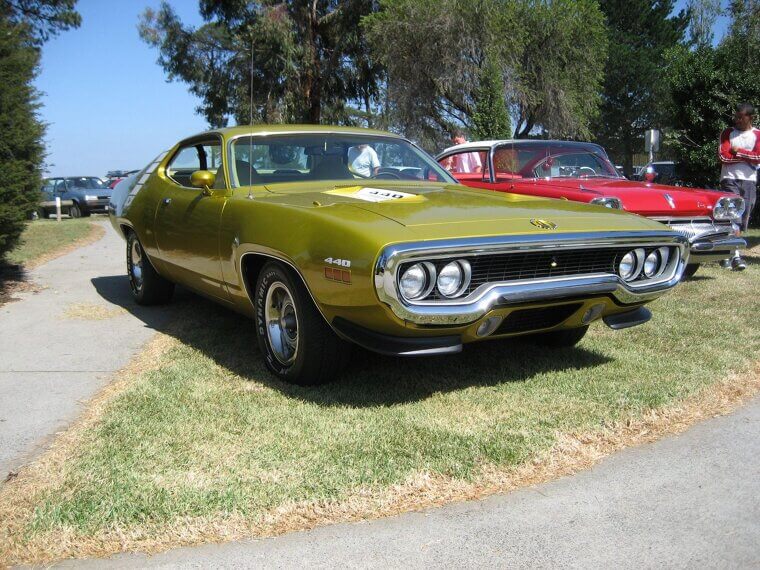
A 1969 Plymouth Road Runner Hemi convertible — one of only 422 built — sold for $440,000 at Barrett-Jackson. The car that was deliberately stripped of luxury to keep costs down became one of the most valuable muscle cars in existence. Beep beep, indeed.