
Even well-known SUVs can hide problems beneath the surface, and mechanics understand exactly how they work. Here’s a list of models professionals tend to steer clear of—and the reasons you might want to avoid them too.
Cadillac Escalade
With an SUV, you expect it to handle pressure without trouble, but the Escalade just doesn’t deal with that kind of stress very well. The brakes wear out and the suspension struggles, but not in the way you would want. It’s sold as a luxury vehicle, yet it often fails to deliver the tough reliability people expect from an SUV in this class.
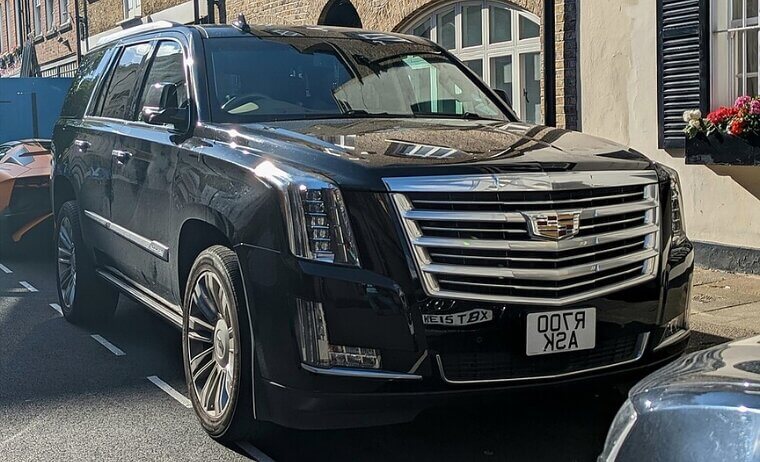
Add in its long record of poor reliability ratings, expensive maintenance, and constant electronic problems, and mechanics say you’re better off choosing almost anything else instead.
Land Rover Discovery
Land Rover is known for building strong off-road vehicles, and the Discovery definitely lives up to that reputation. However, it often comes with many small mechanical problems, especially in its electrical systems and suspension, and it’s also known for oil leaks, making upkeep costly.
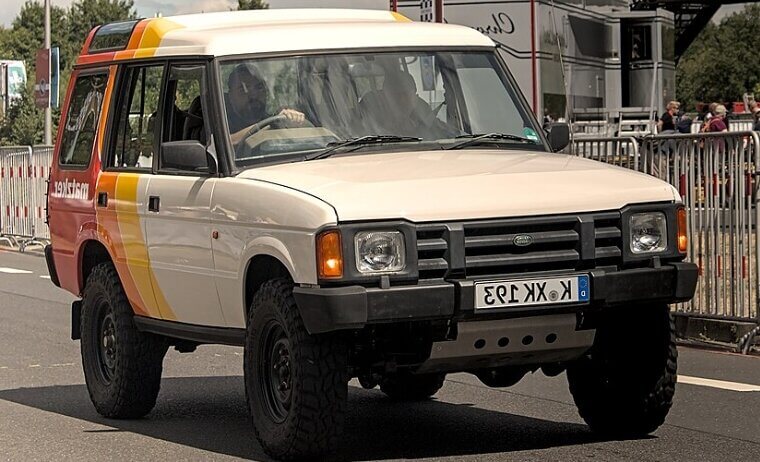
Even simple fixes can quickly turn into expensive repairs, since parts can be hard to find and many systems need specialized work. In the end, owning one can become a frustrating and expensive experience for many drivers over time.
BMW X5
While the BMW X5 has a luxury feel, it definitely has its share of problems. For starters, the transmission is known to fail, and the cooling system is also prone to trouble, so repairs can cost a small fortune. On top of that, its complex design makes even regular maintenance harder and more expensive.
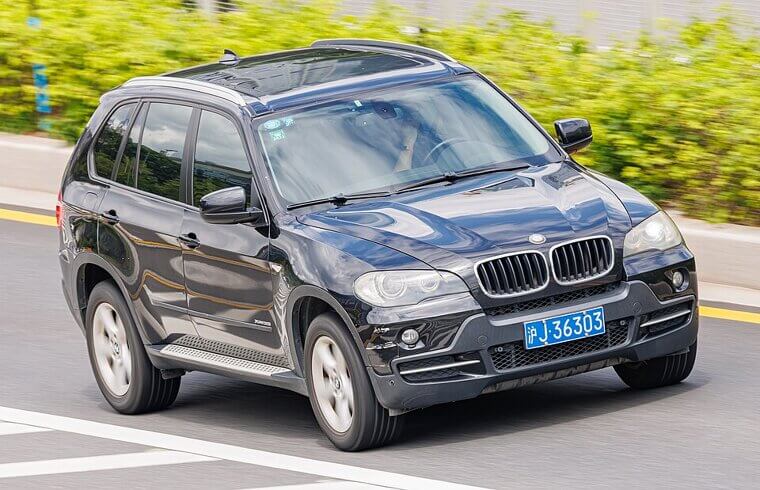
Mechanics often warn buyers about long-term ownership costs, pointing to repeated part failures that can turn this luxury SUV into a burden.
Mercedes-Benz G-Class
When you drive a Mercedes-Benz, it feels like you’ve made it big. But that feeling comes at a price, because the engine and suspension are not especially reliable. Once you factor in the very high cost of replacement parts, it often doesn’t feel worth it. Repairs can also take a lot of time and money, especially without warranty coverage.

Many mechanics say that unless you’re truly devoted to the brand, the G-Class delivers more status than usefulness over time.
Jeep Grand Cherokee
While newer versions are much stronger, older Jeep Grand Cherokees were known for constant issues with electrical problems. They weren’t built to today’s standards, and their transmission also tends to suffer because of that. Many owners ended up dealing with ongoing trouble in the wiring, onboard systems, and drivetrain, which can all lead to serious reliability problems.
_Washington_DC_Metro_Area,_USA_(8).jpg)
Mechanics often warn buyers that these older models can turn into money pits, needing constant repairs just to keep them running.
Audi Q7
If even professionals avoid the Audi Q7 because of its issues, it may be worth thinking twice before buying one. Fixing problems like oil leaks, electrical faults, and suspension failures can be both expensive and complicated, and they are not things most people can handle on their own. The vehicle’s design is so complex that even small issues often require dealer-level tools and diagnostics, which quickly increases repair costs.
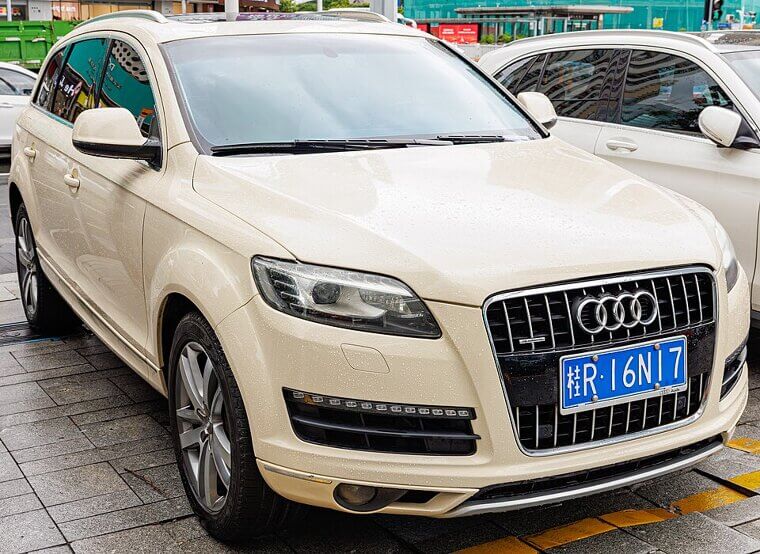
For mechanics, it’s a vehicle that needs too much work for too little return, especially once the warranty period is over.
Chevrolet Traverse
Those familiar with the Chevrolet Traverse will tell you that models with the 3.6L V6 engine are some of the least reliable. They often deal with costly problems, and transmission issues can quickly drain your wallet. Timing chain failures, coolant leaks, and early engine wear are just a few of the common issues that many owners end up facing.
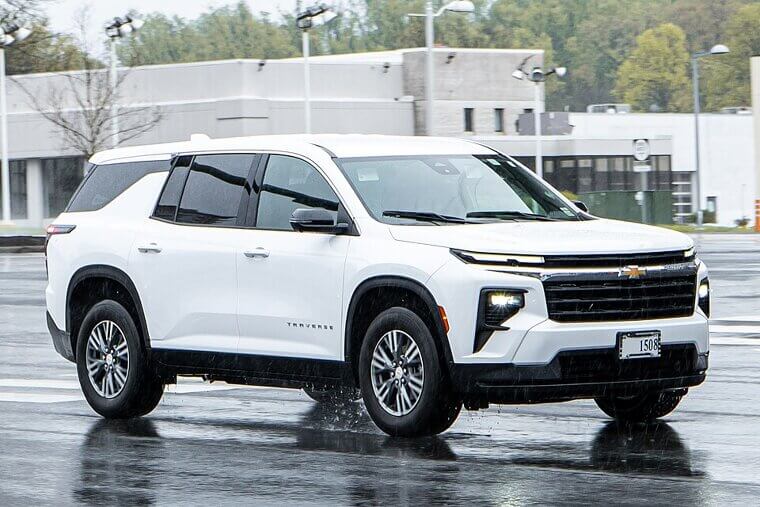
Mechanics often suggest avoiding the Traverse completely, especially if you want a vehicle that won’t spend most of its time in the shop.
Nissan Pathfinder (2013–2016)
If you’re trying to sell a Nissan Pathfinder from this generation, you may have a hard time getting a fair price, since they are well known for serious CVT transmission issues. Problems like shaking, slipping, and complete failure are fairly common, and replacing the transmission can cost thousands. Mechanics are very familiar with these problems and usually recommend avoiding long-term ownership because of how often they occur.
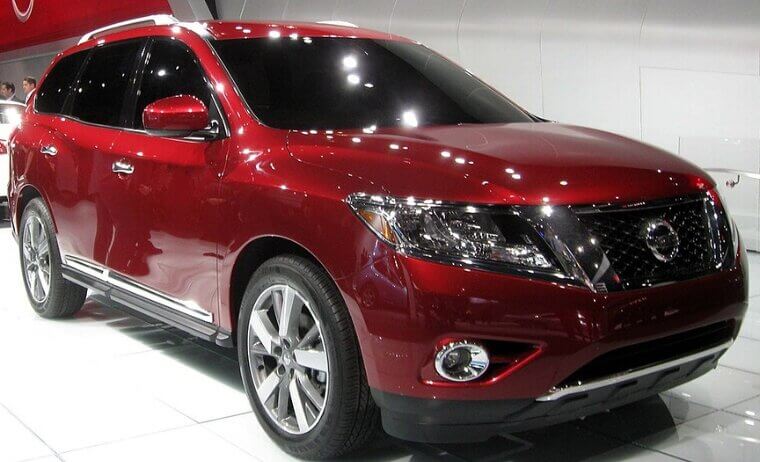
Even if everything else seems fine, that one major issue can turn the entire vehicle into something you regret buying.
Ford Explorer (2011–2019)
Ford is usually known for making solid vehicles, but every brand has its weak points—and for Ford, it’s the 2011–2019 Explorer. It comes with several issues, including faulty door latches, failing transmissions, and cooling system problems, and many of these need repeated repairs. These ongoing issues have frustrated both owners and mechanics, who are very familiar with the time and money needed to keep these SUVs running properly over time.
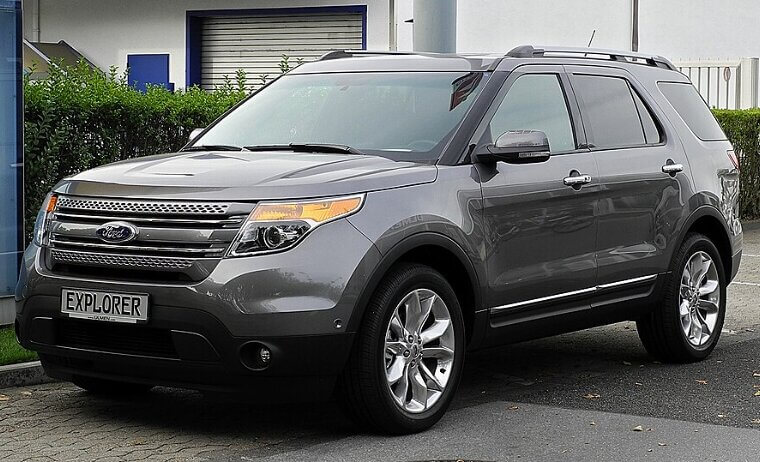
Because of how often these problems show up, many experts recommend avoiding this model altogether.
Dodge Durango
Some problems in vehicle design seem to stick around, and the Dodge Durango is a good example of that. Transmission trouble is one of the main issues, along with problems in the cooling system. It also has a tendency to develop electrical faults. These problems are not rare either—many owners report dealing with the same expensive repairs again and again, even when the vehicle doesn’t have very high mileage.
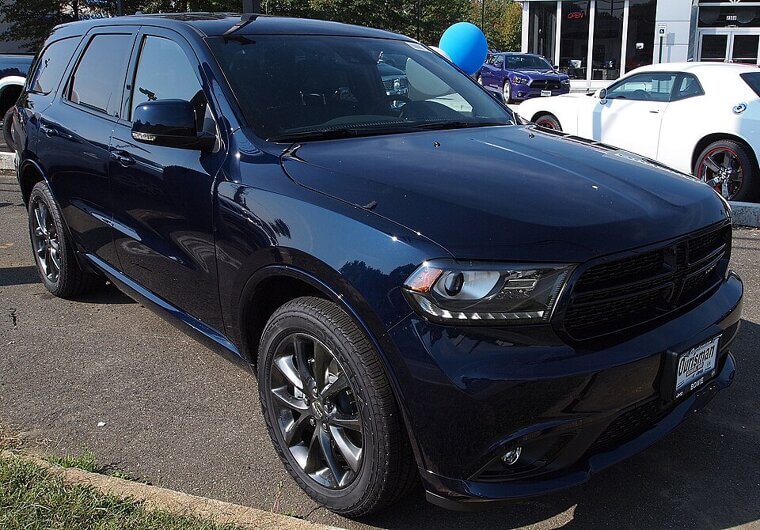
Mechanics often point out that the Durango requires too much maintenance for what it offers, making it a less appealing choice overall.
Toyota Highlander (2008–2013)
Toyota is known for reliability and long-lasting vehicles, but even they have some misses. This version of the Highlander is one that may leave you disappointed. The main issues involve the transmission and suspension, and the power steering can also fail over time. Owners have reported rough shifting, uneven handling, and early wear on important parts that can be expensive to fix.
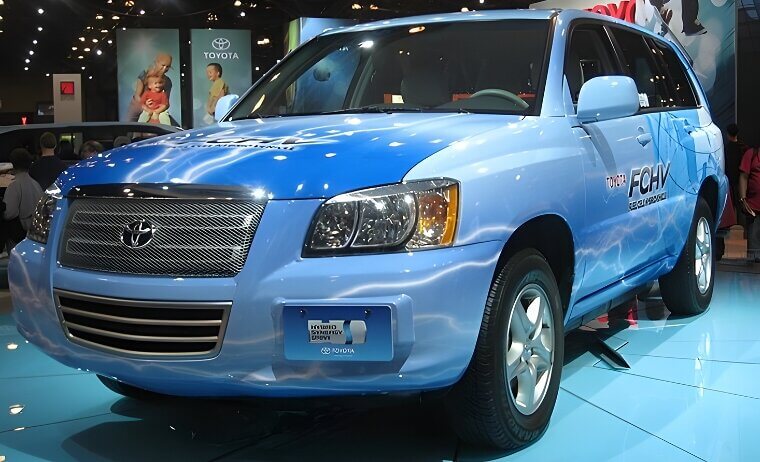
While it’s not the worst SUV out there, mechanics agree it doesn’t meet the strong reliability people usually expect from Toyota.
Volkswagen Touareg
Mechanics often avoid the Volkswagen Touareg because repair costs can add up very quickly. The fuel system, air suspension, and timing chain tensioner are all known trouble spots that make this SUV more expensive than expected. Even smaller repairs usually need specialized labor and parts that are not easy to find, which increases the cost even more. Over time, these repeated problems can make ownership frustrating and expensive.
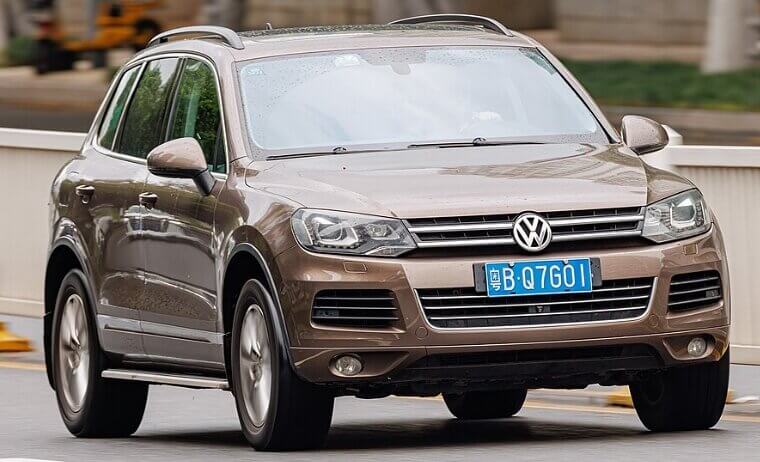
It may look stylish and perform well when everything works, but for many mechanics, it doesn’t justify the high maintenance costs in the long run.
Hyundai Santa Fe (2007–2012)
The 2007–2012 Hyundai Santa Fe is priced fairly low, which makes it a tempting option for many buyers. However, some versions come with very expensive problems that can cancel out those early savings. The engines—especially the 2.7L V6—are known for costly failures. Common issues include oil leaks, timing chain problems, and engine knocking, all of which can lead to major repairs or even full engine replacement.
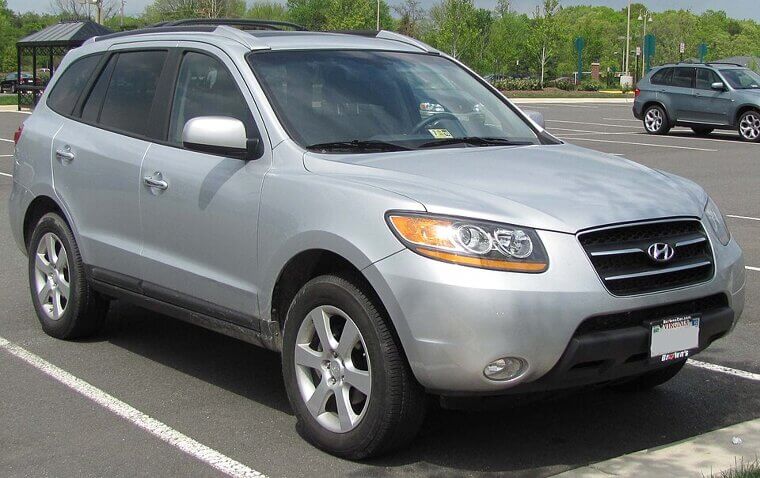
Mechanics often point out that while it may seem like a good deal at first, the long-term costs can rise quickly and become a serious financial burden.
Mitsubishi Outlander
The Mitsubishi Outlander already has expensive parts to replace, but that’s not its only issue. It also struggles with transmission problems, and the engine is known to stall often. On top of that, the frame is prone to rust over time. These are not small problems—they can lead to repeated and costly repairs that quickly add up. Many owners also report early signs of wear and corrosion that make the vehicle harder to maintain.
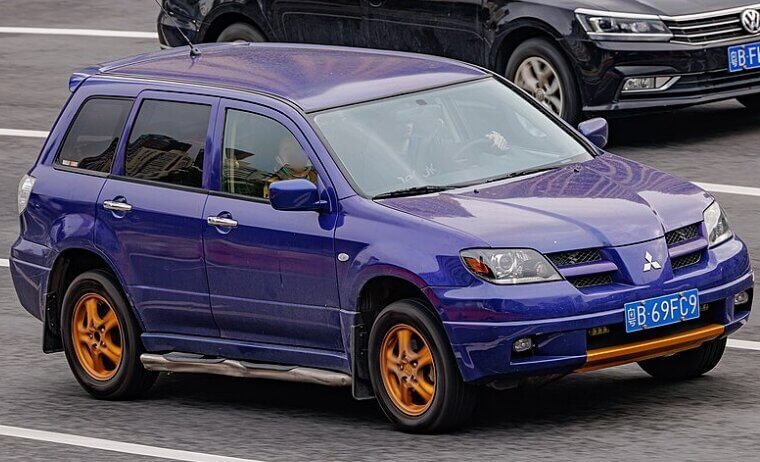
Mechanics agree that even though it looks affordable at first, the Outlander often ends up causing more trouble than it’s worth over time.
Lexus RX (2007–2015)
Unfortunately, this generation of the Lexus RX runs into several mechanical problems—and it can feel very real once steering issues start showing up. The air suspension is another weak point that doesn’t meet the usual Lexus standards and often needs expensive repairs. These problems hurt the brand’s reputation for reliability and lead to more frequent fixes than expected. Even experienced owners are often surprised by how costly maintenance can become.
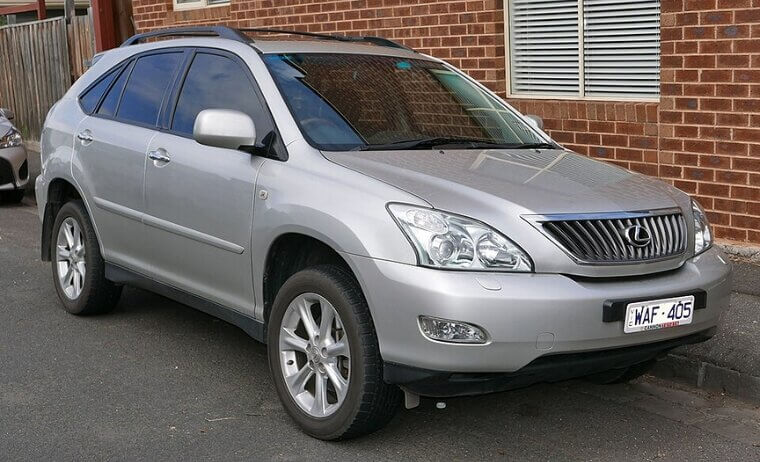
Mechanics often point out that luxury doesn’t always mean durability, and in this case, it definitely doesn’t mean low ownership costs.
Range Rover Evoque
There’s no question that the Evoque is a beautiful SUV. However, it comes with plenty of problems. Issues can come from oil leaks, electrical system failures, or even trouble with the turbocharger. These aren’t rare cases either—many owners and mechanics report a long list of costly and repeated problems that make it difficult to rely on over time.
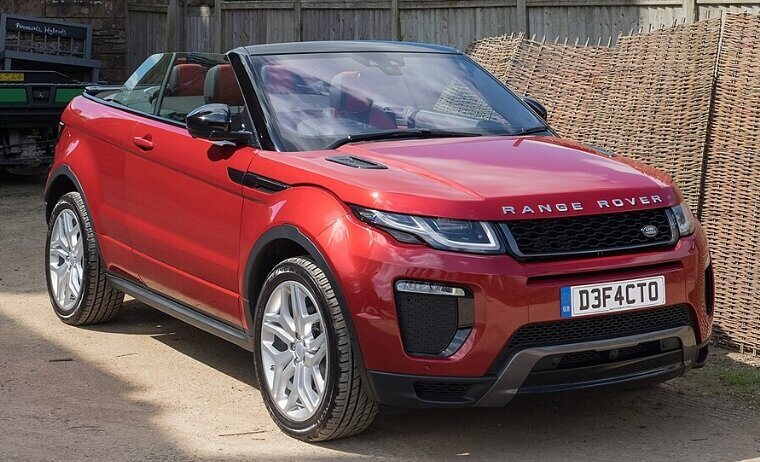
It may look great on the outside, but under the hood, the Evoque is often a headache that many people would rather avoid completely.
Infiniti QX60
As much as the Infiniti QX60 tries to impress, it’s hard to overlook its problems. The biggest issue is its CVT transmission, which tends to fail over time, but there are also cases of steering rack problems that make it even more expensive to maintain. These issues often show up earlier than expected, leaving owners frustrated and dealing with high repair costs much sooner than they planned.
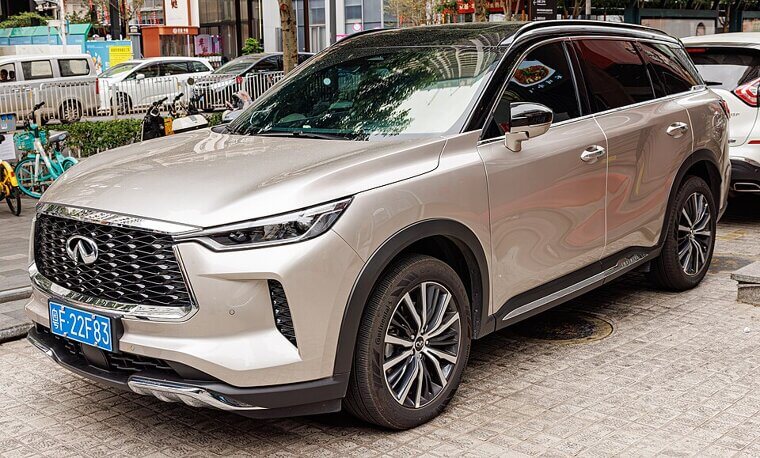
Mechanics often warn buyers that despite its upscale look, the QX60 doesn’t provide the reliability or long-term value that its price would suggest.
Chrysler Pacifica (2017–2020)
The Chrysler Pacifica seems to have a long list of problems. Maybe not endless, but close enough. Its electrical system has a tendency to fail, often causing short circuits, and the transmission isn’t very dependable either. These problems can appear earlier than expected, and they’re more than just small annoyances. Mechanics often deal with repeated complaints, ranging from sudden shutdowns to rough shifting that affects how the vehicle drives and performs.
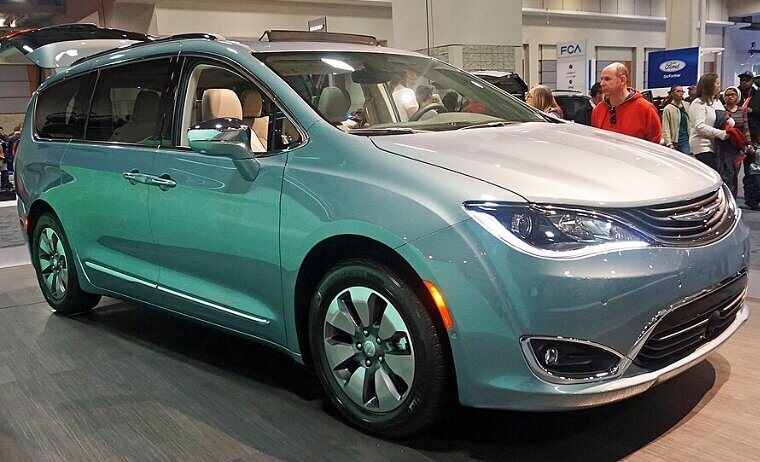
Because of this, the Pacifica can end up being more unpredictable and expensive to maintain than many families are willing or able to handle.
Subaru Outback (2005–2009)
With a name like Outback, you would expect a strong and durable vehicle that can handle tough conditions. Unfortunately, this model doesn’t live up to that expectation. The transmission has known issues, and it’s also well known for head gasket leaks. The subframe can rust over time as well. These problems are not rare either—many mechanics see the same issues again and again with this generation.
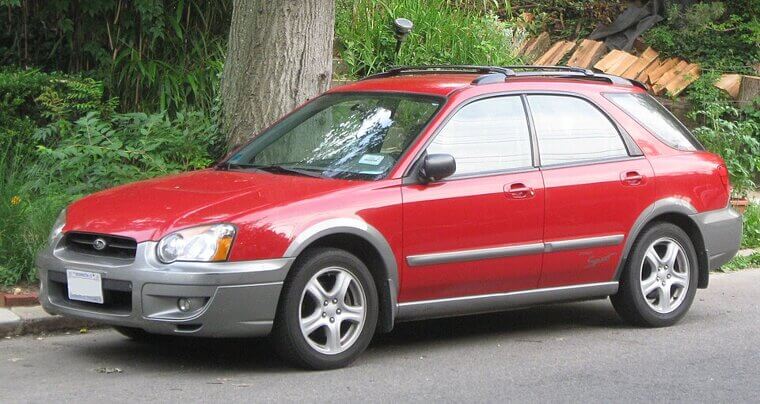
Even loyal Subaru owners admit this version missed the mark, and mechanics usually suggest looking for more dependable options instead.
Jeep Wrangler (2012–2018)
The 2012–2018 Jeep Wrangler has plenty of fans, especially among off-road enthusiasts, but it also comes with issues that can stop it from running properly. Transfer case failures are one of the most common problems, and the transmission can sometimes overheat. These issues often happen at the worst times, especially during tough driving conditions. Repairs are also expensive, and parts are not always easy to find when needed.
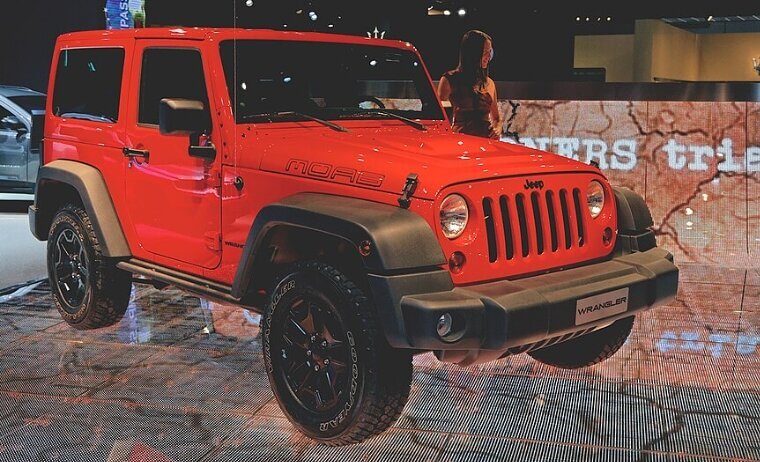
Mechanics often say that while the Wrangler performs well off-road, it struggles when it comes to long-term reliability and overall durability.
Kia Sorento (2011-2013)
While regular engine maintenance is important for any vehicle, some models demand even more attention than others. The Sorento is one of them, especially if it comes with the 2.4L 4-cylinder engine, which can fail completely. Problems like engine seizure, heavy oil consumption, and ticking sounds are warning signs that often appear much earlier than expected, making ownership frustrating for many drivers.
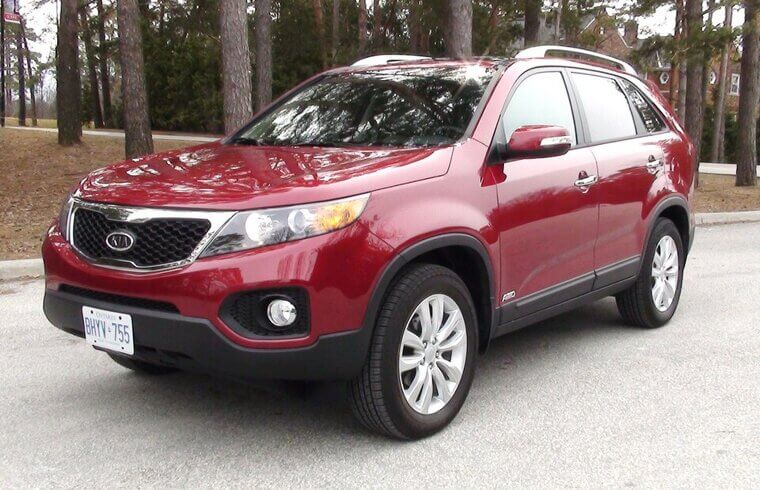
Mechanics often explain that these engine problems are not just inconvenient—they can be very expensive and may leave the SUV nearly worthless without major repairs.
Ford Edge (2010–2014)
The 2010–2014 Ford Edge models definitely live up to their name—but not in a good way. They suffer from a wide range of transmission problems, including gear slipping, cooling failures, and rough shifting. These issues can make driving stressful and unpredictable. If that’s not enough, the problems can get worse over time and lead to major breakdowns if they are not fixed early.
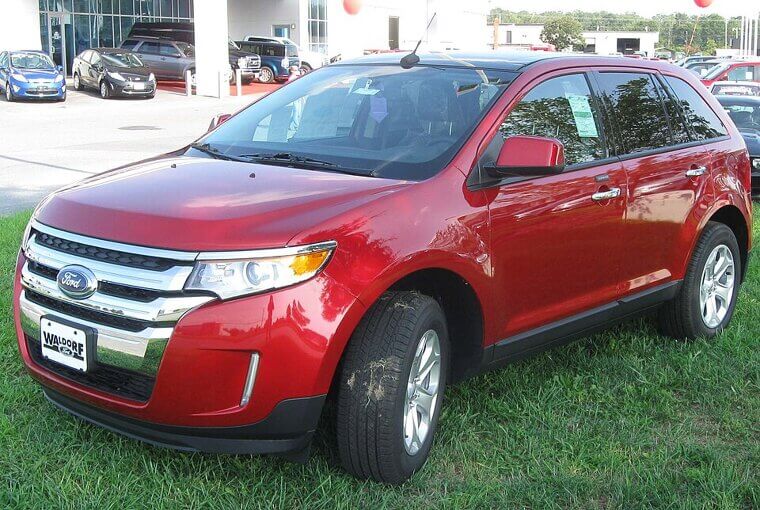
Mechanics often deal with frustrated owners facing high repair costs, and many recommend choosing a different midsize SUV if you want something that lasts longer.
Toyota 4Runner (2003–2009)
If you’re thinking about buying an older 4Runner to save money, the 2003–2009 models may not be the best choice. The suspension is known to wear out quickly and isn’t very reliable, and the frame can develop serious rust issues. These problems are well known and can affect both safety and handling, making the vehicle harder to trust over time.
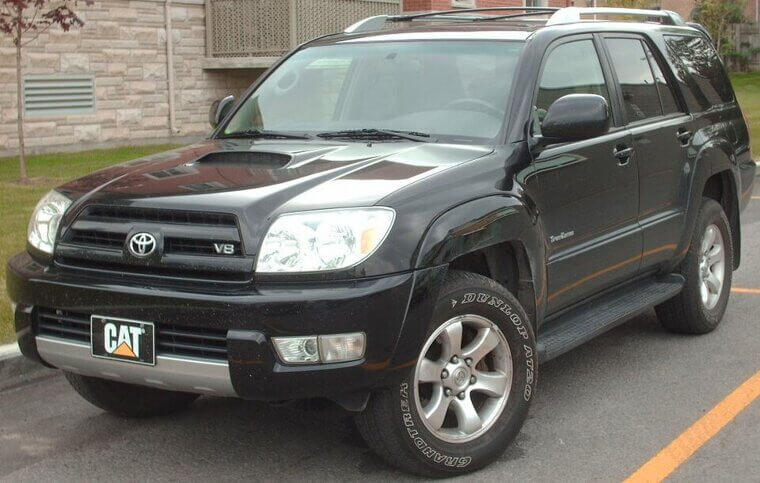
Mechanics often advise being careful, since fixing suspension problems and rust damage can be very expensive and may end up costing more than the SUV is worth.
Nissan Murano (2009–2014)
The Nissan Murano from this generation has ongoing issues that show up so often they can feel overwhelming. The most common problems are CVT transmission failures and engine oil burning. These aren’t rare problems either—they happen frequently and can be very costly for owners. The transmission, in particular, tends to wear out much sooner than expected, leading to expensive replacements and ongoing frustration.
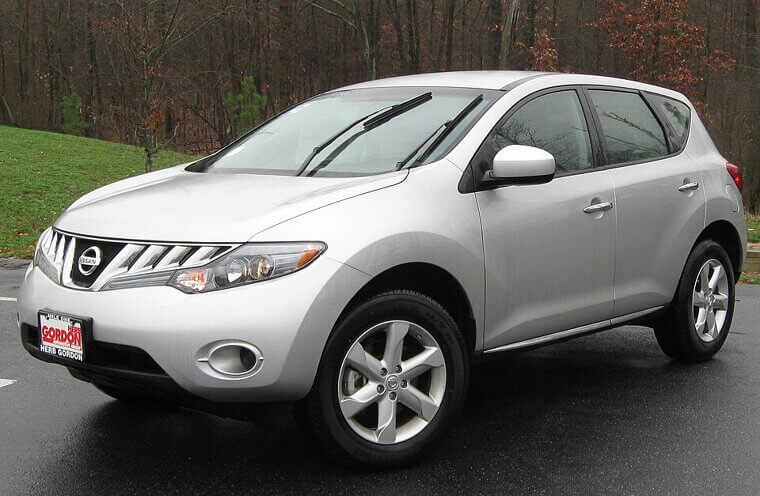
Mechanics often see this model as more of a problem than a reliable vehicle, especially once it is no longer covered by warranty.
Audi Q5
The Audi Q5 is built as a luxury SUV, but you’ll need a strong bank account to keep it running properly. It has ongoing issues with its electrical systems and suspension, and oil leaks are another common problem. These issues often appear before the vehicle reaches high mileage, and fixing them usually requires specialized tools and expensive parts, making repairs more difficult and costly.
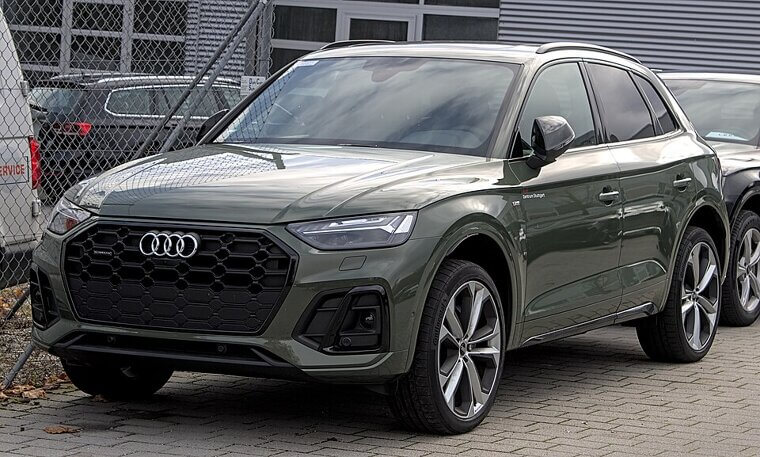
Mechanics often warn that behind the luxury badge, ownership can be frustrating and expensive, with repair costs that rarely feel worth it.
Ford Flex
The Ford Flex is designed as a family SUV, so you would expect it to be reliable, but that’s one area where it falls short. It has problems with the transmission, occasional engine stalling, and braking concerns. These issues tend to happen repeatedly, creating frustration for both owners and mechanics. Since safety is especially important for families, these problems make it a less dependable choice overall.
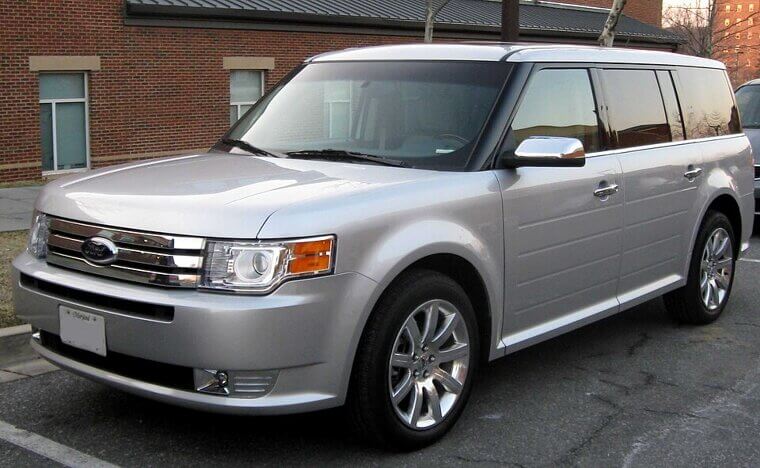
Even with its roomy interior and unique style, the Flex often lacks long-term durability, which makes many careful buyers think twice before choosing it.
BMW X3 (2004–2010)
The 2004–2010 BMW X3 models deal with the same kind of electrical issues many vehicles have, but in this case, the repairs can be very expensive. On top of that, problems with the cooling system and timing chain tensioner add even more to the cost. These issues don’t just come from normal wear—they often show up earlier than expected and require costly repairs and specialized labor.
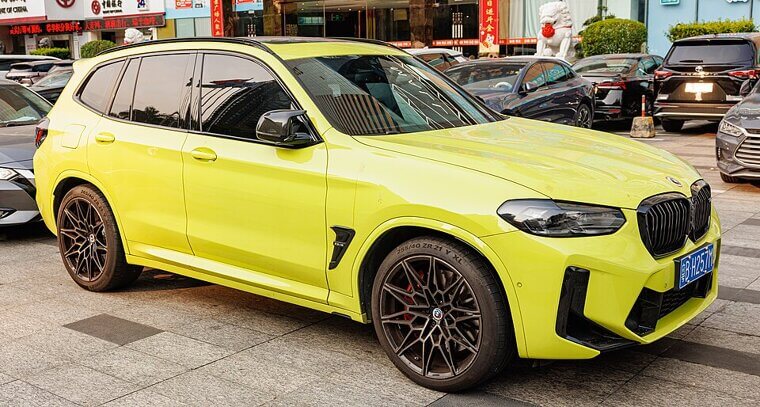
Mechanics often say that while the X3 may seem like an affordable way to own a BMW, the long-term maintenance costs are anything but cheap.
Honda Pilot (2003–2008)
In a rare case for Honda, the Pilot from this generation doesn’t live up to the brand’s usual reputation. Earlier models lacked the refinement seen in newer versions, and it shows through their problems. The transmission and V6 engine are the main trouble areas. Issues like rough shifting, torque converter failures, and early engine wear are common complaints that mechanics hear all the time from owners.
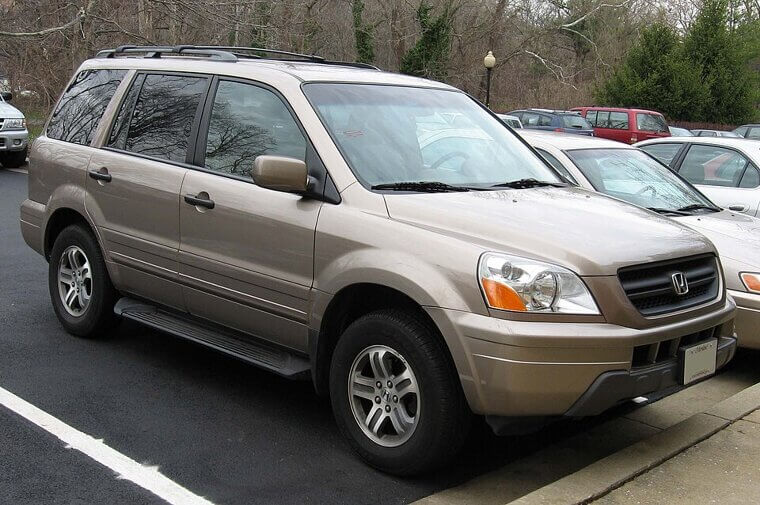
For a brand known for reliability, this model stands out in a bad way and often leads to repeated repairs that can get expensive over time.
Chevrolet Suburban (2007–2014)
Most large and powerful vehicles are expected to be dependable, but the Suburban doesn’t always meet that expectation. While it has the strength for towing and hauling, it may struggle to keep that performance over time because of unreliable transmission issues and weak braking. It also uses a lot of fuel. Many owners end up dealing with high maintenance costs and poor fuel efficiency, making it less practical for long-term use.
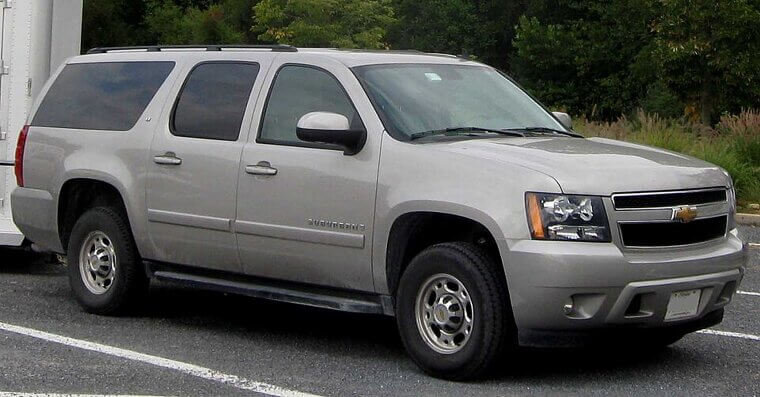
Mechanics often point out that despite its size and capability, owning one long term can be expensive and stressful, especially for those on a budget.
GMC Acadia (2007–2012)
The GMC Acadia is known for having transmission problems, but that’s not the only issue. Mechanics also avoid it because of its power steering failures and problems with the fuel system, which can be expensive to fix. These issues don’t just happen once—they often appear together, leading to a series of costly repairs that build up over time and make ownership difficult.
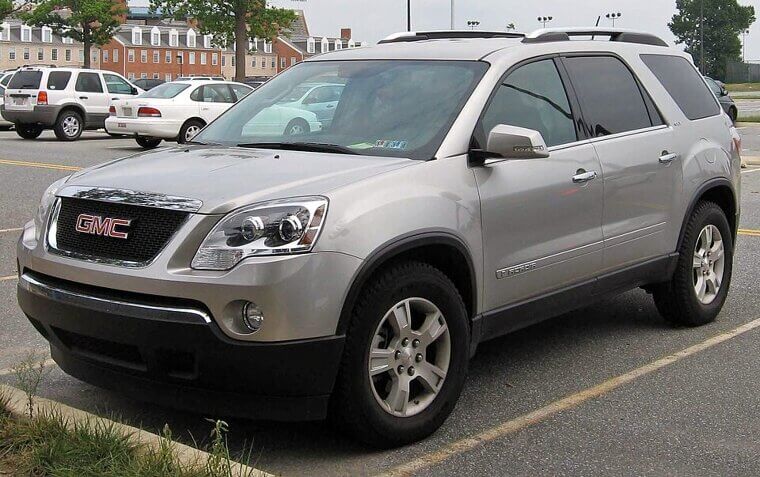
Many mechanics warn against buying this generation, since the constant problems can wear down both your patience and your wallet faster than expected.
Jeep Cherokee (2014–2019)
Much like the Jeep Grand Cherokee, the Jeep Cherokee has several problems that make it less appealing to informed buyers. One of the main issues is the 9-speed transmission, which is known for shifting problems. In addition, both the electrical system and engine can break down often. These problems can appear early in the vehicle’s life and are usually difficult to fix without help from a dealership.
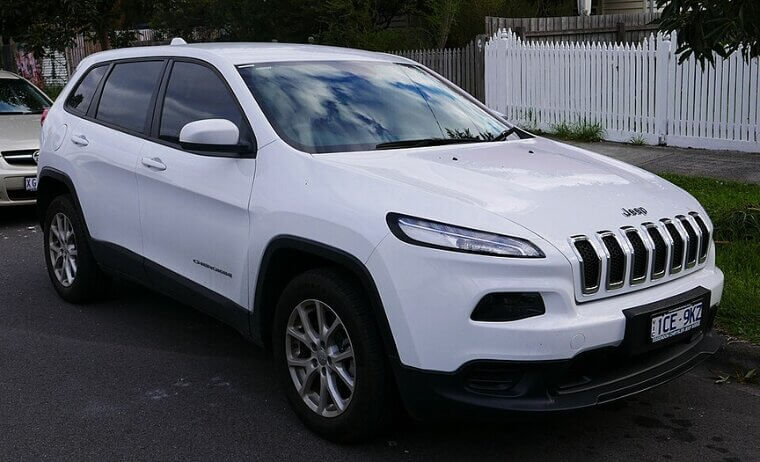
Mechanics often say the Cherokee requires too much maintenance, making it a frustrating option for owners expecting the usual reliability associated with Jeep vehicles.
Mitsubishi Montero
When it comes to off-road vehicles, the Mitsubishi Montero may have more issues than it’s worth. Even though it is meant to be a dependable SUV, it doesn’t hold up well over time. Problems with the electrical system and transmission can keep it off the road more often than expected. Many owners also report repeated failures, from sensors to shifting issues, which raise serious concerns about its long-term reliability.
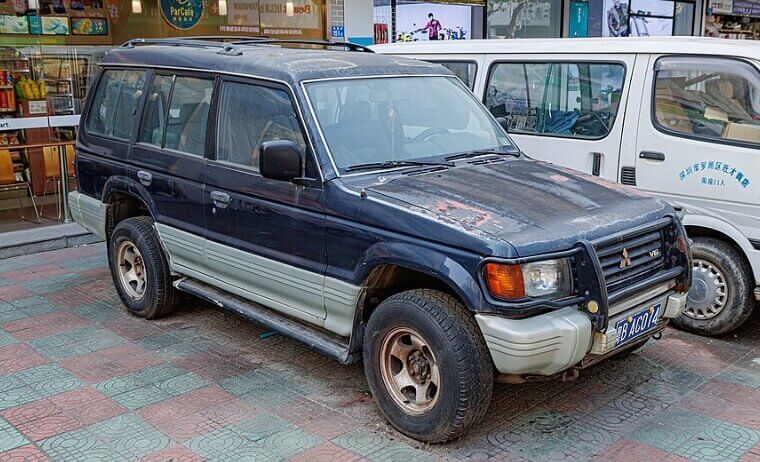
Mechanics usually recommend skipping the Montero, especially for drivers who need a vehicle that can handle tough conditions without constant problems.
Chrysler 300C AWD
As a luxury vehicle, the Chrysler 300C AWD is expected to deliver a smooth and reliable ride, but it often falls short. The engine can stall instead of running smoothly, and the transmission may not perform as it should. These problems can happen without warning, leaving drivers stuck and dealing with expensive repairs. The all-wheel-drive system also adds extra complexity, making maintenance more difficult and costly.
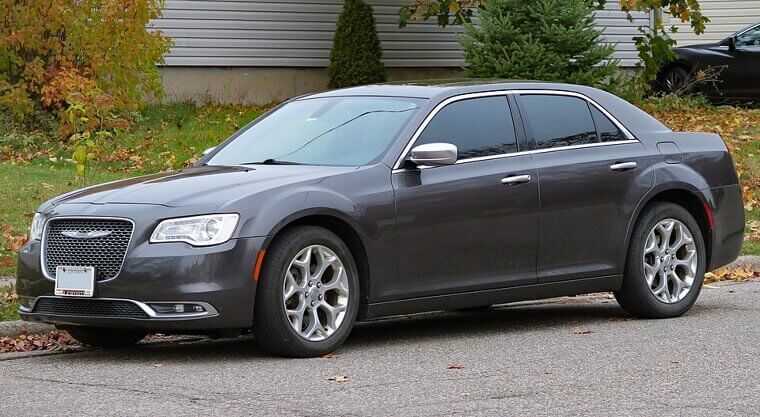
Mechanics often say this model doesn’t live up to expectations, especially when reliability and long-term ownership costs are taken into account.
Nissan Xterra
Older Nissan Xterra models may look tough with their solid and rugged design, but they come with serious problems. The frame is known to rust over time, which can weaken the vehicle. Under the hood, the transmission struggles and the engine is also prone to oil leaks. These issues can show up earlier than expected and tend to get worse quickly, especially if the vehicle is used off-road often.
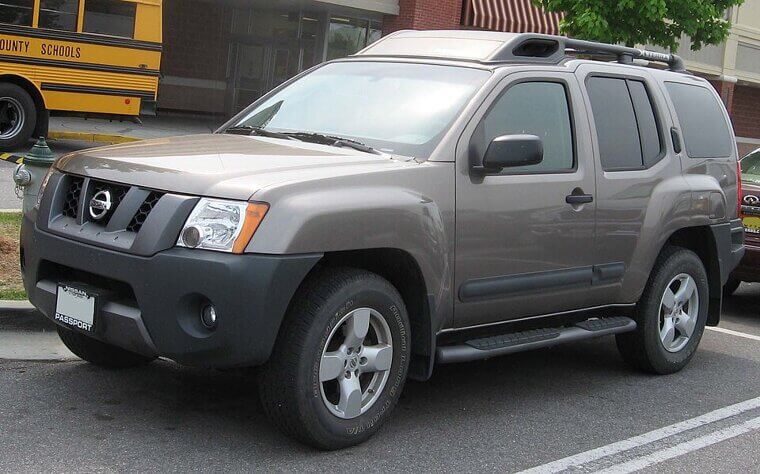
Mechanics often point out that despite its strong appearance, the Xterra can become unreliable and expensive to maintain over time for many owners.
Toyota Sequoia (2001-2007)
The Toyota Sequoia name is usually linked with strength and reliability, but older models don’t always live up to that reputation. These versions can struggle with durability, and some parts wear out sooner than expected. While it still has the size and capability people want, the long-term reliability just isn’t as strong as most buyers would expect from Toyota.
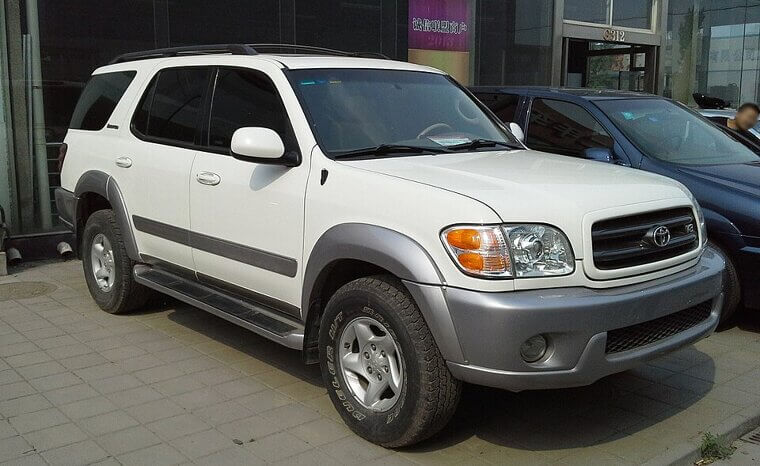
Mechanics often note that while the Sequoia name sounds reliable, this older version doesn’t fully match Toyota’s usual standards for long-term durability.