
Not all classic cars are a goldmine. While some vintage rides sell for six figures at auction, others are stuck in the garage of forgotten dreams. Want to know which classic cars won’t regain their value anytime soon? Keep reading! Whether due to poor performance, design missteps, or market oversaturation, these models have fallen out of favor with collectors. They serve as a reminder that not every old car gets to ride the wave of nostalgia back to glory.
1980 Chevrolet Citation
GM's big front-wheel-drive risk turned into a recall-filled disaster. With awkward handling, rust issues, and forgettable looks, the Citation's reputation fell fast. Although it sold well initially, collectors have since shunned it. It’s a classic only in age, not in desirability or dollars. Even well-preserved examples rarely draw attention at auctions or online listings. Sadly, the Citation has become a symbol of missed potential, and no amount of nostalgia seems likely to bring its value or reputation back to life.
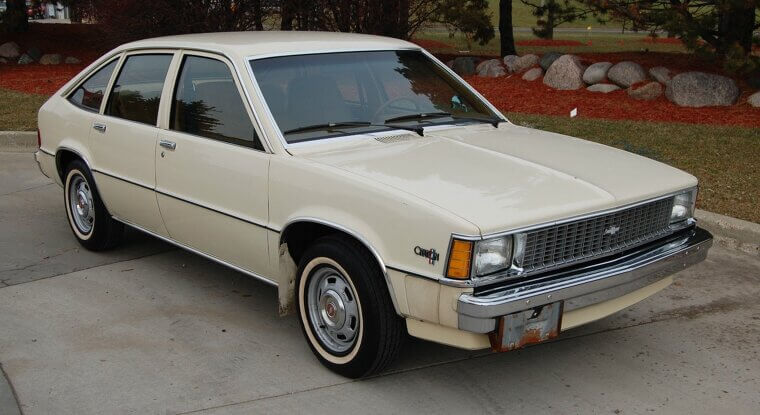
Enthusiasts looking for an era-defining investment prefer to steer clear of this hatchback, leaving it to gather dust. Buyers today look for reliable engineering and iconic styling, two traits this model sorely lacks. It remains an affordable footnote in automotive history rather than a prized, appreciating garage gem.
1975 AMC Pacer
The Pacer is round, weird, and endlessly mocked. Its designers intended it to be futuristic, but it ended up looking more like a fishbowl than forward-thinking. Its quirkiness is not enough to ignore the poor build quality, awful performance, and zero collector demand. While it has a cult following in pop culture, that hasn’t translated into serious value on the classic car market. Even pristine Pacers struggle to fetch meaningful prices, leaving owners with nostalgia — but little payoff.
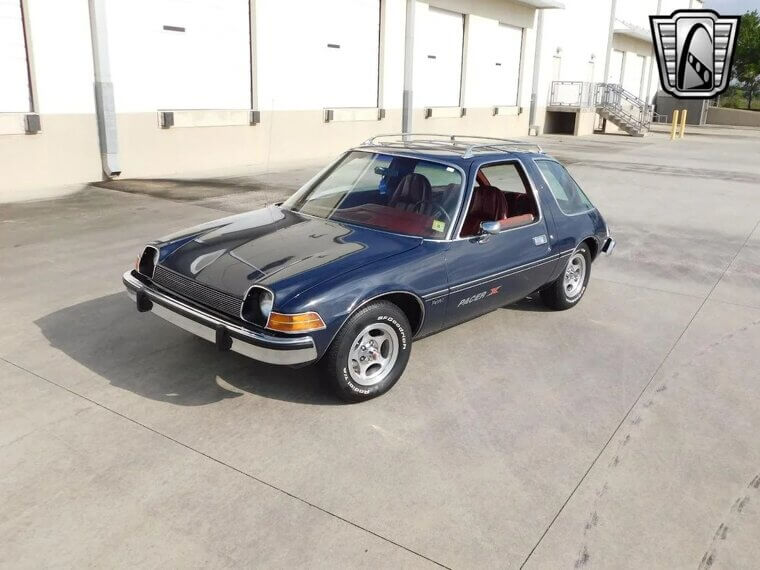
The car's unique layout, featuring a passenger door four inches longer than the driver's door, remains an odd engineering footnote. While it secured a spot in cinematic history thanks to Wayne's World, collectors simply aren't looking to invest heavily in this heavy, underpowered machine. Ultimately, it functions as a quirky conversation starter rather than a smart financial asset.
1982 Cadillac Cimarron
A Caddy in name only, the Cimarron was a badge-engineered Chevy Cavalier in a tuxedo. Its underwhelming engines and uninspired interiors made it the poster child for corporate corner-cutting. Collectors still cringe when they see this one. Despite Cadillac’s luxury reputation, the Cimarron offered little beyond a premium badge, disappointing buyers and damaging the brand’s image. Today, even well-maintained examples struggle to attract interest or value, making it one of the most infamous missteps in Cadillac’s storied history.
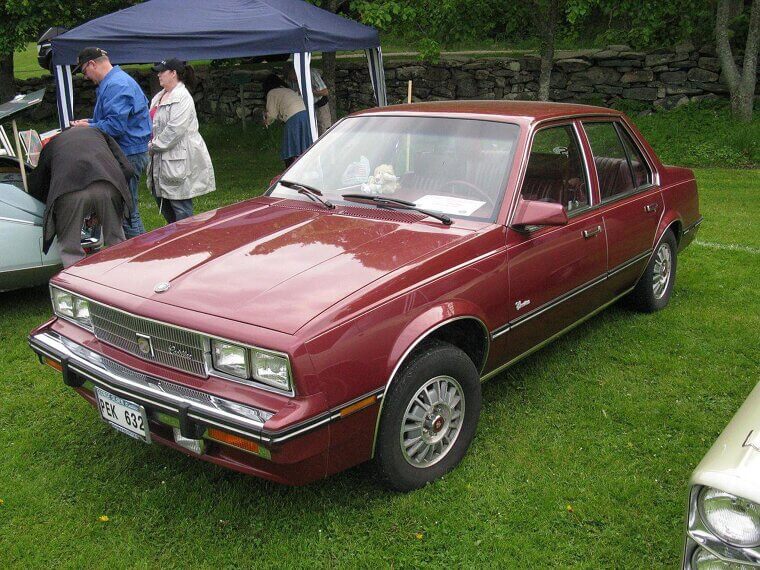
General Motors hoped this compact sedan would rival European luxury imports, but it couldn't hide its humble J-body roots. The lackluster 1.8-liter four-cylinder engine lacked the smooth refinement traditional buyers expected. Because it failed to capture the true essence of premium motoring, values remain low, and it is rarely viewed as a worthwhile project or a smart long-term investment.
1974 Mustang II
Ford downsized the Mustang just in time for the gas crisis, but also killed the muscle. Based on the Pinto, the Mustang II had an identity crisis and a power outage. Despite its retro label, it’s a hard sell to collectors who want horsepower with their nostalgia. Some might appreciate it as a quirky piece of ‘70s history... But its lackluster performance and uninspired styling mean it’s unlikely to ever command serious money or respect on the classic car market.
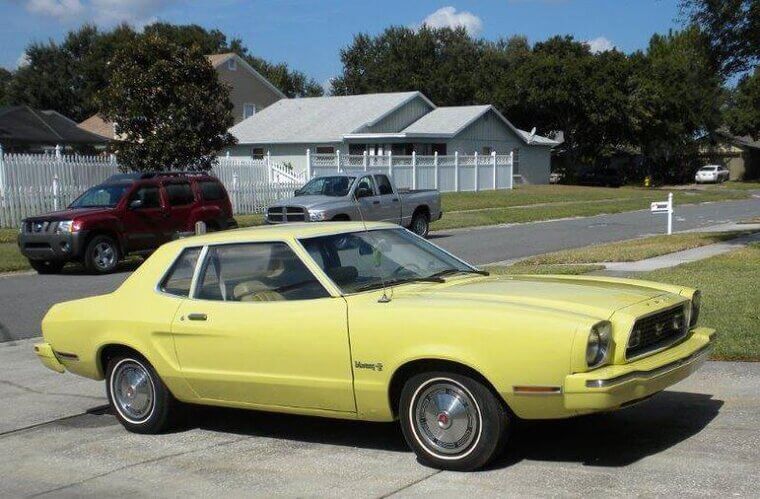
The base engine was a sluggish four-cylinder that felt worlds away from the roaring V8s of the previous decade. Even when a V8 option returned later, federal emissions regulations choked the output significantly. While the model actually sold incredibly well when new because buyers wanted fuel efficiency, modern enthusiasts simply refuse to pay a premium for a pony car built on economy car bones.
1987 Yugo GV
Imported from Yugoslavia and priced like a microwave, the Yugo became infamous for its poor reliability and toy-like build. Even running examples are rare, and not because they’re treasured. It’s the punchline of car jokes, not the star of any serious collector’s garage. While a handful of enthusiasts may keep one for novelty’s sake, the Yugo GV has no meaningful place in the classic car market. Its reputation is so tarnished that value recovery seems permanently out of reach.
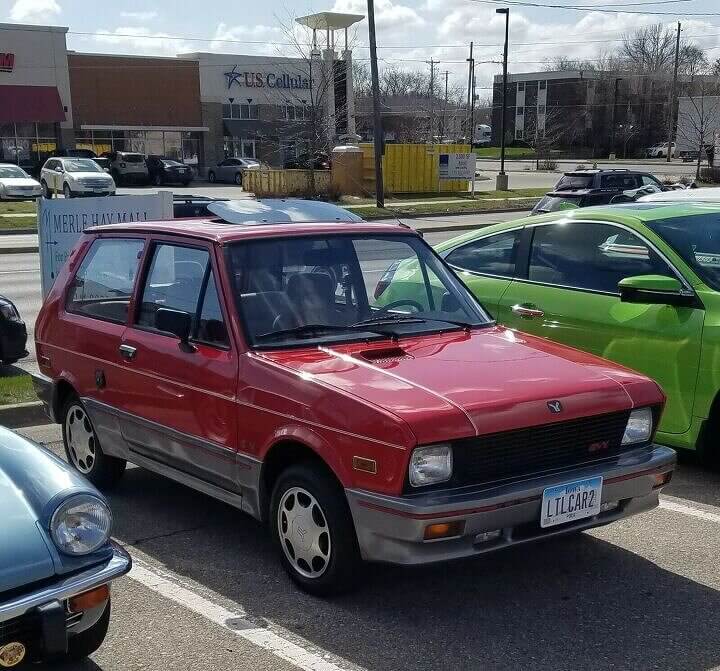
The hatchback relied on a tiny engine that struggled on modern highways, while the interior plastics frequently cracked. Dealerships struggled to provide service, and a lack of spare parts sent most to early graves in scrap yards. It remains an interesting piece of budget-car history, but one that offers zero financial upside for modern buyers.
1981 DeLorean DMC-12
This car is made of stainless steel, features gull-wing doors, and is full of movie magic. But behind the Back to the Future hype lies a sluggish V6 and sketchy build quality. DeLoreans look great in photos, but their actual driving experience is dull. Many people love the idea more than the actual car. While it holds undeniable pop culture status, collectors often pass on it. That's due to high maintenance costs, lackluster performance, and the realization that nostalgia doesn’t equal investment value.
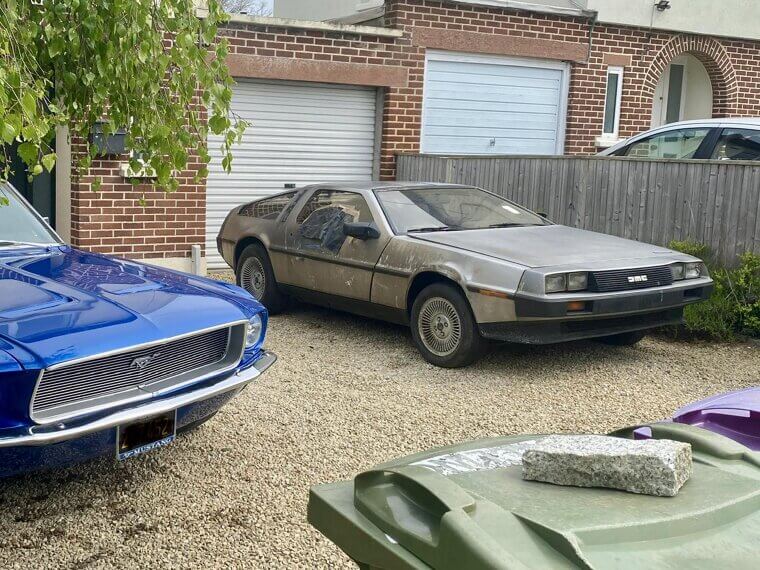
The Peugeot-Renault-Volvo V6 engine put out a disappointing 130 horsepower, making the heavy car feel surprisingly slow on the road. The unpainted panels are also notorious for showing fingerprints and being incredibly difficult to repair if dented. Consequently, prices remain flat because it functions better as a museum piece than a rewarding driver’s car.
1979 Dodge Aspen
The Aspen was praised for a fleeting moment before it was torn apart for quality issues. It had engine problems, alignment issues, and build flaws that made it a warranty nightmare. You’d hardly see anyone restoring this model these days, and their market value is barely hanging on. Even when found in decent condition, Aspens rarely attract interest at auctions or online listings. Sadly, its reputation for headaches outweighs any nostalgic appeal, making it a classic car stuck in decline.
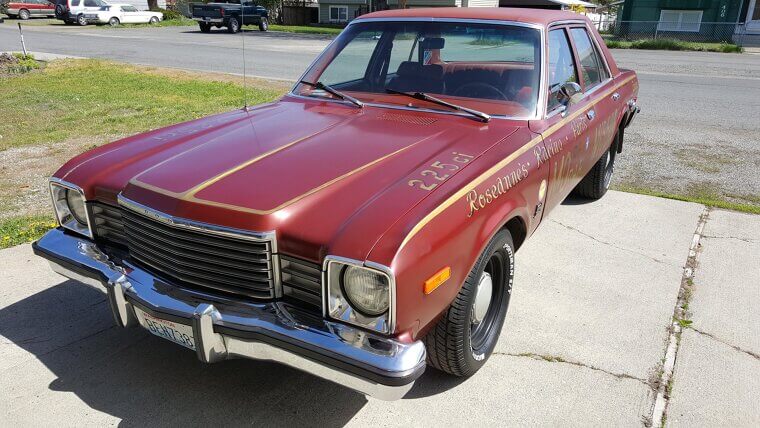
Chrysler rushed the vehicle to production, leading to severe rust problems that physically compromised the fenders and chassis prematurely. A massive wave of early recalls permanently damaged the vehicle's credibility with the public. Because it lacks the high-performance heritage of older Mopar muscle, modern collectors completely bypass it, ensuring prices remain flat.
1980 Triumph TR7
The TR7’s wedge design was polarizing, and so was its reliability. Overheating engines, leaky seals, and electrical hiccups killed its rep. While British car fans still have a soft spot for the TR7, its value is sliding down that slanted hoodline. Even pristine examples struggle to fetch meaningful prices, as most collectors prioritize more dependable or iconic British classics. Despite its unique look and place in history, the TR7 remains a budget curiosity rather than a rising investment star.
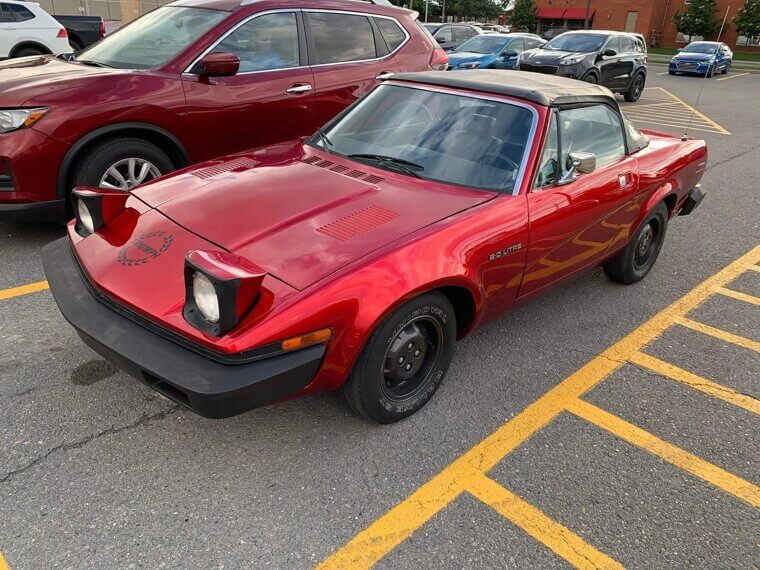
The vehicle was advertised as "The Shape of Things to Come," but British Leyland's build quality issues quickly overshadowed the futuristic marketing. Frequent labor strikes and assembly line disruptions during its production run led to inconsistent manufacturing standards that plagued buyers. Today, the cost of restoring the notoriously finicky Lucas electrical components and cooling systems far exceeds the car's ultimate market value, keeping it firmly grounded.
1976 Chevrolet Chevette
If cheap and forgettable had a mascot, the Chevette would be it. Underpowered and awkwardly styled, it was basic transport and nothing more. Despite being everywhere in the ‘80s, nostalgia hasn’t driven up demand. Most ended up scrapped, and no one’s begging to bring them back. Even well-preserved examples fail to spark collector interest or gain value on the classic car market. It’s remembered more as an economy car relic than a prized piece of automotive history, with no revival in sight.
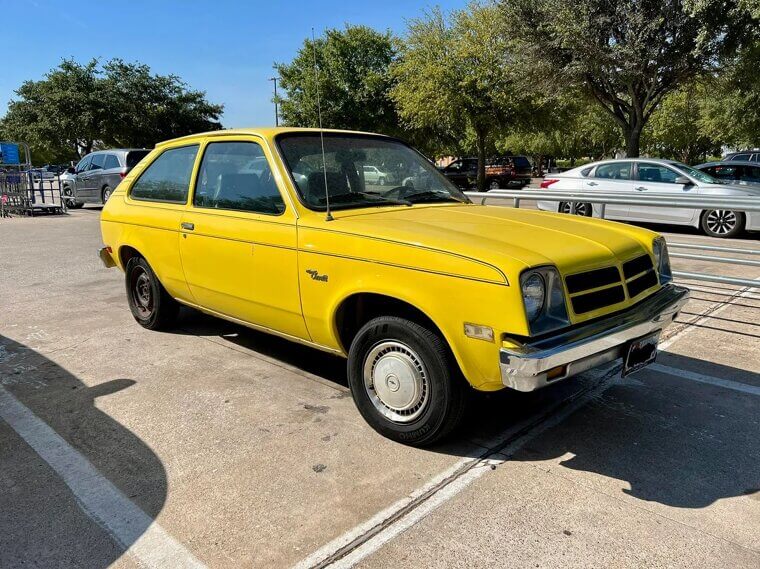
The subcompact relied on an outdated rear-wheel-drive layout while competitors transitioned to front-wheel drive. Its buzzy engine offered sluggish acceleration, and the cabin lacked refinement. Because people treated them as disposable commuter cars, clean survivors are rare, but the complete absence of enthusiast demand keeps prices permanently grounded at rock-bottom levels.
1989 Chrysler TC by Maserati
This one had a Maserati badge, a Chrysler price, and confusion galore. The Chrysler TC was an oddball that aimed for Italian-American luxury and landed somewhere between boring and bizarre. Even collectors of weird cars struggle to justify the garage space or the disappointing price tag. Despite its upscale intentions, the TC’s underwhelming performance and awkward styling left it stranded in automotive limbo. Today, it’s more of a curiosity at car shows than a serious investment piece in any collection.
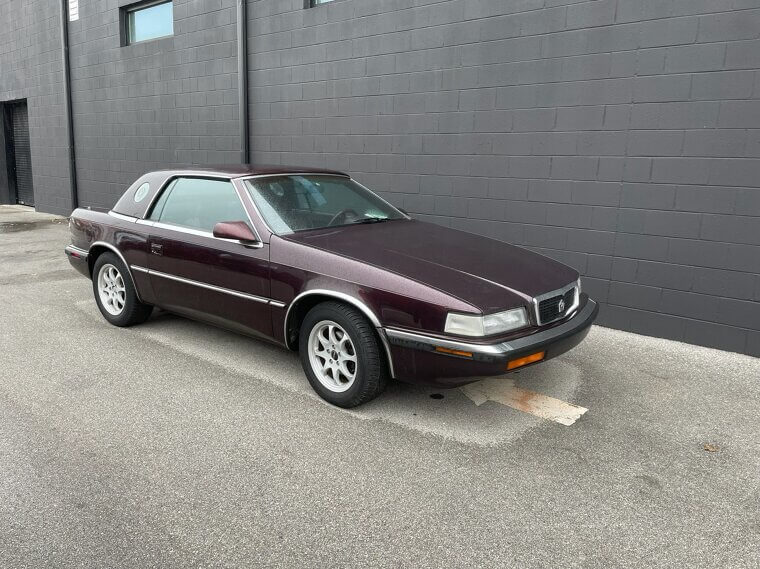
Built on a modified K-car platform, it looked far too similar to the much cheaper Chrysler LeBaron. Disappointed buyers refused to pay a premium price for everyday running gear, despite the fancy Italian assembly. Because it lacks genuine performance heritage, market values remain completely flat, making a modern financial turnaround highly unlikely for automotive enthusiasts.
1977 AMC Matador Coupe
The Matador Coupe set out to be sporty and daring, and instead ended up bulky and confused. It had strange lines and unexceptional performance, and is mostly remembered for its Police Squad cameos. AMC fans are niche enough, and this one still doesn’t make their top 10. Even within AMC circles, the Matador Coupe struggles to attract love or value. While quirky in its own right, it lacks the collector appeal or performance chops needed to spark a meaningful comeback.
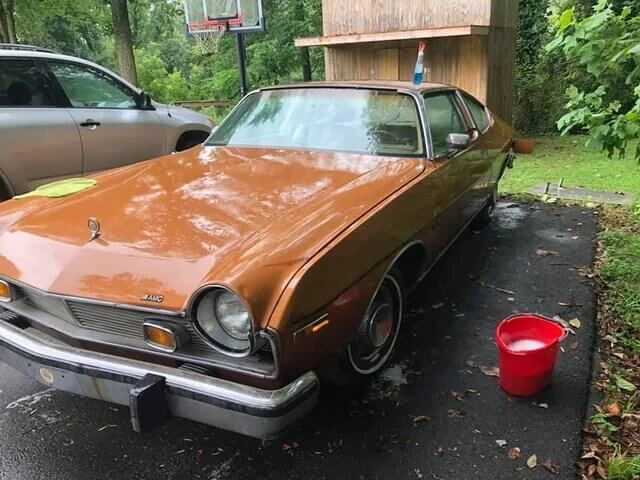
The oversized federally mandated bumpers only added to its heavy appearance, throwing off the sweeping fastback proportions. Despite its prominent styling overhaul by Richard Teague, mainstream buyers favored sleeker competitors. Today, replacement body parts are incredibly difficult to source, discouraging restoration hobbyists. Consequently, it remains a budget curiosity rather than an appreciating classic asset.
1984 Pontiac Fiero
The Fiero was a cool idea, but it had a rough start. It promised mid-engine fun, but early models were slow, poorly built, and prone to literally catching fire. GM fixed the issues later on, but the damage was done. Today, it’s more curiosity than classic, and resale values have never really ignited. A small fanbase keeps them alive at local shows. But most buyers shy away, knowing that the Fiero’s reputation still overshadows its later improvements and potential.
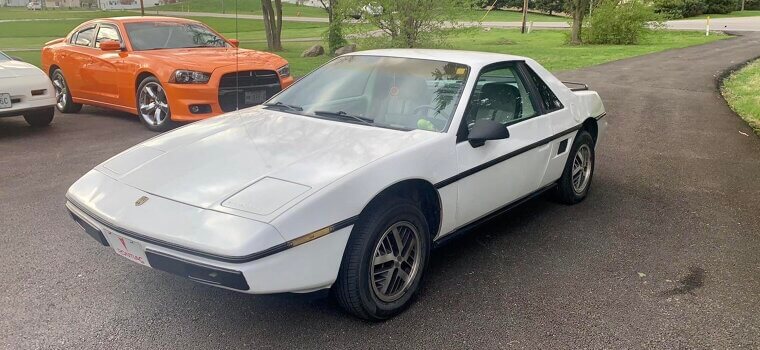
To save development costs, Pontiac famously borrowed parts from the humble Chevette for the front suspension and steering setup, which severely hindered its performance out of the gate. The lackluster four-cylinder "Iron Duke" engine also failed to deliver the sports car thrills drivers expected from a mid-engine layout. Because those early reliability headlines permanently scarred the car's image, market values remain incredibly flat.
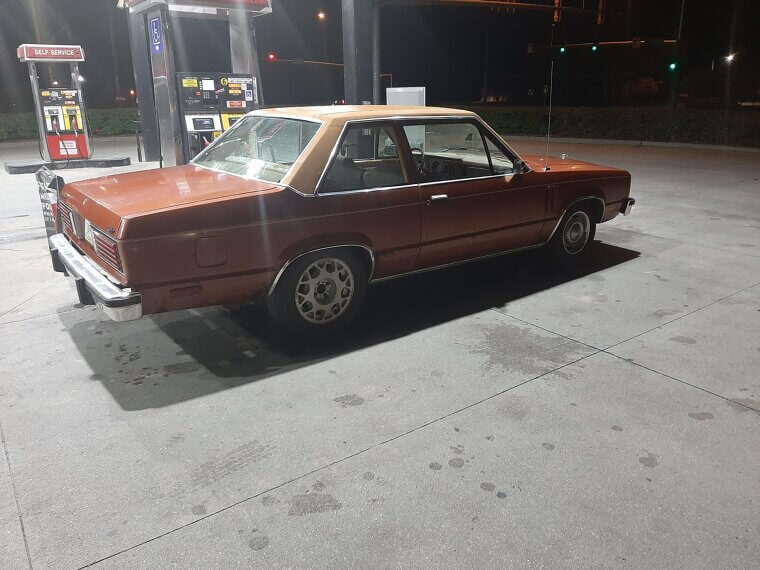
1978 Ford Fairmont
The Fairmont was plain, boxy, and completely forgettable. As car models go, it doesn’t get more mid than that. It isn’t rare, fast, or good-looking. It's so unremarkable that when collectors see it, they just skip right on. It’s safe to say the Fairmont isn't going up in value anytime soon. Even though it shares the Fox-body platform with more desirable models like the Mustang, it's not enough to keep it relevant. The Fairmont’s bland looks and underwhelming specs mean it’s rarely more than a parts donor.
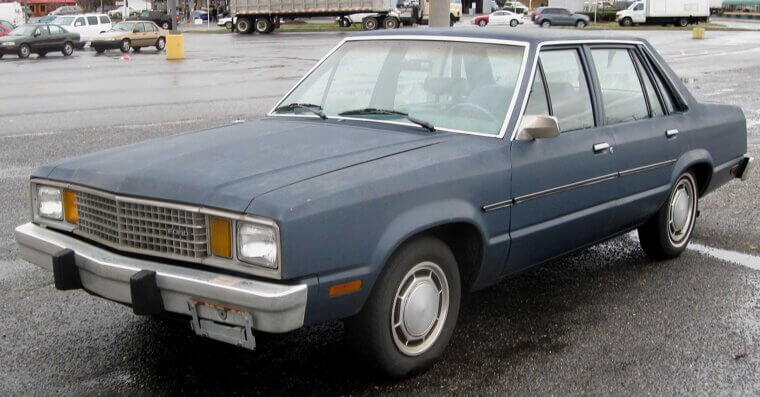
This lightweight sedan served as everyday family transport, but its mass-production numbers mean it lacks any exclusivity today. While drag racers sometimes hunt down clean examples for sleeper builds because of that sturdy platform, mainstream automotive enthusiasts show zero interest in paying a premium for a stock version. It remains a budget-friendly relic of malaise-era commuting.
1988 Sterling 825
Built with Honda parts, styled by Rover, what could go wrong? A lot, apparently. The Sterling 825 was a reliability disaster wrapped in British luxury styling. It never sold well in America, and the few remaining examples have value only to enthusiasts with a taste for irony. Despite its promising mechanical roots, constant electrical issues and poor build quality sealed its fate. Today, it’s more of a quirky conversation piece than a serious collectible, with no signs of appreciating in value.
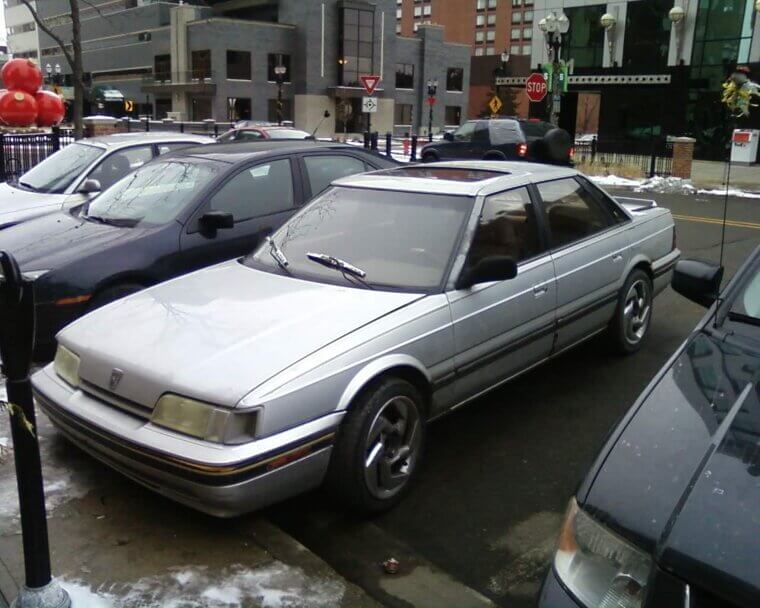
While the Rover-designed body looked elegant and the Acura-sourced V6 engine showed immense promise, the Lucas electronics and brittle interior plastics frustrated original owners. Paint finish issues and water leaks frequently plagued the cabin during damp weather, accelerating its trip to local salvage yards. Because finding replacement trim pieces is practically impossible today, collector interest remains flat, anchoring its market value permanently low.
1981 Oldsmobile Omega
The Omega was part of GM’s X-body experiment and shared its DNA with the Chevy Citation. It also had all the same flaws. Faulty brakes, noisy engines, and cheap interiors dashed its legacy as a dependable midsize vehicle. Even among Oldsmobile enthusiasts, it’s the one model that no one is boasting about at a car show. With little collector interest, poor reliability history, and no standout features, the Omega remains one of those forgotten classics destined to stay undervalued.
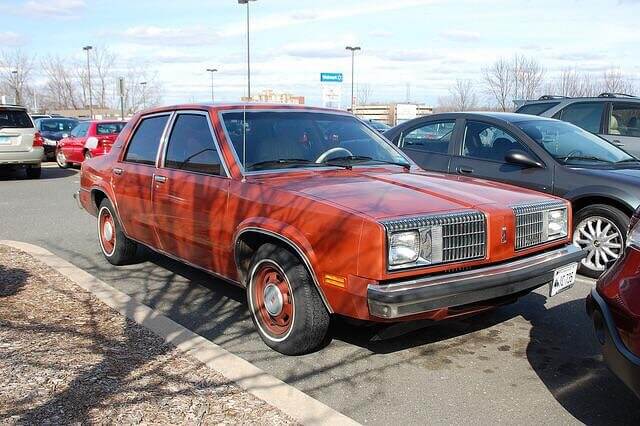
The front-wheel-drive layout was supposed to revolutionize the market, but severe rust issues and steering problems led to federal investigations. While it offered decent fuel efficiency during an energy crisis, the build quality simply couldn't compete with rising imports. Today, finding replacement components is a major headache, making restorations financially impractical for hobbyists.
1975 Chevrolet Monza
The Monza tried to be a budget sports coupe but couldn’t outrun its Vega roots. Underpowered engines, awkward dimensions, and rust issues made it easy to forget. Even the V-8 version could not save it. Collectors aren’t banging down doors to get this car, and the resale value remains pretty low. Some enthusiasts may appreciate its oddball charm or use it for niche racing builds. But the truth is, the Monza has largely slipped into obscurity, with little hope of climbing in value.
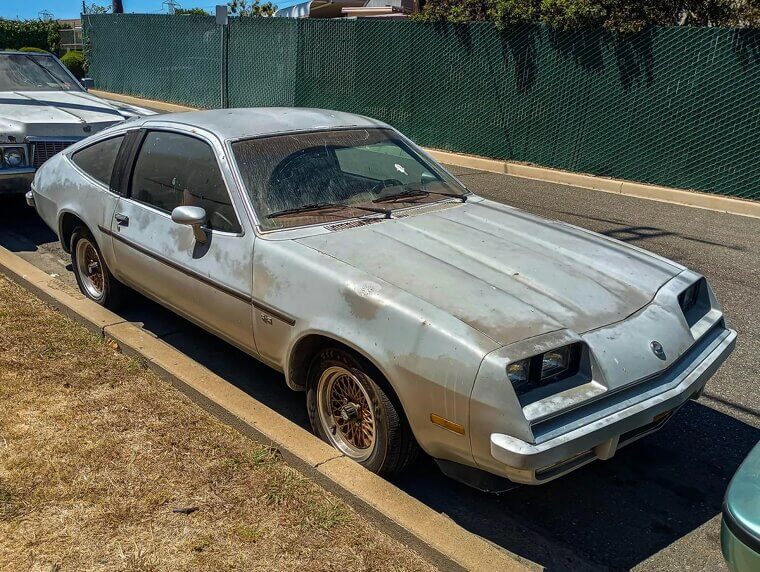
Mechanically, the car presented a nightmare for routine maintenance; replacing the rear spark plugs on the cramped V8 model notoriously required partially dropping the engine. Furthermore, the subpar build quality and cheap cabin plastics didn't help its longevity. Because it lacks a strong performance legacy, market demand remains flat, anchoring its investment potential permanently low.
1982 Renault Fuego
The Fuego looked futuristic but was compromised by its weak performance, oddball parts, and spotty reliability. It also had rust issues, and electrical gremlins were standard. These days, the resale value is lost in translation. While a handful of quirky car fans might admire its daring design, the Fuego’s long list of mechanical headaches and lack of available parts make it an impractical collectible. Most examples have faded away, leaving little demand and even less value on today’s market.
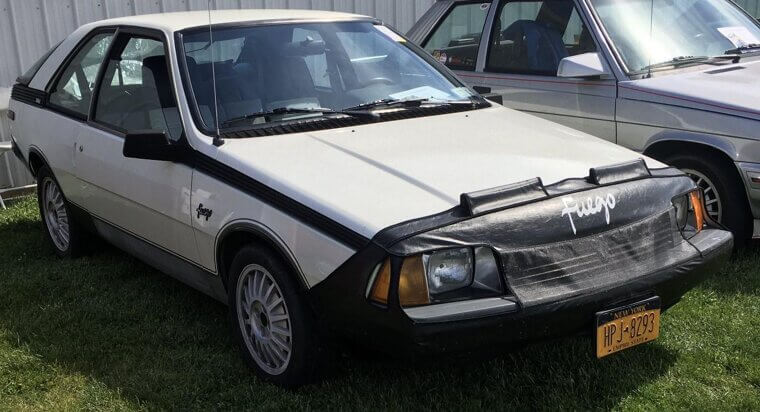
American buyers who purchased them through AMC dealerships soon realized local mechanics struggled with the complex French engineering. The optional turbocharger added some pep, but it couldn't overcome the fragile cooling system. Today, sourcing replacement trim or glass is a massive headache, which keeps any potential market growth completely frozen for the foreseeable future.
1974 Plymouth Valiant Brougham
The Valiant Brougham had luxury pretensions, but it was more grandma’s grocery getter than muscle era marvel. Underwhelming styling and uninspired driving meant it was never cool, even in the 70s. Its values are flat, and most folks would rather forget they ever had a Valiant Brougham. While it offered decent reliability as a daily driver, it lacked the flair or performance that attracts collectors today. As a result, it’s largely been left behind in the classic car conversation.
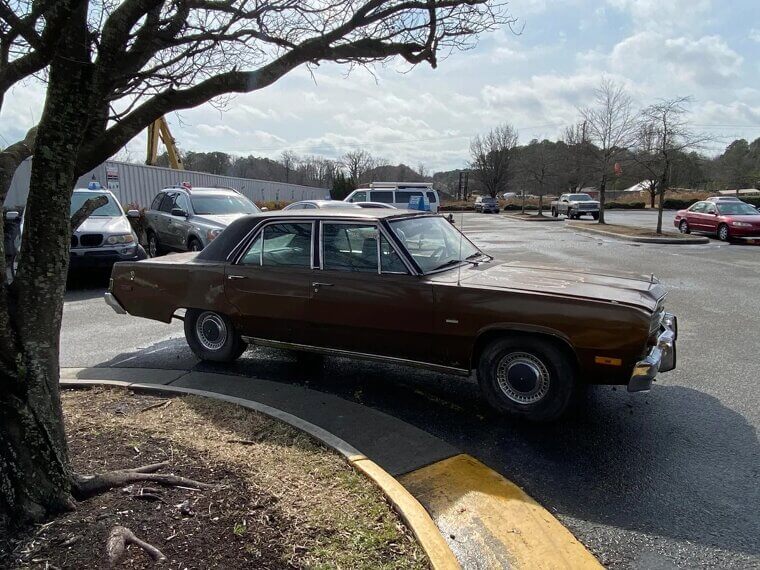
To appeal to upscale buyers, Chrysler added plush velour seats, deep-pile carpeting, and a vinyl roof, but these cosmetic touches couldn't mask the dated A-body platform underneath. The sluggish slant-six engine prioritized fuel economy over excitement, which fails to spark the interest of modern enthusiasts looking for true vintage performance. Surviving models are generally overlooked, ensuring market prices remain firmly anchored at rock-bottom levels.
1985 Cadillac Seville
Cadillac tried to go retro with the Seville’s weird “bustleback” trunk, and it failed hard. Buyers were confused, critics were horrified, and time has not been kind. These oddballs rarely show up at auctions, and when they do, they rarely get a bid. While a handful of enthusiasts appreciate the quirky design, most collectors steer clear. Its underwhelming performance and awkward styling have cemented the Seville’s reputation as a misstep, with little hope of ever bouncing back in value.
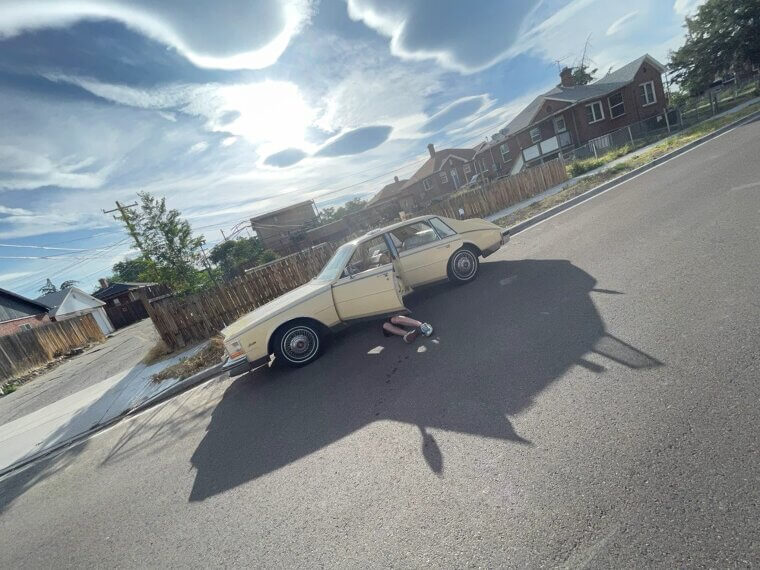
Under the hood, this generation frequently featured the notorious HT4100 V8 engine, which became famous for aluminum block warpage, intake manifold leaks, and premature failure. This mechanical unreliability, paired with the polarizing styling inspired by 1930s Daimlers, drove luxury buyers straight to European imports. Today, the high cost of mechanical repairs far outweighs the car's flat market value.
1980 Subaru BRAT
The BRAT was slow, noisy, and built like a tin can. While it has cult followers, it never found mainstream love. Today, it’s remembered more for its quirk than any lasting value. It may be a classic car, but many don’t think it’s a good investment. Even when one pops up fully restored, it rarely pulls strong bids. Its odd styling, underwhelming power, and niche appeal make it a novelty item, not a rising star in the collector car world.
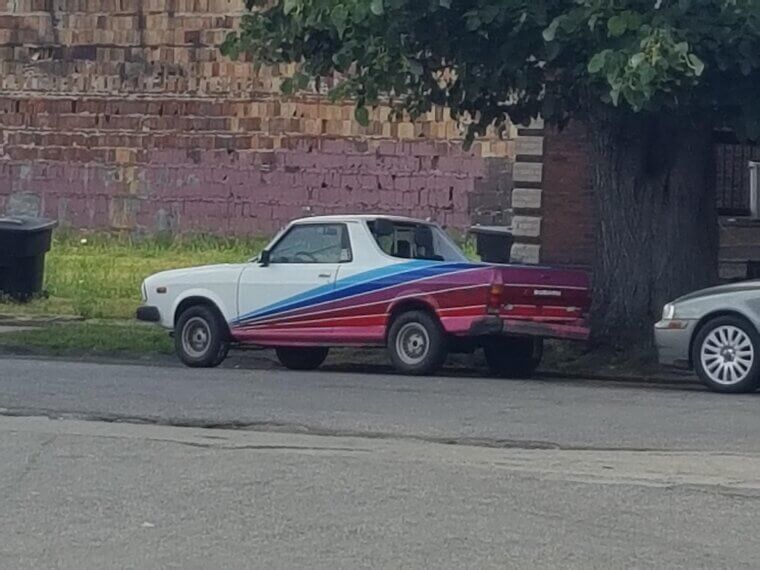
To avoid heavy import tariffs on light trucks, Subaru famously bolted rear-facing plastic seats into the open cargo bed. This distinctive feature offered passengers a bumpy, exposed ride that would never pass modern safety standards. Rust issues also claimed a vast majority of these vehicles over the decades, making clean survivors tough to find. Despite this rarity, the lack of widespread enthusiast demand keeps market values flat.
1977 Chevrolet Caprice
Big, heavy, and thirsty, the Caprice of the late ‘70s was the ultimate land yacht with no muscle to match. Emissions rules killed its V8 power, and style gave way to squareness. They’re everywhere in junkyards and nowhere on collector hot lists. Value? Still floating in neutral. Even well-maintained examples struggle to attract attention at auctions or car shows. While some appreciate the Caprice for nostalgia or lowrider projects, mainstream collectors continue to pass it by without a second glance.
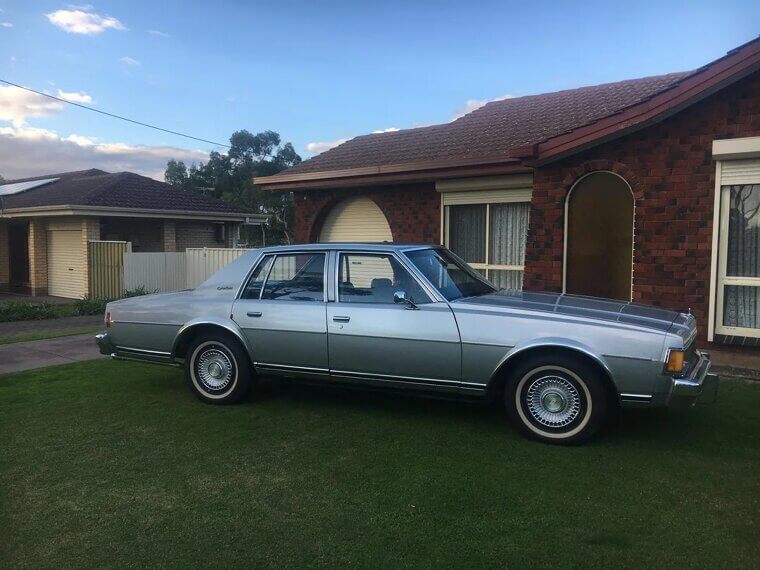
This downsized generation was actually a sales success for General Motors back in the day, even winning industry awards for its improved efficiency. However, the choked-down V8 engines lacked the tire-shredding performance of earlier eras, making them less appealing to traditional muscle car enthusiasts. Because GM produced millions of these vehicles, their abundance keeps values flat.
1981 Buick Skylark
Another victim of GM’s X-body curse, the Skylark came with front-wheel-drive “innovation” and endless mechanical problems. Transmission slips, braking issues, and sloppy build quality made it one of the least loved Buicks ever. Today, the only thing rare about it is someone actually wanting one. Even among hardcore Buick fans, the Skylark barely sparks interest and values remain rock-bottom. Most surviving models are either gathering dust or scavenged for parts, with little hope of ever gaining collector credibility or demand.
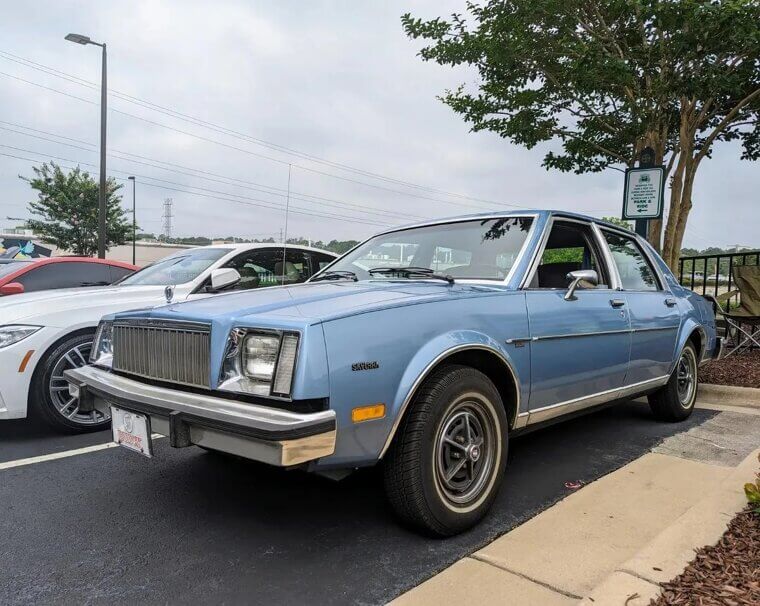
The base Iron Duke engine lacked refinement, and the optional V6 suffered from routine oil leaks. General Motors rushed these compacts to the market to combat foreign competition, sacrificing long-term durability. Consequently, finding a clean survivor with functional factory equipment is nearly impossible, and restoring one yields zero financial return for classic car buyers.
1973 Dodge Coronet
Overshadowed by the Charger and Super Bee, the Coronet was the bland cousin at the Mopar reunion. It lacked flair and muscle, and its bulky design didn’t help. While other Dodges rose in value, this one stayed parked in the past without even a cult following to boost its worth. Even clean Coronets rarely draw attention at auctions or car shows. Enthusiasts gravitate toward more iconic Mopar models. Its market value has stayed flat, with little hope for a rebound.
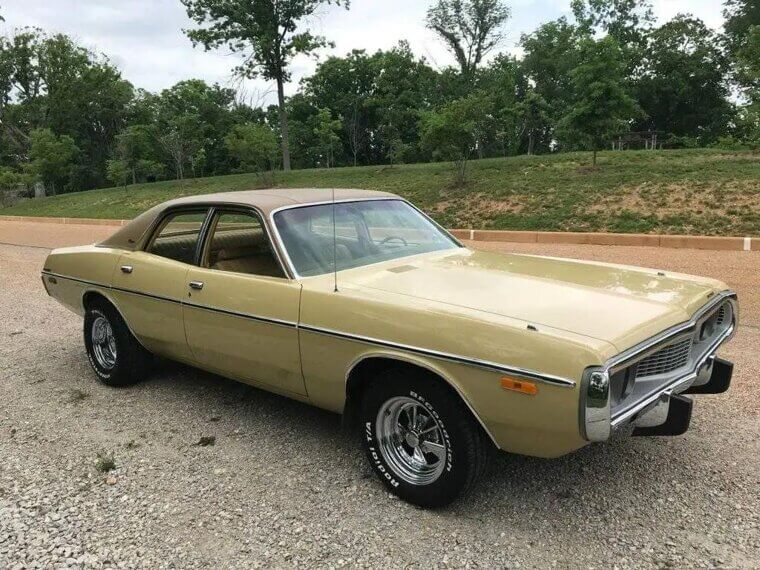
By 1973, federal crash safety mandates forced the addition of heavy, protruding bumpers that disrupted the vehicle's styling lines. Strict emissions regulations also severely choked the performance of its engine options, turning what used to be a storied nameplate into a sluggish, everyday family sedan. Because it lacks the aggressive profile and mechanical excitement of its high-performance stablemates, collectors consistently pass it over.
1986 Hyundai Excel
Hyundai’s US debut had poor build quality, weak engines, and barely-there reliability. Most fell apart before they could rust. As a classic, it’s only notable for being cheap and terrible. Many people avoid the Excel, and prices reflect it. Even among quirky car collectors, the Excel rarely sparks interest or nostalgia. Surviving examples are often neglected or scrapped. And the market shows no signs of change. Its reputation as one of the worst ’80s imports has firmly sealed its fate.
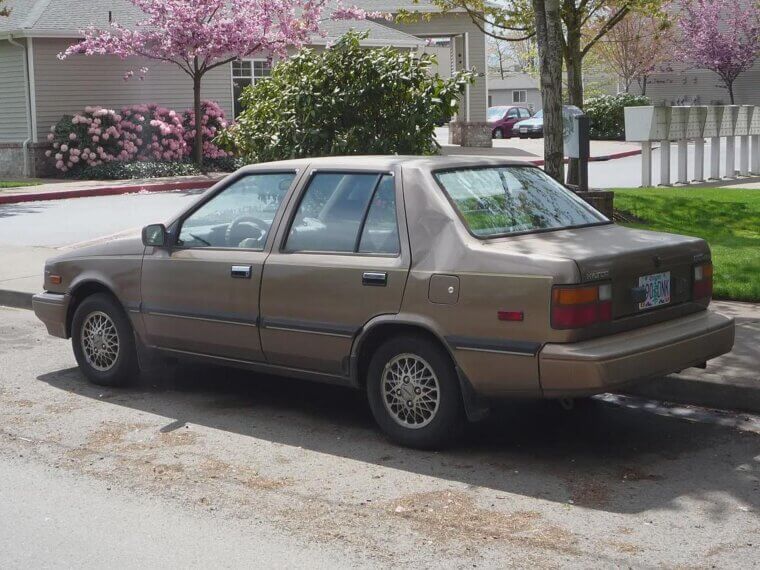
The subcompact was heavily marketed with an incredibly low starting price tag under five thousand dollars, which initially drew in thousands of budget-conscious buyers. However, the fragile transmission components and low-grade cabin materials quickly deteriorated under everyday driving conditions. Because it was widely treated as a disposable appliance rather than a cherished vehicle, findable examples in decent shape are practically nonexistent today, leaving market demand completely dead.
1979 Mercury Zephyr
Built on the Fairmont platform, the Zephyr never stood out. It was reliable but boring, and its design screamed “fleet car”. It had no racing heritage or standout trim; it was just basic transport with chrome. Its classic status is more about nostalgia than value, and even that doesn’t go very far. A few survive as oddball projects or low-budget builds. But the Zephyr has never gained traction in collector circles, and its market value remains stubbornly low and stagnant.
This Fox-body compact shared its mechanical underpinnings with the Ford Mustang, but it lacked any of the sporty performance characteristics or aggressive styling of its sibling. Buyers primarily selected it for affordable family commuting rather than spirited driving. Today, the car struggles to generate enthusiasm because it simply lacks the unique character or historical significance that drives up classic automotive investments.
1980 Pontiac Phoenix
This was GM’s attempt to bring excitement to a compact. Unfortunately, it didn’t work. Sharing flaws with other X-body disasters, the Phoenix had lousy handling, frequent mechanical issues, and zero personality. Today, it’s a forgotten footnote in Pontiac history. Even die-hard Pontiac enthusiasts rarely seek it out, as more iconic models like the Firebird or GTO dominate attention. With weak performance, poor reliability, and no standout appeal, the Phoenix remains stuck in obscurity, with little to no collector value.
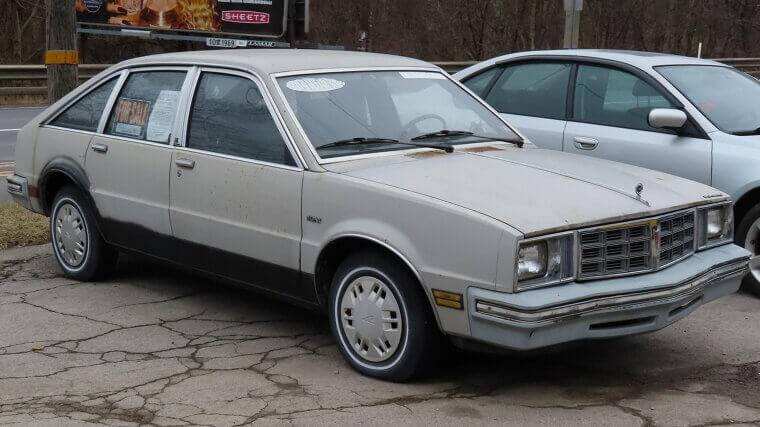
The front-wheel-drive platform suffered from widespread recalls involving locking rear brakes and suspension failures, quickly alienating original buyers. Its weak four-cylinder engine lacked the brand's historic performance DNA. Because restoration components are virtually nonexistent and public interest remains dead, market values are permanently anchored at rock-bottom levels.
1974 AMC Hornet
AMC meant well with the Hornet, but poor build quality and a boring design kept it from ever being cool. Although it’s reliable enough, it doesn’t inspire restoration dreams. Even car shows give it a nod, not applause. Its value is as modest as its base model trim. A few niche fans appreciate its simplicity or use it for budget builds. But the Hornet has never achieved widespread collector appeal, and its prices remain stuck at entry-level classic car status.
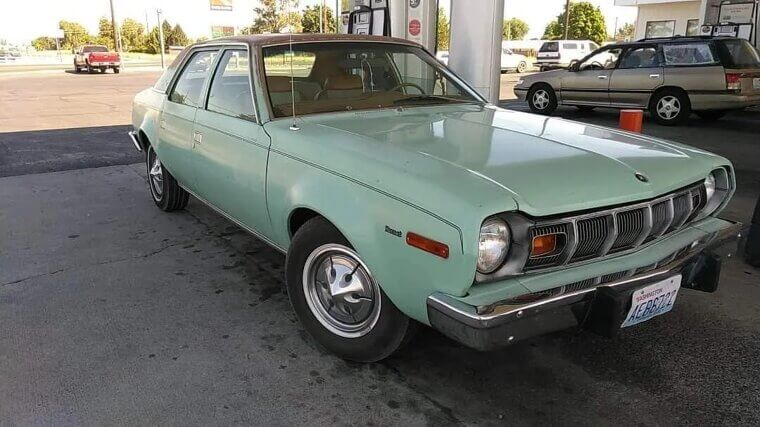
This compact car served as the mechanical foundation for many of the brand's other models, including the quirky Gremlin. While its straightforward engineering makes it relatively easy to maintain, it lacks the styling flair and performance character needed to drive up investment demand. Consequently, most survivors change hands for very little money, making it a highly unlikely candidate for future market appreciation.
1985 Dodge Omni GLH
GLH stood for “Goes Like Hell,” but it aged like warm milk. Quick for its time, it’s still a boxy econo-hatch with reliability issues and limited appeal. Some enthusiasts love it, but not enough to push prices up. The value’s stuck in the slow lane, even if it once zoomed. While a few hot hatch fans appreciate its Carroll Shelby connection, the broader collector market largely shrugs. Today, it’s more of a niche oddity than a valuable classic.
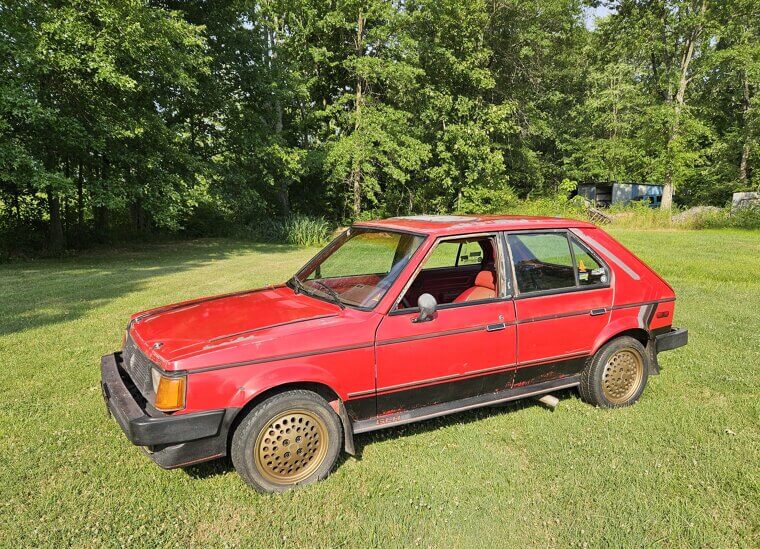
The turbocharged 2.2-liter engine delivered surprising acceleration for the mid-1980s, but the flimsy build quality of the Omni platform failed to hold up over the long haul. Thin body panels, electrical bugs, and cheap interior plastics meant many of these pocket rockets were driven into the ground. Finding parts is a constant struggle, keeping restoration costs high and investment returns flat.
1983 Chevrolet Malibu
Stripped-down and forgettable, the early ’80s Malibu was a far cry from its muscle-era glory. Emissions-choked engines and bland styling made it more of a fleet car than a classic. While earlier Malibus were decent value, this one’s forever stuck in the bargain bin of automotive history. Even enthusiasts looking for sleeper builds often pass it over in favor of more iconic models. Its lack of performance and design flair keeps it off collector radars, with prices reflecting that reality.
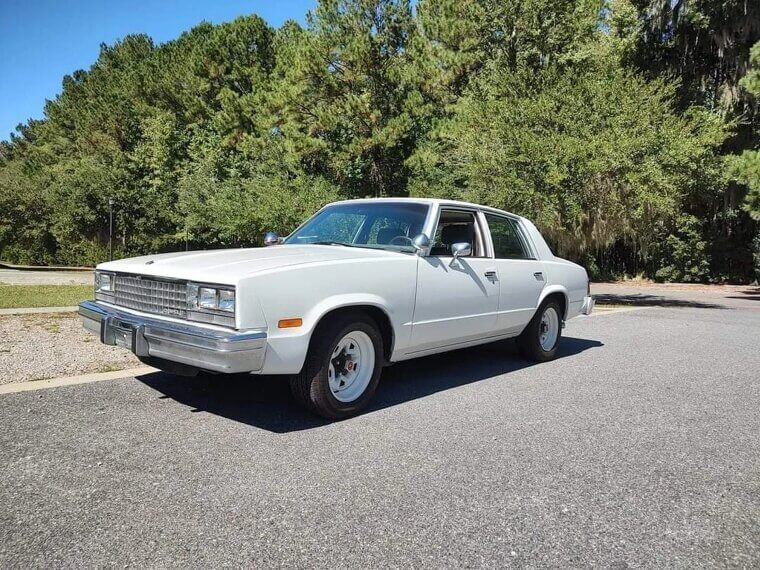
As the final year of the rear-wheel-drive G-body generation, it shifted to uninspired square lines that failed to capture buyer imagination. The base V6 power plant was notorious for its sluggish acceleration, meaning it offered zero mechanical excitement. Because it functioned primarily as a rental option or utilitarian family transport, clean survivors hold little interest for buyers, ensuring its market value remains flat.
1976 Ford Granada
The Granada was supposed to look like a baby Benz, but it fooled no one. Its handling was sloppy, proportions awkward, and the engine was weak, making it a disappointment even when new. Some collectors love the oddballs, but this one’s too forgettable and unloved to see any kind of market rebound. Even pristine examples rarely stir excitement at auctions or car shows. And most buyers overlook it entirely, leaving the Granada stalled permanently in automotive obscurity.
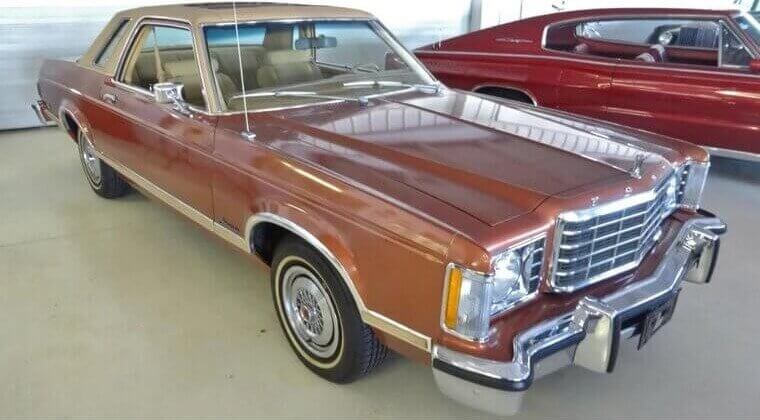
This heavily produced compact relied on aging mechanical underpinnings shared with Maverick models, meaning it lacked any genuine European driving sophistication. Ford aggressively marketed the car by comparing its grille and interior dimensions to expensive Mercedes-Benz sedans, but buyers quickly noticed the cheap vinyl upholstery and sluggish acceleration. Because millions flooded American suburbs, its utter lack of rarity keeps collector interest dead.
1988 Oldsmobile Cutlass Ciera
This boxy sedan was the definition of midwestern modesty. Although it was reliable, it wasn’t the least bit exciting. It was built for retirees and rental fleets; it’s not the stuff of collector dreams. Classic car prices rely on passion, and no one’s losing sleep over missing out on a Ciera. Even die-hard Oldsmobile fans rarely prioritize it for restoration or shows. Its unremarkable performance and plain styling keep it firmly planted in the bargain-bin tier of automotive history.
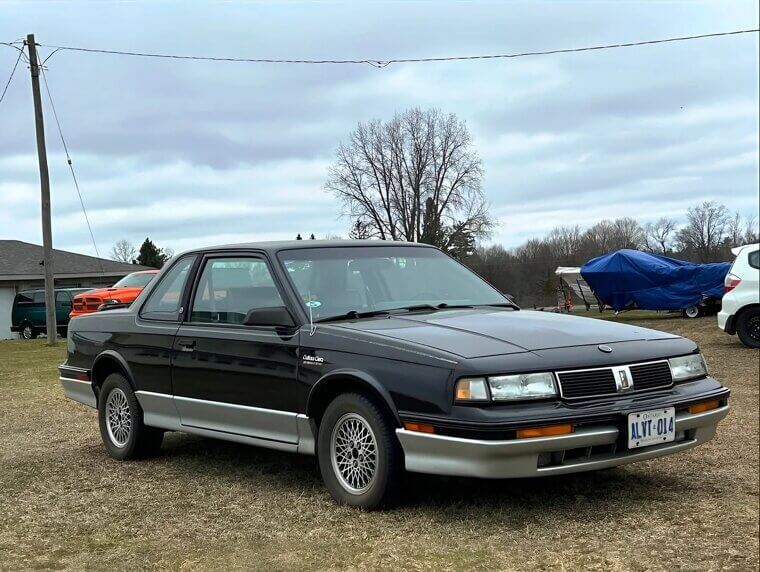
Utilizing the front-wheel-drive A-body platform, this model offered uninspired driving dynamics and an overabundance of cheap plastic trim throughout the cabin. While the optional V6 engine provided decent longevity, it lacked any real horsepower to excite modern driving enthusiasts. Because General Motors produced hundreds of thousands of these daily commuters, their extreme commonality completely stalls out any investment appreciation.
1987 Suzuki Samurai
The Samurai’s cute, light, and capable off-road. But it’s also infamously unstable. It was battered by rollover lawsuits and never recovered in reputation. Collectors like quirky 4x4s, but the Samurai’s limited power and safety concerns keep values low. It may be fun, but it's not fetching serious classic cash anytime soon. It has a small cult following among off-road enthusiasts. But its rough ride, lack of refinement, and tarnished image keep it firmly in the budget niche of the market.
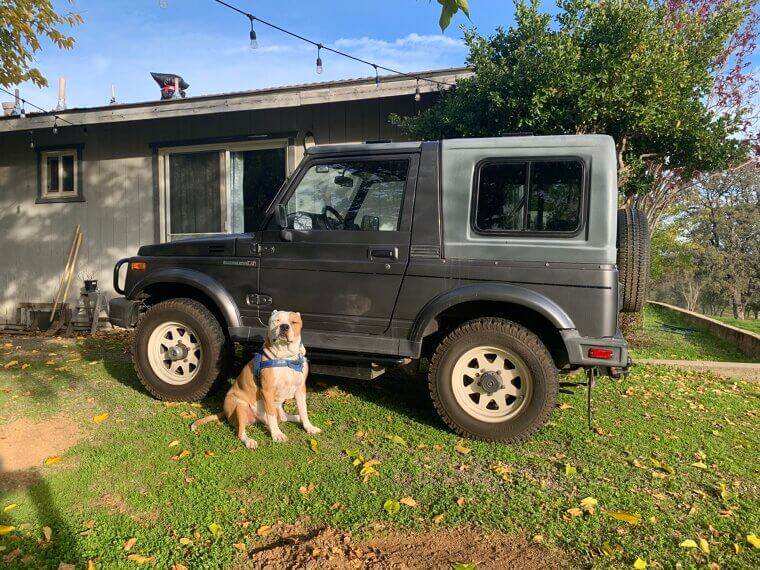
Its tiny 1.3-liter four-cylinder engine makes highway cruising a loud and painfully slow ordeal, which severely limits its appeal for casual road trips. While highly prized by a dedicated group of trail riders who love its nimble wheelbase, mainstream buyers stay far away. Because modified versions dominate the surviving inventory, finding an unmolested, factory-original example is incredibly rare, yet overall market demand remains permanently stalled.
1971 Ford Pinto
The Pinto’s infamous fuel tank issues made it a PR disaster and a safety joke. Even though most were fine, the reputation stuck. Collectors want rare and exciting, not lawsuits and burn risks. Its place in history is secure, but its value? Not so much. While a few enthusiasts might keep Pintos as conversation pieces, the broader collector market stays away. Poor performance, safety concerns, and lasting infamy guarantee it’s a classic in name only, not in collector demand.
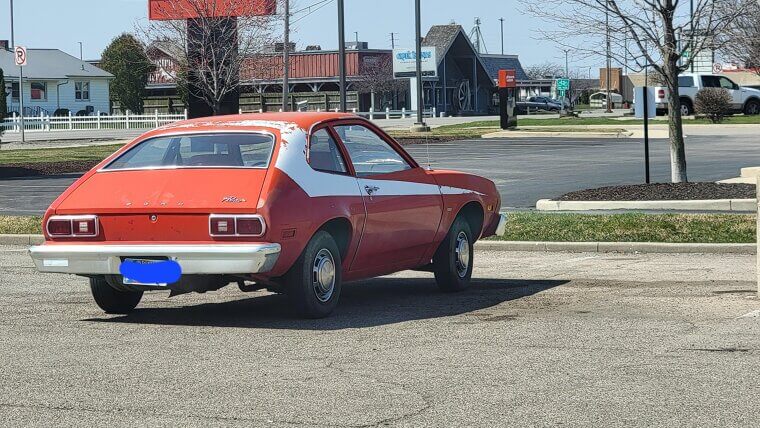
The subcompact was originally designed to combat successful imports, offering an affordable price and decent fuel efficiency. However, cost-cutting measures led to a poorly protected fuel system that easily ruptured in rear-end collisions. Because of this troubled history, finding clean factory parts is incredibly challenging today, ensuring that its market value remains permanently frozen at rock bottom.
1978 Plymouth Sapporo
A Mitsubishi in disguise, the Sapporo aimed for sporty and missed its mark. Its styling was forgettable, parts were hard to find, and performance was sluggish at best. You’ll rarely see one today, and that’s not due to high demand. Its value never took off and may never do. Even in the niche world of obscure imports, the Sapporo struggles to find fans. With no racing pedigree or cult following, it quietly fades further from collector interest each year.
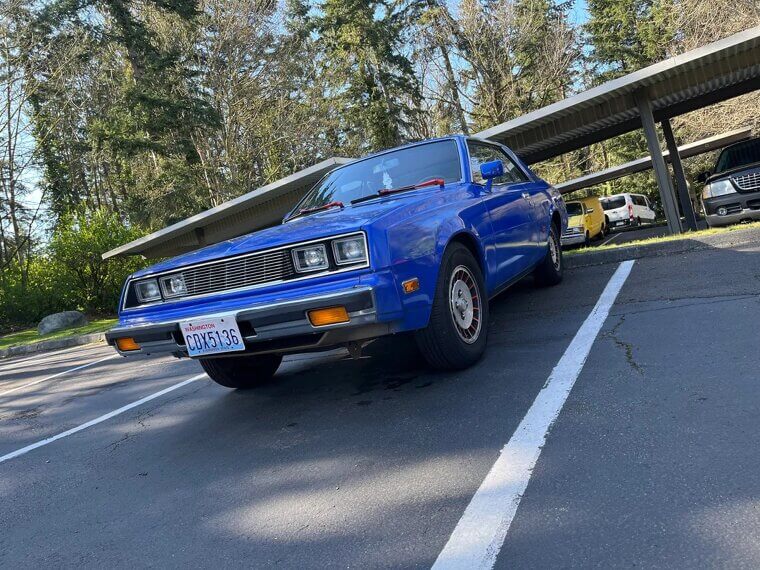
As a captive import version of the Mitsubishi Galant Lambda, it tried to lure buyers with standard luxury features like a digital clock and overhead console. However, its complex electrical systems frequently failed, and the early silent shaft engine technology suffered from premature wear. Because it was largely viewed as a disposable commuter option, very few clean examples avoided the crusher, leaving the market entirely cold today.
1982 Honda Accord (U. S. Model)
It was a practical marvel in the ‘80s, but today it’s more appliance than classic. While it helped build Honda’s reputation, the early U.S. Accords don’t inspire restoration or collector excitement. Most have rusted away or been daily-driven into oblivion, and the market has no interest in bringing them back. Even Honda enthusiasts focus on later, sportier models like the Prelude or Civic Si. As a result, the ’82 Accord remains a historic footnote, not a rising classic star.
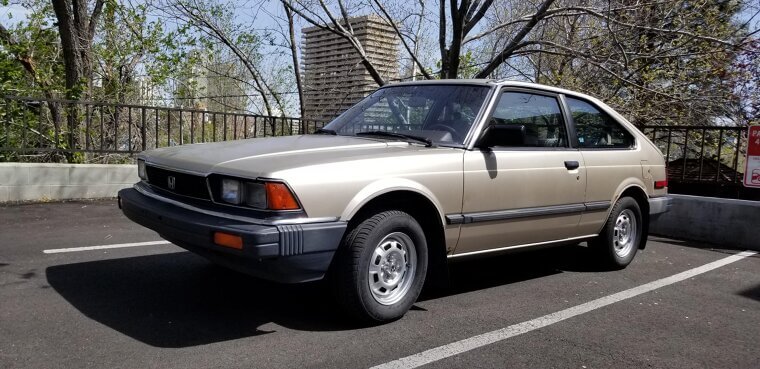
This second-generation model was actually the first Japanese passenger car manufactured on American soil, rolling off the assembly line in Marysville, Ohio. While this milestone cemented its place in industrial history, the vehicle prioritized commuter convenience over driving engagement. Its modest four-cylinder engine and luxury-focused velour interior haven't captured the imagination of modern investors, keeping resale values completely flat.