
Remember those cars everyone swore would be worth a fortune someday? Well, time has a funny way of changing things. Grab a cozy drink and let’s take a trip down memory lane to look at the "future classics" that completely missed the mark—you might even have one of these sitting in your garage right now!
Collectible No More
You can’t think of car culture without thinking of classic cars - they give us the nostalgia to keep excitement alive. They provide a distinct driving experience that no other car could replicate today, which is why collectors love them so much. But are they all worth collecting? Continue reading to unearth “collectibles” that no one wants anymore. Some once-hyped models have slid from “must-have” to money pits, weighed down by upkeep, scarce parts, and lukewarm demand. Scarcity isn’t value, and younger buyers prize drivability over badges—proof that not every old car merits garage space.
From changing market trends to shifting generational interests, the definition of what makes a vehicle truly valuable is rapidly evolving. Let's look at the specific rides that are currently losing their spark in the modern collector market.
Ford Pinto
Back when boxy sedans were in fashion, Ford Pintos were a favourite among collectors. This car was adored for its compact styling, which meant it was a hit for city driving. But it all went wrong when the car began facing backlash over safety problems. Resale softened, and parts sourcing didn’t help, with rust and costs eroding enthusiasm. Younger buyers see it as a cautionary tale, not a cult classic. Even pristine examples struggle to move unless priced aggressively, limiting true collector appeal.
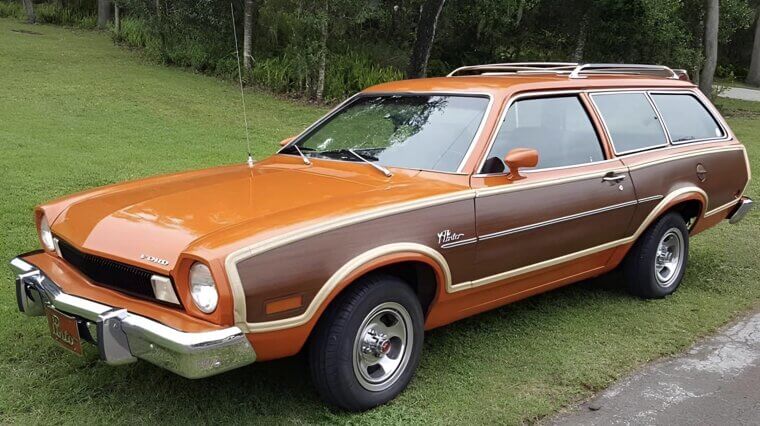
The vehicle's notorious fuel tank design and subsequent massive recalls permanently scarred its reputation in automotive history. Furthermore, because the thin sheet metal was highly prone to severe corrosion, very few survived the decades intact. Most went straight to the scrapyard, leaving a highly limited enthusiast base interested in preserving what remains of this troubled line.
Chevrolet Corvair
The selling point of the Chevrolet Corvair to enthusiasts was its unique look with an unconventional rear-engine layout. However, the Corvair went from riches to ditches when a book called ‘Unsafe at Any Speed’ by Ralph Nader revealed that there were concerns with handling. That reputation stuck, overshadowing later improvements and souring mainstream interest. Today, values lag, and maintenance can be tricky for buyers unfamiliar with rear-engine quirks. A small enthusiast core remains, but broader collectors prefer safer, simpler classics, leaving many Corvairs lingering.
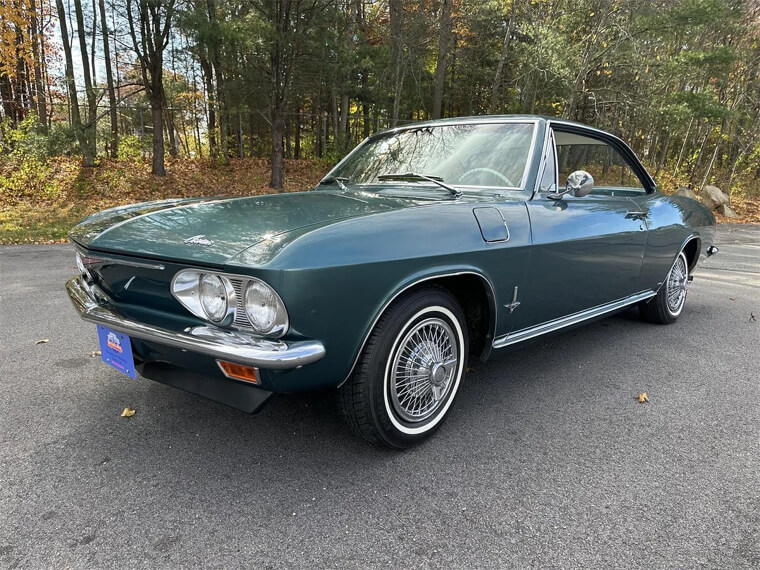
The initial models suffered from a swing-axle rear suspension that caused dramatic camber changes during hard cornering. Even though General Motors completely re-engineered the suspension setup for the second generation, public perception never truly recovered. The niche air-cooled engine also means specialized parts and knowledgeable mechanics are increasingly difficult to locate nowadays.
AMC Gremlin
The design of this car was almost quirky as its odd name, but that’s what led to its downfall. Now, enthusiasts view this car as a novelty rather than a true classic. Overall, its strange design options caused it to lose its value as a high-value artefact. Build quality and emissions-era performance didn’t help. Parts availability is uneven, turning projects into slogs. Compared with cleaner rivals, it feels like a curiosity, not a keeper. Buyers prioritize reliability and comfort, leaving Gremlins trading on nostalgia.
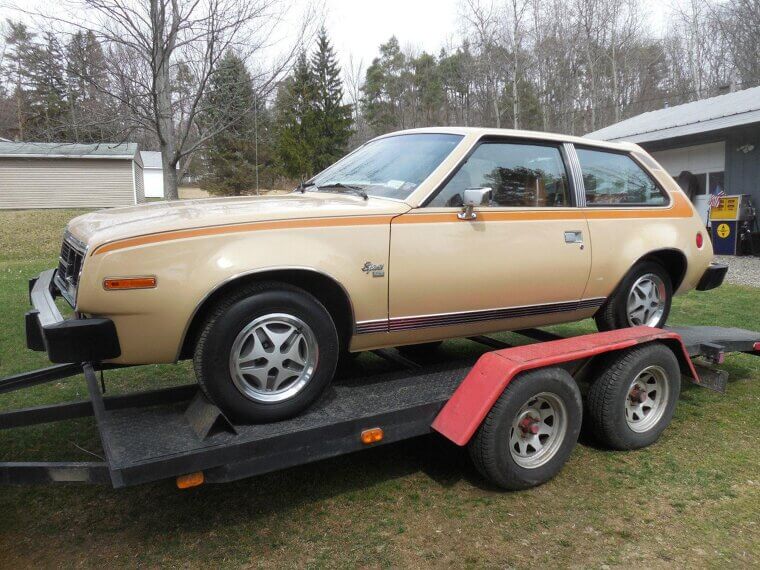
Introduced on April Fools' Day in 1970, the car's severely truncated rear end and heavy front inline-six engine created a bizarre weight distribution that compromised handling. Furthermore, interior shortcomings like cheap plastic components and cramped rear seating make long drives unappealing. Consequently, finding collectors willing to invest in full restorations remains incredibly rare.
Triumph TR7
The wedge-shaped, angular appearance of the British sports sedan, the Triumph TR7, caused controversy among fans. This car was beset by constant mechanical problems and reliability troubles, despite its promise of a lively performance. Early British Leyland build quality was patchy, with electrical glitches, leaky seals, and flimsy trim. Emissions-choked engines dulled performance, and rust plus poor panel fit inflated restoration bills. Later updates couldn’t erase the stigma. With specialist servicing and tepid resale, buyers drift to sturdier Japanese or German classics.
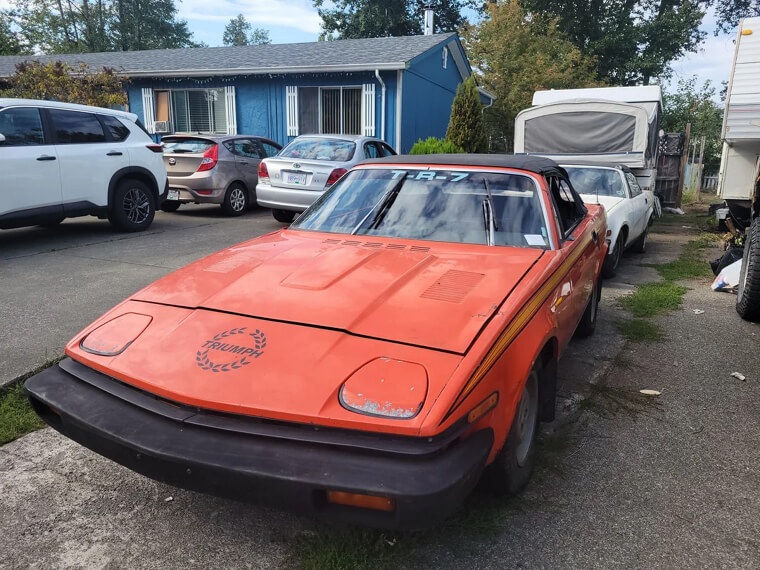
Marketed heavily as 'the shape of things to come,' the vehicle ultimately failed to deliver on its futuristic promises. Frequent industrial action and labor strikes at the factory further compromised production standards during its initial launch phase. Today, finding a well-preserved survivor requires navigating a minefield of structural vulnerabilities and increasingly scarce replacement parts.
Fiat X1/9
This nimble, mid-sized engine sports coupe might have won the hearts of Italian collectors of the 1970s, but its fame has since turned to dust. But what caused this? It turned out that the car suffered from low power and constant maintenance needs. Rust-prone bodies and finicky electrics made ownership expensive, while mid-engine service added labor hours. Carburetor tuning and emissions gear sapped what little performance remained. Parts can be hard to source, and values trail rivals like the Miata or Alfa Spider, discouraging collectors.
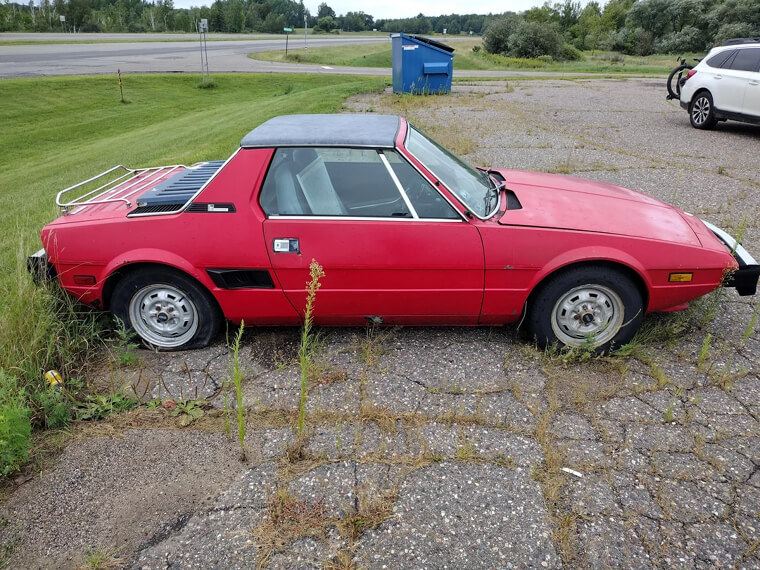
The clever targa top design, which conveniently stored in the front trunk, couldn't save it from these practical headaches. Overheating was also a frequent issue because of the complex routing of coolant lines from the front radiator to the rear compartment. Ultimately, it remains an overlooked choice for modern enthusiasts.
1970s Ford Thunderbird
The Thunderbird might be stylish, but the way it looks isn’t enough to get the attention away from the earlier, more exciting models. Collectors can no longer justify the price of this collectible, despite its focus on comfort and power. Malaise-era weight and smog equipment dulled performance, while soft suspensions produced floaty handling. Thirsty V8s and rising fuel costs keep ownership costly. Aging vacuum gizmos and fragile trim complicate restorations. With modest appreciation and plentiful supply, shoppers drift to earlier two-seat or sharper mid-sixties cars.
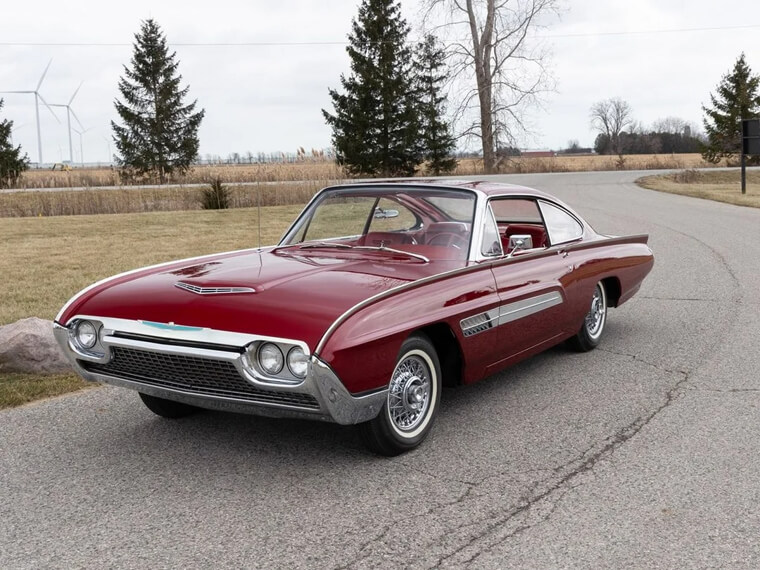
During this decade, the cars grew significantly larger and heavier, sharing a chassis with the massive Lincoln Continental. The introduction of oversized bumper mandates and heavy opera windows further alienated traditional sports car enthusiasts who preferred agility. Consequently, these land yachts remain a very niche segment, rarely generating competitive bidding at major auctions.
Volkswagen Karmann Ghia
The Ghia has always been admired by enthusiasts for its Italian tailoring and German manufacturing. But it had a rival. The Volkswagen Beetle was very similar to the Ghia, but it never reached the same iconic status, meaning it quickly became overshadowed. Collectors also balk at modest performance and Beetle grade underpinnings that feel more costume than sports car. Rust and intricate bodywork make restoration expensive, while prices lag real demand. Many buyers pick cleaner Beetles or true sports coupes, leaving Ghias lingering online.
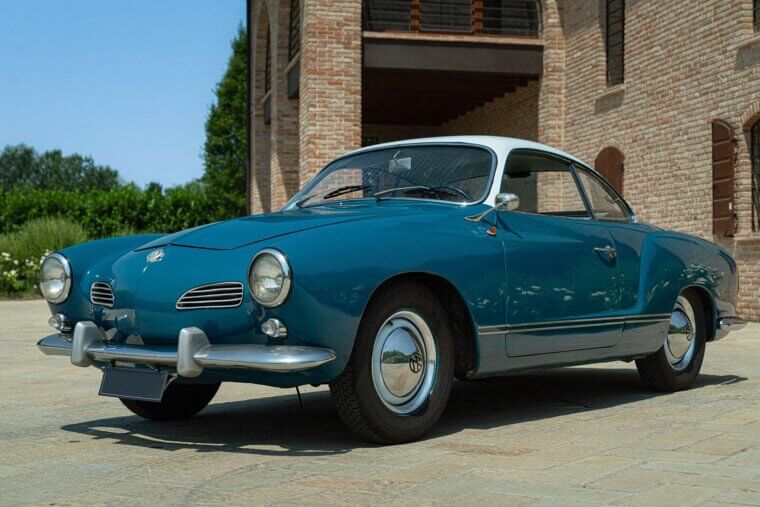
Because the elegant body panels were hand-welded and lead-filled at the Karmann factory, fixing even minor collision damage or rust holes requires specialized metal-shaping skills. Furthermore, the lack of mechanical differentiation from the standard Beetle means drivers get a sluggish commute rather than an engaging sports car experience. As a result, market appreciation remains flat.
Pontiac Fiero
This car was a bombshell when it hit the market in 1982 due to its modernised engineering concepts. Unfortunately, collectors slowly began to dismiss this car when issues with overheating became prominent. Its mid-engine layout and plastic body panels sounded exotic, yet real-world ownership proved less glamorous. Early cars struggled with reliability, including cooling woes and widely publicized engine-bay fires, souring shoppers. Later updates improved performance, but the stigma lingered. Parts hunting and tricky service keep costs high, leaving values flat.
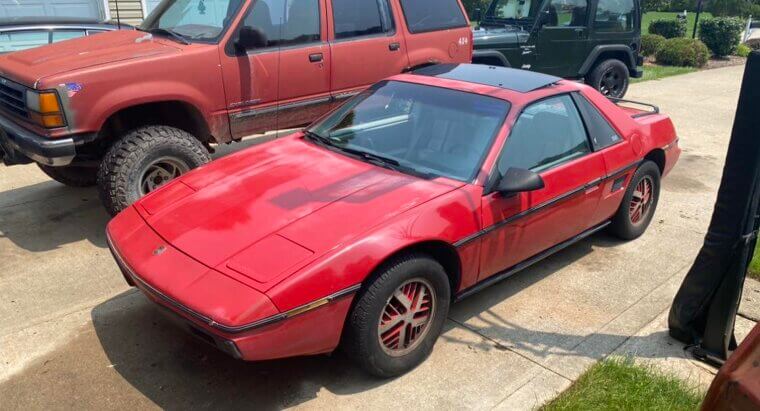
By the time General Motors finally perfected the vehicle's suspension and handling dynamics for the 1988 model year, the damage to its market reputation was already done. Today, many survivors have been chopped up to serve as donor chassis for cheap replica kit cars, further diluting the vehicle's appeal among pure automotive preservationists.
MG MGB
If you’re a fan of British roadsters, you’ve definitely heard of the MG MGB. Famous for its simple yet effective design, collectors were obsessed with this vehicle. However, the fame died down due to a lack of rarity, which kind of ruins its exclusivity, doesn’t it? High production means survivors are plentiful, and many examples need regular tinkering for carburetors, rust, and electrics. Emissions-era performance feels sluggish, and highway refinement is modest. Collectors craving rarity or reliability often shift toward Triumph Spitfires, Miatas, or Alfas.
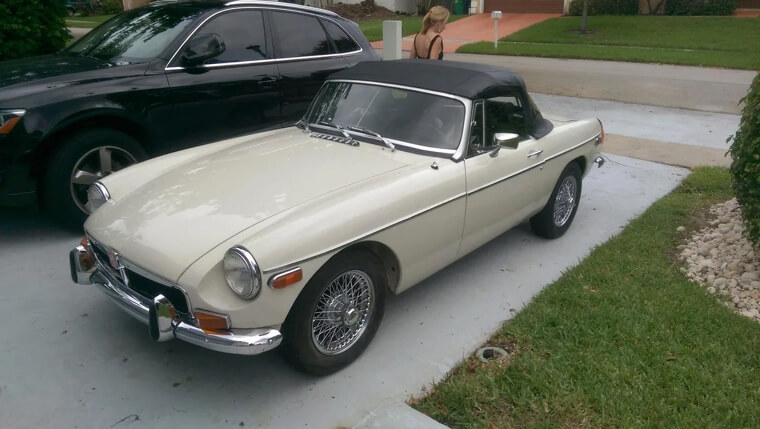
The introduction of heavy rubber bumpers in the mid-1970s further alienated traditional enthusiasts, as this federal safety mandate raised the ride height and severely harmed handling. Because over half a million total units were manufactured, they remain incredibly easy to source, meaning values are unlikely to skyrocket anytime soon.
Chevrolet Vega
This car was popular among both the public and Chevy collectors due to its economy and modern design concept. This traction eventually diminished due to the car's aluminum engine, which raised concerns about its overall reliability. Owners also struggled with rust, early build quality woes, and overheating that led to premature wear. Even well-kept cars required frequent attention to keep drivability acceptable. As values stalled and restoration costs climbed, many collectors shifted focus to more durable compacts, leaving the Vega a cautionary footnote.
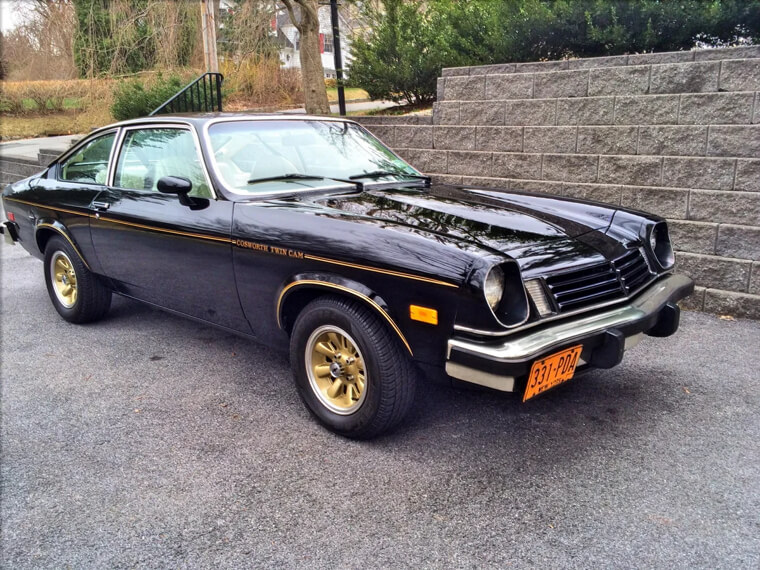
The unlined cylinder bores were prone to distortion, which caused the engine to burn excessive amounts of oil. Furthermore, because the front fenders initially lacked inner liners, moisture quickly rusted the body panels from the inside out. Finding a survivor with a healthy original powertrain is an exceptionally rare occurrence today.
Plymouth Valiant
Known for its dependability, the Valiant was a sensible option for drivers in the 60’s and 70’s. It hasn’t, however, increased in collector value due to its broad availability and simple design, which has kept it out of collectors’ garages. Even the rugged Slant-Six reputation couldn’t turn it into a top-tier classic. Styling is plain, performance modest, and special editions are rare. Restoration costs often exceed resale, and plentiful survivors mean rarity isn’t there. Great as a reliable cruiser, not an appreciating asset.
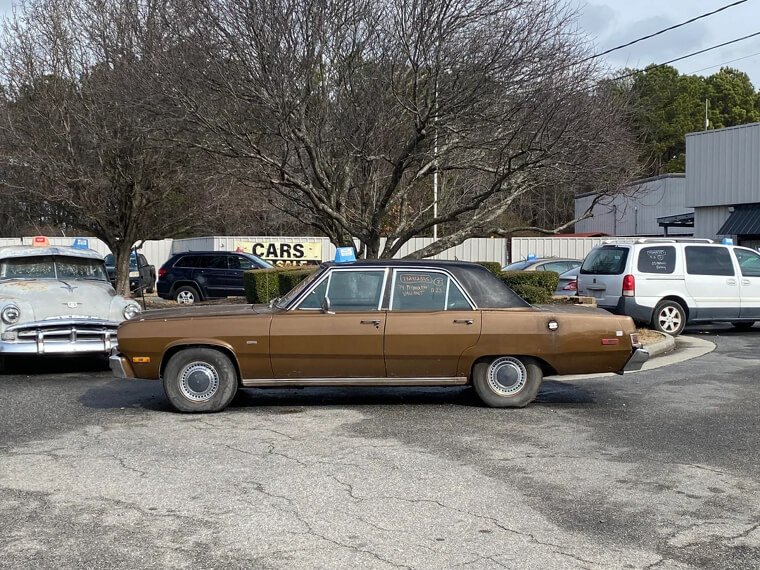
Because millions were produced across its multi-decade production run, finding an affordable, running model is still remarkably easy today. The lack of sporty fastback styling or high-performance V8 options across most standard model lines means younger buyers usually bypass it for more dramatic muscle cars of the same era.
Jaguar XJ-S
With a fierce V12 engine, this vintage British roadster is adored by enthusiasts worldwide, but its popularity has recently waned. Things changed when the upkeep became too expensive to justify. Even tidy examples demand specialist attention, from intricate V12 timing to aging fuel injection and brittle wiring. Rust, hydraulic leaks, and sagging interiors add costs that seldom return at resale. Insurance and fuel bills compound the pain. As budgets moved toward simpler, faster modern classics, many buyers left the XJ-S idling on classifieds.
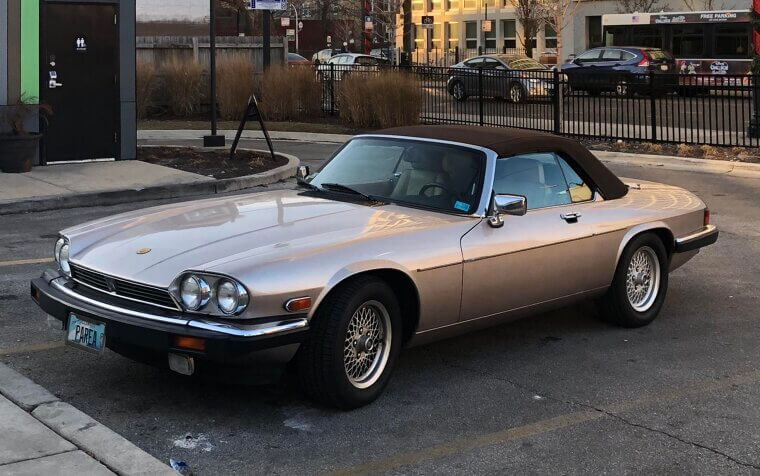
The infamous inboard rear brakes are an absolute nightmare to service, often requiring the entire rear suspension assembly to be dropped just for a basic pad change. Additionally, the tightly packed engine bay acts like an oven, cooking rubber hoses and vacuum lines until they fail completely, keeping potential owners far away.
Cadillac Allante
Cadillac’s attempt to produce a high-end sedan with Italian Pininfarina style, the Allante, was rejected from its market niche. Sure, it has a distinctive fusion of Italian and American style, but collector interest has dropped due to its eye-watering initial costs. Maintenance didn’t get cheaper with age: specialized Pininfarina trim, finicky electronics, and convertible-top hydraulics are pricey to sort. Parts availability can be uneven, and few mechanics know the quirks. Later powertrain upgrades improved speed but raised complexity. Resale remains lukewarm, discouraging restoration budgets.
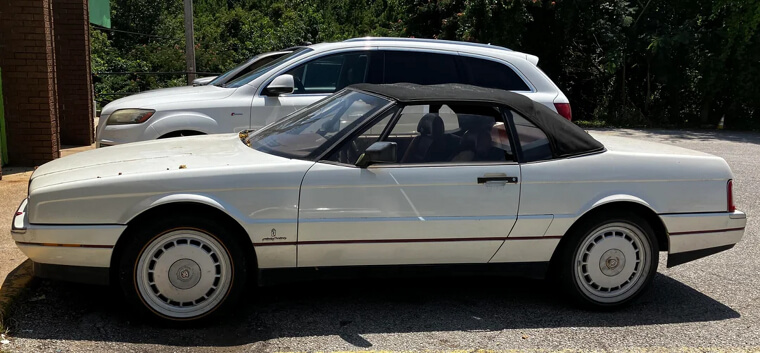
The production process involved flying completed bodies from Italy to Detroit via Boeing 747s, an expensive logistical feat known as the "Allanté Air Bridge." Furthermore, the final-year models featured the Northstar V8 engine, which unfortunately gained a notorious reputation for complex oil leaks and severe head gasket issues over time.
Buick Reatta
This car was an experiment to create a sporty sedan with two seats, but featuring a high-tech dashboard; however, it failed to impress collectors. Sure, at first the novelty attracted buyers and enthusiasts alike, but that didn’t last long. Aging electronics and the early touchscreen became failure points; fixes are specialized and pricey. Performance never met the sporty image, and the automatic-only setup dulled engagement. Styling divides opinion, and body parts can be tricky. With lukewarm auction results, most collectors look elsewhere.
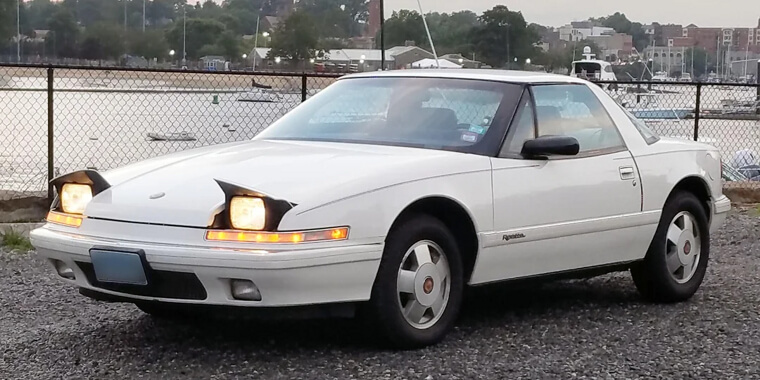
The innovative Graphic Control Center CRT screen was revolutionary for the late 1980s, but finding replacement units that actually function today is a massive headache. Additionally, because the vehicle was largely hand-assembled in small batches, sourcing unique exterior trim pieces or glass requires endless hunting through specialized salvage yards.
Datsun 210
Although the 210 was a cost-effective option renowned for its dependability and fuel efficiency, it lacks the thrill that antique car aficionados typically seek. Due to its longevity, it remains well-liked but lacks the value that better Datsuns possess. Acceleration is modest, handling safe rather than engaging, and many survivors wear simple interiors and automatic gearboxes. Parts are available, yet restoration rarely makes financial sense. Collectors chasing charisma pivot to the 510 or 240Z, leaving the 210 respected for durability, not desirability.
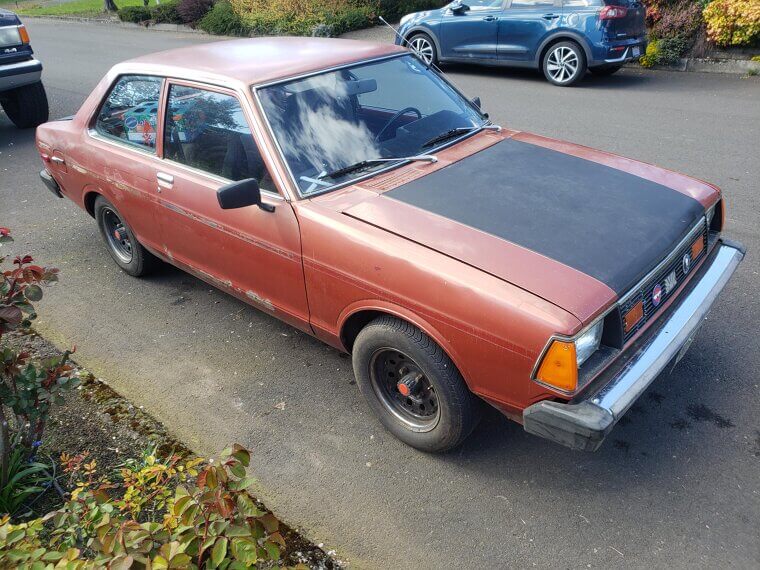
As one of the final rear-wheel-drive economy models before the brand transitioned to front-wheel-drive platforms, it holds a minor place in automotive history. However, its unpretentious A-series engine prioritizes extreme fuel thrift over performance. Consequently, finding enthusiast groups willing to invest significant capital into preserving these base-model commuters remains incredibly rare today.
1980s Mercury Cougar
The 80s Cougar underwent a transition from a muscle car to a more grand coupe-like design, which increased its initial interest among collectors. So what happened? To put it plainly, this car just wasn’t as good as the original muscle-car models. Soft suspensions, modest V6 power, and slushy automatics dulled the driving experience. Styling trended toward luxury rather than performance, and the Fox-platform roots felt generic. Restoration costs outpace resale, and buyers gravitate to late-60s Cougars or Mustangs that deliver stronger heritage, sound, and excitement.
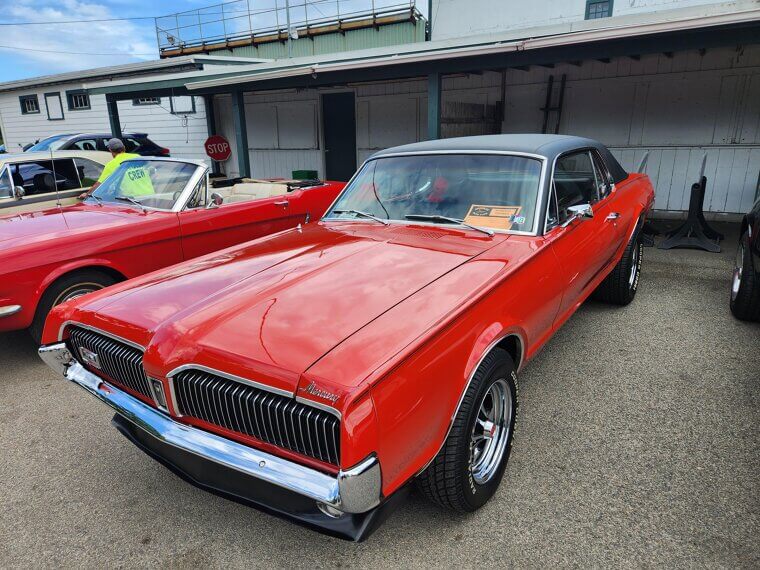
Even the distinct aerodynamic styling with its formal, vertical rear window couldn't elevate its status. While the XR7 models offered a turbocharged inline-four or a low-output V8 engine, these choked powertrains lacked the raw mechanical feedback modern enthusiasts actively look for, consequently keeping current market values incredibly flat across the board.
Chevrolet Chevette
The Chevette is a dependable little vehicle, but its low power and average design have made it less desirable. Despite being a well-liked commuting car, it lacks the performance and style to be considered a high-end classic. Rust, weak acceleration, and noisy interiors undermine long-term enjoyment, and rare performance variants are scarce. Parts are inexpensive but time-consuming to chase, and restoration almost always exceeds resale. Enthusiasts seeking character choose livelier compacts, leaving Chevettes valued as thrifty survivors rather than coveted collectibles.
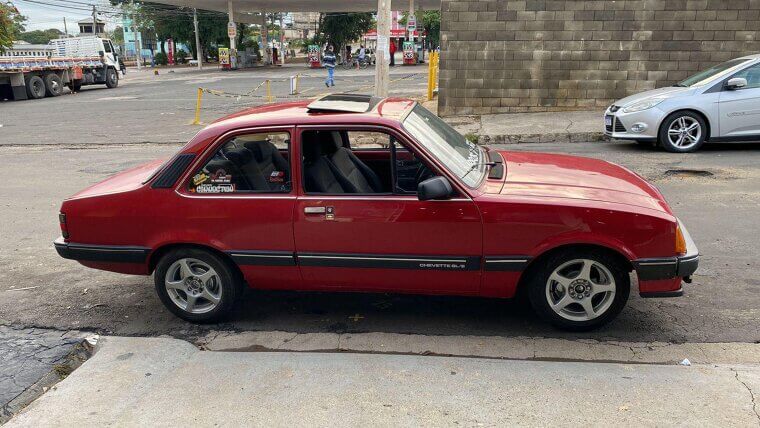
As General Motors' response to the oil crises of the 1970s, it relied on an outdated rear-wheel-drive T-platform while competitors successfully pivoted to more efficient front-wheel-drive layouts. The base inline-four engines struggled to produce meaningful highway speeds, especially when paired with the heavy emissions equipment of the era. This leaves little motivation for modern buyers to invest.
Mazda RX-7 Series 1
Enthusiasts used to be all over this vehicle for its exclusive rotary engine, but this couldn’t compensate for its low power and high maintenance costs. As a result, the RX-7 has been left to collect dust. Early SA/FB models feel tame next to later turbo RX-7s, and apex-seal wear plus rebuild intervals scare newcomers. Carb tuning, poor fuel economy, and few rotary specialists add cost. Rust in sills and rear arches adds bills. With soft resale and patience required, shoppers choose simpler piston coupes.
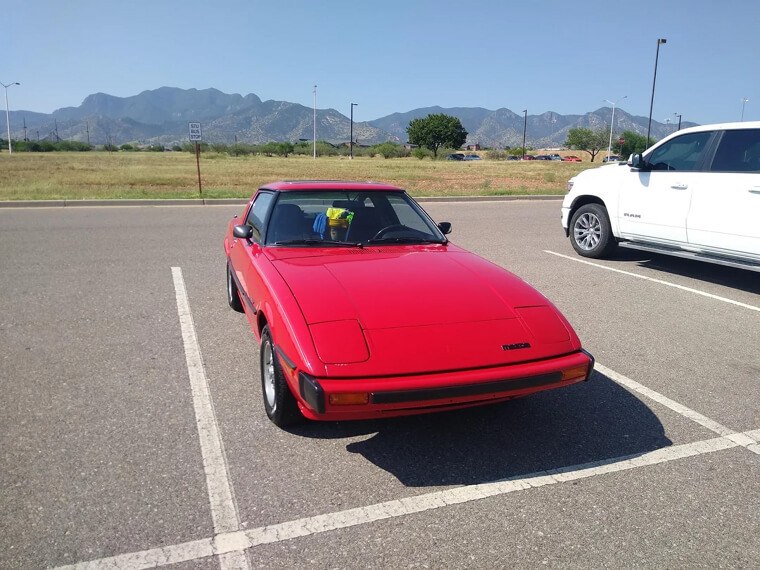
The 12A engine's thermal reactor system generated intense under-hood heat, rapidly degrading rubber hoses and vacuum lines. Furthermore, finding replacement body panels or period-correct interior trim is an exhausting chore today. Because the market favors the iconic twin-turbo FD models, these early naturally aspirated variants rarely see value spikes.
Ford Fairmont
Although the Fairmont was a useful family vehicle in its prime, it no longer has the performance or distinctive design to draw in many collectors. Surprisingly, this car is more often remembered as a workhorse rather than a valuable artefact. Rust, bland styling, and emissions-era powertrains make restoration costs hard to justify. Many survivors wear tired interiors and slushy automatics, further dampening appeal. Parts exist via Fox-platform ties, but values stay flat. Most collectors divert to earlier Falcons or Mustangs offering stronger heritage and excitement.
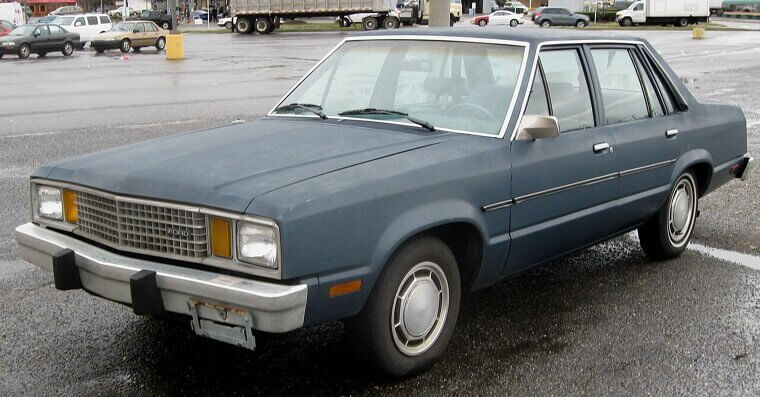
While the sleek Futura coupe variants or models equipped with the 302 cubic-inch V8 find a tiny niche among drag racers looking for a lightweight chassis, standard four-door sedans and station wagons generate almost zero enthusiasm. They are widely viewed as basic commuter appliances rather than memorable classics.
Chrysler LeBaron Convertible
Sure, this car may look luxurious, but in reality, it fails to impress in terms of performance to enthusiasts who look for high value. The LeBaron provides a lively, open-top ride, but its modest appeal is reflected in its poor resale value. Built on humble K-car underpinnings, most models offered modest four-cylinder power and automatics that dulled excitement. Aging electronics and top hydraulics add headaches, while trim pieces are fragile. With plentiful supply and limited cachet, collectors shift to sturdier Mopar or Mustang drop-tops.
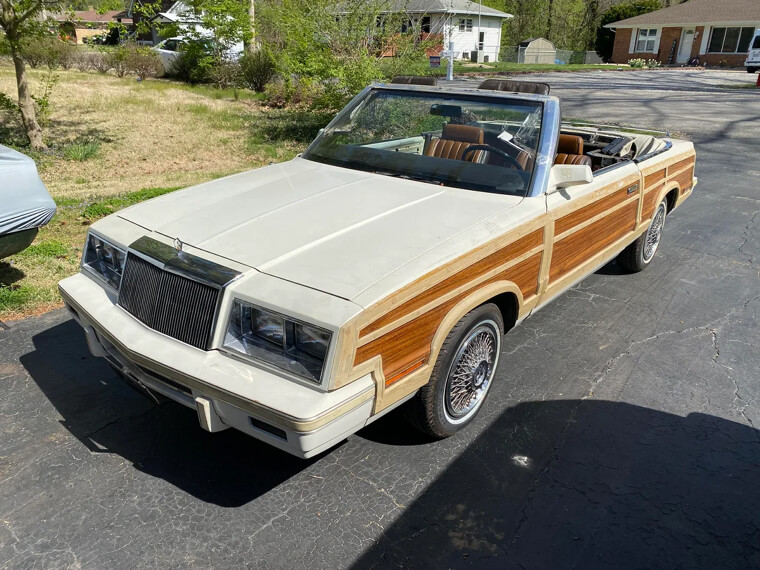
The late 1980s redesign introduced sleek hidden headlights and a more aerodynamic look, which briefly spiked consumer interest. However, severe body flex due to the lack of structural rigidity caused persistent squeaks and rattles. Additionally, finding replacement parts for the digital dashboard displays has become an exhausting task for modern preservationists, keeping enthusiast demand flat.
Honda CRX (non-Si Models)
The CRX non-Si model is practically a hand-me-down of the original Honda CRX, making it easily overshadowed. Even the sporty CRX models have more admiration than the non-Si, so it’s understandable why these cars are now left unloved in garages. Base 1.5-liter engines feel pedestrian, especially with automatics, and carburetor versions demand fiddly upkeep. Rust-prone quarters and brittle plastics inflate restoration budgets. Without the Si’s punch or cachet, values lag, and many examples wear rough histories. Enthusiasts pivot to Si or Del Sols.
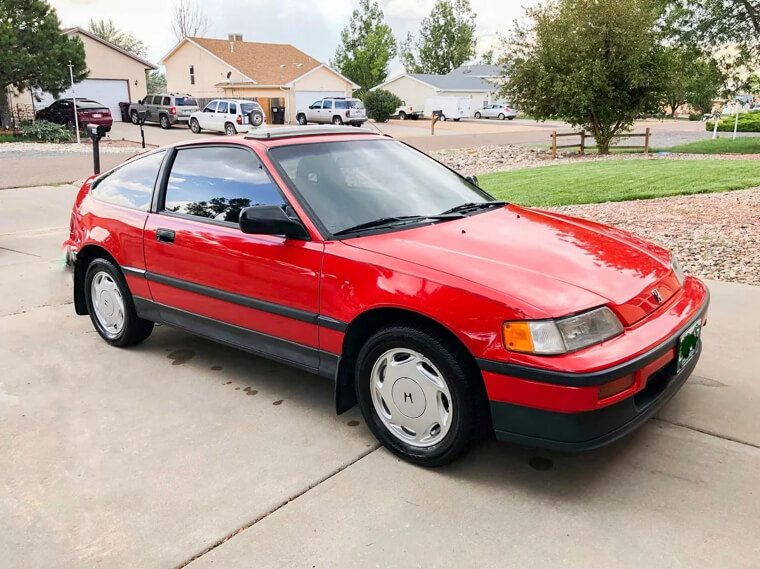
While the ultra-thrifty HF trim achieves great fuel economy, its focus on saving weight means it lacks any performance equipment. The DX and HF versions feature basic rear drum brakes and much thinner anti-roll bars, causing a noticeably softer ride. Finding a stock version that escaped rough aftermarket
Pontiac Sunbird
Other Pontiac versions with more powerful engines and sharper appearances frequently eclipsed the Sunbird. Its uninteresting style and heartbreaking price have prevented it from becoming a valued collector’s item. Built on humble J-body bones, most examples came with wheezy fours and slushy automatics that offered little excitement. Interiors aged poorly, with fading plastics and sagging headliners, while rust and electrical gremlins added costs. Even clean convertibles struggle to command premiums. With plentiful supply and tepid performance, collectors choose Firebirds or GTOs instead.
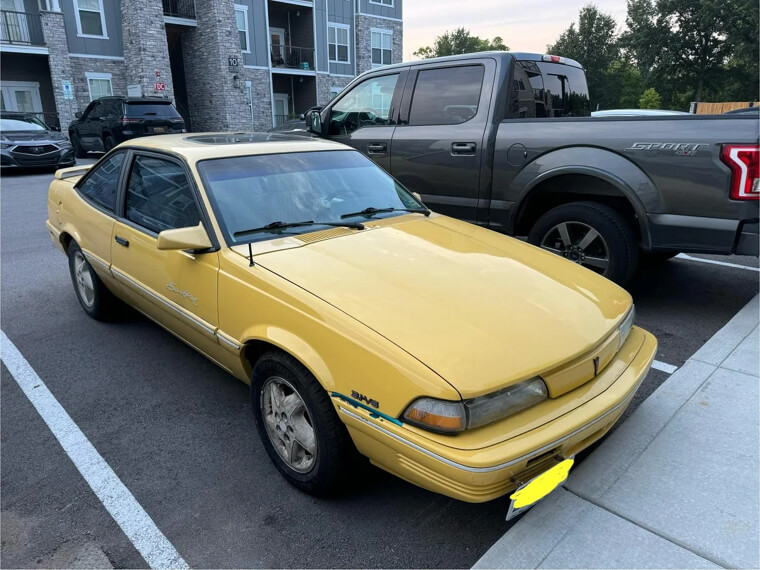
Though the turbocharged variants or the hidden-headlight GT models offered a brief glimmer of factory sportiness, they still couldn't overcome the platform's basic economy-car roots. Today, finding factory replacement body panels or model-specific interior trim is nearly impossible because so few vehicles were actively saved. Consequently, they remain largely forgotten by mainstream classic car enthusiasts.
Volvo 240
Despite being praised for its dependability, durability, and safety, the 240 was designed more for utility than for appearance. Sure, this car may have a cult following, but collectors have largely avoided it due to its unappealing design and commonality. Boxy styling and modest performance keep excitement low, even if parts support and longevity are excellent. Many survivors are high-mileage commuters with tired interiors and slushy automatics, making restorations uneconomic. Enthusiasts chasing appreciation gravitate to sportier turbos or rarer Scandinavian coupes instead today.
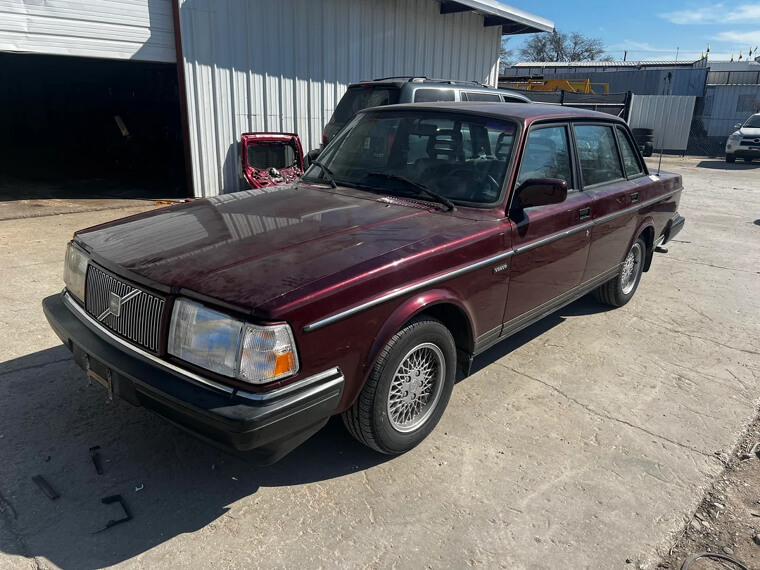
Affectionately nicknamed 'the brick,' millions of these wagons and sedans rolled off the assembly line over its nearly twenty-year production run. While the legendary four-cylinder Redblock engines are virtually indestructible, the vehicle's ubiquitous nature prevents it from attaining true investment-grade status, leaving it appreciated primarily as an indestructible daily driver rather than a high-dollar showpiece.
Nissan 280ZX
Although the 280ZX is a sleek and comfortable vehicle, collectors have found it less appealing in recent times, as it lacks the sportiness of its predecessor. There’s no denying the car has upscale equipment, but that’s not enough to bring it out from the shadows. Added weight, softer suspensions, and emissions-choked drivetrains dulled responses with slushy automatics. T-top leaks, electronics, and trim costs further erode enthusiasm. With values lagging sharper 240Zs and turbo 300ZXs, many shoppers admire the looks yet pass on ownership.
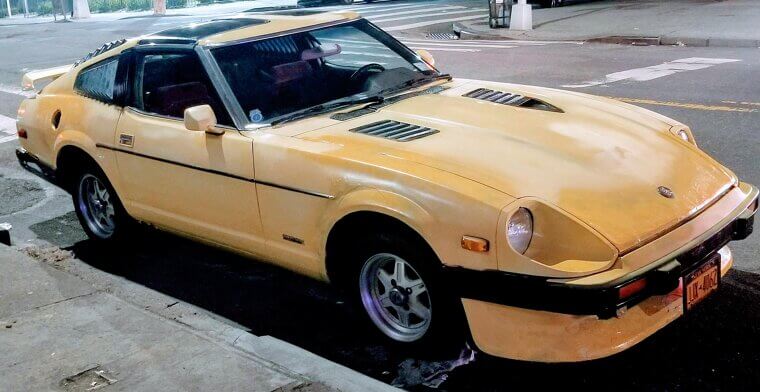
This shift toward a grand touring identity alienated enthusiasts who fell in love with the nimble, race-bred nature of the original S30 generation. Additionally, the complex electrical systems—including the early digital dashboards and vocal warning features—frequently malfunction today. Finding replacement parts for these specific, aging components turns into an expensive, uphill battle for modern collectors.
Renault Alliance
At first, this car was heavily praised for its revolutionary fuel economy, but collectors didn’t find this reason enough to keep it in their garages. On top of this, the car simply does not have enough impressive features to create a lifelong reputation. Build quality and corrosion issues, plus fragile electrics and wheezy engines, made daily use a chore. Parts support turned patchy after corporate shake-ups, discouraging restorations. Even clean survivors rarely spark bidding; buyers prefer livelier compacts with clearer heritage and stronger long-term prospects.
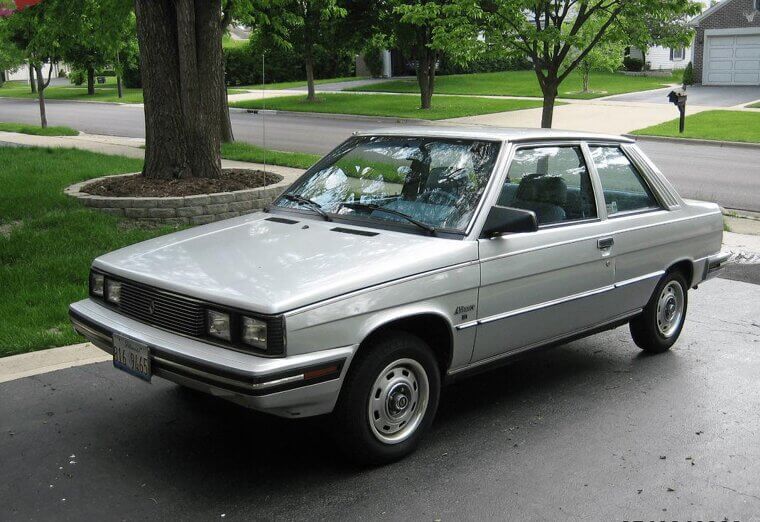
Originally born from a partnership between AMC and Renault, it even secured a Car of the Year award at launch. However, thin sheet metal and subpar cooling systems quickly caused severe engine failures and rampant rust. When Chrysler bought AMC, this Franco-American experiment completely ended, sealing its fate as an unloved artifact.
Chevrolet Caprice
The key selling points of the Caprice were its generous engine options, liberal space, and deluxe comfort. But shortly after its debut in 1965, the desire for large gas sedans disappeared, leaving this car in the dust in collectors’ eyes. This car is the perfect example of the right idea, wrong time. High fuel prices, smog-era detuning, and floaty handling dulled excitement. Huge dimensions complicate storage, while thirsty V8s and vacuum systems raise upkeep. Abundant supply caps appreciation; buyers prefer rarer Impalas or 9C1 models.
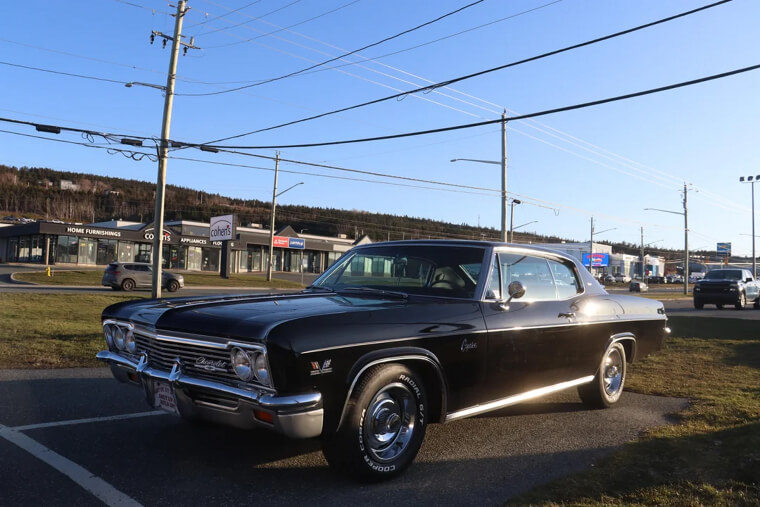
The pillared hardtop and sedan bodies from the late 1960s and 1970s suffered from severe frame rust if driven in winter climates. Furthermore, finding replacement factory cloth upholstery or specialized dashboard components requires tedious searching through salvage yards. As a result, the financial return on a full restoration rarely balances out.
1964 Mercury Marauder
Mercury is the “luxurious” subdivision of the brand Ford, but enthusiasts argue that there’s nothing much “luxurious” about the Marauder. Even with a limited production run, this car’s value failed to reach impressive numbers, making it a waste of garage space. Styling reads more plain than premium, and under the skin it’s essentially a Ford, diluting cachet. Big-block thirst, soft suspensions, and rising insurance make ownership costly. Restoration bills outpace resale, trim parts are fussy, and most buyers favor Galaxies or early Mustangs instead.
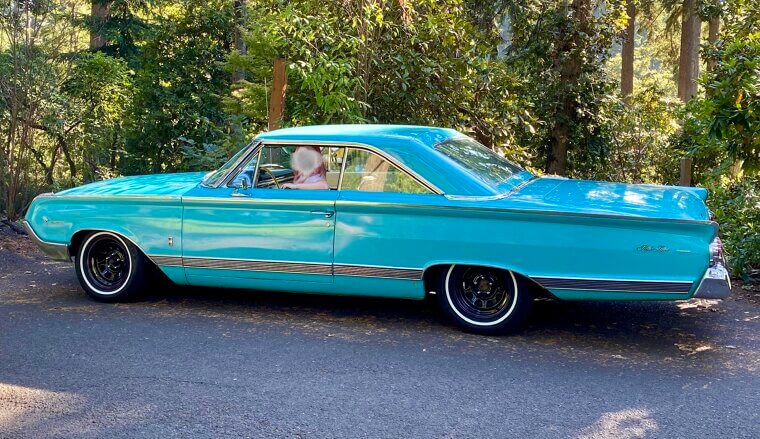
The model's distinctive fastback roofline was originally designed to improve aerodynamics for NASCAR racing, yet this performance heritage rarely translates to modern market demand. Because it shares so many mechanical components with full-sized Fords of the same era, it lacks the unique engineering identity that would help it command a premium among collectors today.
Dodge Charger
The first-generation Dodge Charger is undoubtedly one of the most iconic muscle cars ever made, so what happened to the ’70s model? Well, Dodge became flush with success and started making them with weaker engines, so their rapid depreciation came as no surprise. Added weight, smog-era tuning, and soft suspensions dulled the bite, while mandatory big bumpers and slushy automatics killed the menace. Insurance spikes and rust didn’t help. Restoration bills often exceed resale, and most collectors chase ’68–’70 cars, leaving later Chargers overlooked.
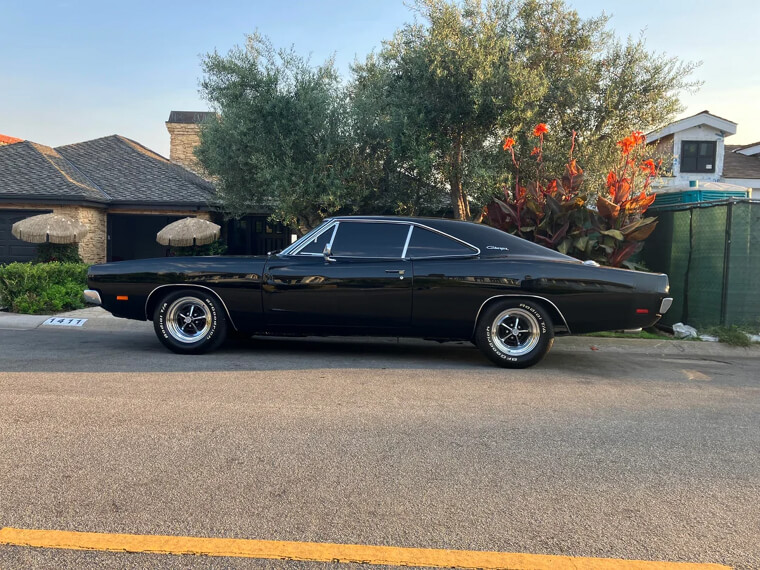
By the middle of the decade, the model transitioned fully into the personal luxury coupe segment, famously sharing its body and styling cues with the Chrysler Cordoba. Features like opera windows and landau vinyl roofs replaced the aggressive fastback styling. This luxury-focused identity simply failed to resonate with performance purists.
Ford Torino
You’re probably thinking, “How is a NASCAR race winner on this list?”. But it turns out that a successful racing history is not enough to distract collectors away from its awful fuel economy, and similar vehicles that easily outperform the Torino any day of the week. Street versions packed extra weight, smog-era tuning, and slushy automatics that dulled the soundtrack and pace. Insurance spikes, rust-prone panels, and rising fuel costs make ownership pricey. With tepid resale and plentiful supply, shoppers chase earlier, sharper Fords.
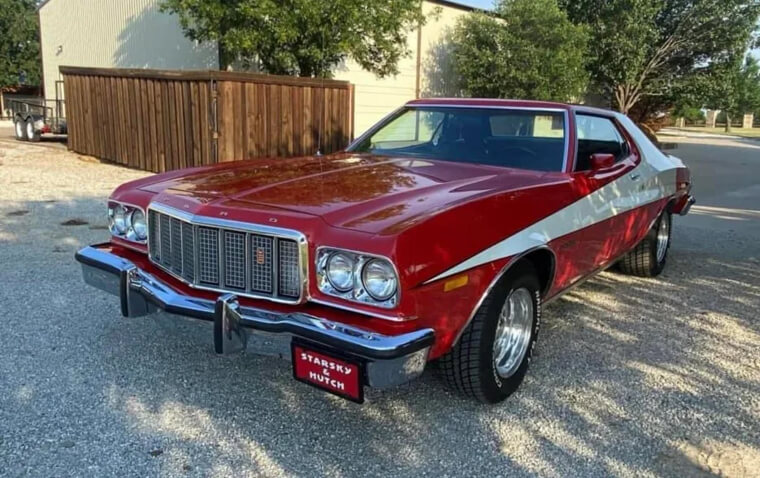
Additionally, the massive redesigns of the mid-1970s transformed the once-agile intermediate into a bloated personal luxury barge. Sourcing distinct body trim or replacement interior components for these later model years presents a frustrating challenge today, providing little financial incentive for collectors to take on a full restoration.
Lincoln Continental
One of the most famous cars on this list, the Lincoln Continental, has undergone various redesigns and campaigns to revive its once-iconic status, but nothing has been able to top the classic 1960s model. Other models have become more of a nuisance to collectors rather than a beloved artefact. Later generations grew heavier and softer, with thirsty V8s, complex electronics, and costly trim that ages poorly. Sheer size complicates storage, and resale rarely justifies restoration. Enthusiasts usually save their money for suicide-door sixties cars.
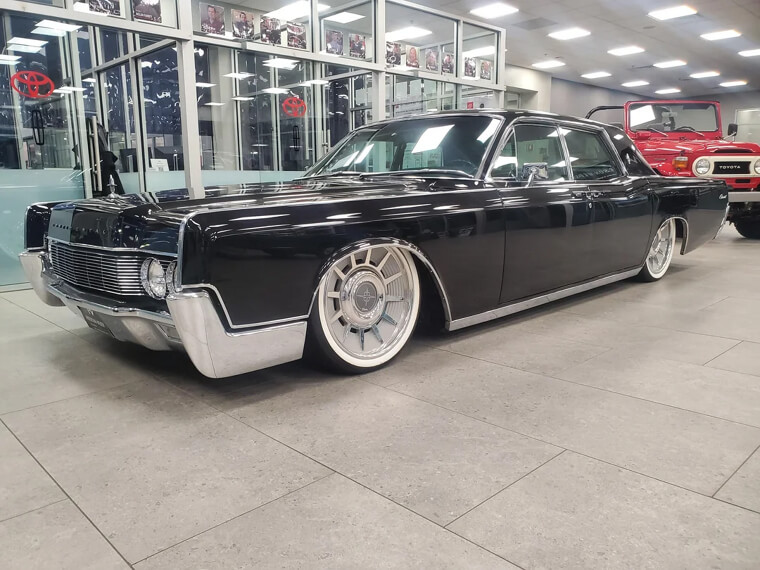
The mid-1970s models, for instance, became massive land yachts that prioritized plush, pillow-topped luxury over any real mechanical precision. Even the highly marketed 'Designer Series' editions from that era failed to retain their long-term value, ensuring that these bloated, smog-choked iterations remain largely ignored by the modern classic car community today.
Ferrari Mondial
The Mondial was a one-of-a-kind Ferrari in its prime, but this fame didn’t last forever. As an intended family car rather than an expected sports coupe, this model failed to impress die-hard Ferrari enthusiasts. The only thing this car is good for nowadays is to act as an affordable entry ticket into the Ferrari world. Running costs stay very Ferrari—belt services, finicky electrics, pricey trim. Performance underwhelms for the badge, and the 2+2 layout blunts romance. Many buyers simply stretch for a 308 or 328.
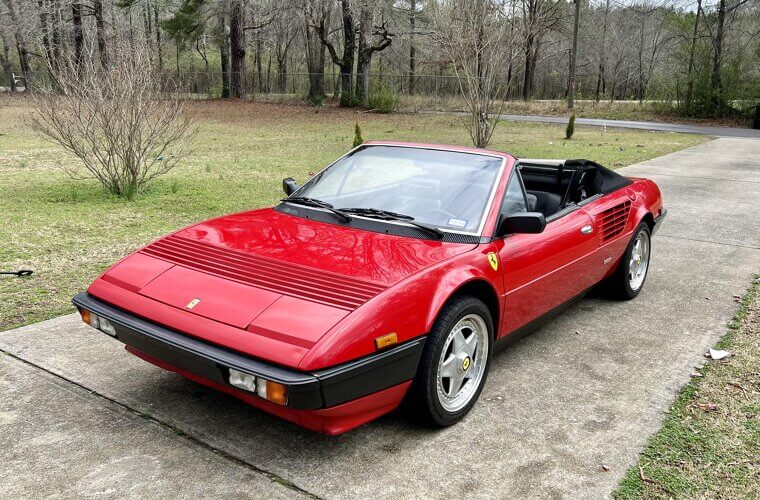
Early 8-valve versions produced a modest 214 horsepower, which struggled to move the heavier chassis with any real urgency. While later Quattrovalvole and Mondial t variants improved performance considerably, the car's elongated proportions never quite achieved the sleek, aggressive aesthetic people expect from the Maranello factory.
Chevrolet Camaro Z28
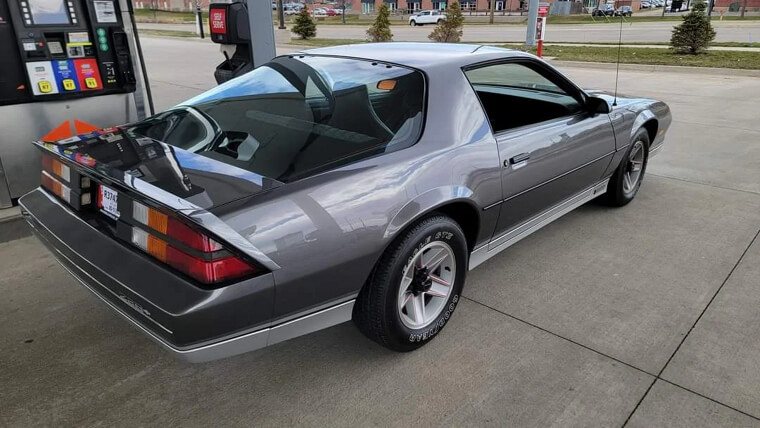
Not long after its release, the 3rd-generation Chevy Camaro’s value declined due to serious reliability issues. It also didn’t help that the version was underpowered, featuring a 305 CI V8 engine that produced a measly 190 horsepower. Combine these features, and you get an overall unimpressive chunk of metal that failed to appeal to collectors. Weak build quality, squeaky T-tops, and fading plastics compounded the stigma. Slushy automatics and emissions tuning dulled pace. With IROC-Zs overshadowing it, resale stayed soft and projects seldom penciled.
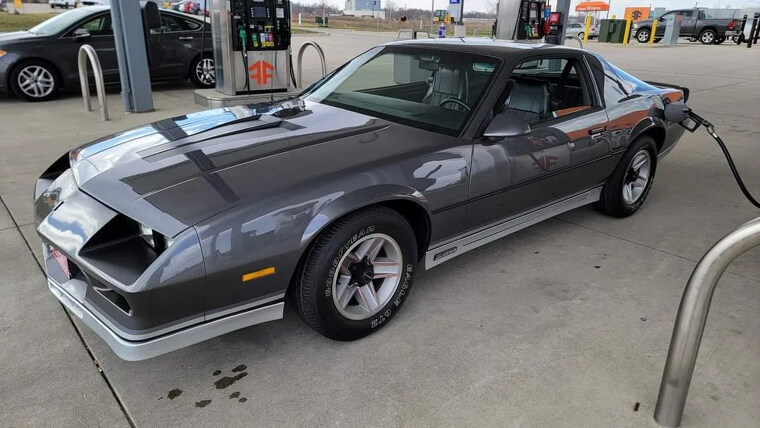
Early models equipped with the Cross-Fire fuel injection system became notorious for troubleshooting headaches and erratic performance. Furthermore, the flexible F-body chassis struggled to handle aggressive cornering without flexing around the rear hatch glass. Because pristine examples are rare and restoration costs easily outpace final market values, most buyers pass them up.
DeLorean DMC-12
We’ve all heard of the famous “Back To The Future” movie franchise, which is why this car earned worldwide adoration in the 80s. But was the car actually impressive, or did it thrive on novelty? Heartbreakingly, the DMC’s performance failed to match its thrilling appearance, leaving this car to be remembered as a movie feature rather than a classic collectible. Underpowered PRV V6 and heavy stainless panels dulled real-world driving. Build-quality hiccups and parts costs deter restorations, so values rest mostly on movie nostalgia.
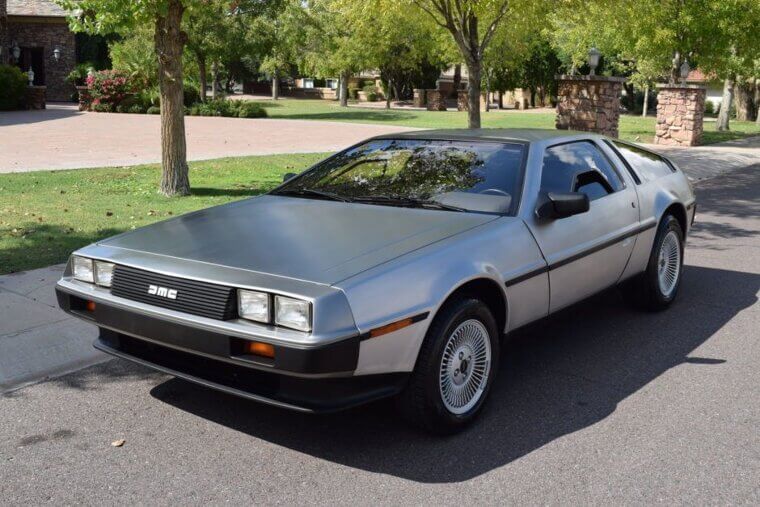
The iconic gullwing doors and unpainted fiberglass-reinforced plastic underbody structure added complex engineering challenges that early factory workers struggled to master. Additionally, finding pristine replacement stainless steel body panels or repairing the unique torsion bar door mechanisms requires specialized expertise, ensuring that upkeep remains a pricey labor of love for current owners.
Renault Le Car
This car quickly gained popularity due to its affordable price tag and practical design. However, as soon as owners realized it had significant reliability problems, its value dropped like a brick. Since then, this cute hatchback has disappeared from the roads and collectors’ garages. Rust, fragile electrics, and finicky carburetors made ownership frustrating, and parts support shrank after the brand retreated from the U.S. Performance was modest and restoration costs outpaced resale. Most enthusiasts migrated to early GTIs or Civic Si models.
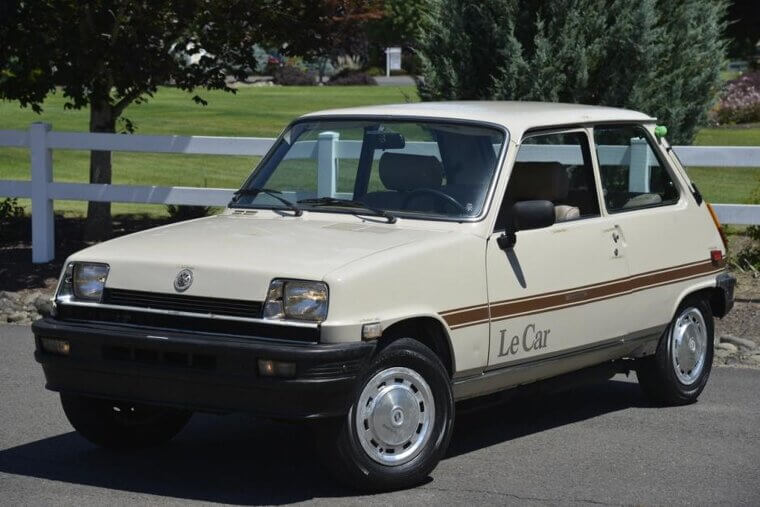
The car's quirky French engineering features—such as a three-lug wheel layout and an asymmetric wheelbase—create unique hurdles for unsuspecting mechanics today. While the canvas sunroof versions offered a fun open-air driving experience, finding intact interior components is nearly impossible. Ultimately, it remains an eccentric footnote in automotive history rather than a sought-after investment.
Buick Riviera
Despite its gorgeous Boat Tail design, the Riviera struggled to stay afloat during the American oil crisis, as buyers began seeking more fuel-efficient options. Perhaps this car didn’t receive the fame it deserved, but collectors no longer view it as something worth collecting, nonetheless. Massive dimensions and smog-era detuning dulled performance, while soft suspensions and thirsty V8s kept running costs high. Complex trim and glass are pricey to restore, and plentiful survivors cap appreciation. Many buyers instead chase earlier, crisper Rivieras or truly sporting alternatives.
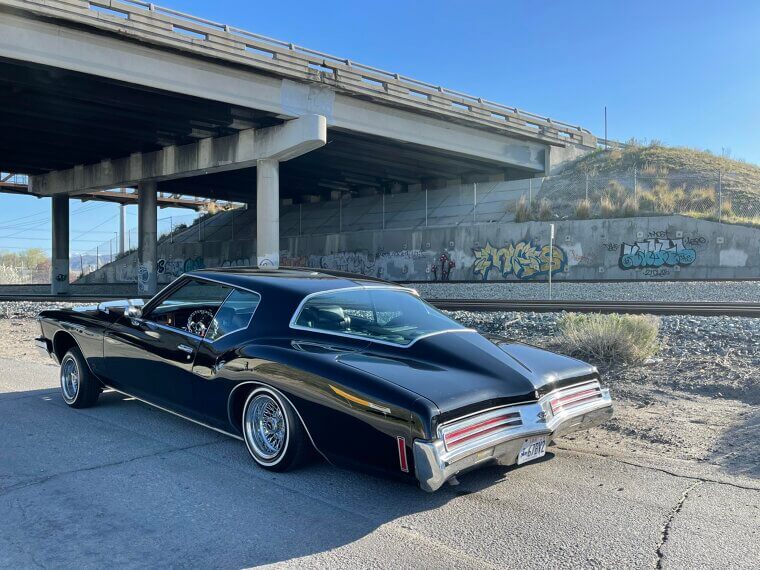
The third-generation models featured a distinctive sweeping rear deck inspired by the classic 1930s Auburn Speedster. While the massive 455 cubic-inch V8 offered impressive torque on paper, the severe horsepower drops of the era left drivers wanting more. Consequently, modern enthusiasts view them mostly as stylized highway cruisers rather than high-performance investments.